Search for lenses, articles and help
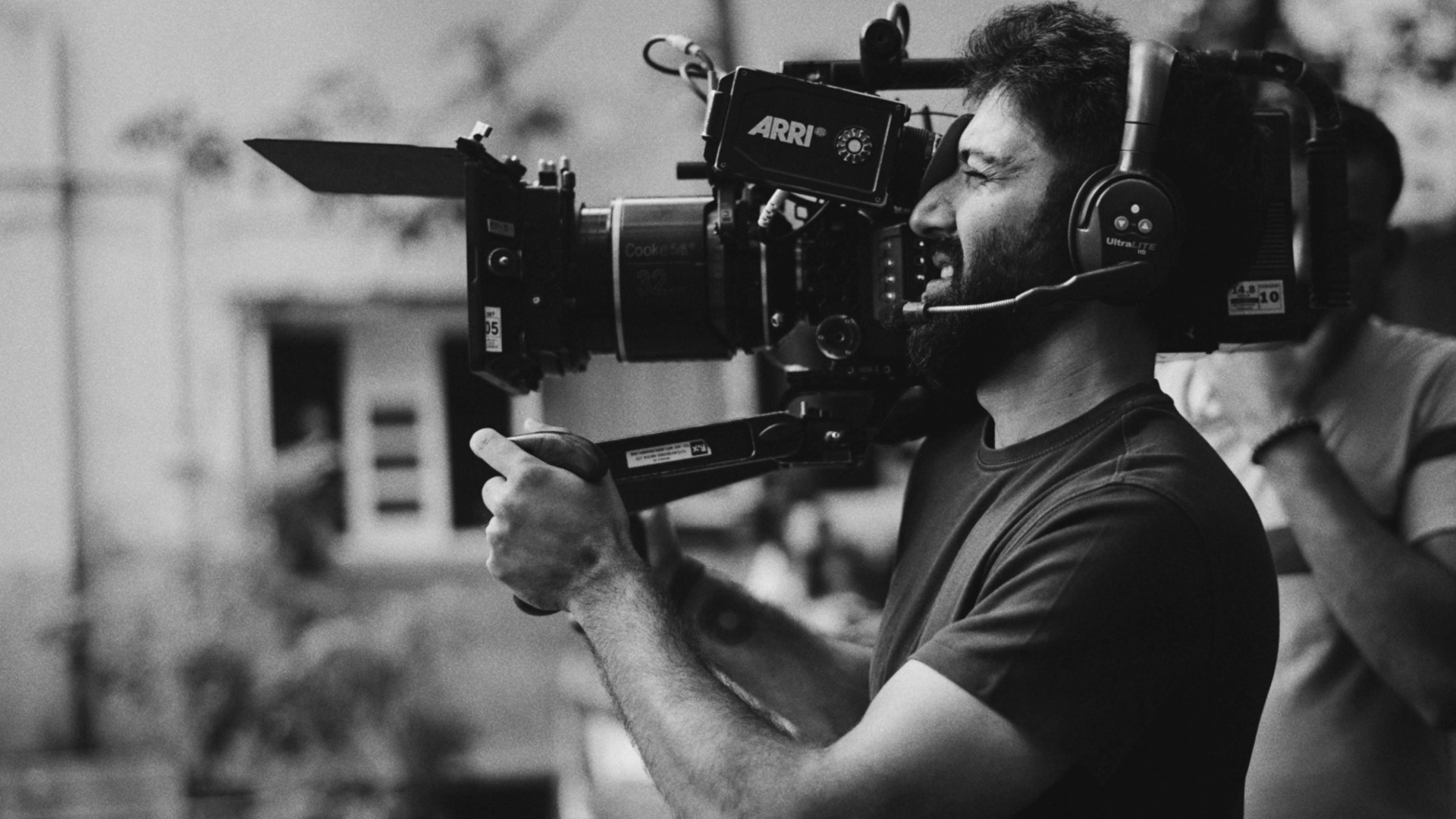
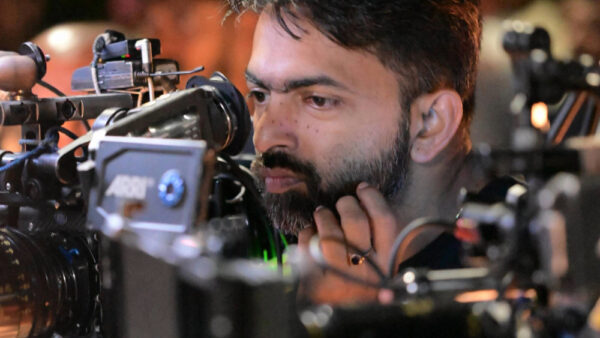
For cinematographer Pratik Shah, visual storytelling begins with observation. His foundation lies in a bachelor’s degree in fine arts (Photography), followed by a period in photojournalism, where he worked extensively with stills and video, documenting real lives and environments.
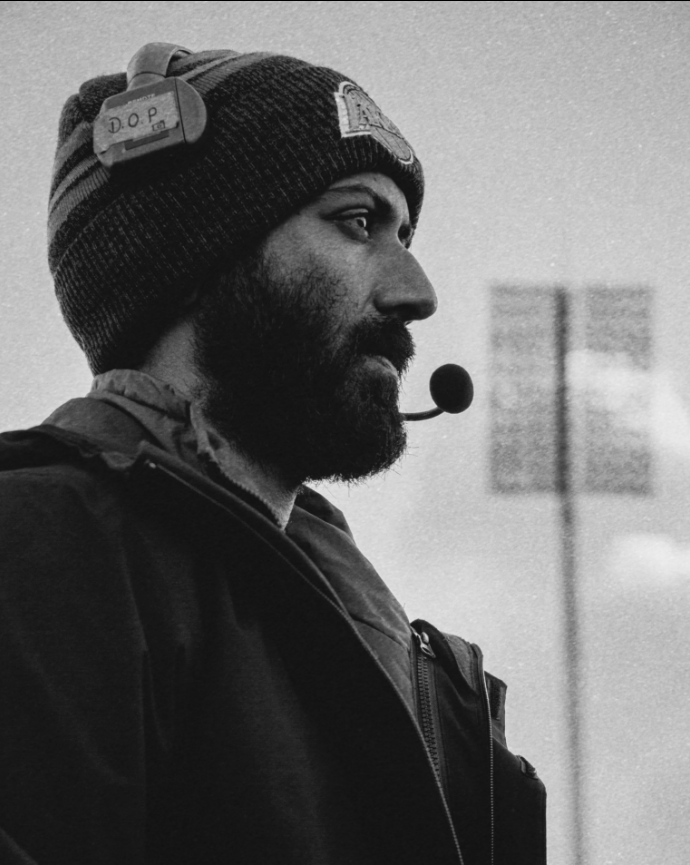
During this phase, he produced a large body of photographic and video work associated with institutions such as The Washington Post, sharpening his instinct for authenticity and restraint.
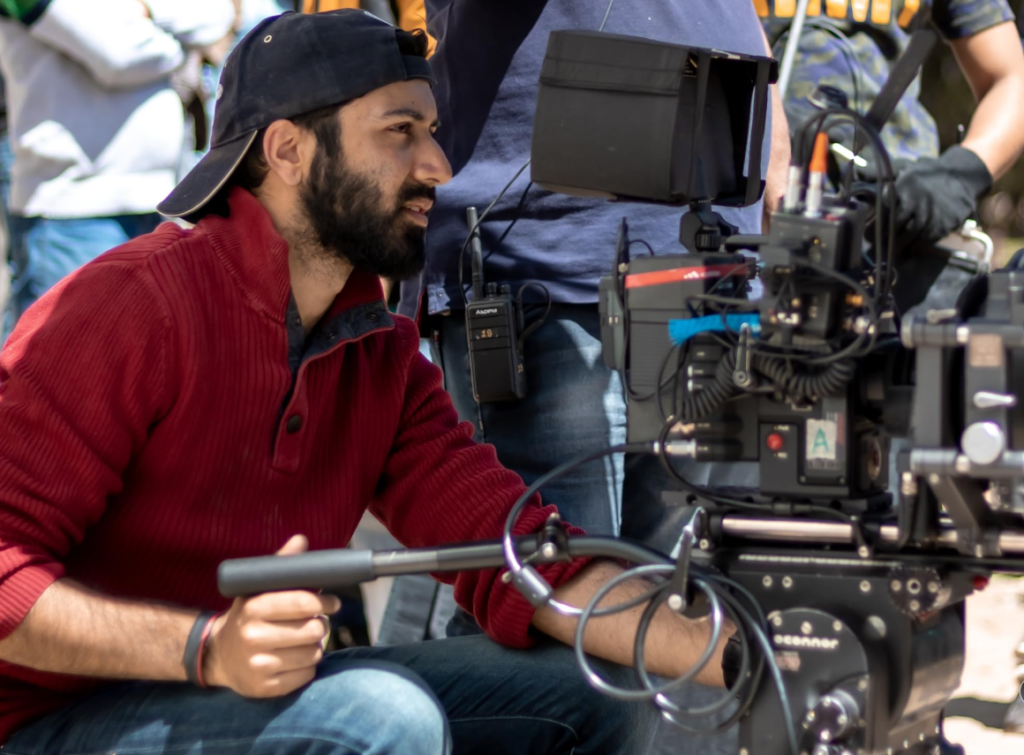
That documentary grounding gradually led him toward narrative cinema. Wanting to explore staging, emotional arcs, and longer storytelling forms, Pratik pursued a master’s degree in Cinematography in Los Angeles. During his studies, he began receiving offers to shoot projects in India, prompting him to move fluidly between academic training and real-world filmmaking—a journey he has continued ever since.
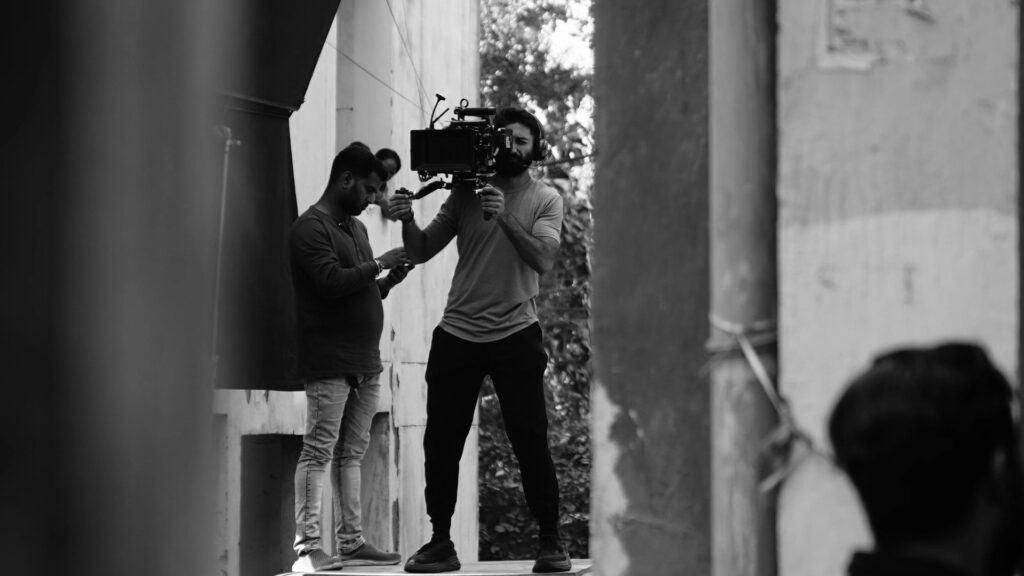
Among his works, Homebound stands out as deeply personal.
When director Neeraj Ghaywan first narrated the script to him, Pratik immediately connected to its emotional core—friendship and movement.
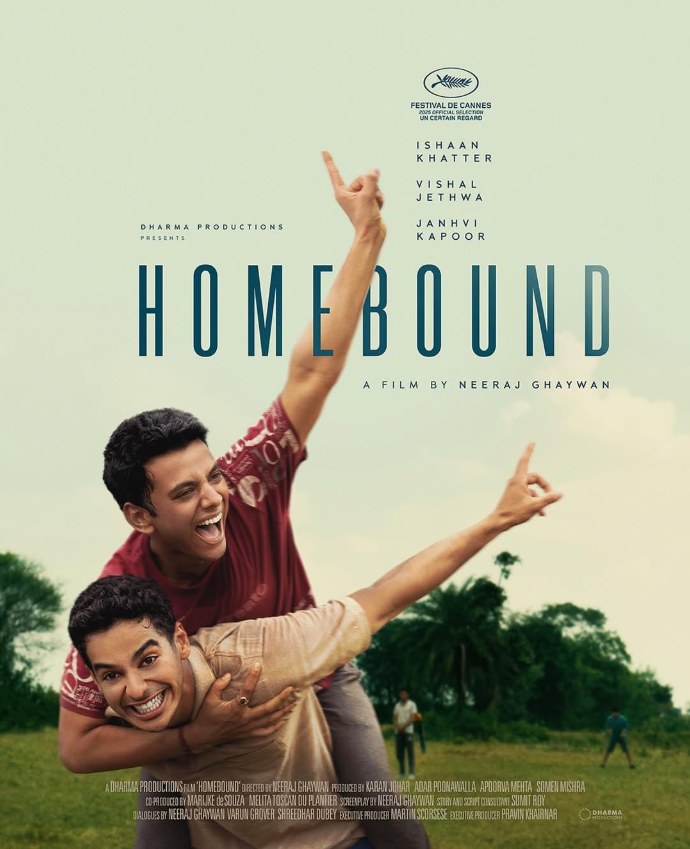
“When Neeraj narrated Homebound, it was about friendship and their journey. The reference that stayed with me was The Motorcycle Diaries.”
At its heart, Homebound follows two young men who remain hopeful and content within their world despite the realities of caste and religion around them. Their desire is simple—to improve their lives and make their families happy. This optimism shaped Pratik’s visual approach in the first half of the film.
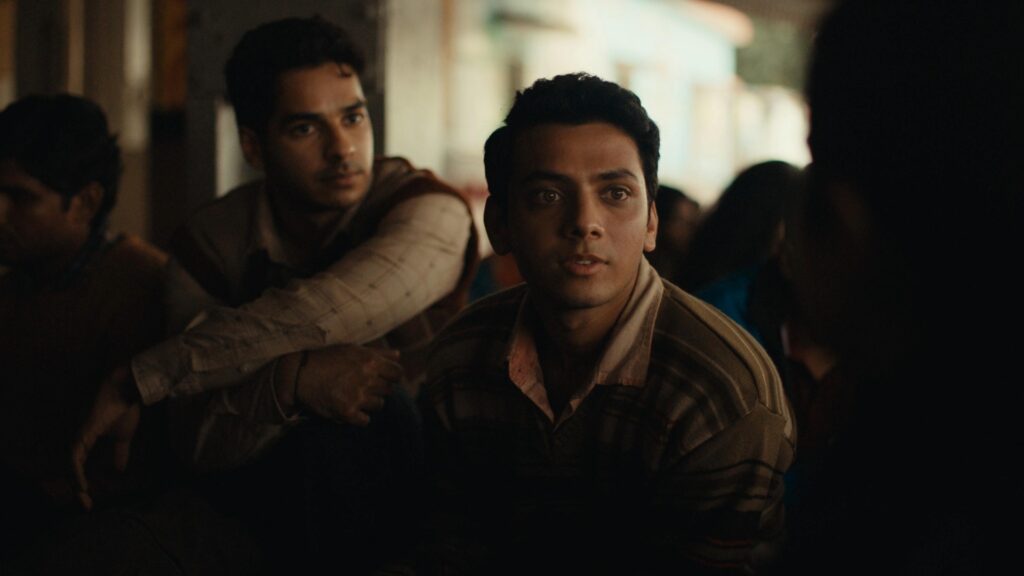
“I wanted to bring an optimistic way of seeing them—as they are.”
This philosophy translated into a camera language dominated by mid compositions, allowing the characters to exist comfortably within their surroundings. Wide shots were used sparingly and organically—never as spectacle, but as a natural step back to understand the environment they move through.
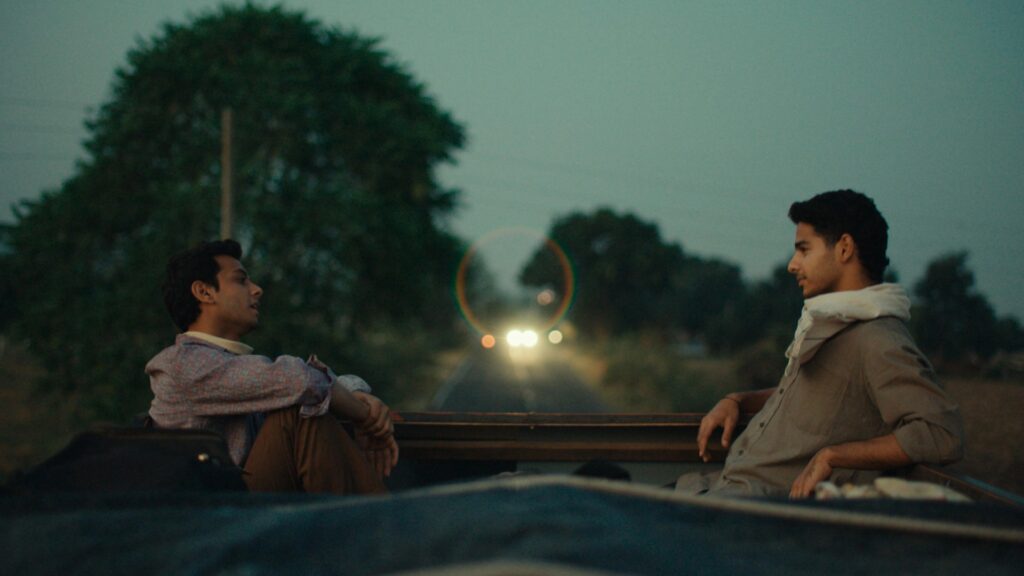
“The crux of the film was the mid-shot. When I went wide, it had to feel like a natural step back—to see them with their environment.”
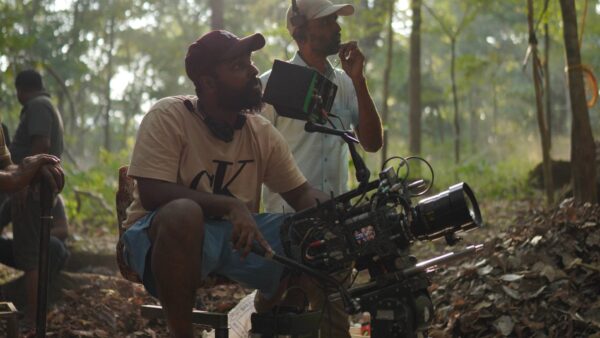
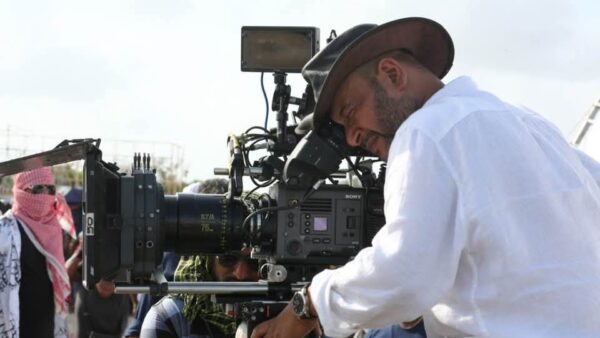
The camera remains observational throughout. Nearly 90 percent of the film was shot handheld, not to create instability, but to preserve intimacy and human rhythm. As the narrative progresses and the COVID lockdown enters the story, the visual tone shifts. Heat becomes more oppressive, contrast increases, and fatigue sets into the frame.
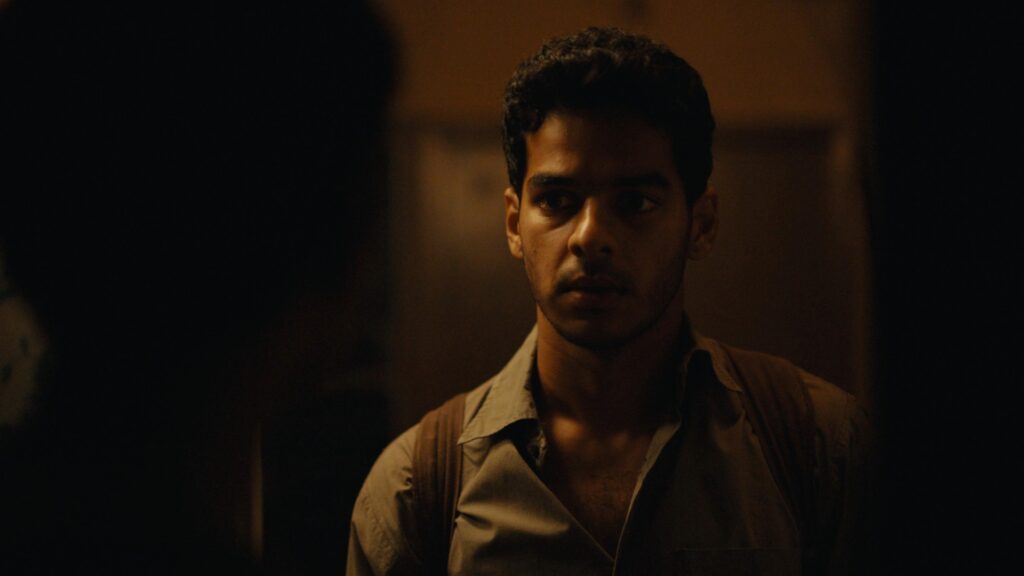
“When COVID hits, the visuals also undergo a change. You start feeling the heat.”
Technically, Pratik tested many lenses before the shoot. The decision to use Cooke S5i lenses came after careful evaluation.
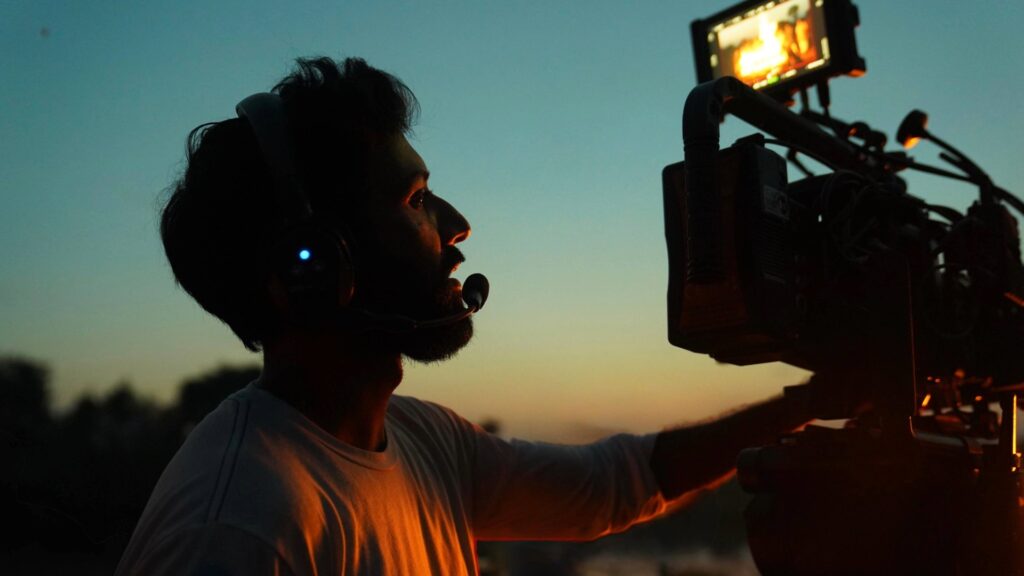
“I tested many lenses before choosing Cooke S5i. It was very special especially because I shot almost ninety percent handheld.”
Shot largely at ISO 1600 and T2, the Cooke S5i lenses offered exactly what the story required: warmth, softness, and a gentle roll-off in highlights. The flares remained controlled yet cinematic, adding emotion without distraction.
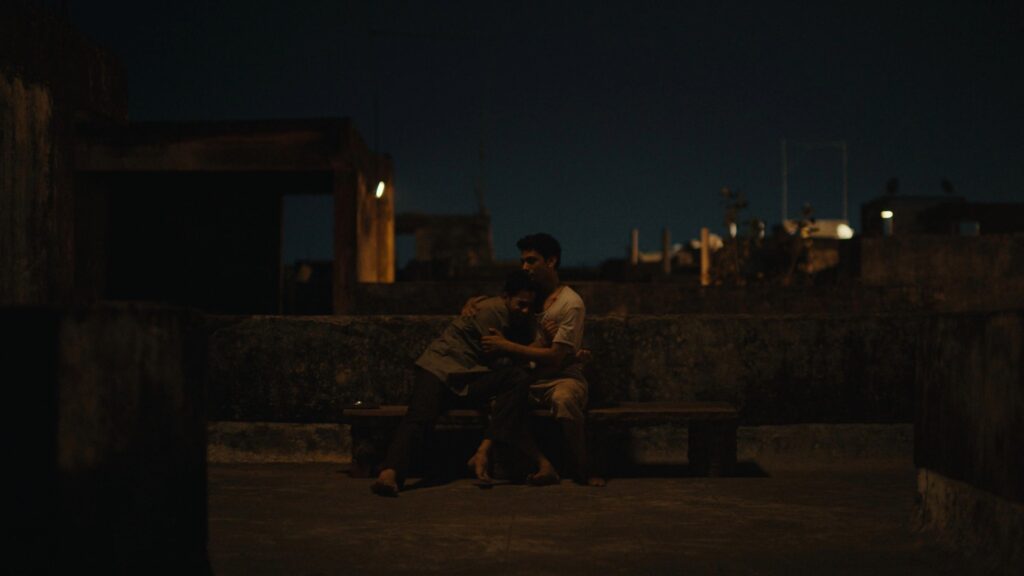
“The warmth Cooke gives complemented both the friendship portions and later the feeling of heat, which was very important for the narrative.”
Night sequences were predominantly lit using sodium vapor sources, pushing deep orange tones into the image, while daylight scenes were kept natural and unembellished.
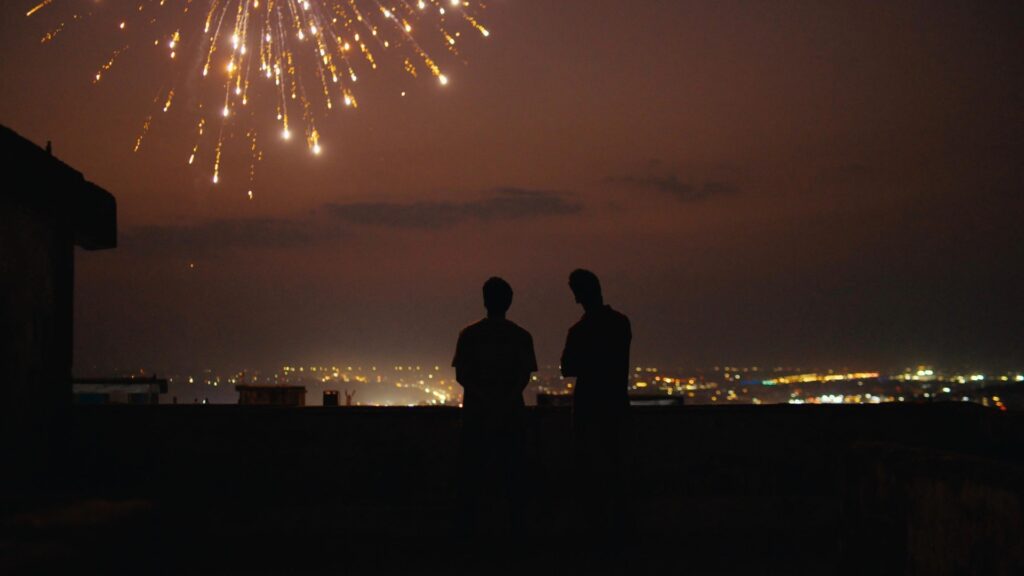
As the characters undertake a 400-kilometre, physically exhausting journey back home, Pratik increasingly moved toward narrower angles, compressing space and intensifying the emotional strain.
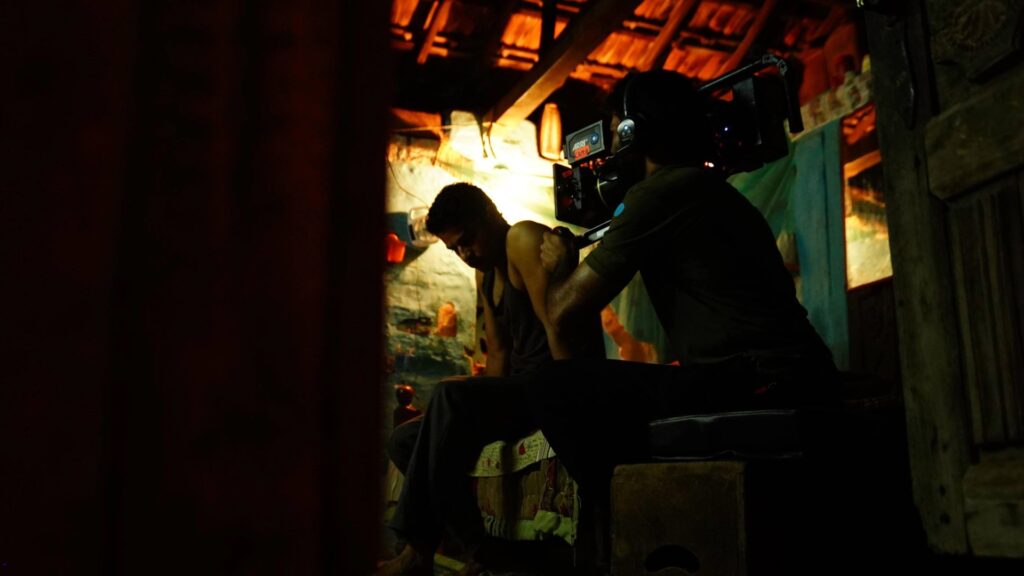
Before shooting, he worked closely with the production designer—testing interiors, costumes, and textures under real lighting conditions. From these tests, a custom LUT was created to ensure consistency across varied environments and lighting sources.
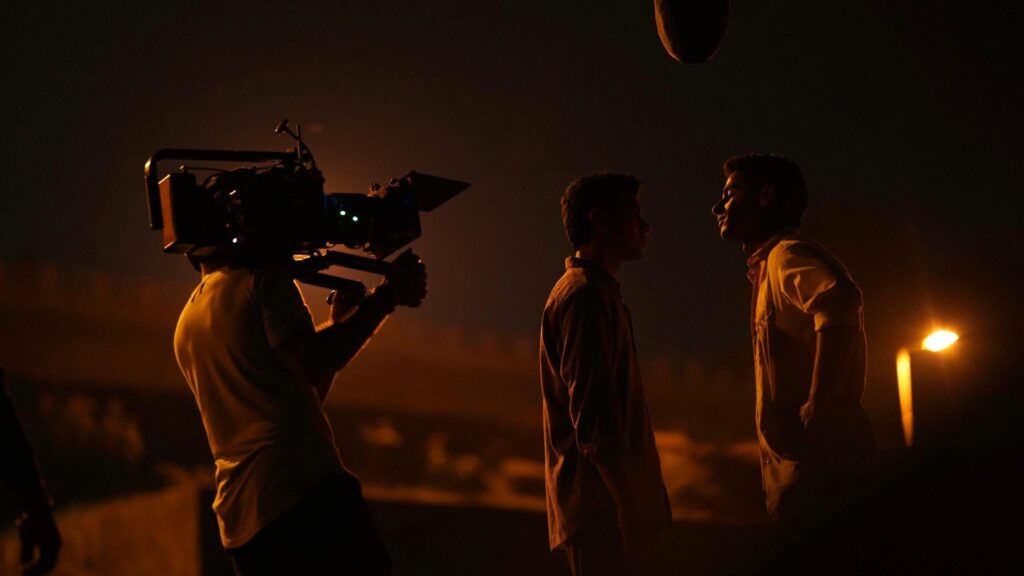
Throughout the process, Pratik credits the strength of the writing and the guidance of Neeraj Ghaywan.
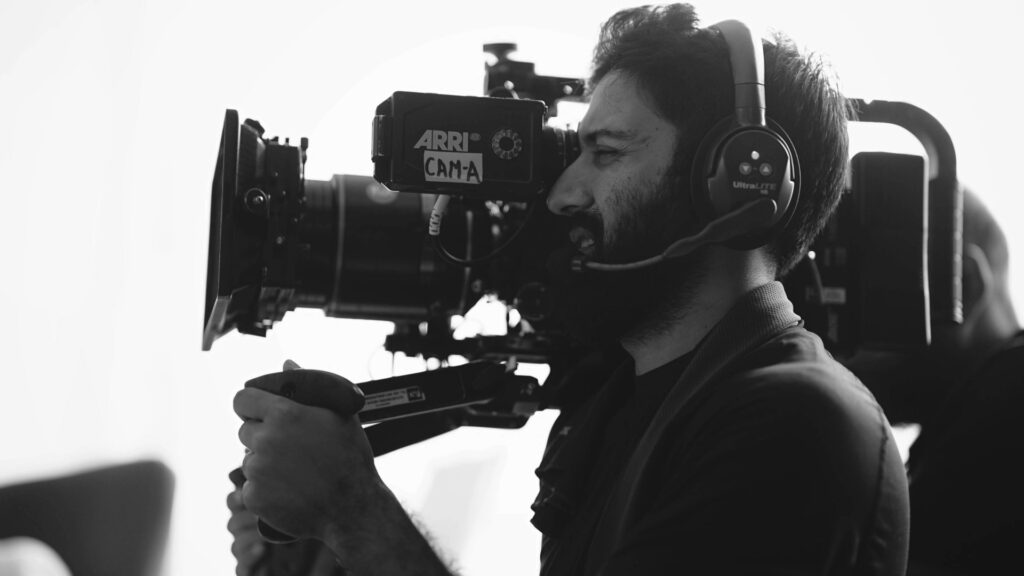
“Neeraj guided me deeply through the context of the story. The writing gave me clarity at every stage.”
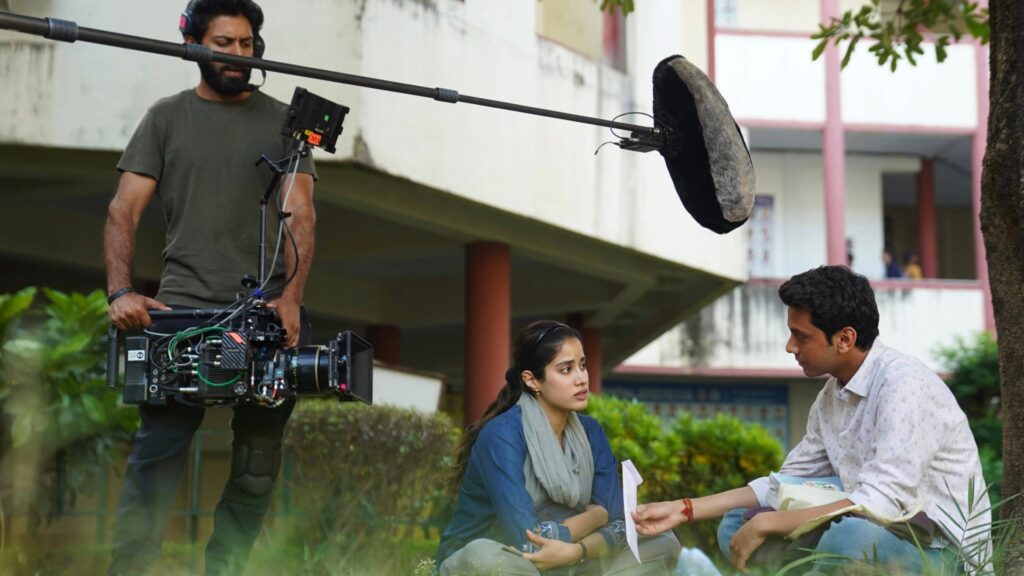
In Homebound, cinematography does not dramatize suffering—it accompanies it. Through handheld observation, restrained lighting, and the organic warmth of Cooke S5i lenses, Pratik Shah creates images that remain honest to the characters’ emotional journey.
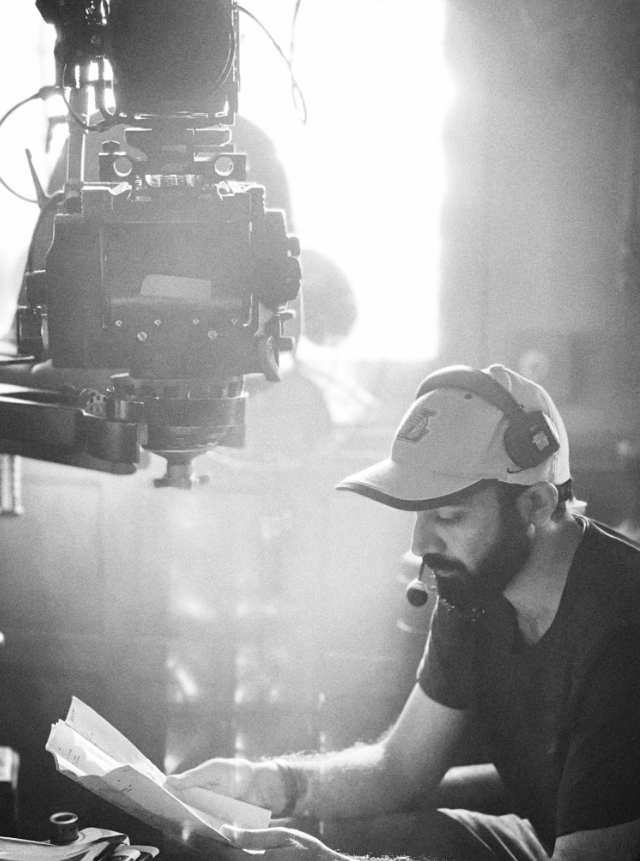
The result is a film that doesn’t demand attention—but quietly stays with you.
Pratik Shah | Director of Photography