Search for lenses, articles and help
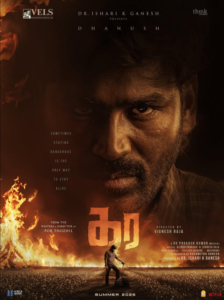 Kara
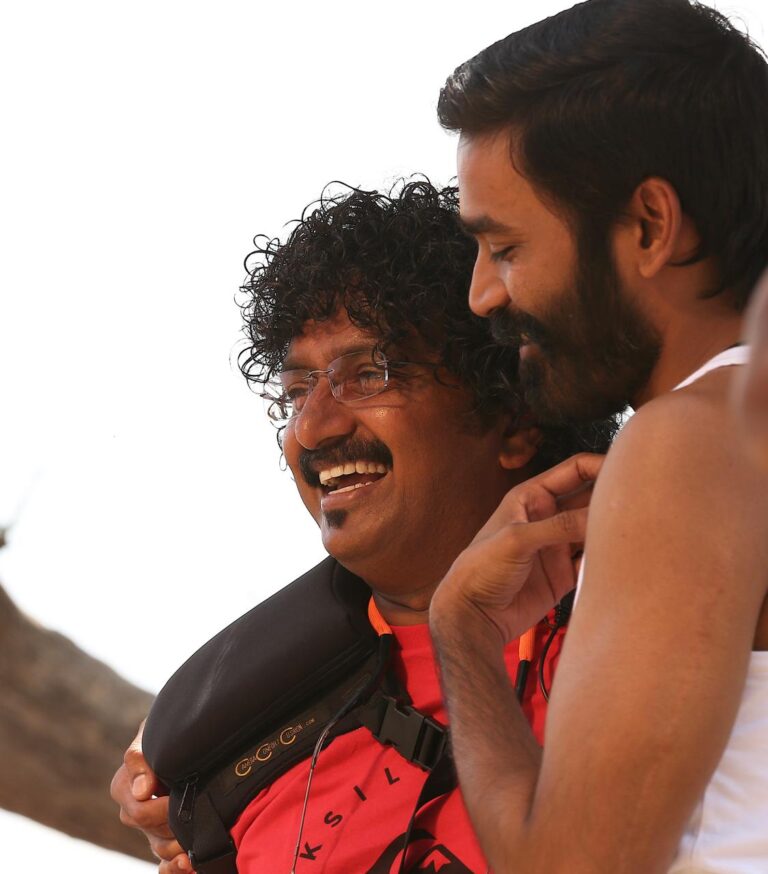
KaraIn contemporary Tamil cinema, Theni Eswar stands as one of the most significant cinematographers bridging award-winning storytelling and commercial success. His body of work is marked by films that don’t just succeed — they leave a visual imprint, often becoming reference points for tone, texture, and realism.
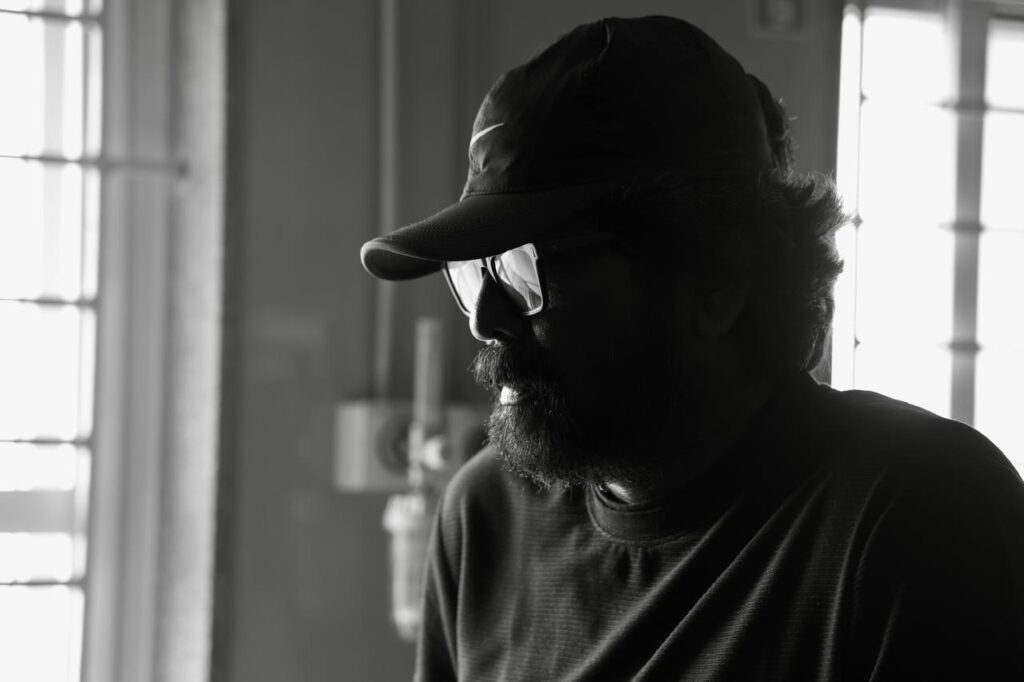
With each project, he has expanded the grammar of visual storytelling, and his films continue to be milestones in modern Tamil cinema.
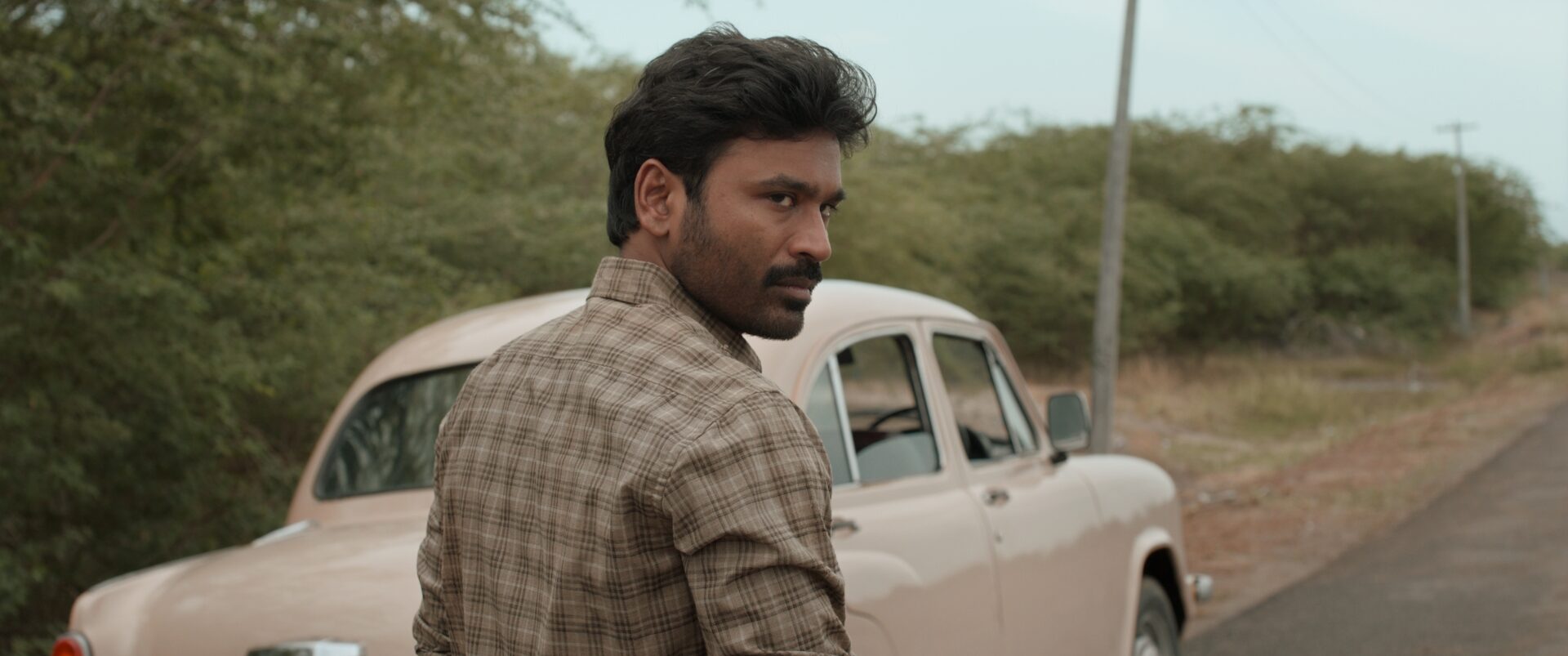
His latest film, Kara, directed by Por Thozhil fame Vignesh Rajan, is one of the most anticipated social thrillers — a layered narrative that interweaves:
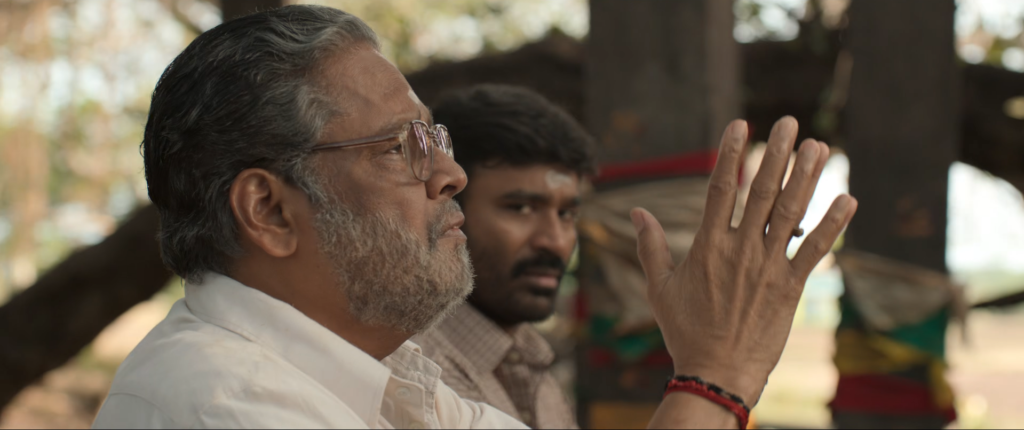
A father–son emotional core
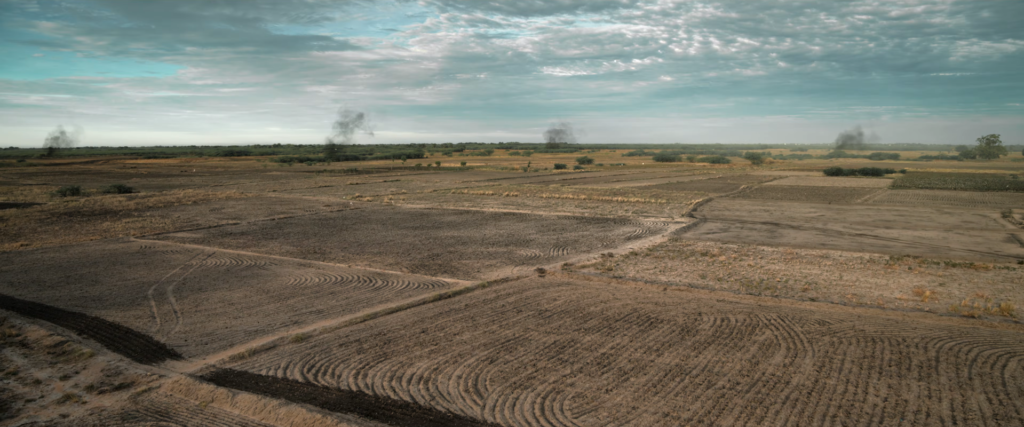
The harsh realities of dry land survival
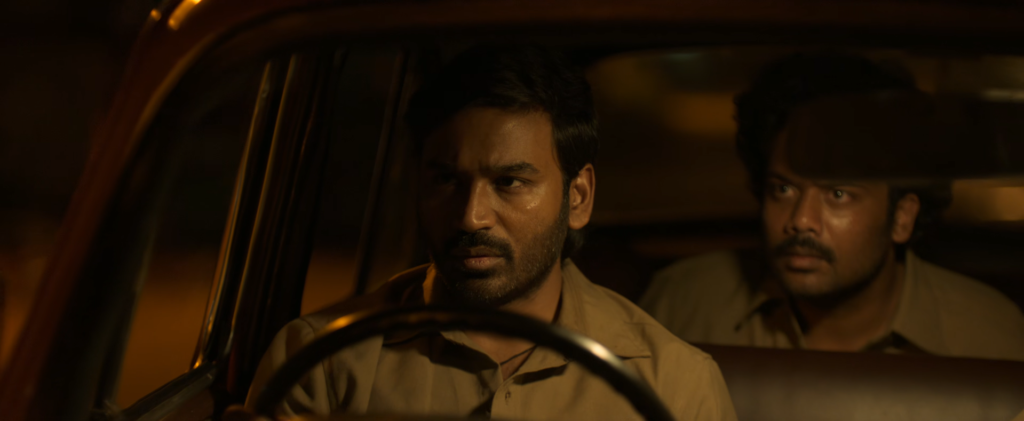
The mounting tension of banking and financial pressure
All of this unfolds into a twisted, emotionally charged narrative, demanding a visual language that is both grounded and heightened.
For Theni Eswar, Kara was not just about capturing realism — it was about balancing opposites.
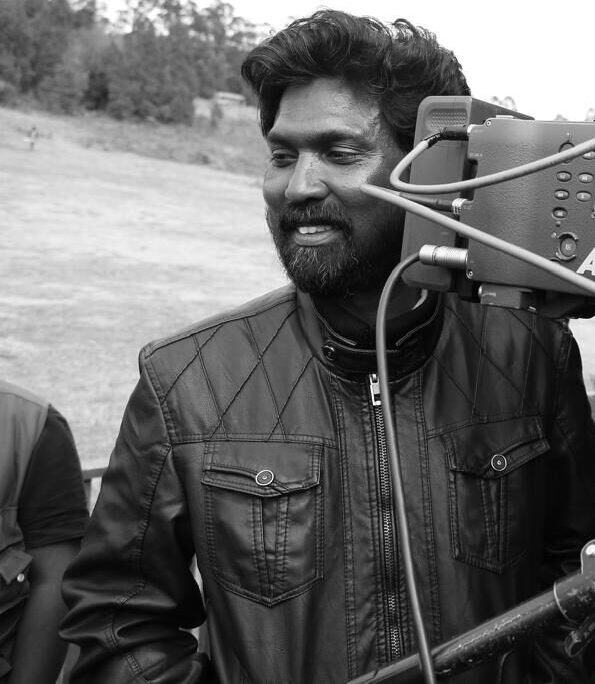
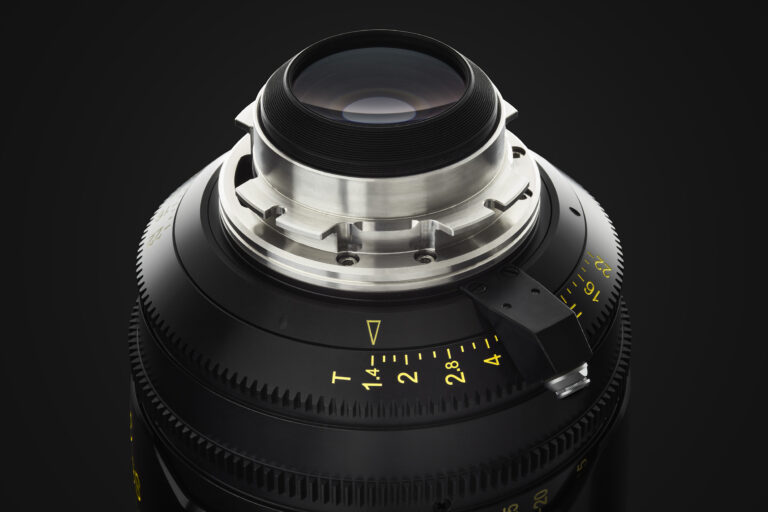
“ This film’s look is very critical. It had to combine realism, rawness, and cinematic depth. For all this, Cooke S8/i was the answer for me.”
The challenge was to ensure the film never felt fragmented or episodic despite its tonal shifts.
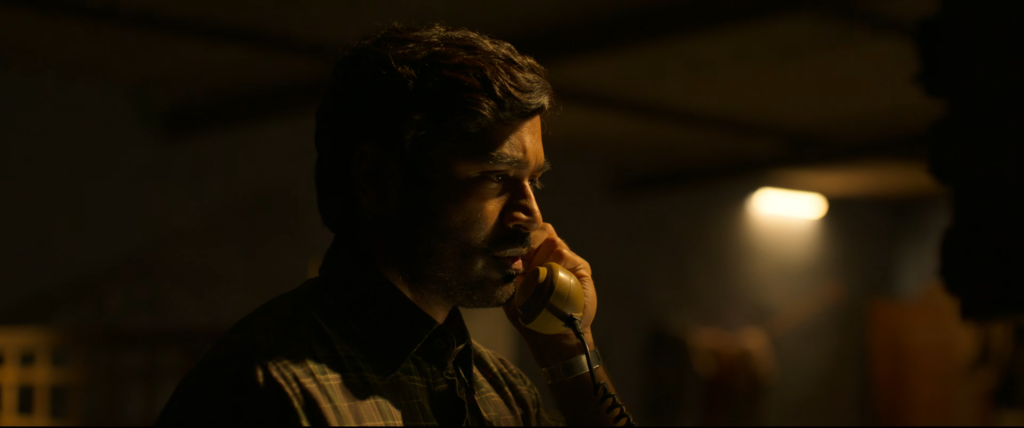
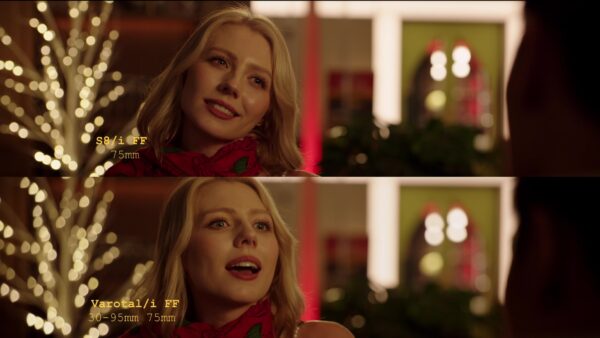
“I had to mix both shallow depth and deep focus seamlessly. Cooke really complemented that — the visuals didn’t feel episodical.”
Theni Eswar approaches lenses not as equipment, but as storytelling tools.
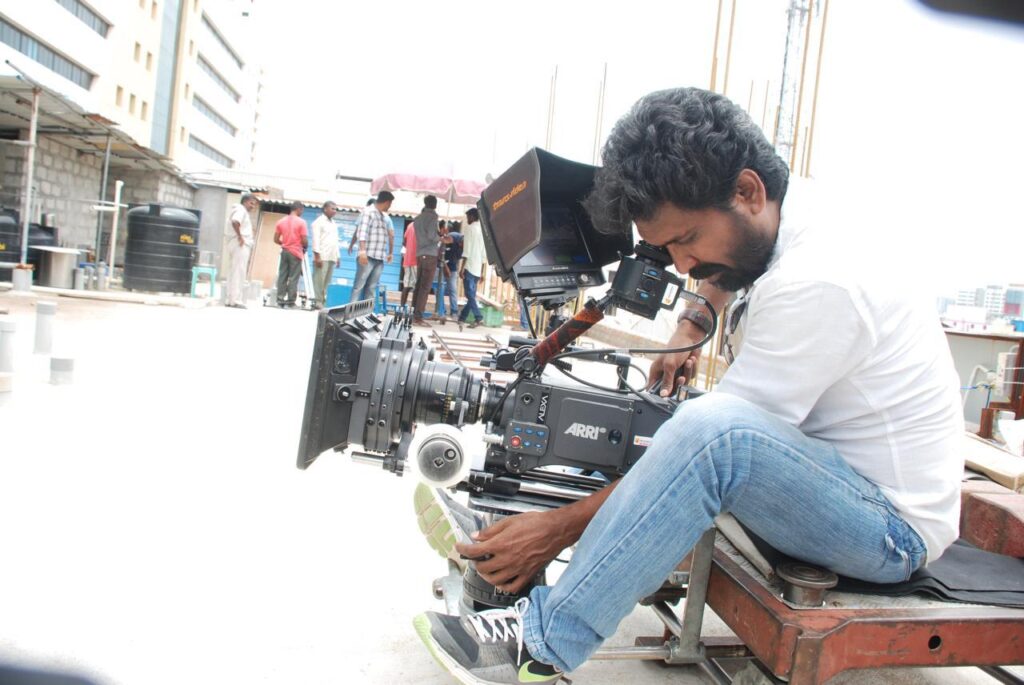
“A lens is the tool to bring all details — from the writer’s point of view, the director’s vision, and the DOP as the chief architect.”
“Selection of lens defines the success of good cinematography.”
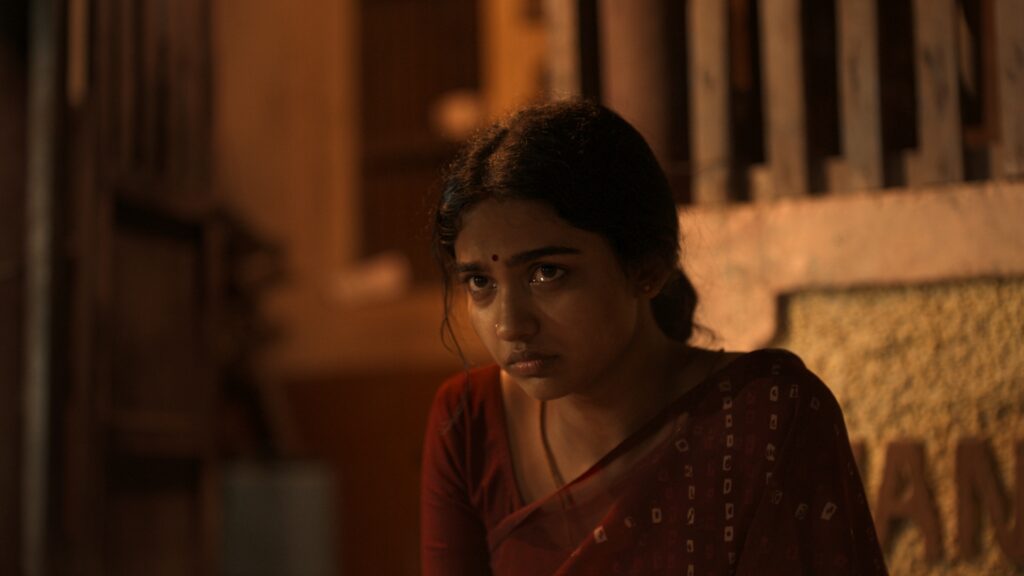
“Cooke S8/i is very modern optics, but also classical.”
One of the key visual strategies in Kara was controlling depth dynamically across scenes.
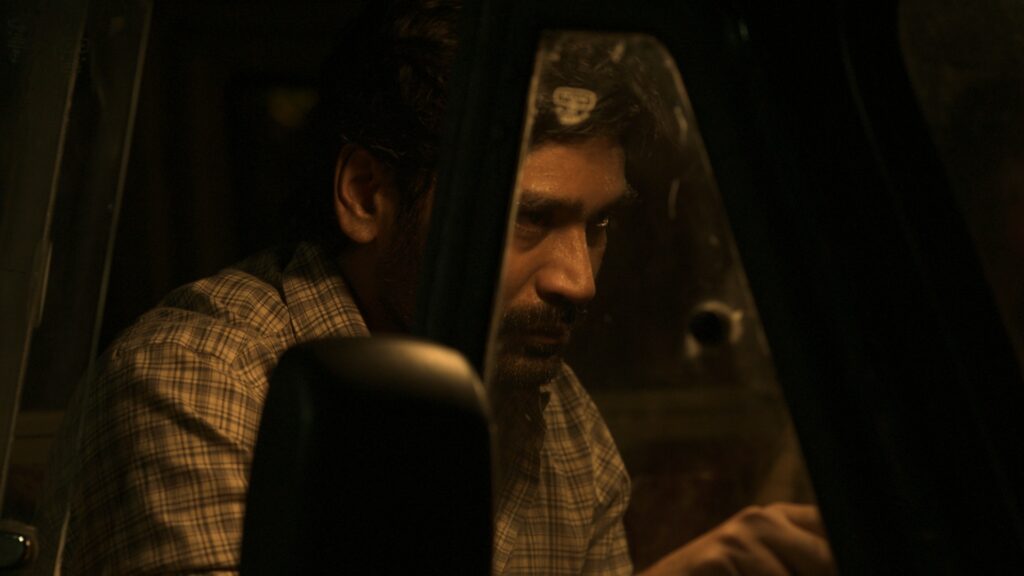
“Choosing the right T-stop is very, very crucial.”
T2 to T2.8 — primary working aperture and some portions more than T8
T1.4 — used selectively for heightened emotional moments
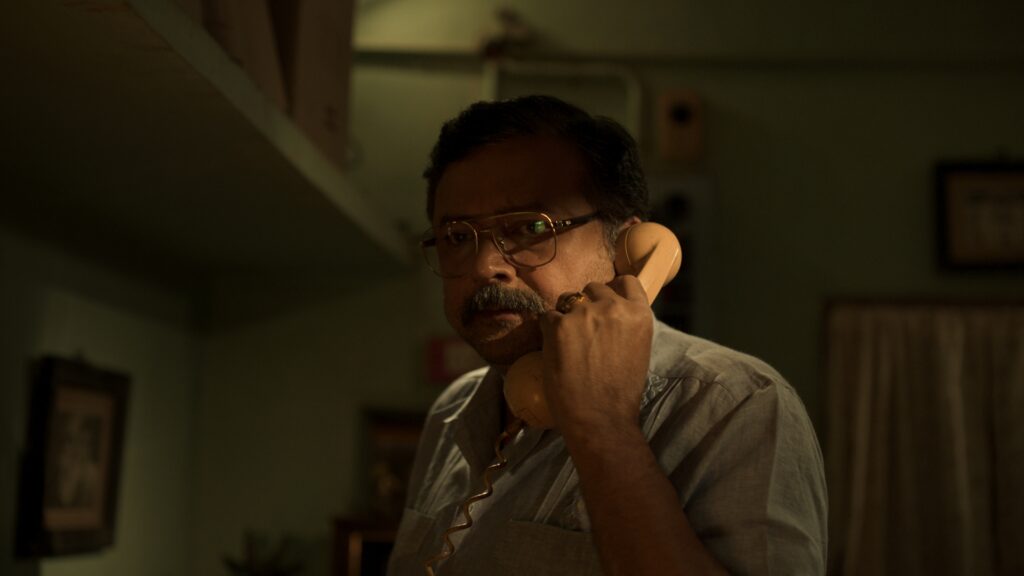
“I tried T1.4 also — it was magical with S8/i.”
This allowed him to create a visual rhythm where focus itself becomes emotional punctuation.
With Star Actors like Dhanush, the cinematographic possibilities expanded further.
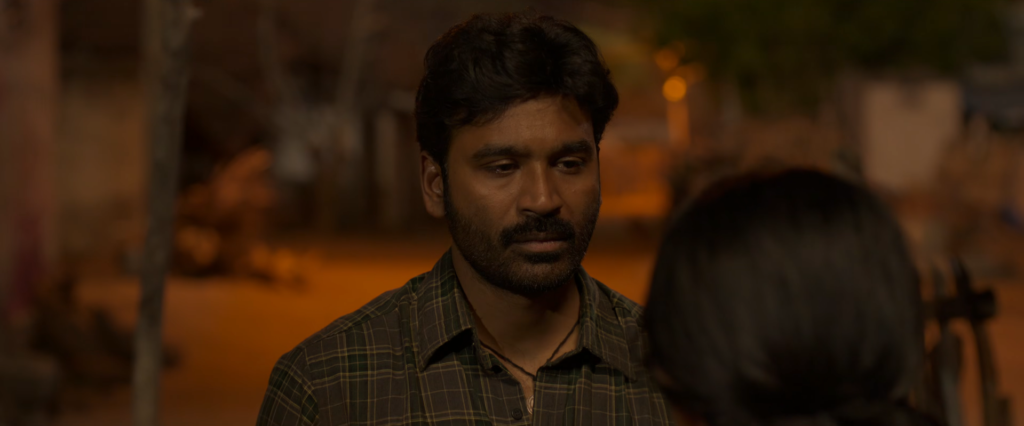
“Dhanush sir is very sensitive to light and hits his mark so precisely. I tried many high-speed apertures below T2 with camera movement.”
This precision enabled complex shots combining movement, shallow depth, and performance timing.
Kara employs a rich visual grammar through composition.
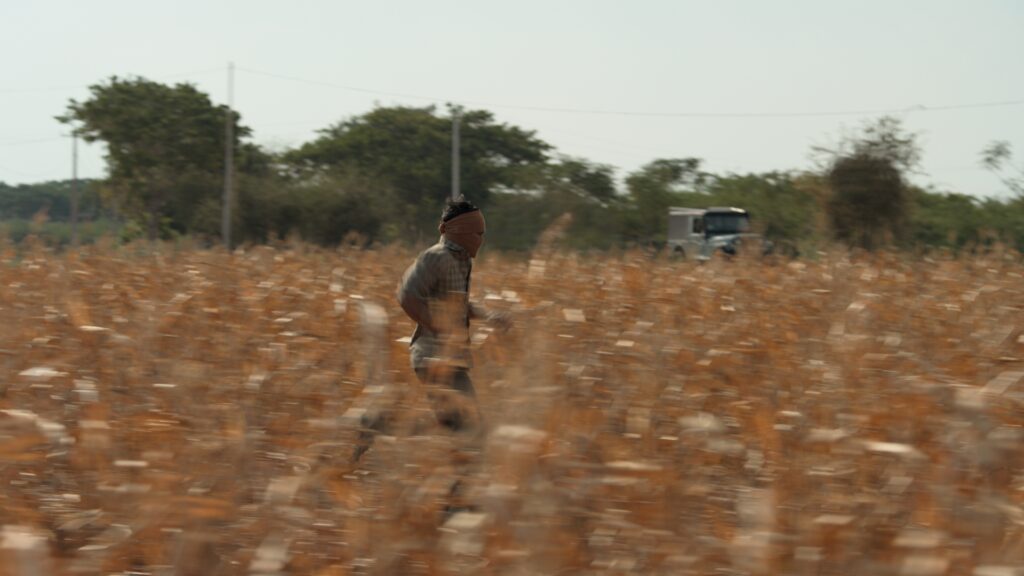
“Composition-wise, I applied multiple approaches — frame within frame and open frame techniques — to bring this explosive emotional action thriller alive.”
Even in conventional setups, the film avoids static staging.
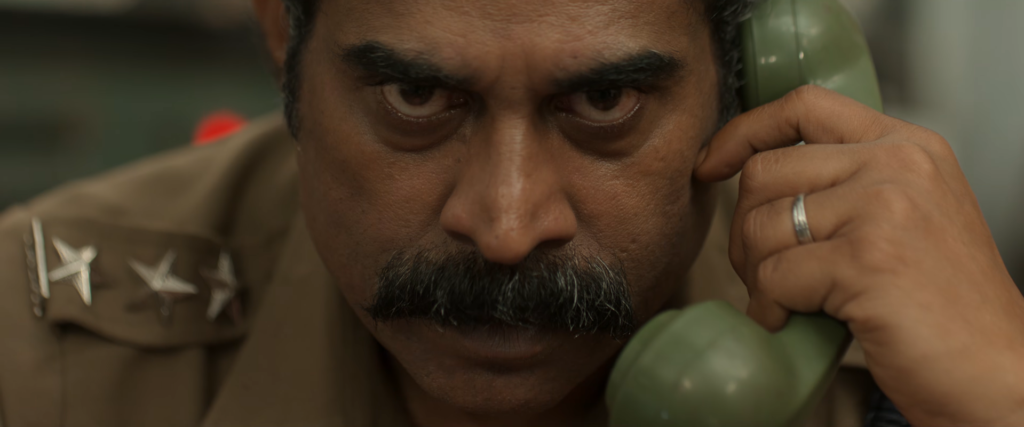
“Kara is very unconventional. Even during over-the-shoulder shots, there will be a small camera movement.”
Interestingly, Kara carries a subtle visual nostalgia.
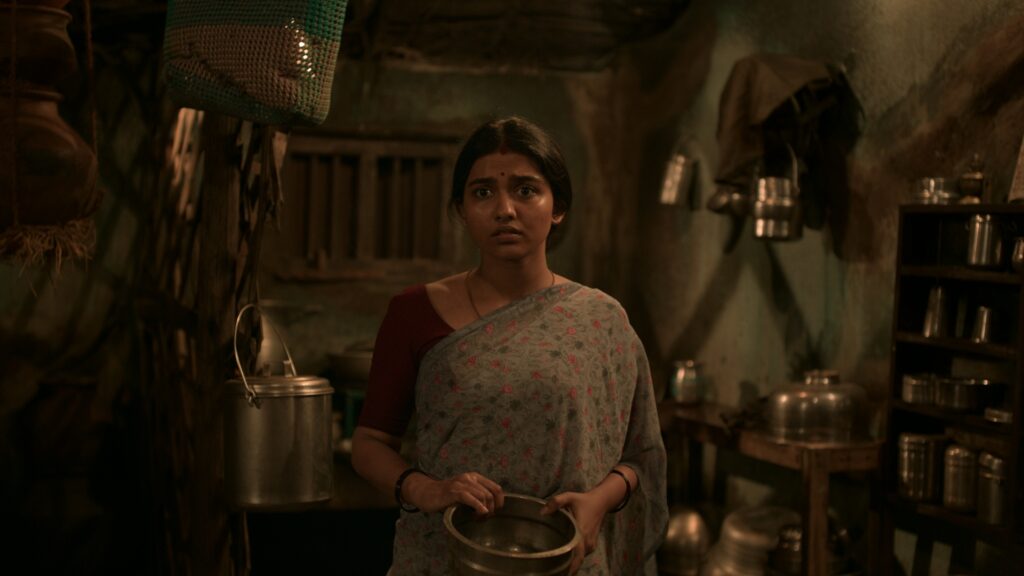
“I tried to replicate a 90s look by mixing direct sharp lights with bounced light.”
This blend creates a texture that feels both familiar and freshly interpreted.
At its core, Theni Eswar sees cinematography as the art of believable illusion.
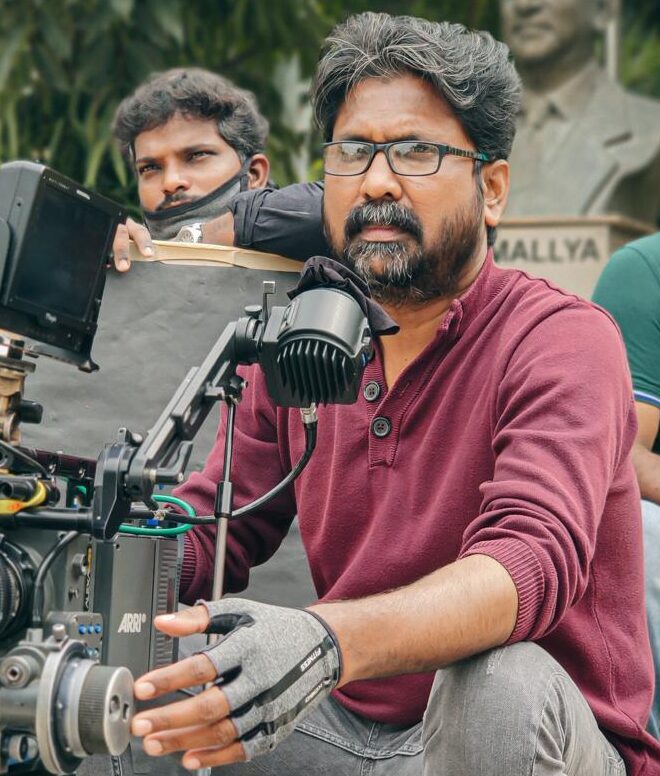
“Fictional world cinema is craft — make-believe. Optics play a very crucial role in creating that look.”
A hybrid visual language blending realism and cinematic intensity
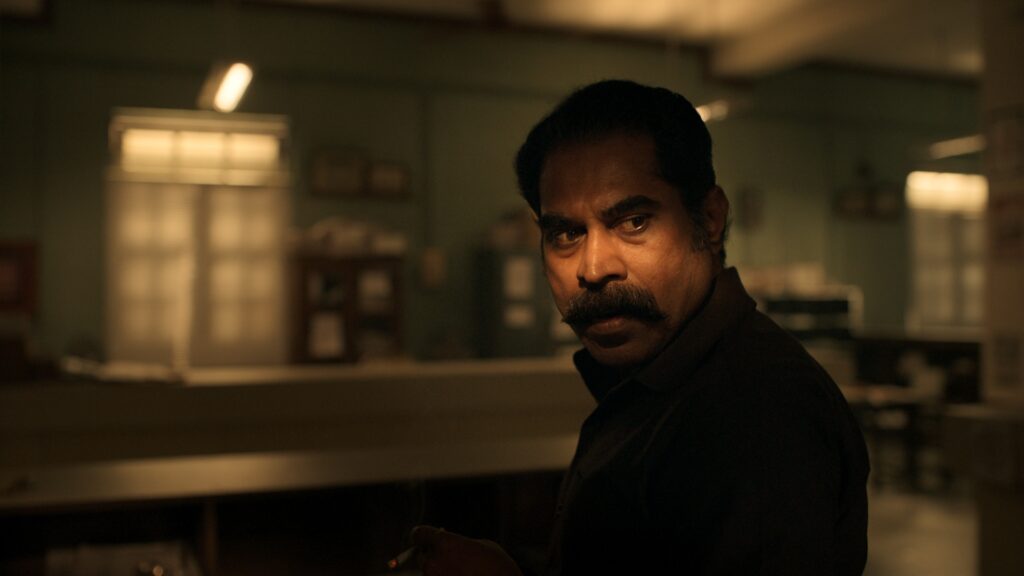
Seamless integration of shallow and deep focus
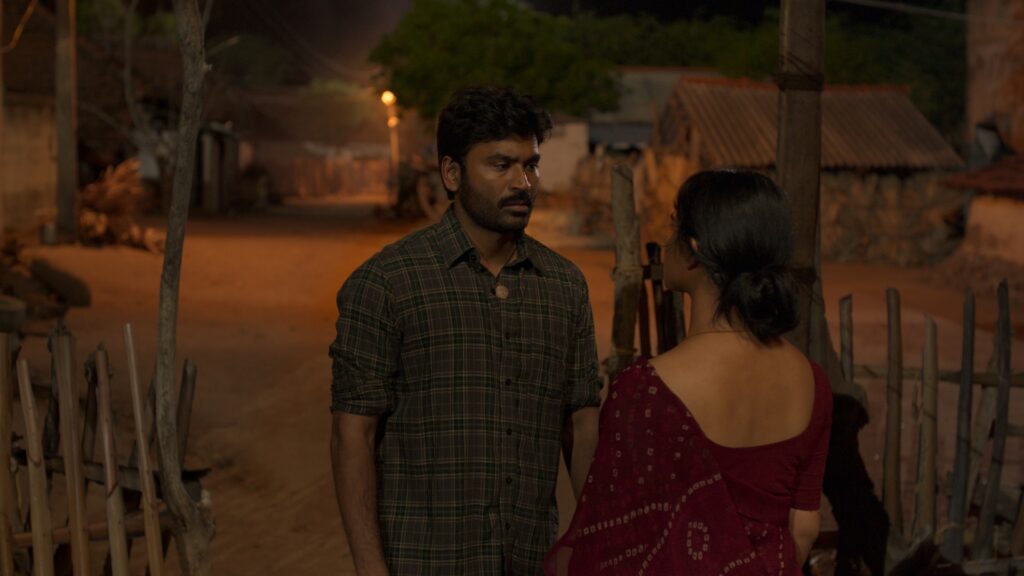
Dynamic use of aperture as emotional control
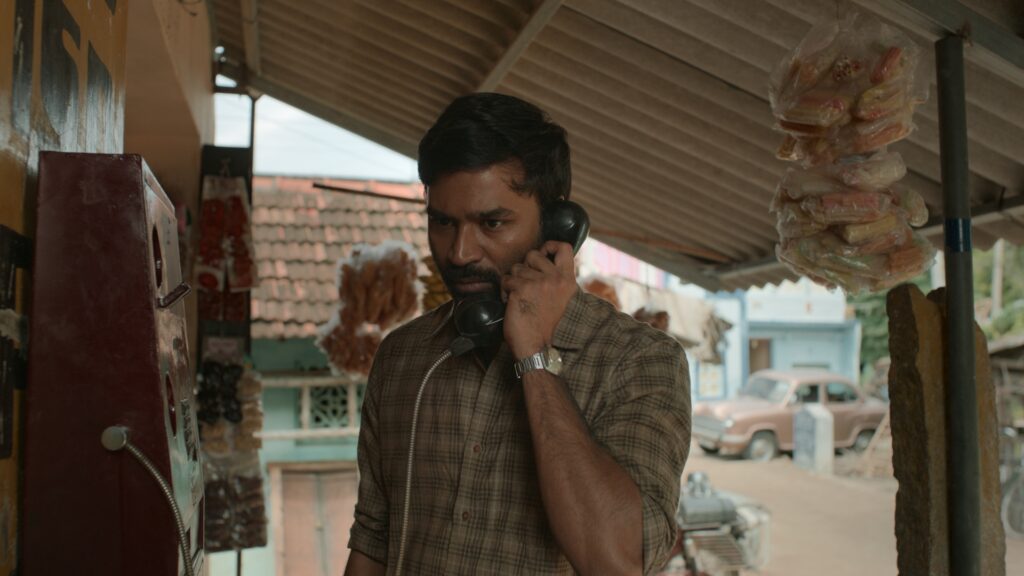
Cooke S8/i lenses shaping both texture and continuity
With Kara, Theni Eswar once again demonstrates that cinematography is not just about capturing images — it is about designing experience.
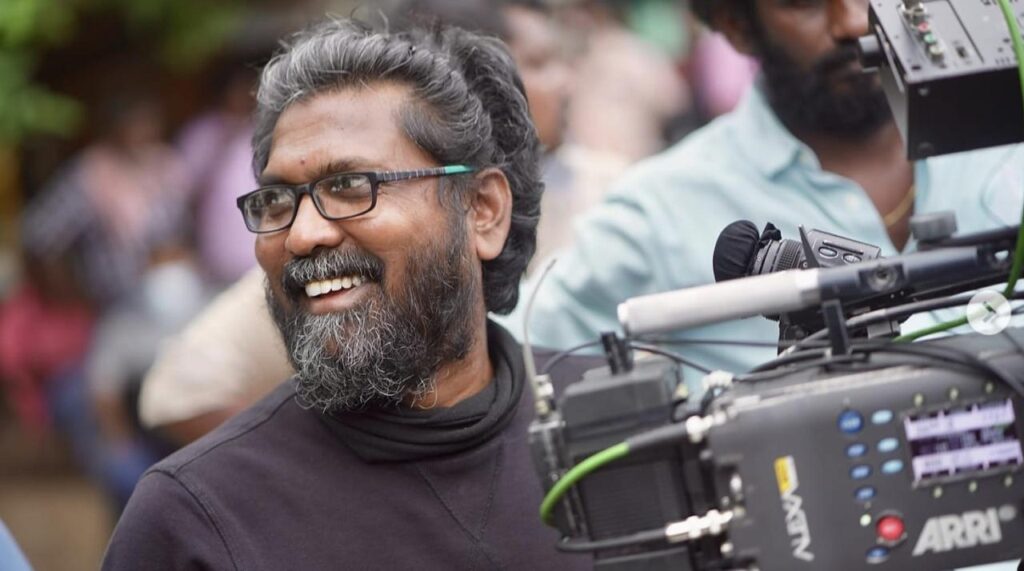
Through a careful balance of optics, light, movement, and emotion, he crafts a world that feels raw, immediate, and yet cinematically elevated.
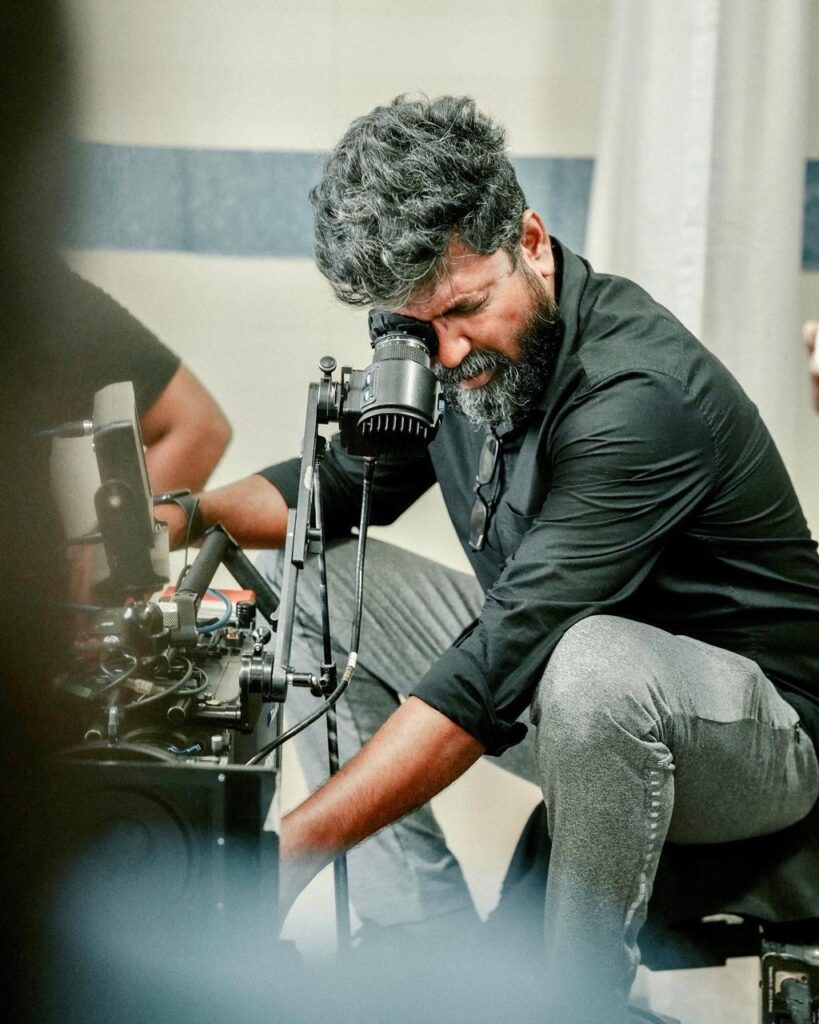
In his hands, the lens is not just a tool it is the bridge between story and sensation.
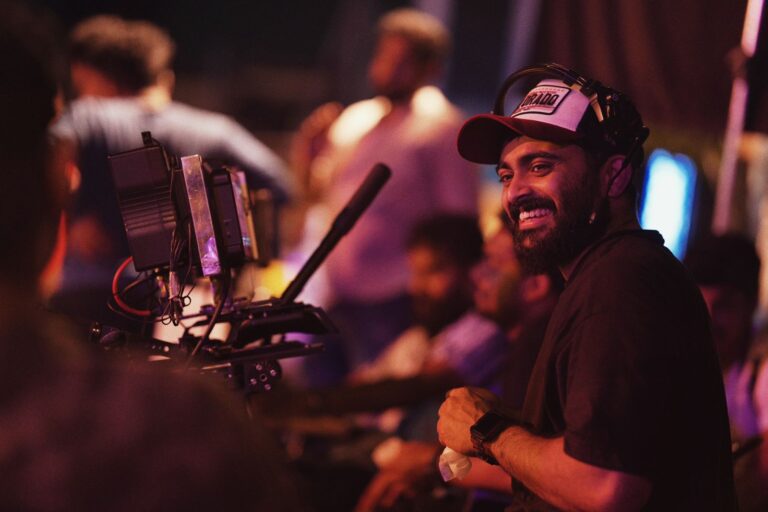
Theni Eswar | Director of Photography
Supported By: Ravi Prasad Unit