Search for lenses, articles and help
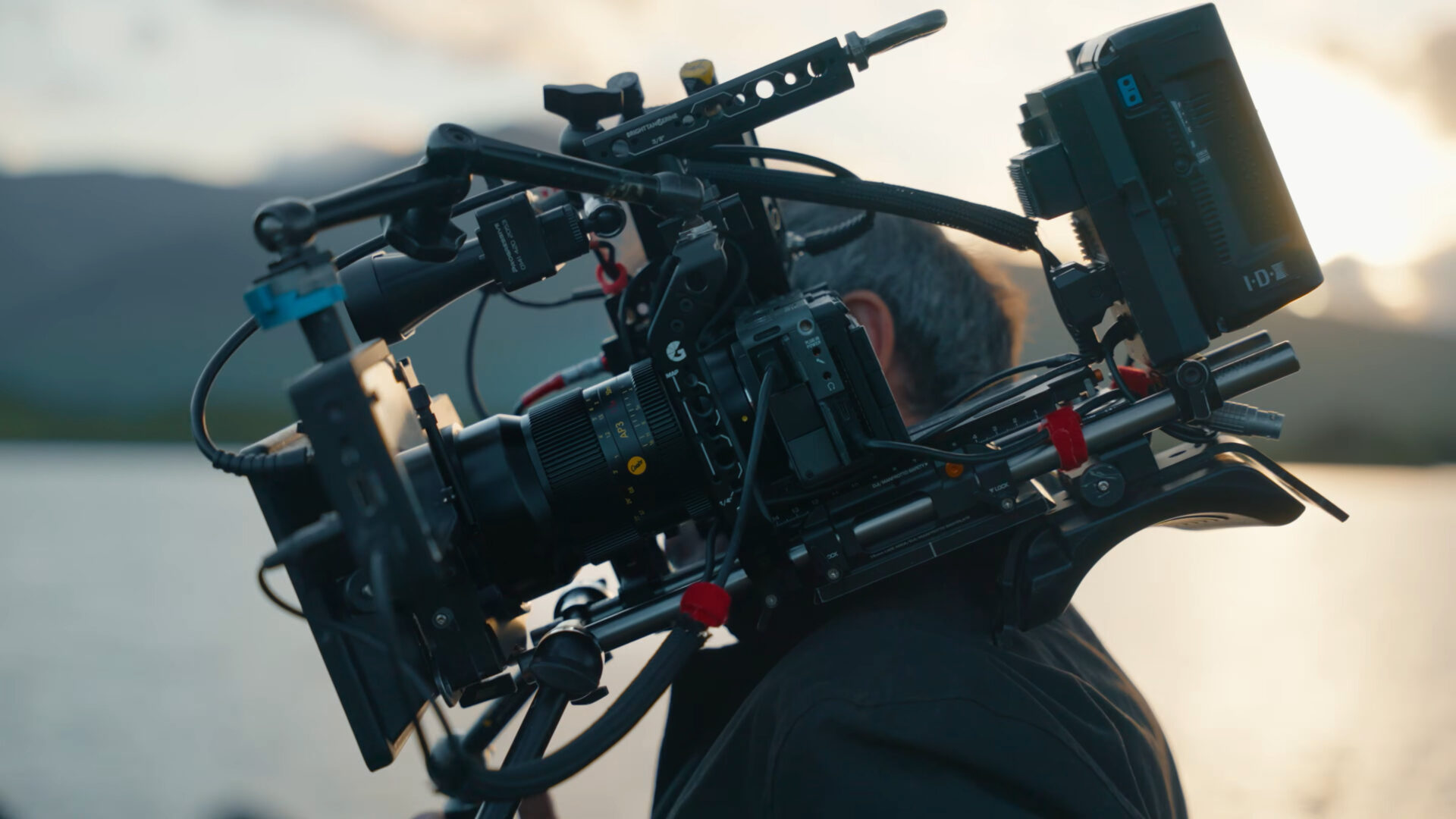
“Masha” is a heartfelt short film, commissioned by Sony to showcase its FX5 but it far exceeds the expectations one might have for a camera launch showcase. Shot with Cooke AP3 on location in the breathtaking Scottish Highlands by Ula Pontikos BSC, who co-directed with Sophie Ebrard, the mesmerising imagery depicts illustrator Masha Karpushina finding healing in nature and cold-water swimming. An earnest voiceover exemplifies Masha’s inner monologue on balancing the requirements of being a mother to two-and-a-half-year-old twins whilst keeping a sense of self and maintaining a form of freedom.
Ula Pontikos BSC is an award-winning cinematographer known for her artistic eye in telling stories with emotional resonance. Originally from the seaside town of Gdynia, Poland, Pontikos has feature credits including the psychological thriller “The Man in My Basement” and “Film Stars Don’t Die in Liverpool”. On the television side, Pontikos received both an Emmy® Award nomination and ASC Award nomination for her outstanding work on Season 2 of “Russian Doll”.
Pontikos first worked with Sophie Ebrard on a L’Oreal project, “Skin Stories”, and the two got on really well, getting to know each other during prep and the shoot. Pontikos admires Ebrard’s photography work and the way she works with people, drawing out their emotional side. So, approaching Ebrard to co-direct this Sony shoot felt like the perfect fit. On “Masha”, Ebrard led on performance, emotional direction and the edit, while Pontikos led its visual direction.
The titular subject Masha Karpushina shared mutual friends, including fellow cinematographer Anna Patarakina BSC FSF, and a cold-water swimming chat group with Pontikos so everything came together perfectly and the dream team was born.
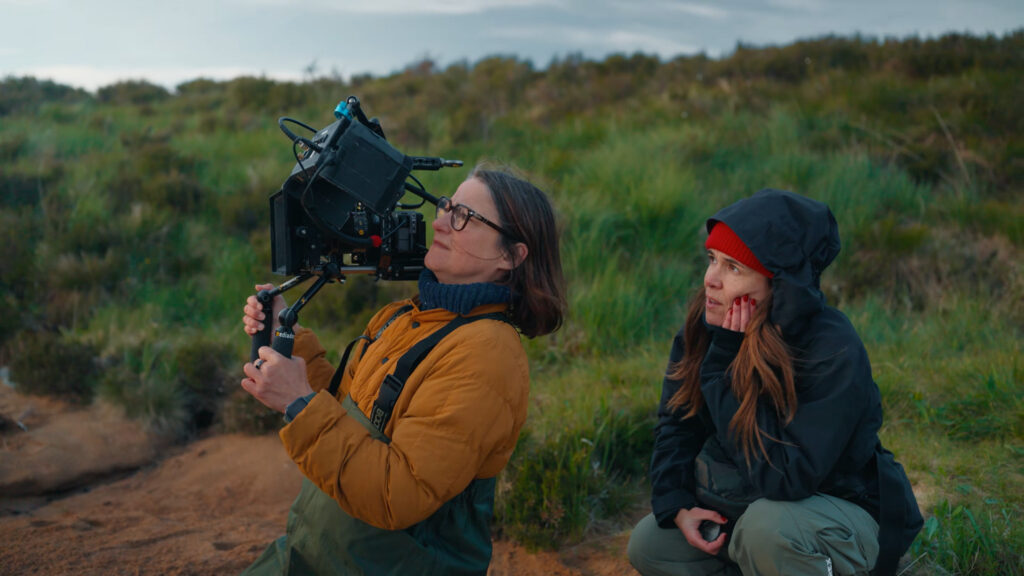
Co-directors Ula Pontikos BSC and Sophie Ebrard
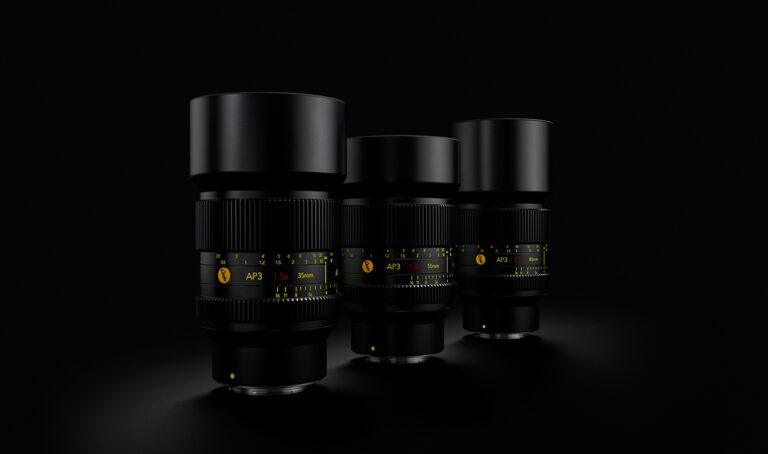
Shooting with anamorphic lenses made sense for both Sony, to showcase the 3:2 sensor mode, and also for Pontikos to capture the vistas and nature – including driving shots across the landscapes.
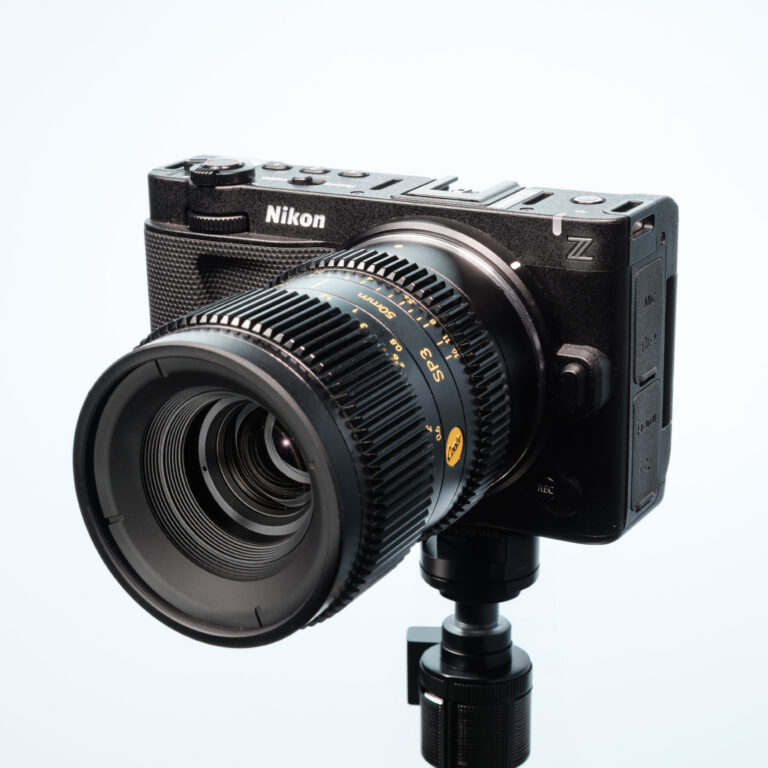
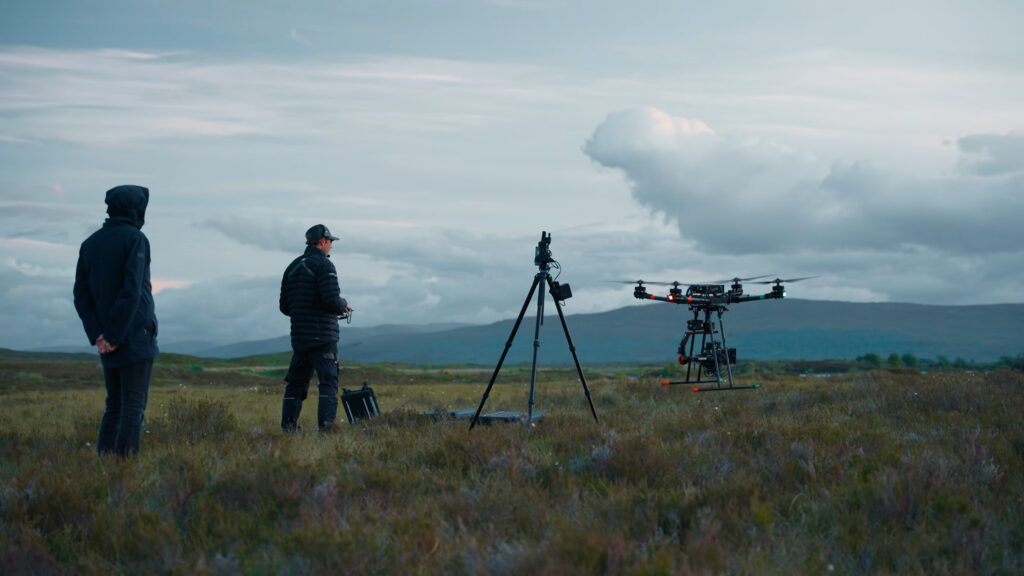
The benefit of pairing a small camera with compact anamorphic primes became especially clear with the car rig and drone work; being able to use the hero set of lenses across the setups and not have to compromise to meet drone weight requirements.
“I wanted to put the lenses on a car rig, and I wanted to fly them on a drone. A bit of a pet hate of mine — especially on TV drama — is that the moment you commit to anamorphic glasses, the drone work tends to push you onto spherical glass instead, simply because there’s so little lightweight anamorphic glass to choose from. So more often than not you shoot those aerials spherically, which gives you a different field of view and a look that no longer sits alongside the rest of the footage. When Cooke said new lenses were coming, I thought: this is perfect. We’ve never had anamorphic this light before, and being able to put a very light anamorphic on a very light camera and fly it straight on a drone is pretty exciting. I can see that setup earning its place on a lot of shoots — certainly on anything I shoot anamorphic.”
Although there are only two drone shots, these were very significant within the story to show Masha’s connection with nature and the beauty and freedom of isolation. The final drone shot of the piece was devised on the tech scout whilst witnessing a perfect sunset behind the mountains and the AP3 35mm was the perfect lens to “show the full potential of the scale and the width of the vistas. I love the little bend which they created, I find it very endearing.”
The voiceover was recorded on location and came about very organically and true to Masha’s lived experiences which the team discussed, including how cold-water swimming helped her cope with grief – something Pontikos has also found for herself in recent years. Ebrard led the recording, and her instinct for emotion helped tease out incredibly deep elements for the voiceover.
“It wasn’t scripted. It’s all real. I think we all relate to it in a way. Masha, because it’s her words, me because of my experience and Sophie, she does cold water swimming too. And she’s a mother. So we sort of made the amalgamation of this story among three women, connected through one voiceover.”
Pontikos found the AP3s to be “so light and such a joy to work with” and found amusement in such a powerful anamorphic lens clicking into a camera via E-mount, when she was used to needing PL mount anamorphics to achieve this sort of character.
“They were beautiful. The wide has a slight curvature, but I really didn’t mind it. I think they’re really lightweight. You can do a lot with them. They’re very good with close focus and it’s a very beautiful lens flare.”
Scotland is known for its ever-changing weather that can flip completely even within minutes and the team embraced this evolution working in harmony with nature rather than against it. Some of the scout had been in sunshine and Pontikos had hoped for less clean, more atmospheric conditions. Producer Russell McLean was quick to offer reassurances that the weather would likely be completely different by the time the shoot came about.
“So it was a matter of structuring the day and hitting it for the light and for the idea. I always knew I wanted dusk — that sense of being with oneself at the end of the day, the beginnings of the day, and the sunset at the best time.”
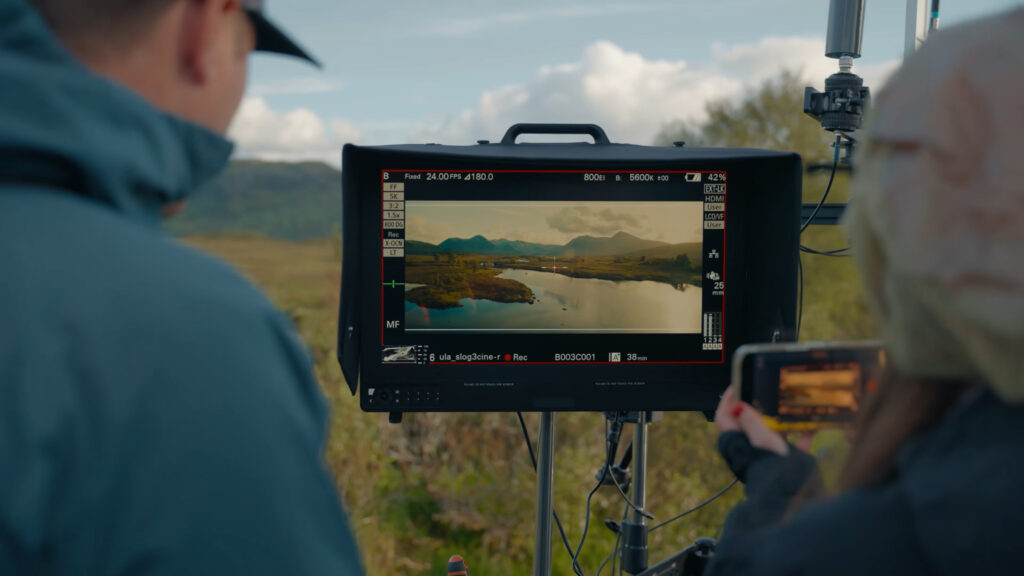
The shoot only used natural light, even when the cameras were rigged on the car, and the AP3s along with the FX5 supported the contrasty environments by offering gentle highlight roll-off. Remote iris handsets and wireless video fed to a follow vehicle where Pontikos could adjust the iris from afar and ND was used as required in front of the lens.
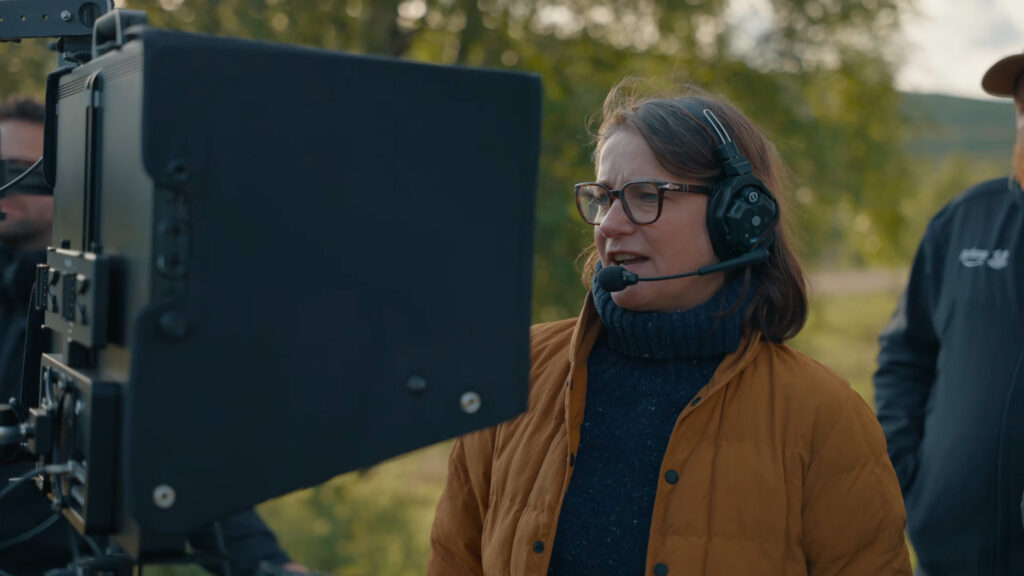
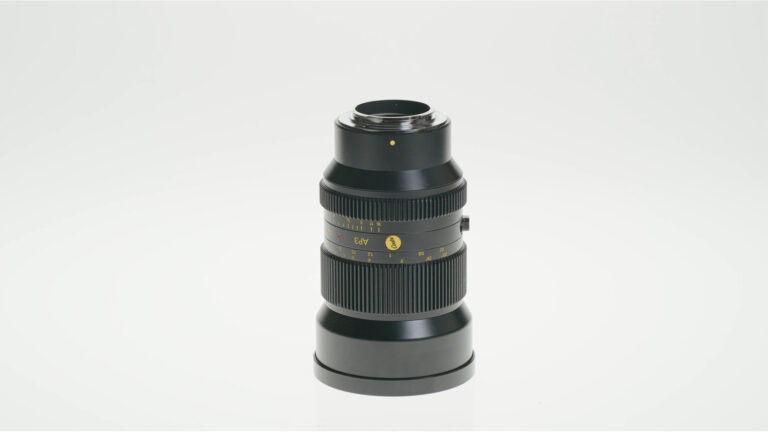
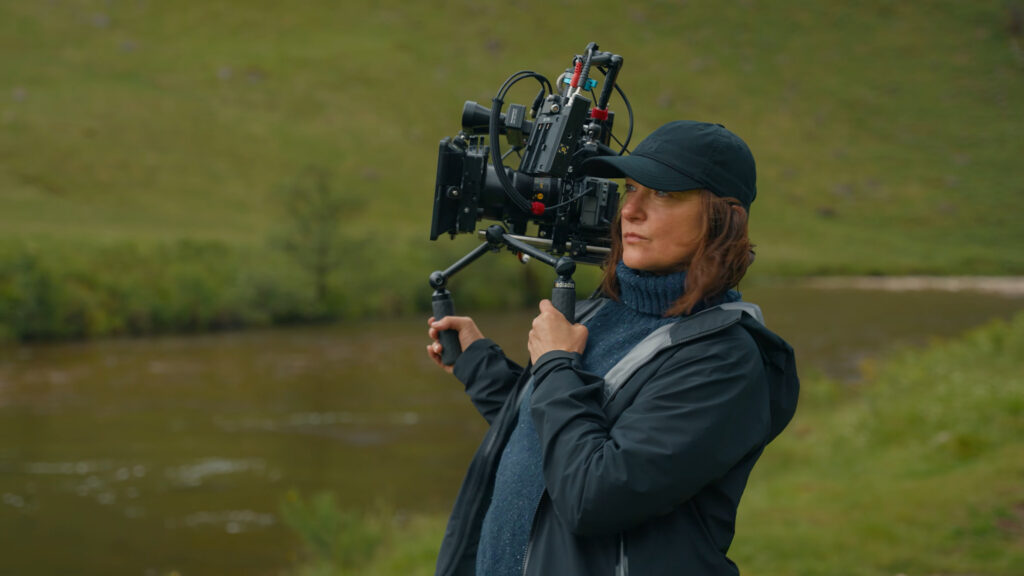
Local camera crew Sefa Ucbas and Lara Abrami got on well with the AP3s and were able to build out the camera as required for drone, easyrig, handheld and car rigs – making use of the AP3s’ industry-standard 0.8 MOD focus and iris drive gears. The car rigging was handled by grips Fric López Verdeguer and Kristóf Keszthelyi, whose work made the driving shots possible. The drone focus puller was Nick Thursby. Simon Vickery served as B Camera Operator and also shot some beautiful splinter unit shots that were captured in the twilight hours on the brink of daylight.
Pontikos praises editors Oscar Julis Marmelstein and Dylan Connor Haigh for honing the pacing and voiceover integration. For the colour grade, Pontikos had worked with Greg Fisher of Company 3 previously on “Russian Doll” and “Free Women” and they worked together again for “Masha”.
“The way I always work with Greg is I try to get a LUT from him early on, and it’s always so beautiful. When the drone team came on, they were all complimenting it — it just looks stunning. Greg builds the LUT and then grades again from scratch, but the LUT is the beginning.”
Ultimately Pontikos aimed “…to make a story I could actually relate to, that women my age could relate to. There’s no point getting all this kit and this money together and then not doing something I care about. So I wanted to make something meaningful — to me, and to Sophie and Masha as well.”
She definitely succeeded.
We will be seeing more of Ula Pontikos BSC’s work soon on the highly anticipated Prime Video series “Blade Runner 2099” starring Michelle Yeoh and Hunter Schafer, which is set to premiere on the platform in November this year.