Search for lenses, articles and help
YouTube Link of Series:
Kaarigari Episode 1: The Art of Bhuj Extra Weft Weaving | Handloom Heritage India
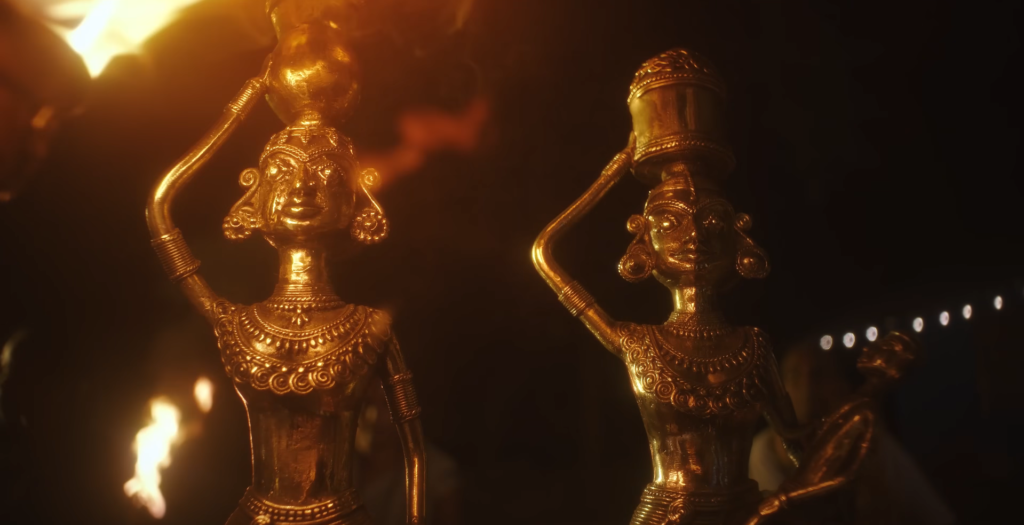
Kaarigari – Episode 2: The Art of Dokra | Bastar, Chhattisgarh
Kaarigari Episode 3 | Timeless Legacy of Kosala Silk | Champa, Chhattisgarh
Kaarigari Episode 4: The Art of Gadwal Weaving | Telangana
Craftsmanship is often defined by patience, precision and generations of knowledge. But when craft becomes the subject of a film, how do you translate that tactile, lived experience into cinema?
For Kaarigari, Aditya Birla Group’s four-part micro-documentary series, the answer lies not only in what is being made, but in the people, places and processes behind it.
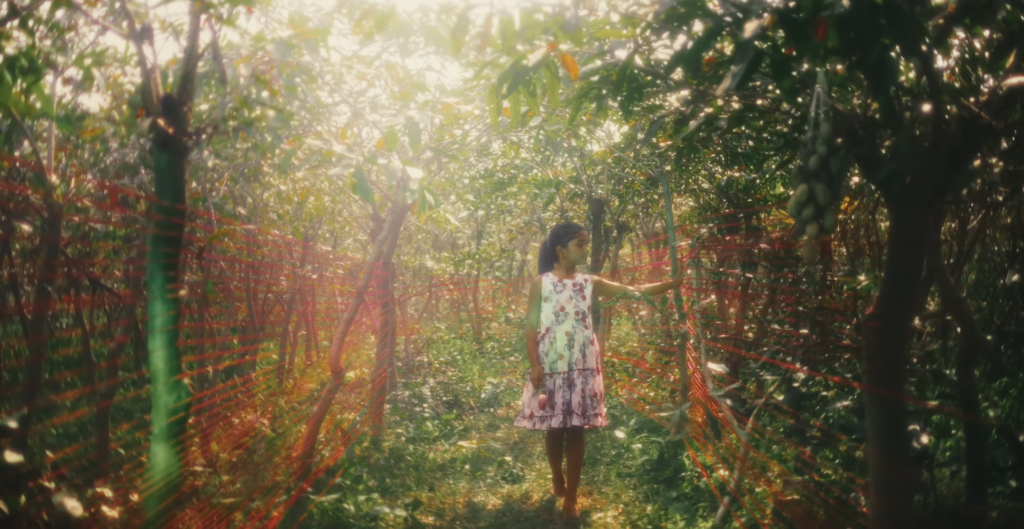
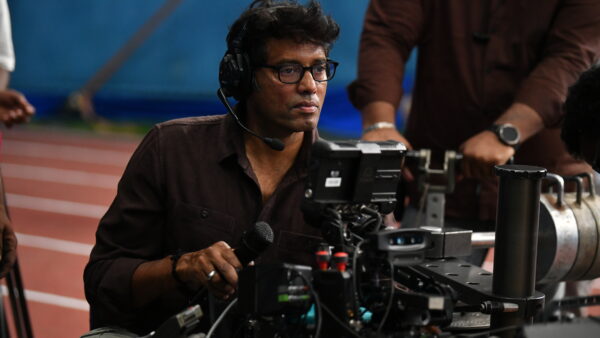
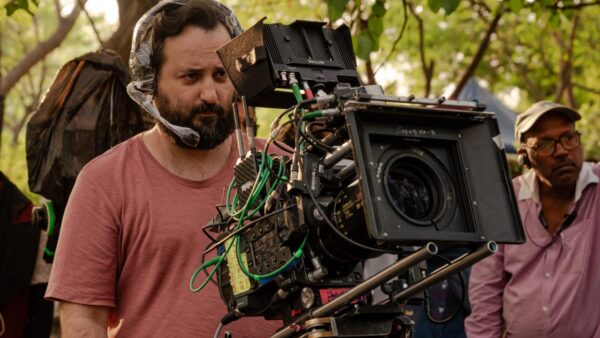
Travelling across Gujarat, Chhattisgarh and Telangana, the series explores Bhuj Extra Weft Weaving, Bastar’s Dokra craft, Kosa silk and Gadwal weaving. But rather than treating these traditions as subjects to simply be documented, director Himanshi Handa and DoP Shelly Sharma wanted to create an experience that brought audiences closer to the world of the artisans.
The camera looks at the hands that make, the tools that shape, the textures that emerge and the environments in which these traditions continue to live. In doing so, Kaarigari becomes as much about the people carrying these crafts forward as it is about the crafts themselves.
What makes Kaarigari distinctive is that it doesn’t try to fit neatly into one category.
It is a documentary, but it also borrows from cinematic portraiture, visual storytelling and, at moments, the language of a music video.
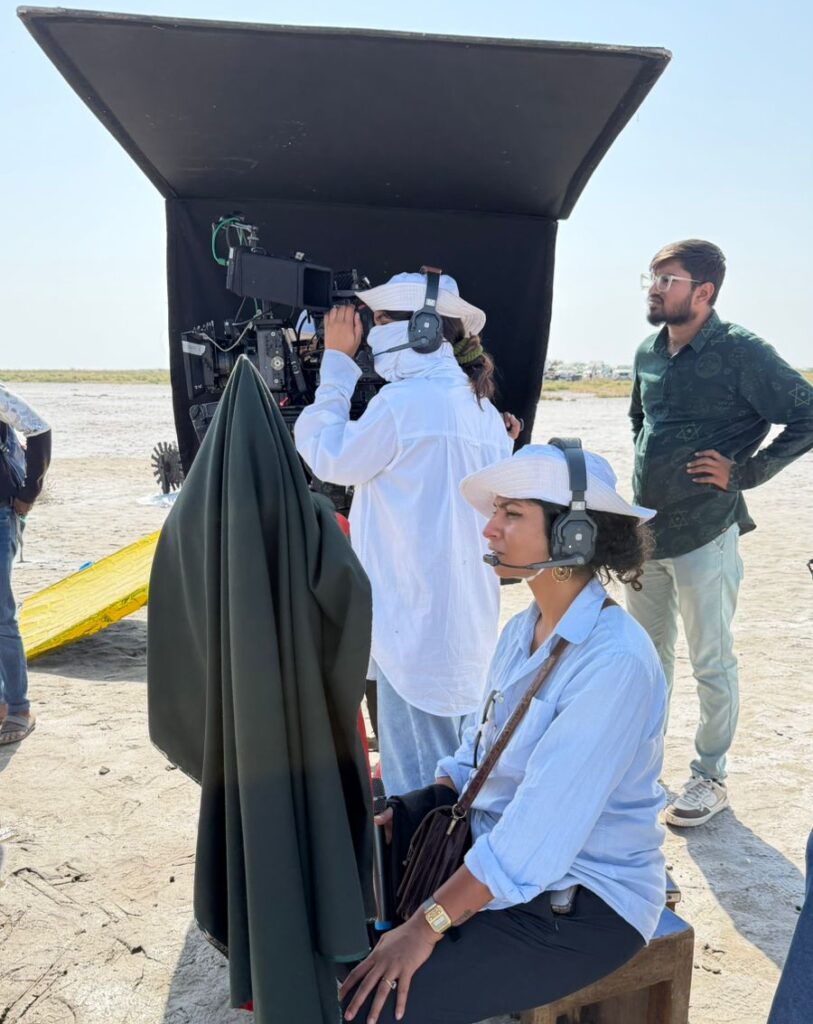
Himanshi & DoP Shelly describes it as a “fantasy documentary.”
That approach gave the filmmakers freedom to present traditional crafts without making the films feel like historical records. The traditions are centuries old, but the people practicing them are very much part of the present.
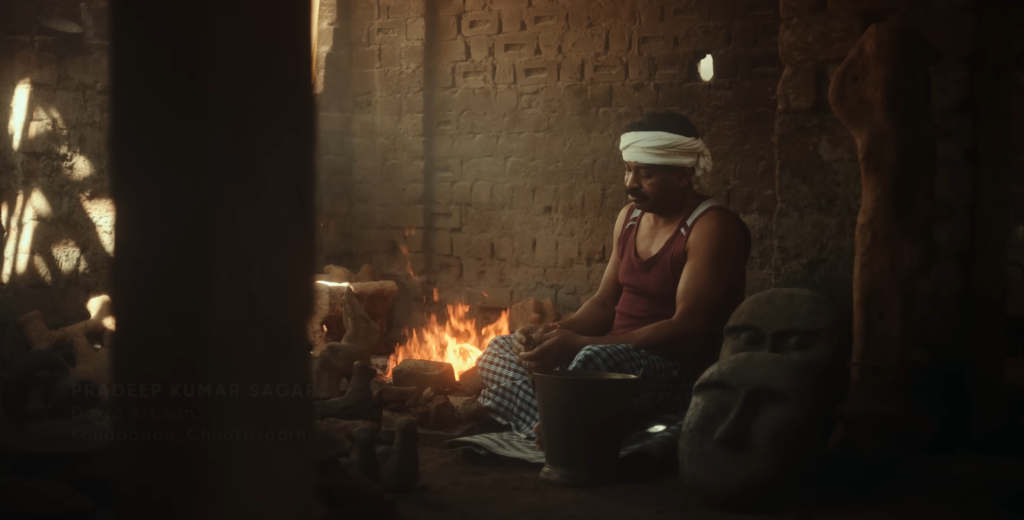
The artisans are not presented simply as symbols of heritage or as representatives of a disappearing tradition. They are given personality, ambition and agency.
The result is a portrait of craft that is also a portrait of people.
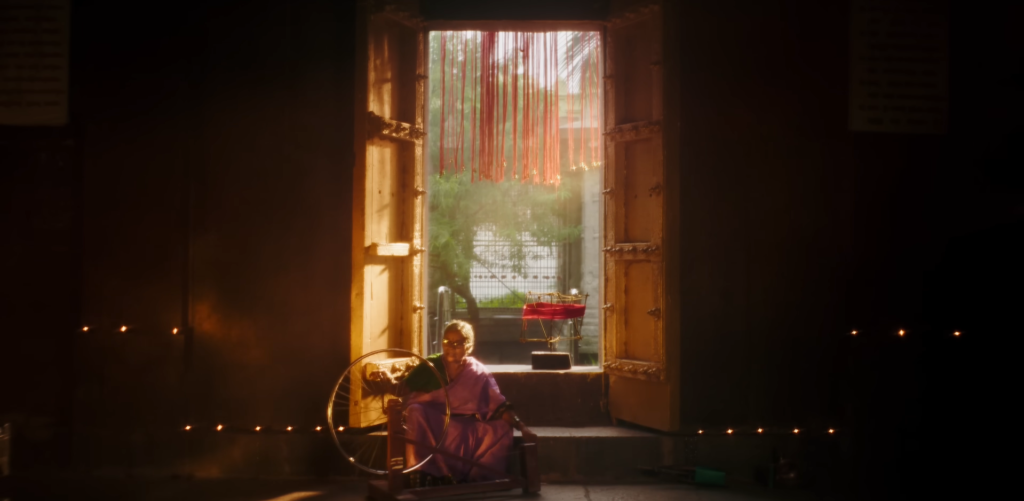
For Himanshi, the process began with observation. The smallest details could become important visual moments: a hand moving through a loom, thread passing between fingers, molten metal taking shape, sunlight entering a workshop or a child watching an elder work.
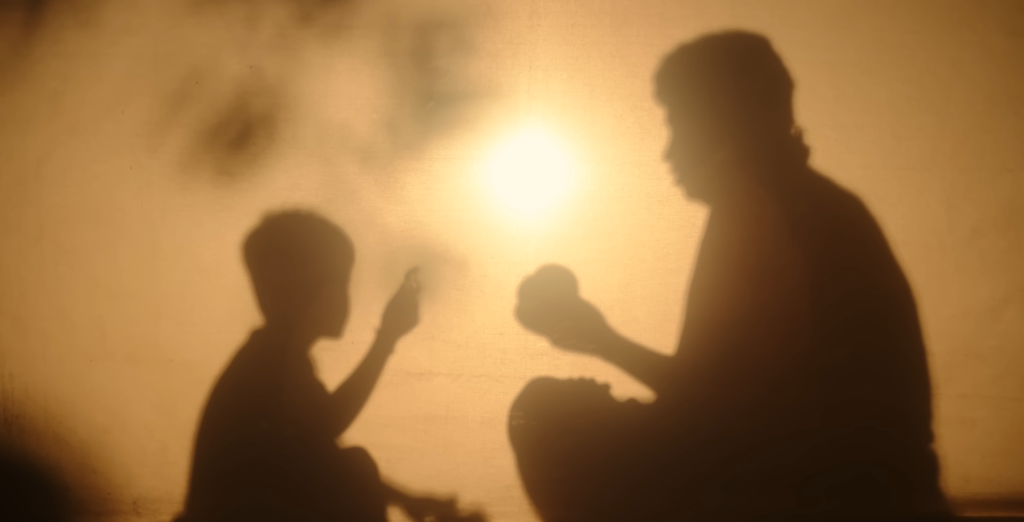

These weren’t simply inserts or B-roll. They were part of the narrative. “We wanted people to experience the place and the people,” says Himanshi. That meant allowing the artisans to remain exactly what they were: artisans, not performers.
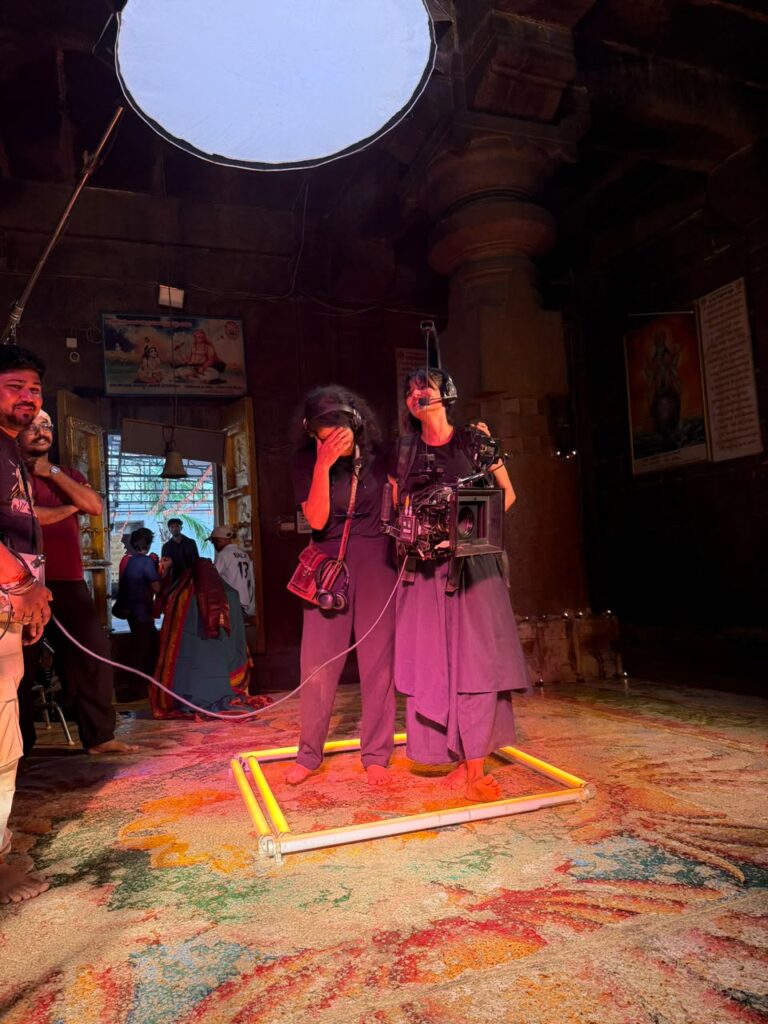
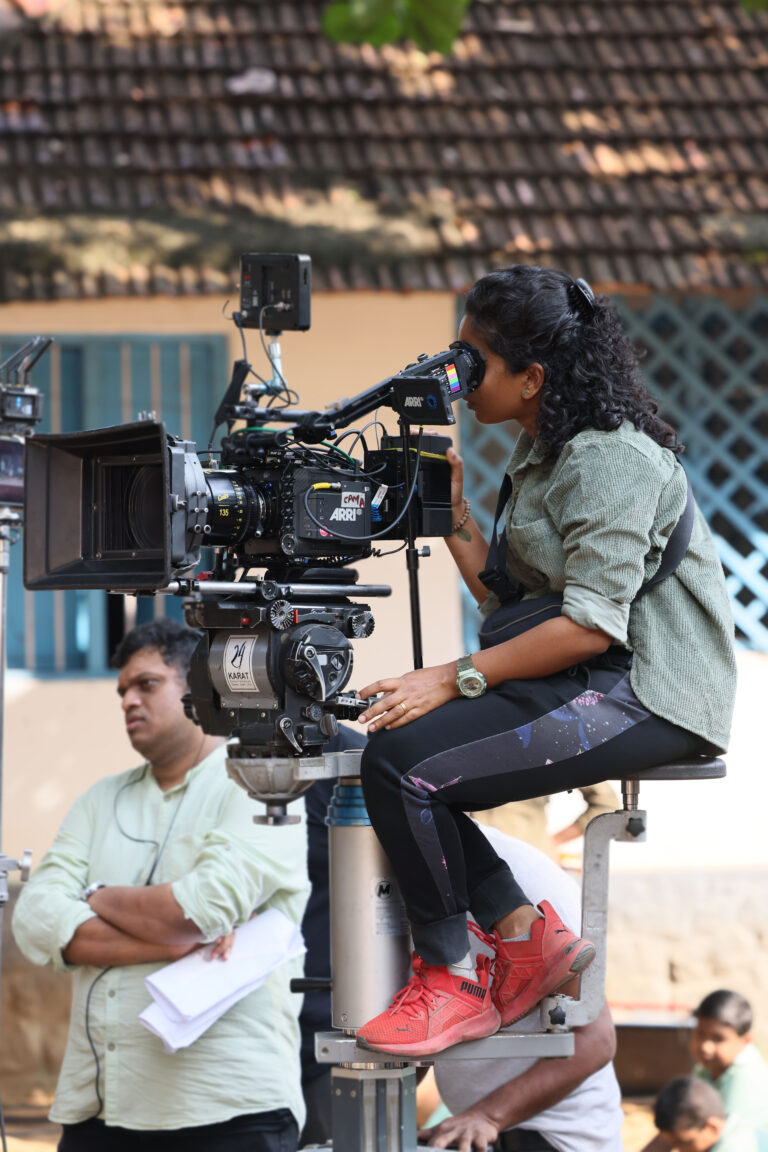
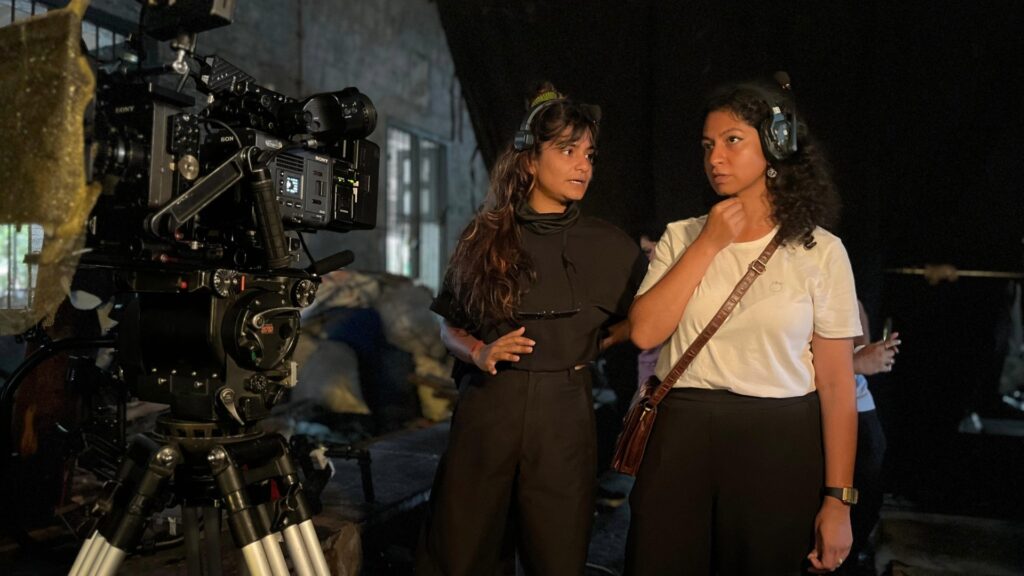
“The idea was to become a part of their surroundings, to blend in so seamlessly that the camera no longer felt like an intruder. We’d set up our lights and sometimes move far away, giving them the time and space to settle in. Once we felt things had returned to their natural rhythm, we’d gradually begin filming. The idea was to simply catch their rhythm, move alongside them, and observe everything from Shelly’s point of view.”
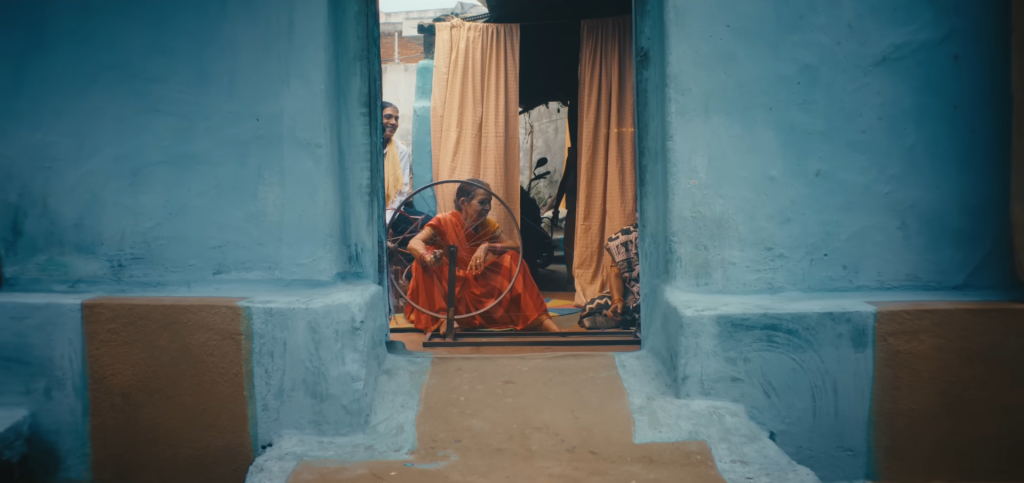
That authenticity gave the filmmakers room to observe rather than manufacture moments. Once the artisans began working, the camera could become part of the environment without disrupting it.
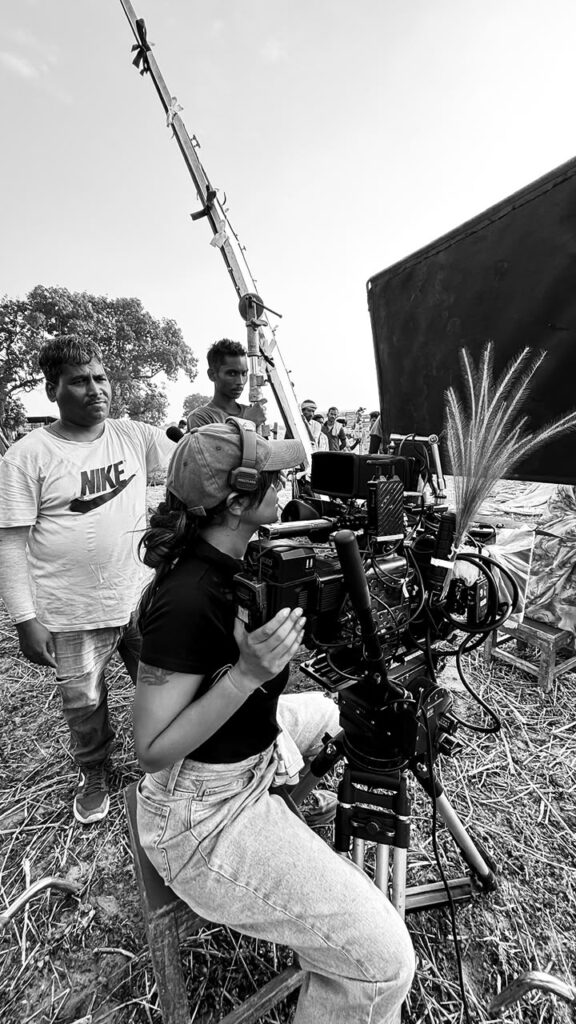
The approach also helped the films avoid a familiar documentary structure. Instead of relying entirely on interviews and explanatory footage, Kaarigari uses atmosphere, movement, texture and light to communicate the experience of the craft.
Visually, the films occupy an interesting space between documentary and fantasy space.
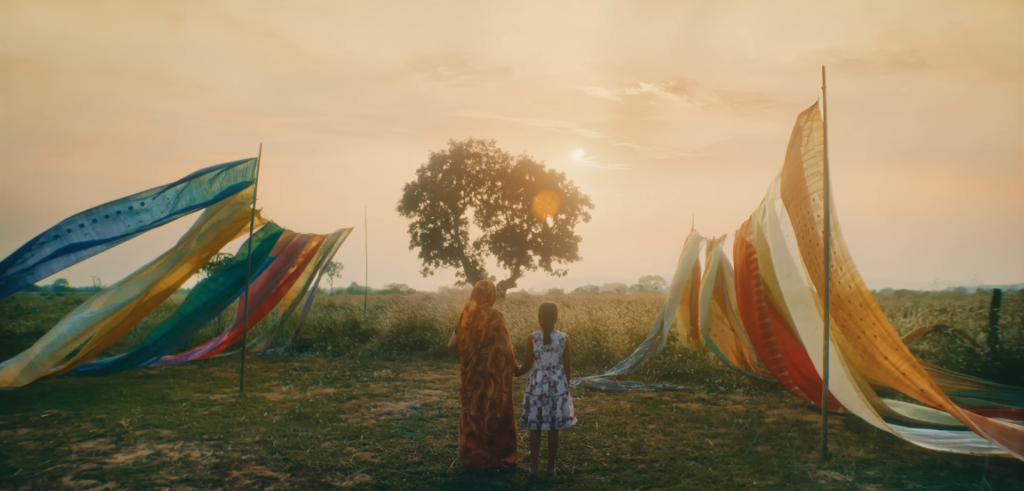
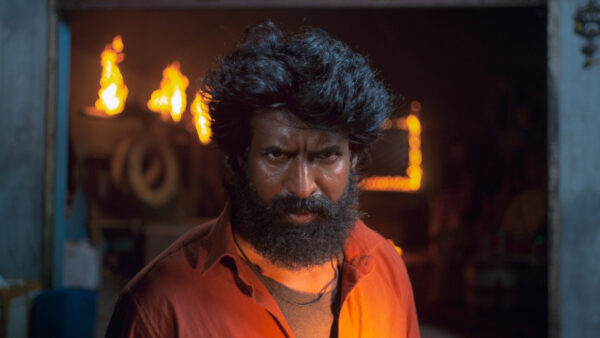
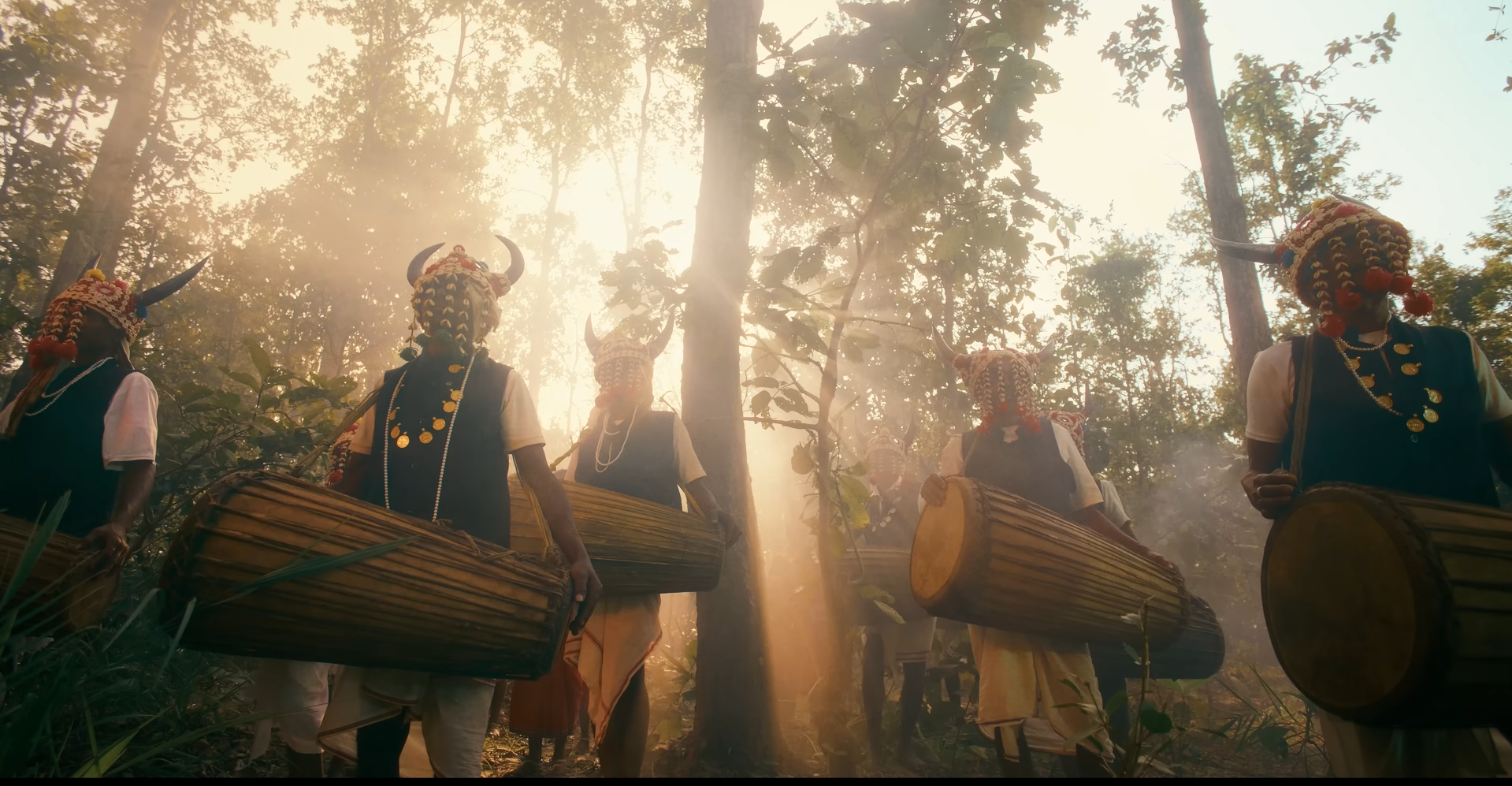
Himanshi describes the approach as moving between cinematic reality and the surreal. The world on screen remains completely real, but the filmmakers allow themselves to interpret it through colour, texture, movement and light.
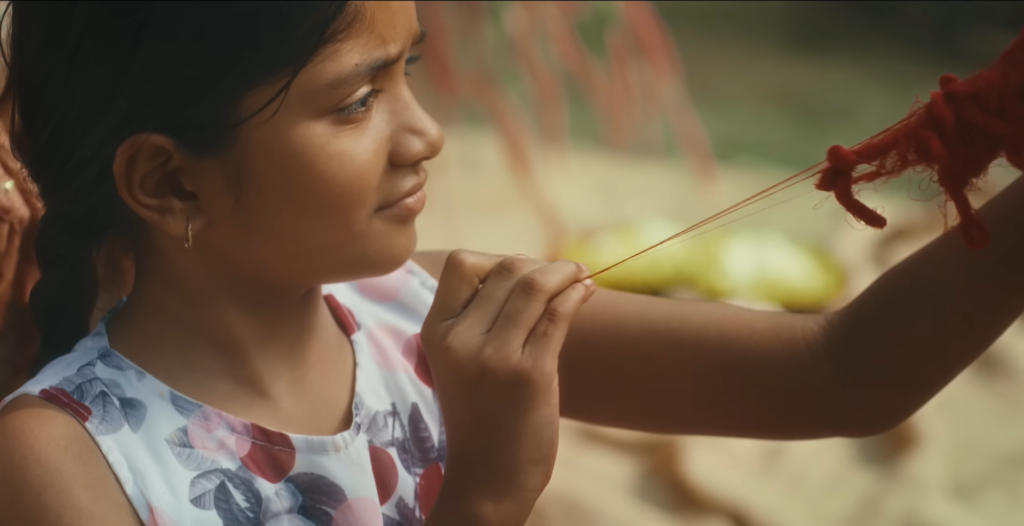
A centuries-old craft can sit alongside the children who may carry it into the future. A workshop becomes more than a location. A thread becomes more than an object.
But documentary filmmaking rarely follows the image you imagined before arriving.
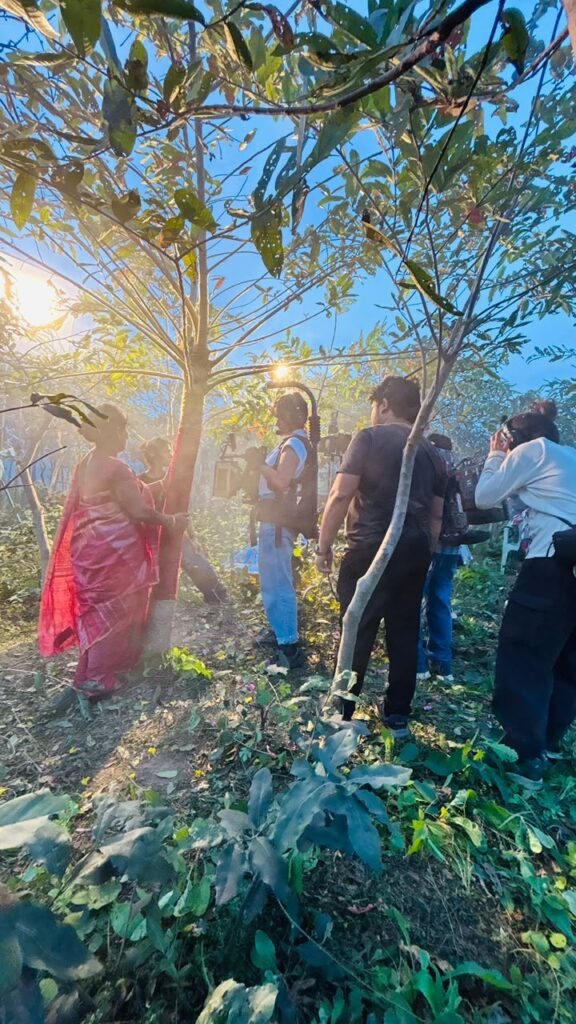
“You reach that place and the situation is completely different from what you imagined,” Himanshi says.
For the team, that unpredictability became part of the process. Rather than forcing a pre-planned image, they looked for another way to arrive at the same emotional idea.
That required trust, particularly between the director and cinematographer.
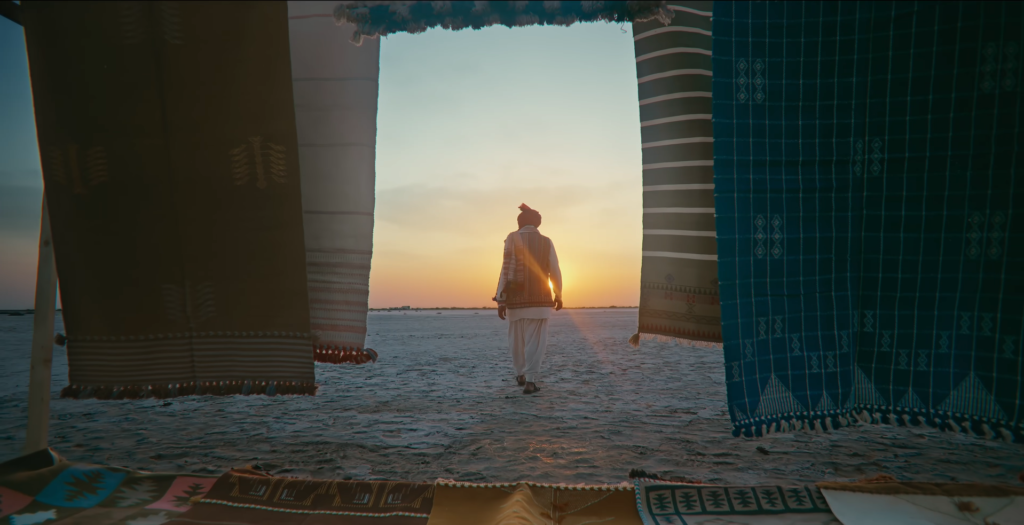
The production moved quickly. Individual films were shot in roughly one and a half to two and a half days, with the project completed in around 12–14 shooting days, excluding travel.
There was little time to wait for the perfect conditions.
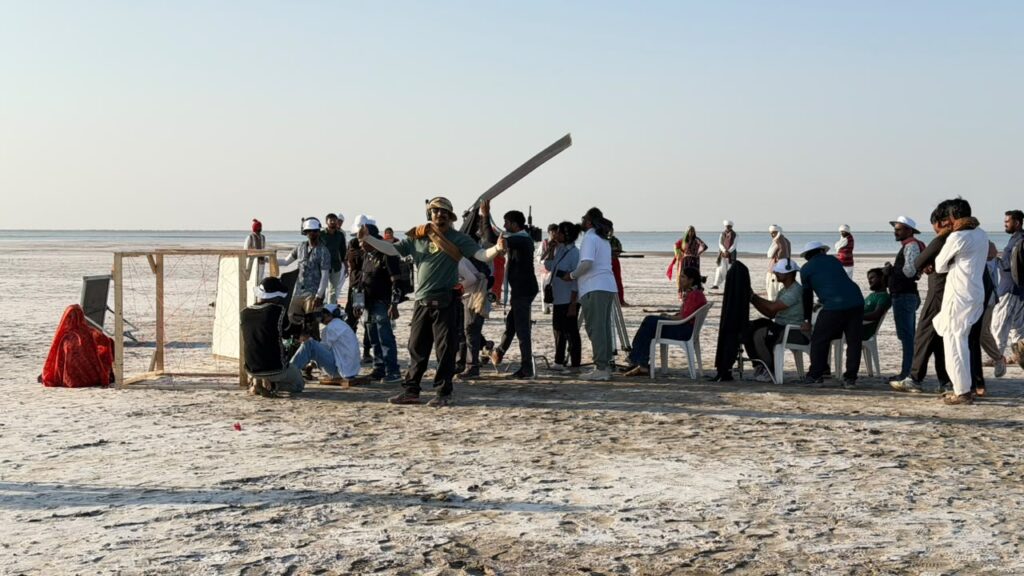
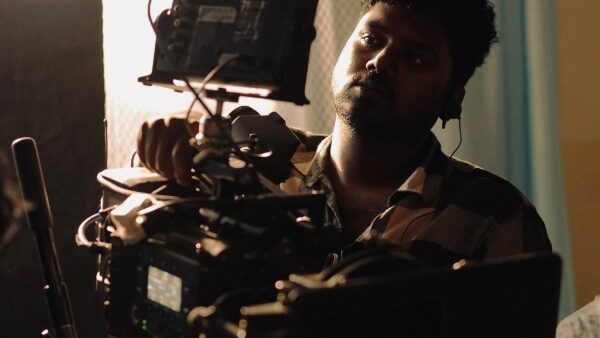
Shelly’s response was to keep the camera flexible. Handheld movement allowed her to stay close to the artisans and react to what was happening around her, while natural light formed the foundation of the imagery.
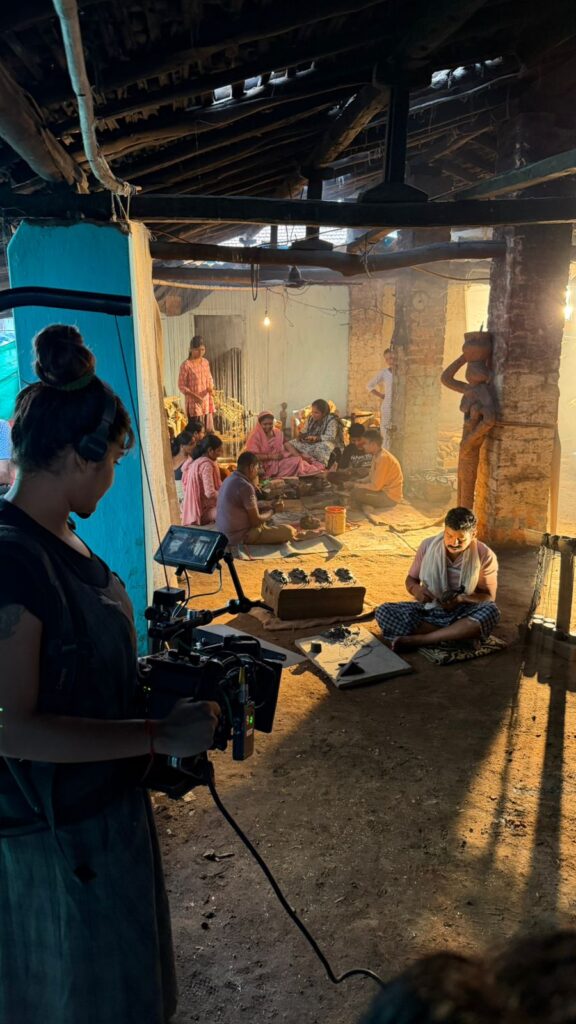
Shaping and creating cinematic molding to natural light was the approach while filming real life characters and when we enter their fantasy spaces, I chose to bring in cine lights to create a clear distinction in the mood and feeling an image would evoke
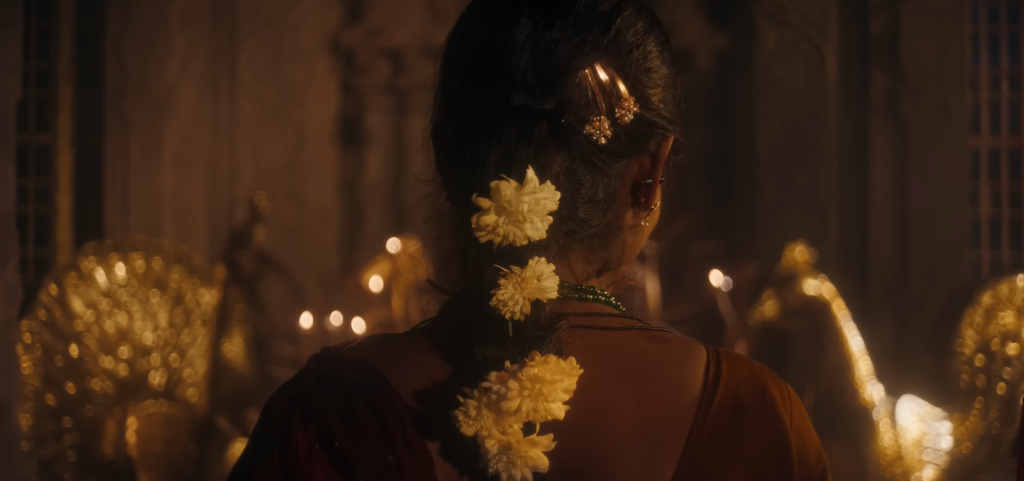
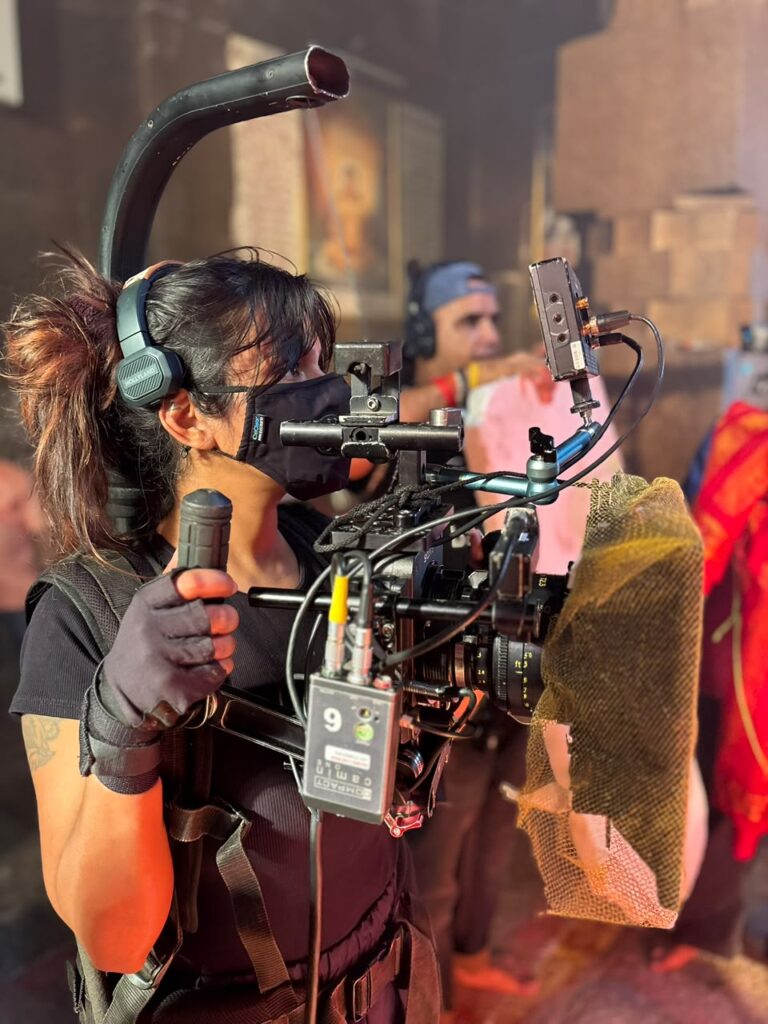
Himanshi recalls moments when a location seemed to have limited possibilities, only for Shelly to find another way into it.
Sometimes her answer was simply:
“Give me ten minutes.” A little more time to look. A different angle. A change in perspective. And suddenly, the location had another image to offer.
That ability to keep searching became an important part of their collaboration.
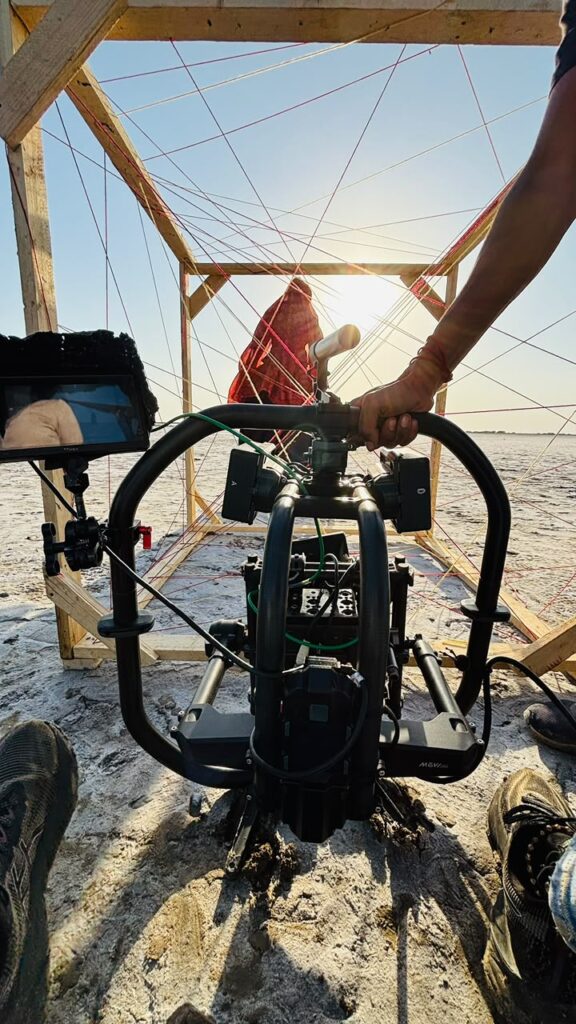
The demanding schedule also made the strength of the crew particularly important. Production manager Tanisha Goswami played an integral role in keeping the production moving, responding to changing requirements on location and managing last-minute needs with remarkable efficiency. With very little time for preparation, her ability to adapt and find practical solutions helped the team maintain the creative vision without losing momentum.
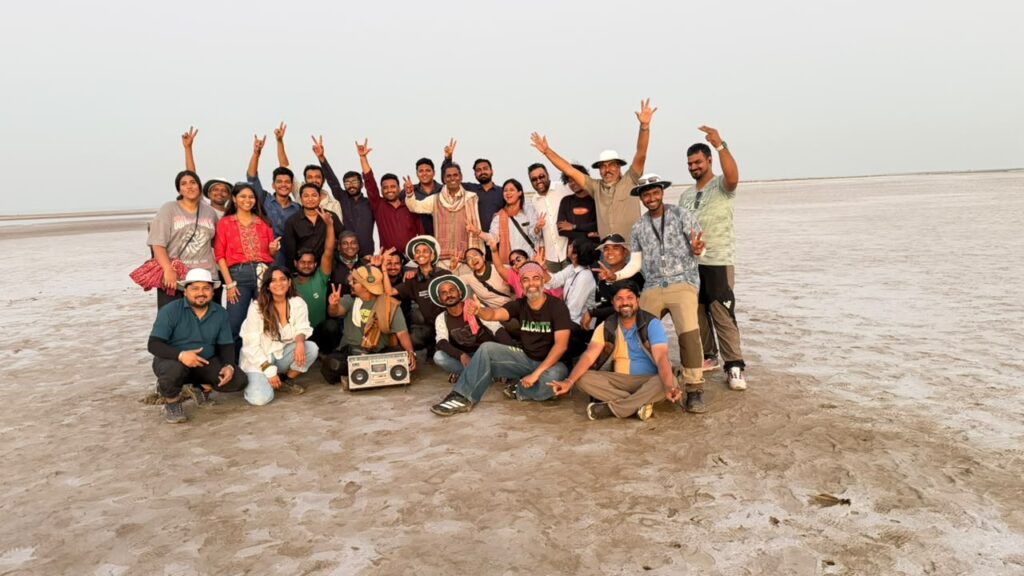
Some of the most striking moments in Kaarigari come from details that might otherwise go unnoticed.
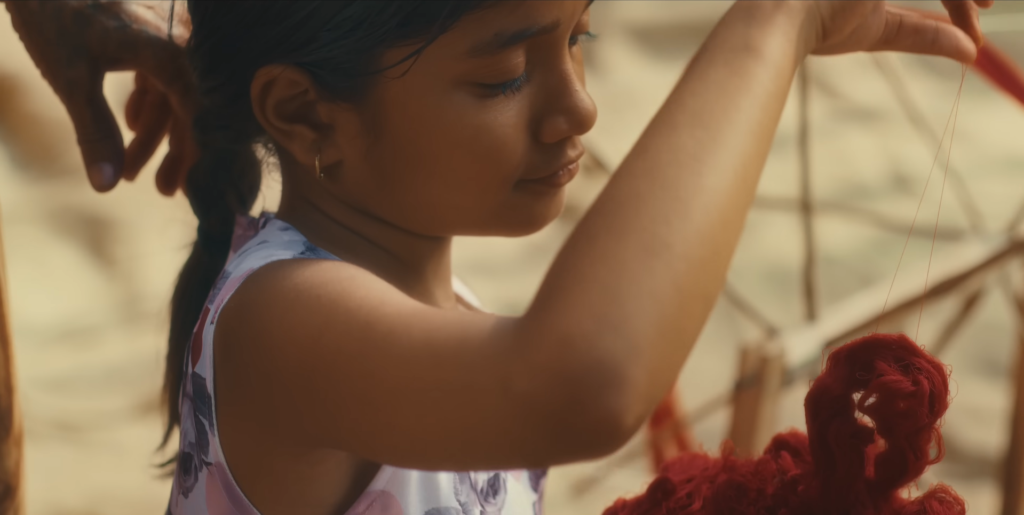
The texture of thread. The movement of a tool. The glow of a flame. The surface of metal. The rhythm of a hand working.
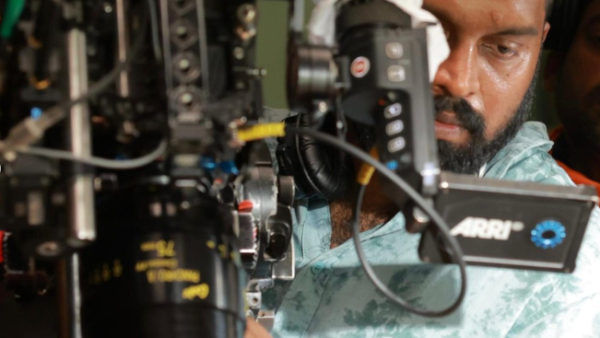
Shelly used macro and close-focus imagery to bring these details into a different visual scale, revealing textures that the human eye might not experience in quite the same way.
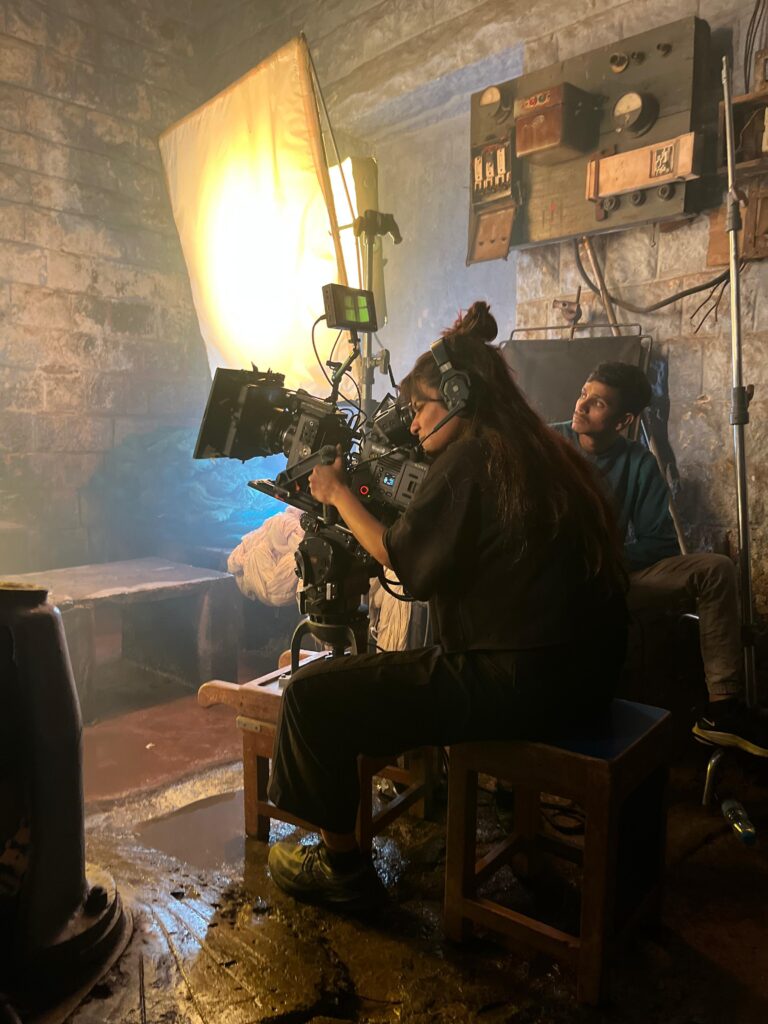
For a project built around craftsmanship, this attention to detail became particularly meaningful. The audience isn’t only shown what the artisan has created. They are brought closer to the physical process of creating it.
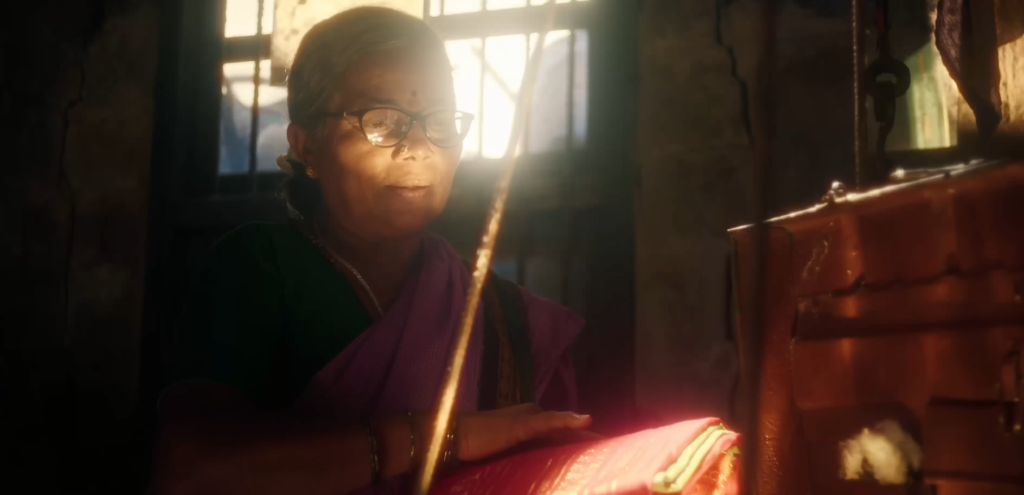
And sometimes the most memorable images were the ones that couldn’t have been planned.
A particular quality of light. An unexpected colour combination. A moment that appeared for only a few seconds.
That same attention to texture and atmosphere informed Shelly’s lens choice.
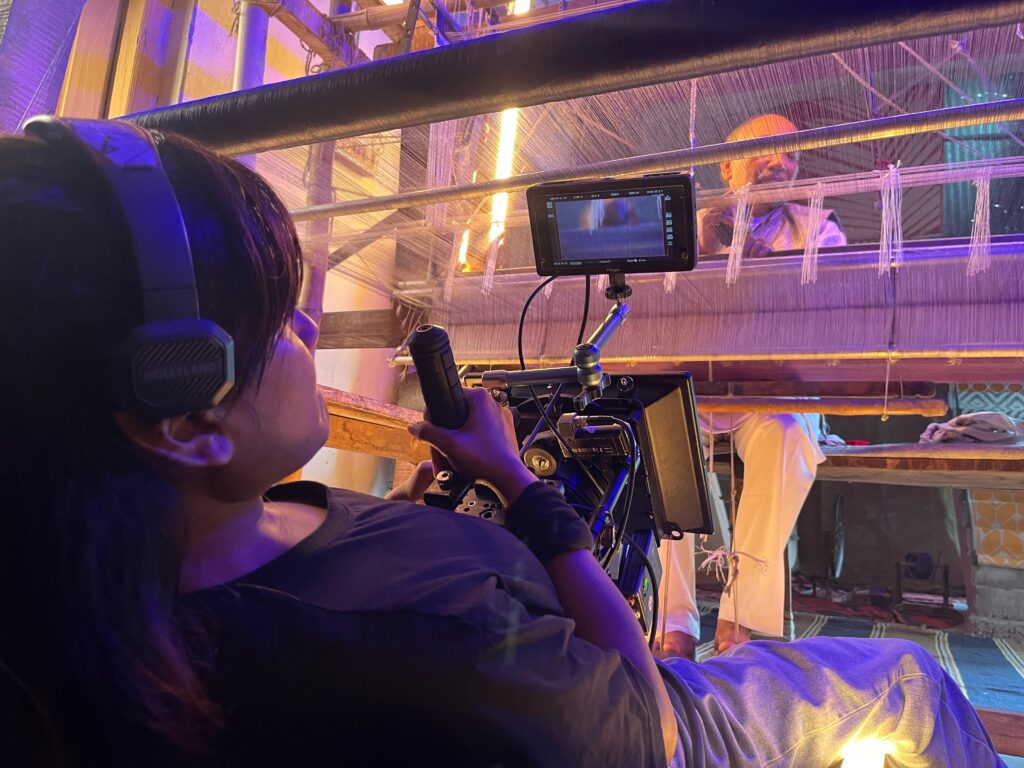
For Kaarigari, she turned to Cooke Panchro. The decision was not simply about technical performance. It was about character.
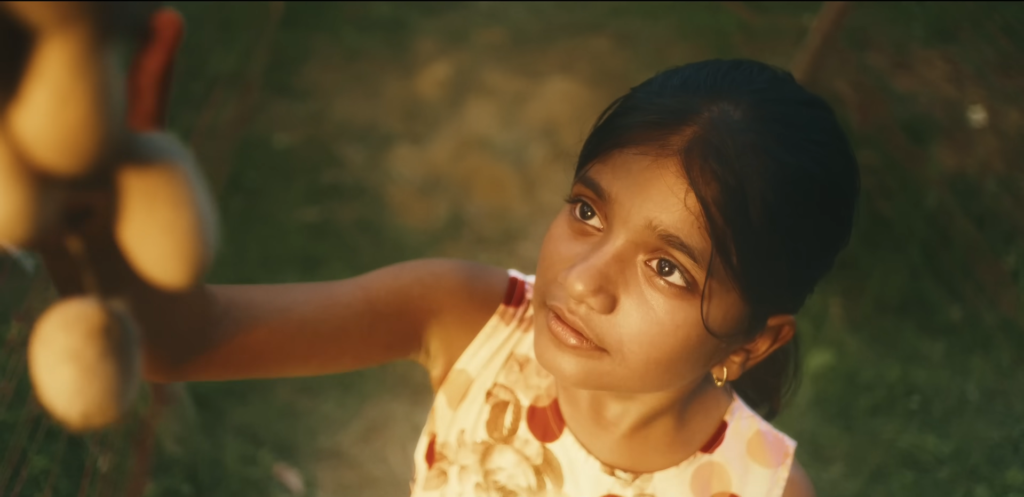
“Wide open, Panchro has this beautiful characteristic where it feels like everything is coming from the centre and moving outward,” Shelly explains. “It has a very vintage, soft subtle dreamlike quality.”
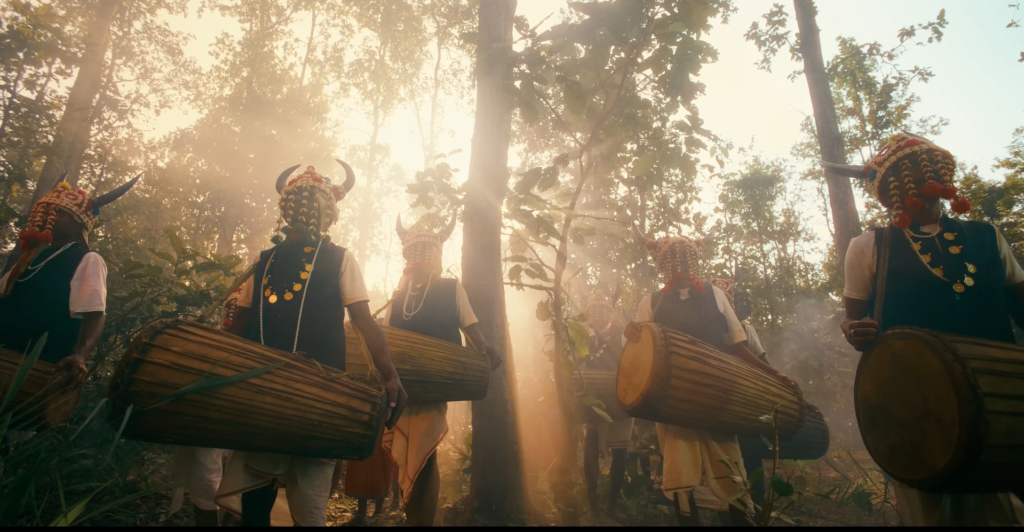
That quality worked particularly well for a project constantly moving between reality and imagination.
Wide open, Panchro could introduce softness and atmosphere. Stopped down, it could become more natural and grounded.
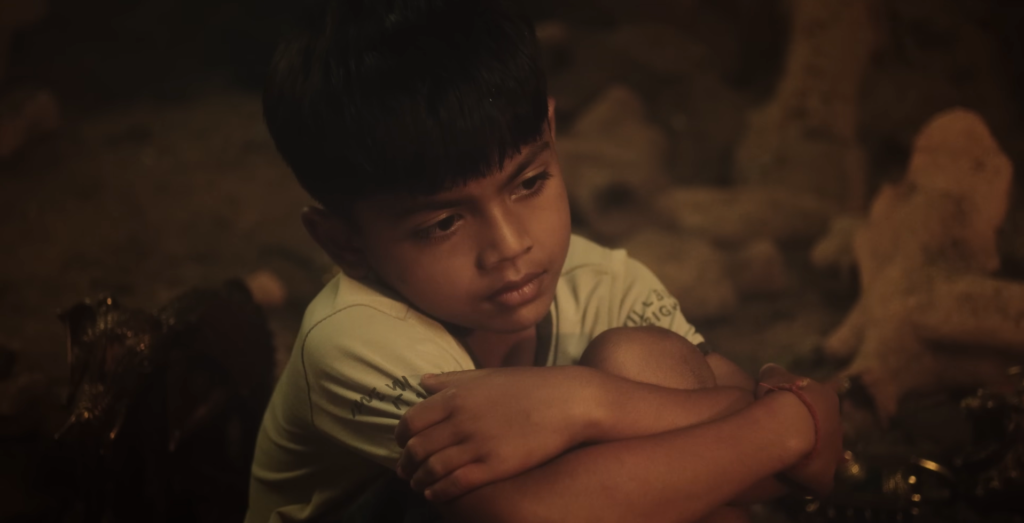
“The skin still feels very organic,”
That versatility allowed the lens to become part of the visual language rather than simply a piece of equipment.
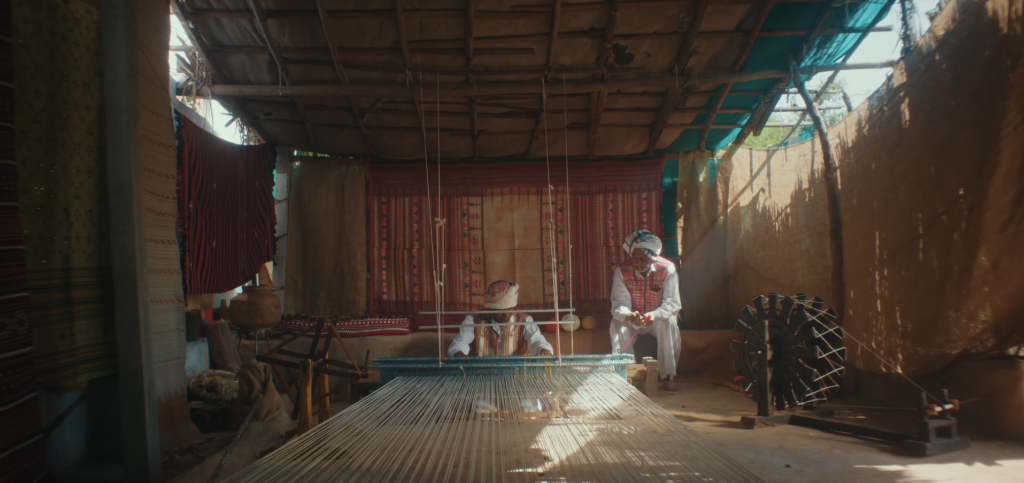
Flare, softness, contrast and colour could all be used creatively, helping Shelly shape the emotional character of an image without making the effect feel imposed on the scene.
For Shelly, lens choice is one of the most important creative decisions a cinematographer makes.
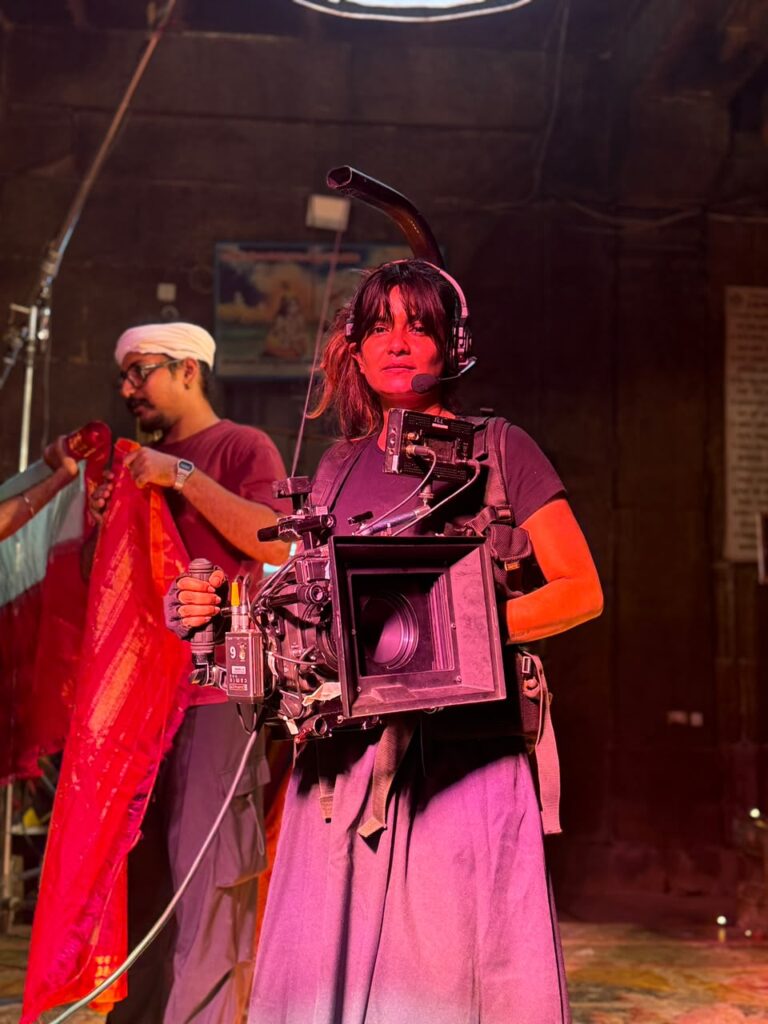
Modern cameras offer remarkable technical capabilities, but the lens continues to have a defining influence on how an image feels. It shapes texture, contrast, softness, colour and skin rendition, while also influencing the relationship between the subject and the viewer.
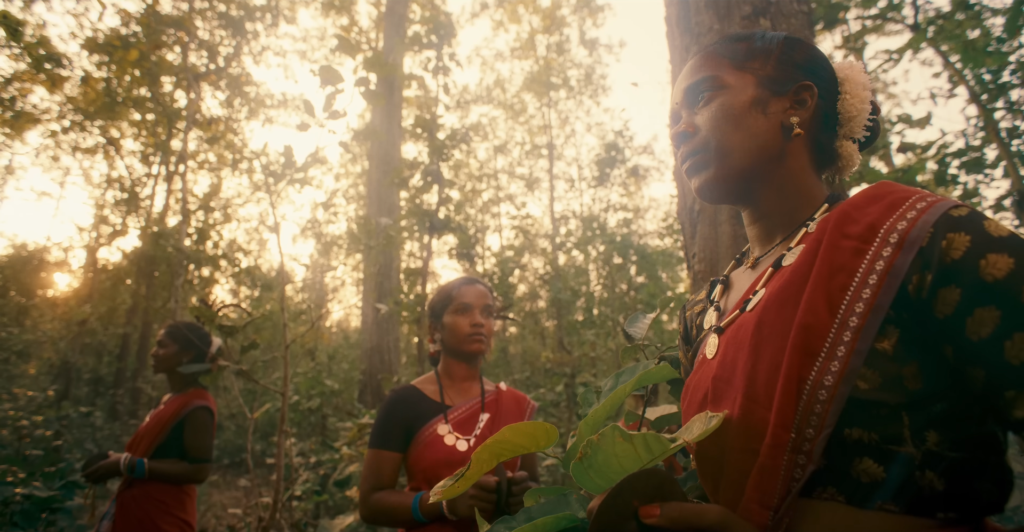
Kaarigari could have been photographed with a few camera and lens combinations and still retained its core visual identity. The underlying vision was already strong.
It gave the images a quality that could feel intimate and organic in one moment, then atmospheric and dreamlike in the next.
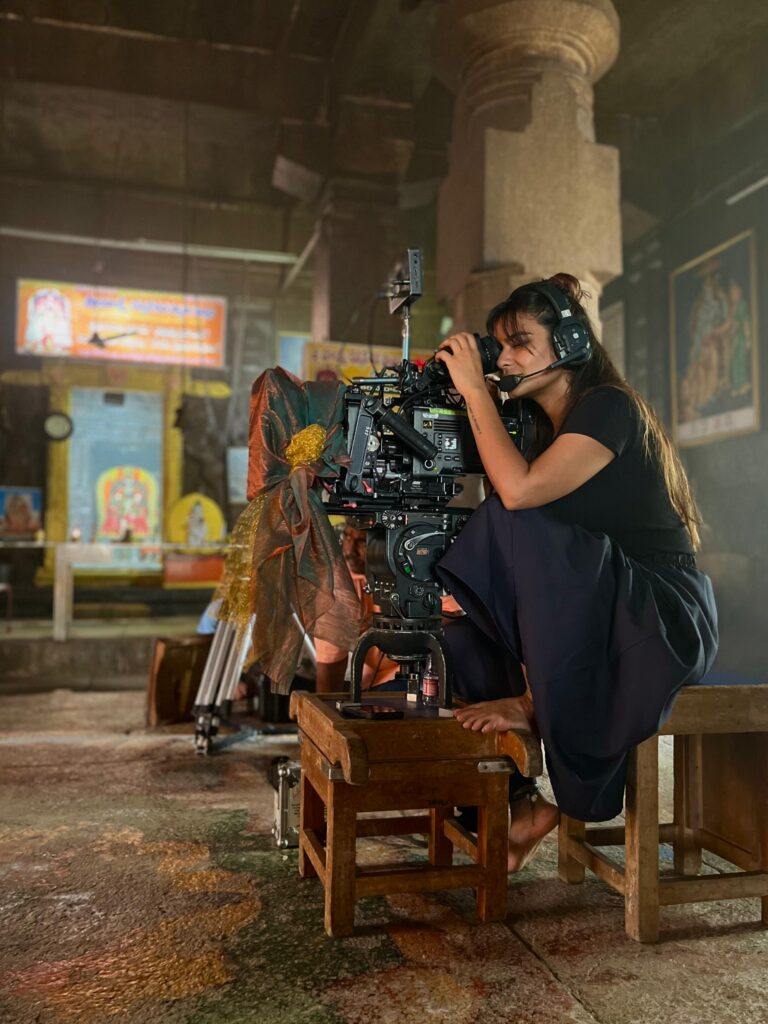
“The experience also stayed with Shelly beyond the project. She has continued using the Panchro lenses on Scam 2010. Even though it’s an out-and-out commercial web series, she continues to choose them for the versatility they offer across different T-stops.”
Ultimately, Kaarigari is about the act of paying attention.
For the artisans, craftsmanship is built through patience, precision, repetition and generations of knowledge. For the filmmakers, it is built through observation, instinct, light, movement and the ability to recognize an image when it appears.
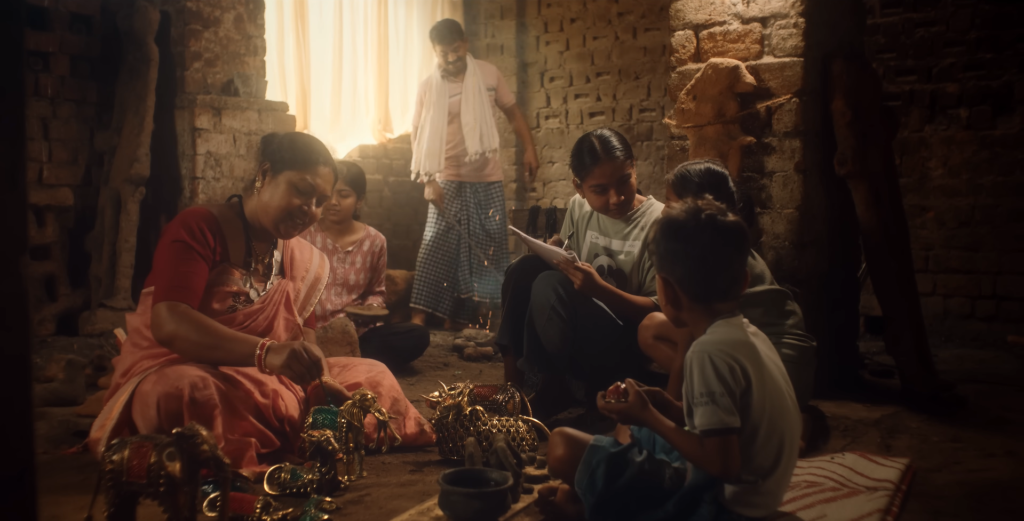
An artisan looks at a thread and understands what it can become. A cinematographer looks at a space and searches for the frame. Both require patience. Both demand precision. And both depend on knowing when to trust instinct.
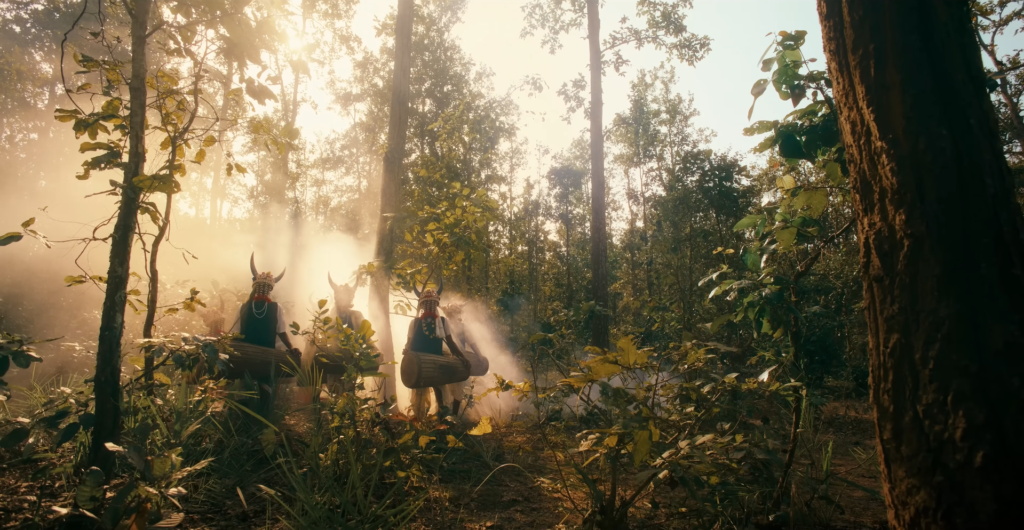
For Himanshi and Shelly, the frame, location or light could change at any moment. What mattered was holding on to the feeling they wanted the audience to take away.
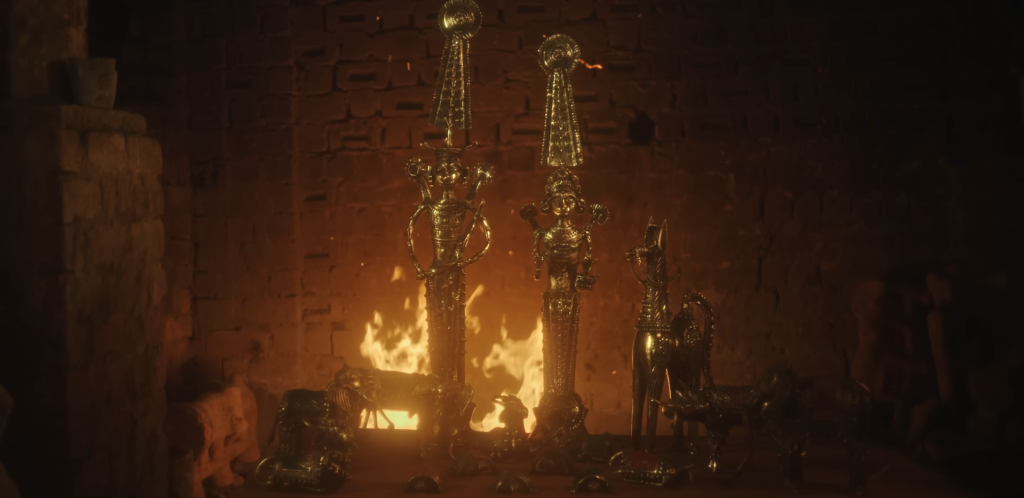
The traditions in Kaarigari have survived because generations of artisans have continued to practice, adapt and pass them forward. The filmmakers approach their work with a similar sense of care: observing, interpreting and finding a visual language that allows these traditions to be experienced rather than simply explained.
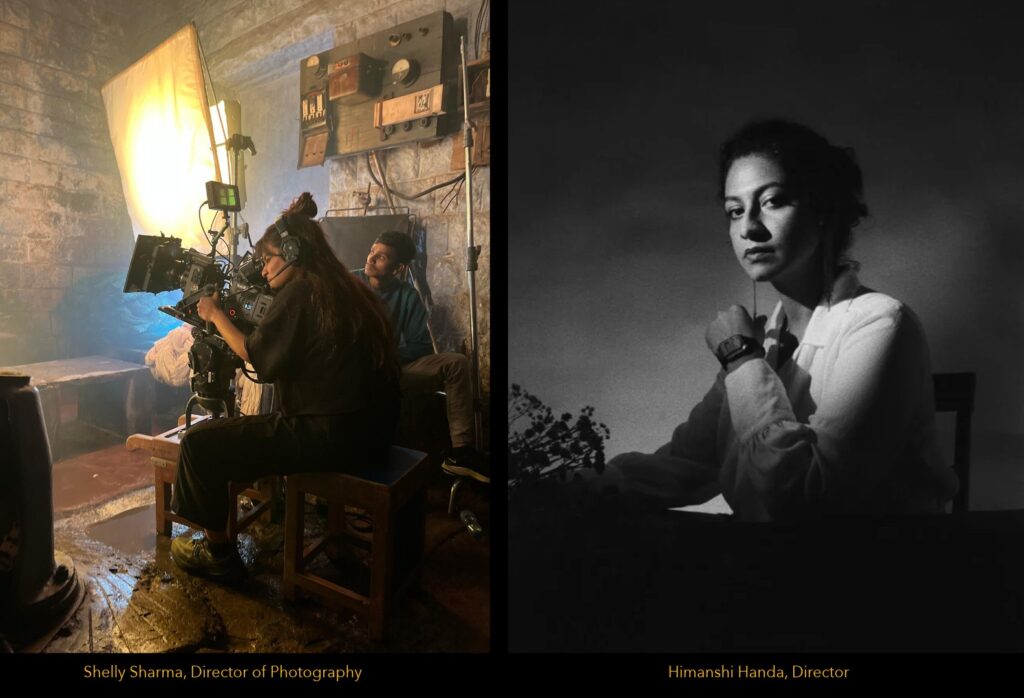
“For us, it was never just about showing the craft. It was about finding a way for the audience to feel the people, the process and the world behind it. That’s where craft becomes cinema.”
— Shelly Sharma, Director of Photography, and Himanshi Handa, Director
Supported By: Jaiswal Cine Equipment.