Search for lenses, articles and help
This is a science fiction feature film for the Canal+ platform.
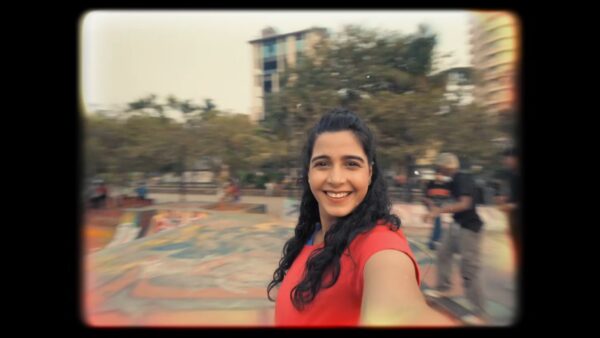
“I particularly love their flares, skin rendition and bokeh. The variations in the shape and orientation of the bokeh, especially noticeable in full frame, create a sense of swirling movement in the backgrounds.”
Lens/Camera Information
Lens series: Cooke SP3
Focus lengths: 25mm, 32mm, 50mm, 75mm, 100mm
Camera: DJI Ronin 4D 6K
Format: Digital
Production information
Director of Photography: Sylvain Rodriguez
DOP Instagram: Sylvian Rodriguez
Website: https://www.sylvainrodriguez.com
Director: Olivier Boillot
Producers: Philippe Delarue
Colourist: William Ferré
Production company: Futurikon
Distributer: Canal + / Ciné + OCS
Rental House: https://www.nextshot.com
In “Just After Dawn”, the characters make an emergency return from a space mission to discover an Earth where humanity seems to have vanished. Injured after their spacecraft crashes into a field, they try to understand what has happened. The film follows their journey and their suffering through a hostile environment, where even the few people they encounter pose a threat.
From the outset, director Olivier Boillot wanted a lightweight, mobile setup that would allow us to capture a wide range of shots and build this sensory experience in the edit. We therefore chose two DJI Ronin 4D 6K cameras for their flexibility on set, combining fluid movement with handheld camerawork.
I was looking for lenses that could convey the characters’ unease. They needed to be lightweight, cover full frame and have character while retaining a contemporary feel. The Cooke SP3s brought all these qualities together: a distinctive patina and lively highlights, without looking overly retro.
I particularly love their flares, skin rendition and bokeh. The variations in the shape and orientation of the bokeh, especially noticeable in full frame, create a sense of swirling movement in the backgrounds. This optical character adds to the unsettling quality of the image and deepens the film’s sensory experience.
We mostly shot with two cameras, often pairing the 32mm for medium shots with the 100mm for close-ups. This combination allowed us to place the characters within their surroundings while staying close to their faces and their suffering.