Search for lenses, articles and help
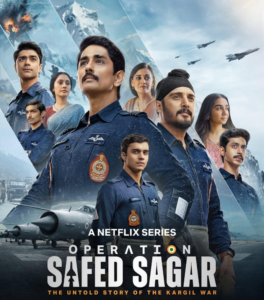
Netflix Web series: 6 Episodes
Director: Oni Sen
DOP: Setu
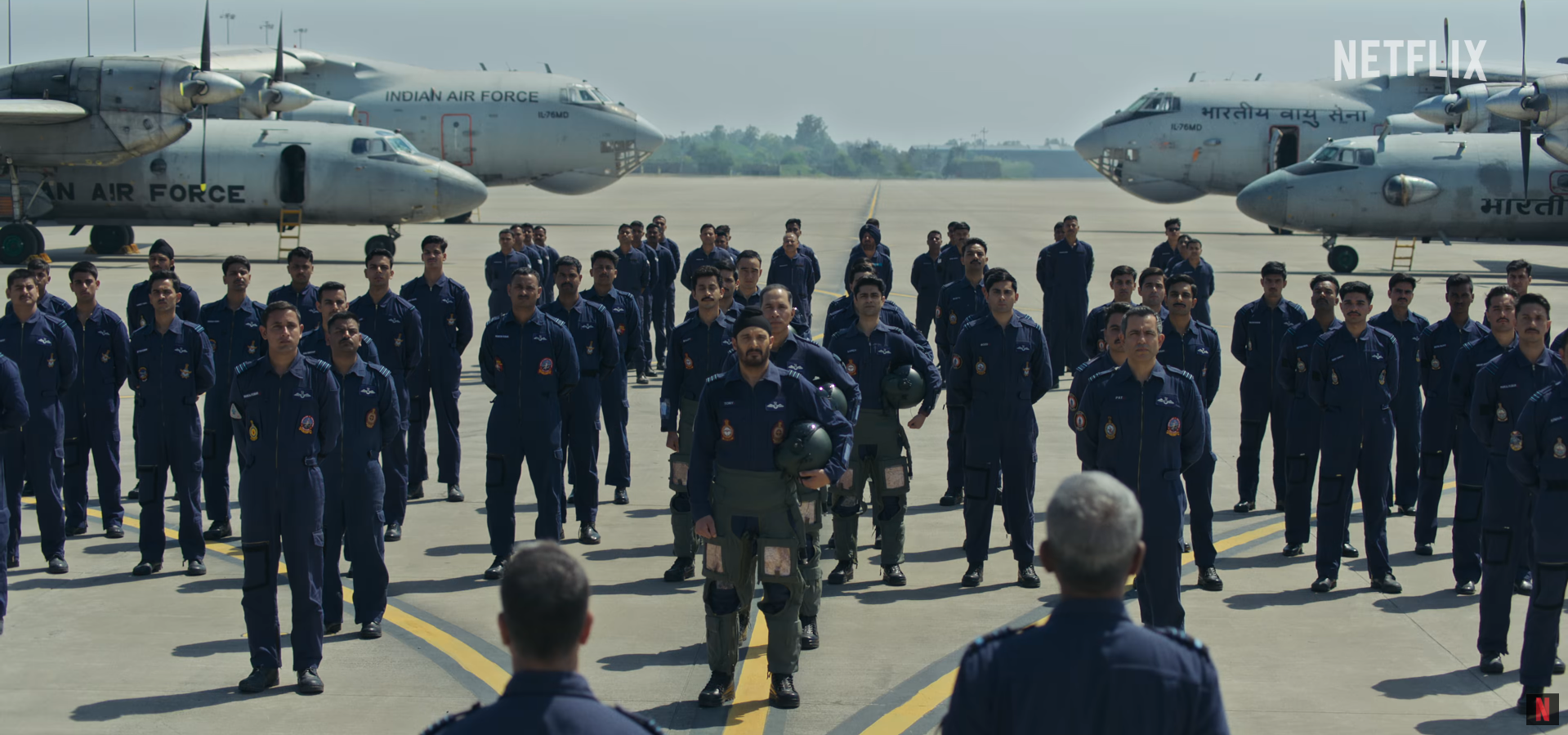
Operation Safed Sagar has been appreciated for the authenticity of its visual world—the physicality of its landscapes, the intensity of aerial combat and the technical precision with which military aviation has been brought to the screen.
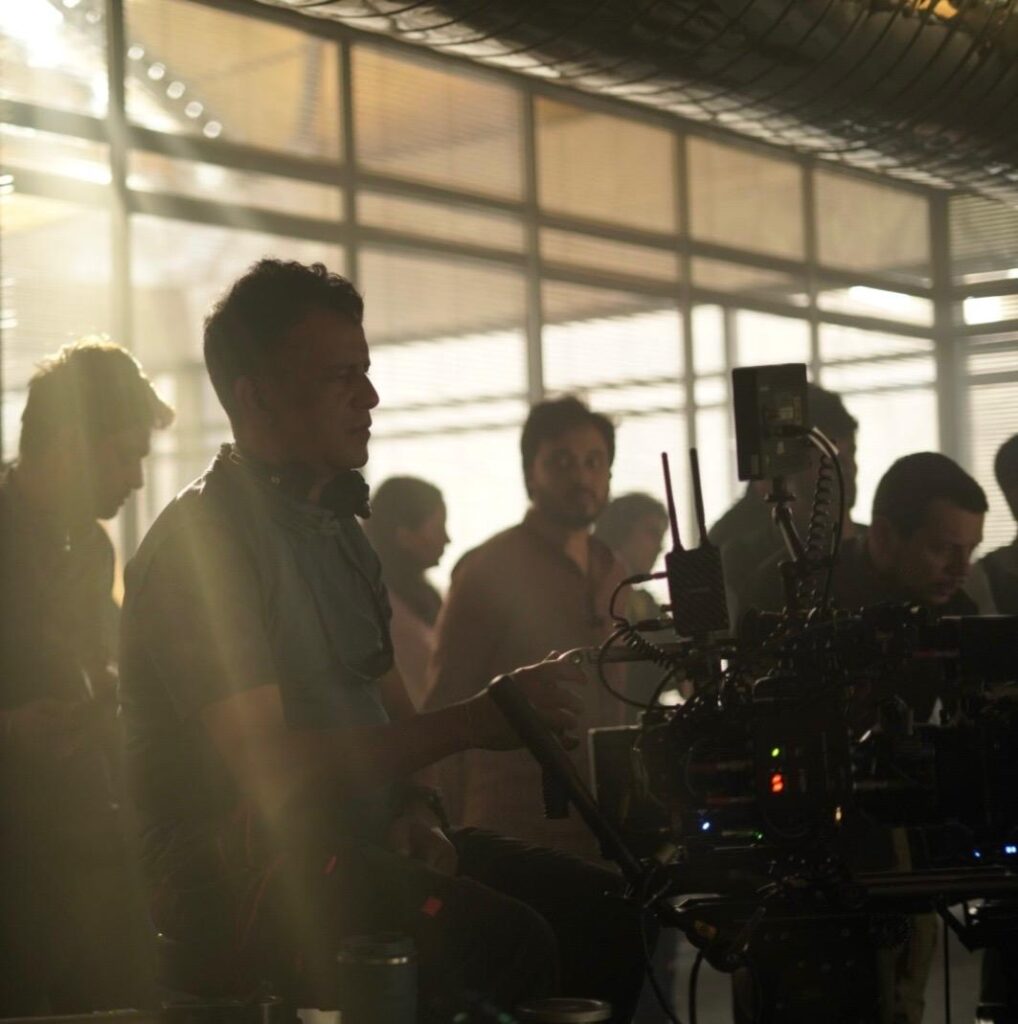
At the Centre of this visual achievement is Setu, one of India’s most celebrated cinematographers, whose work combines strong visual aesthetics with a deep understanding of technical craft.
For Setu, the visual strategy began with understanding the different worlds within the story
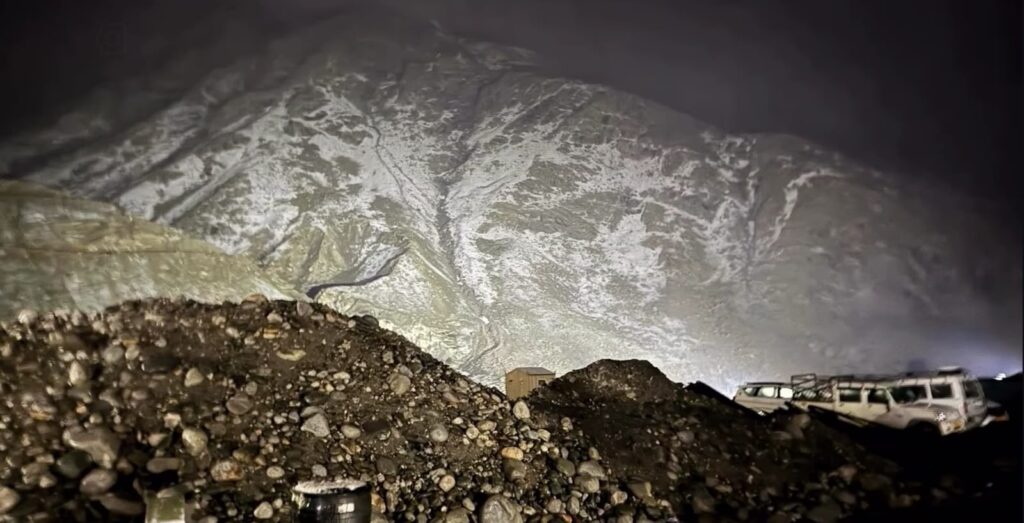
“The idea was to create a visual language that could move naturally from the terrestrial world on the ground to the mountains and finally into the sky. Each environment had its own character, and the camera had to respond to that.”
The cinematography can broadly be understood through three layers: ground, mountain and sky.
On the ground, the camera remains close to the characters. Interior sequences involving IAF pilots were filmed in actual Air Force quarters corresponding to their ranks, helping preserve the authenticity of these environments.
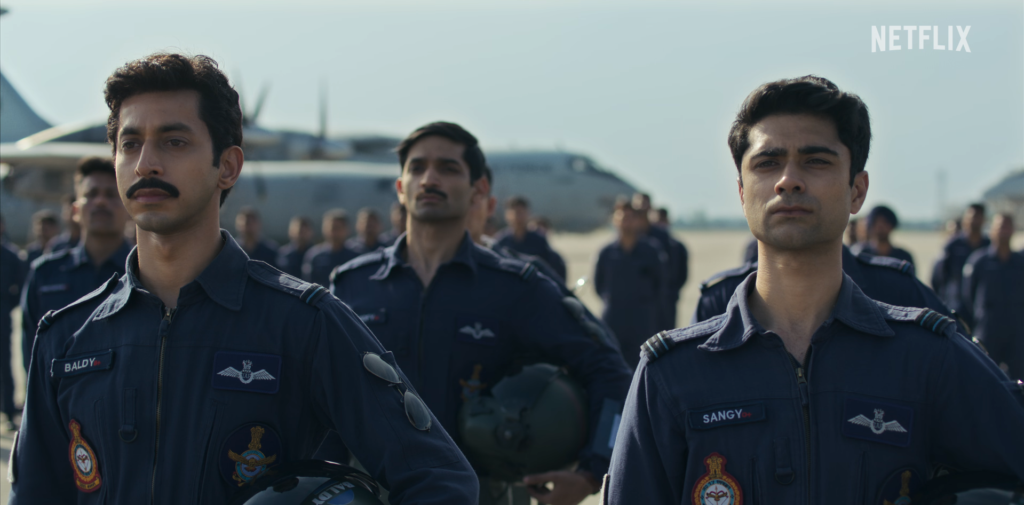
“Authenticity was very important to us. When you shoot an actual Air Force environment, you get details that are very difficult to recreate on a set. We wanted the audience to feel that these were real spaces inhabited by real people.”
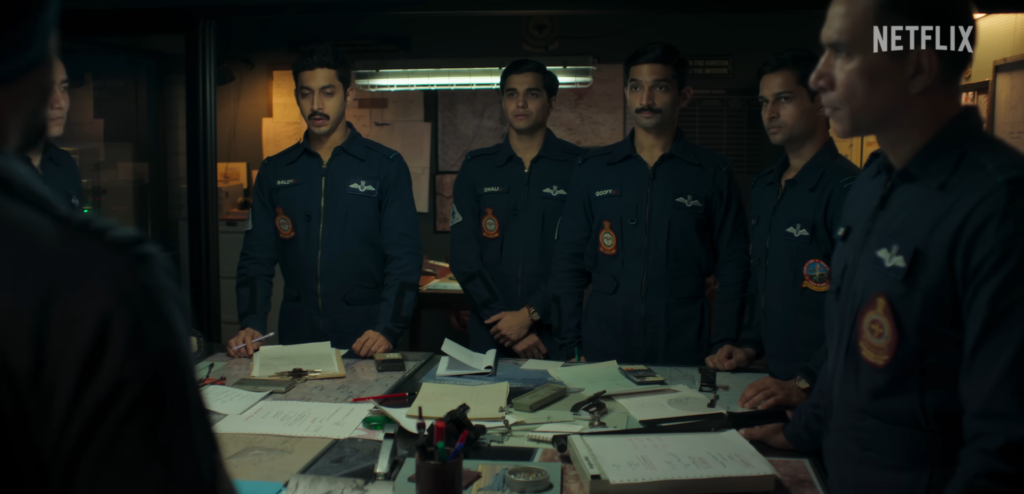
Handheld operation allowed the camera to remain responsive to performances, while the political sequences established a distinct visual world around statesmen, cabinet meetings and senior military leadership.
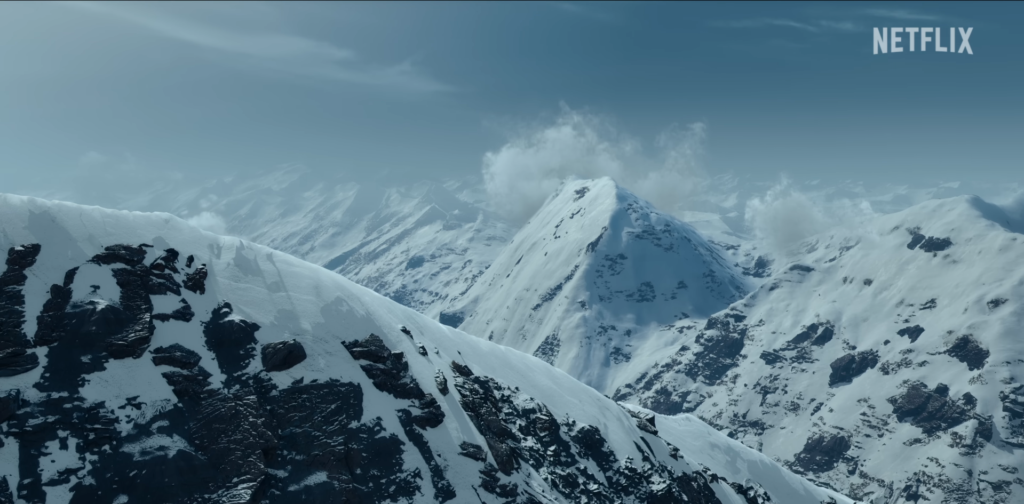
The high-altitude mountains then became a powerful transitional space between earth and sky.
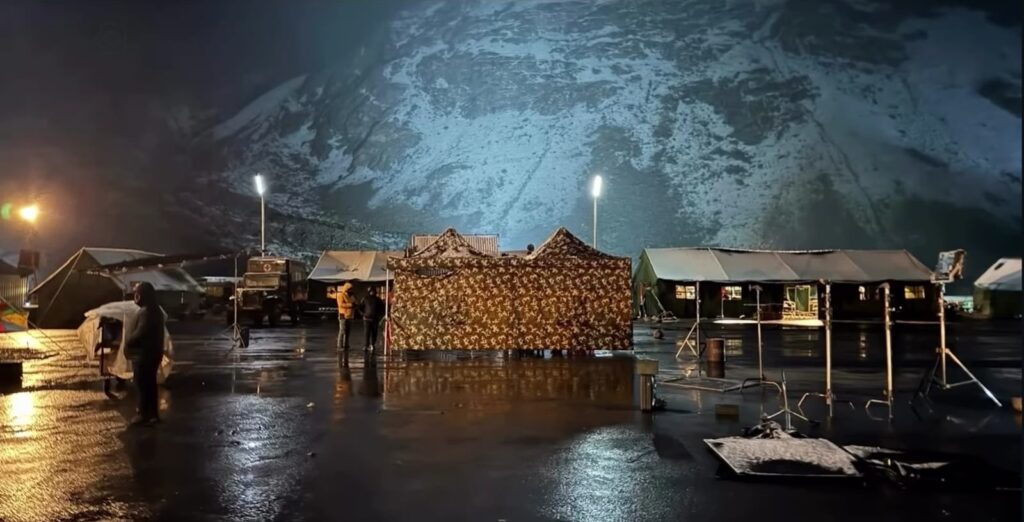
“The mountains were not just a location. They had their own visual character. The light, the terrain, the altitude and the scale of the landscape all became part of the image.”
“When we move into the sky, the scale changes completely. Suddenly the aircraft becomes a small element within this enormous landscape. That contrast was very important to us.”
The ARRI Alexa 35 served as an important camera system for ground and interior work, particularly where mobility and a compact configuration were valuable.
For large landscapes and selected large-format imagery, ARRI Alexa LF and Mini LF systems were employed. Aerial plates were captured using an ARRI Alexa Mini mounted on an octocopter, opening up dynamic perspectives of the aircraft and surrounding terrain.
At high altitude, camera movement demanded an equally thoughtful approach.
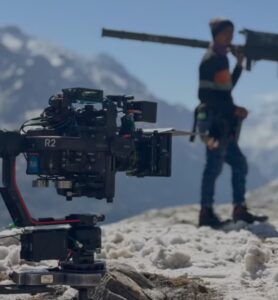
Rather than relying heavily on large conventional grip systems, the production embraced lightweight sliders, DJI Ronin gimbals and vehicle-based rigs. These systems allowed the filmmakers to create fluid tracking, elevation changes and dynamic movement while remaining agile within the mountainous environment.
Perhaps one of the most interesting aspects of Operation Safed Sagar is the way the Cooke lens package was chosen to give each visual environment its own photographic character.
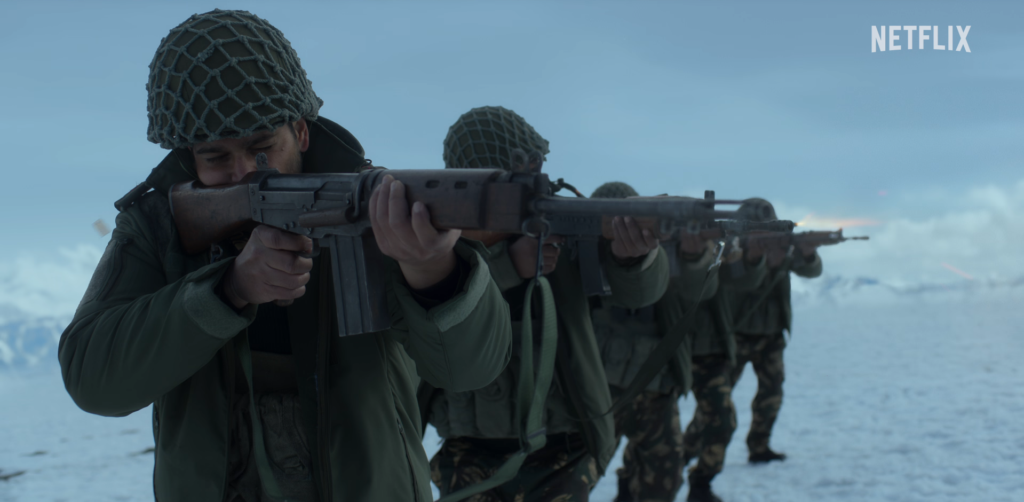
Rather than pursuing one uniform optical look, different Cooke families were explored according to the creative needs of the story.
The Cooke S4/i primes formed the principal lens package for the character-driven portions of the film.
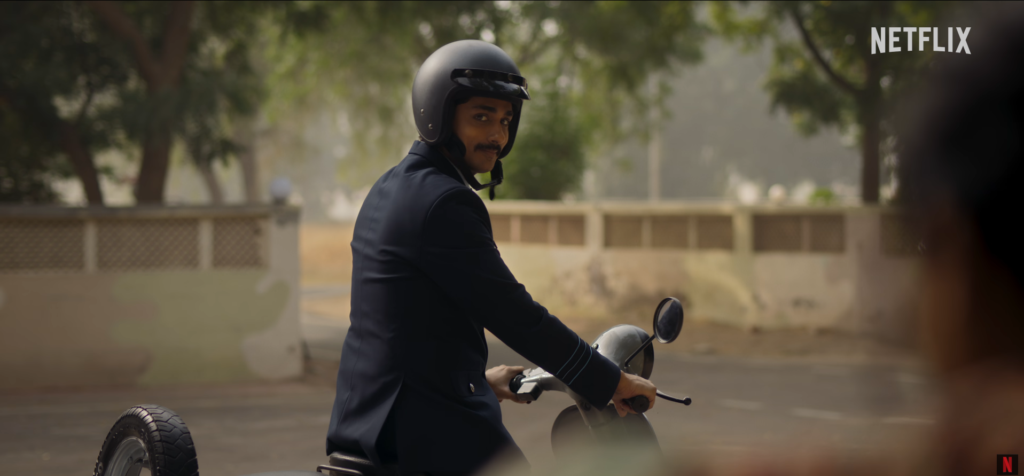
Their natural rendering of skin, eyes and facial texture suited the grounded military drama. The 40mm and 65mm were particularly important focal lengths, maintaining intimacy while preserving the relationship between character and environment.
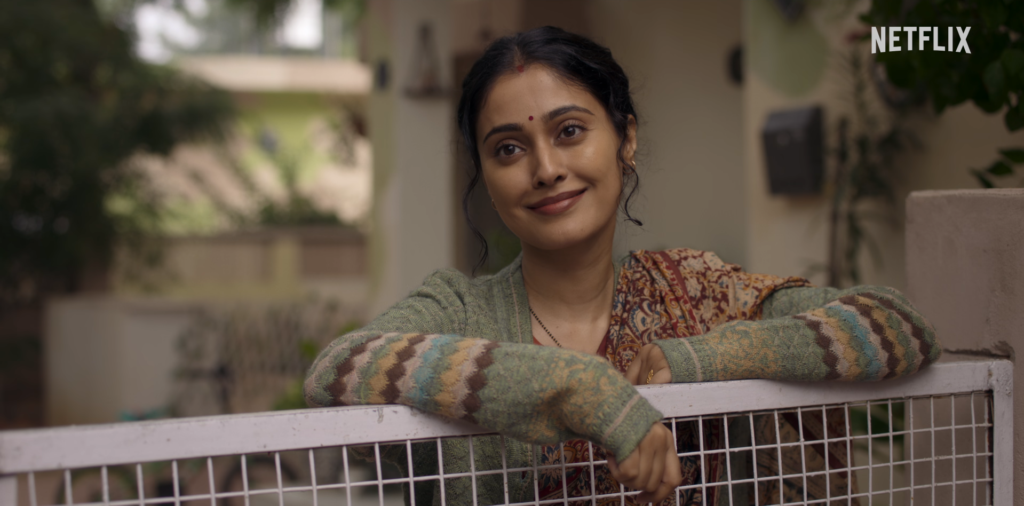
“For the ground and character work, I wanted something that would preserve the natural quality of faces, skin and eyes. The Cooke S4/i gave us that character while still retaining dimensionality.”
Here, the lens becomes an extension of the character.
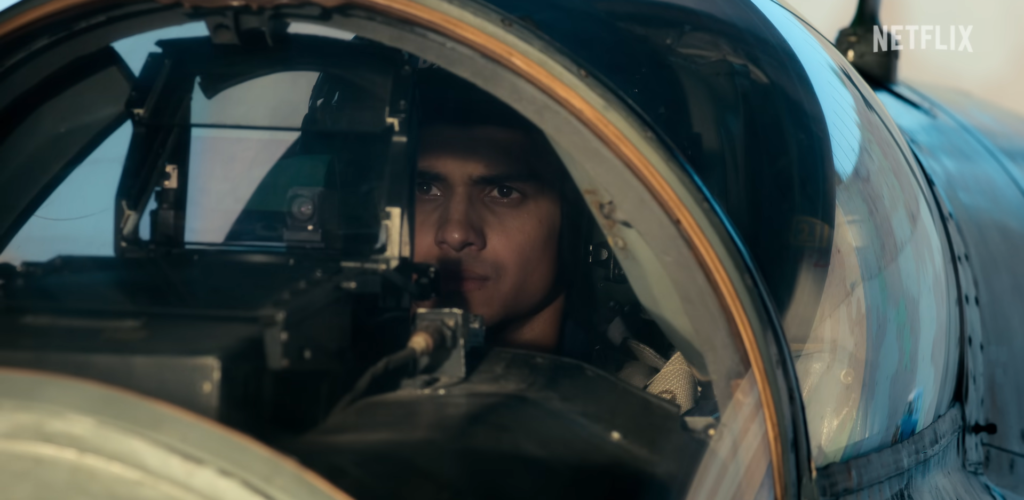
With its compact form factor, the Cooke SP3 allowed cinema-quality optics to enter these highly confined spaces while maintaining the flexibility required for dynamic camera placement for shots used for reference purposes.
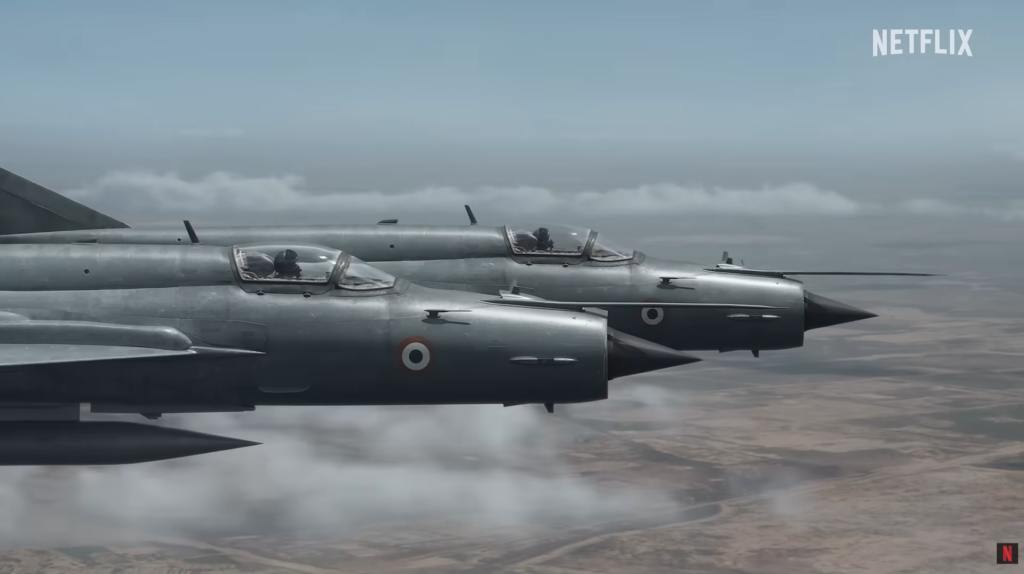
For aerial imagery and large landscapes, the production expanded into large-format and anamorphic Cooke optics for the live-action layer.
These lenses opened the visual field and created a broader spatial relationship between aircraft, mountains and sky.
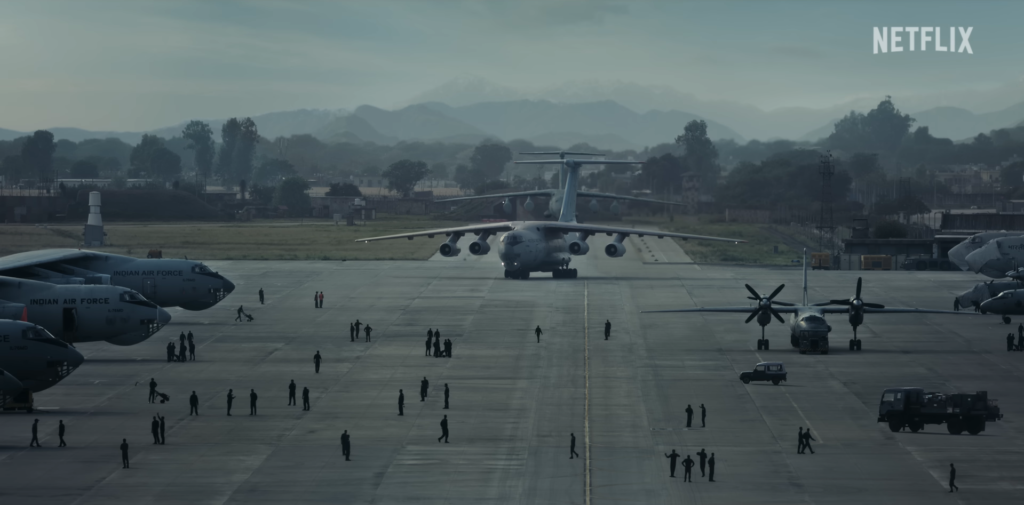
For the aerial world, we wanted to feel the scale of the mountains and the sky. The optical choices – Cooke Anamorphic helped us create that sense of space and make the aircraft part of a much larger environment.
Anamorphic photography added another layer of visual richness while supporting the expansive nature of the aerial sequences.
Specialized Cooke macro-optics allowed the cinematography to explore the intricate details of aircraft and military equipment.
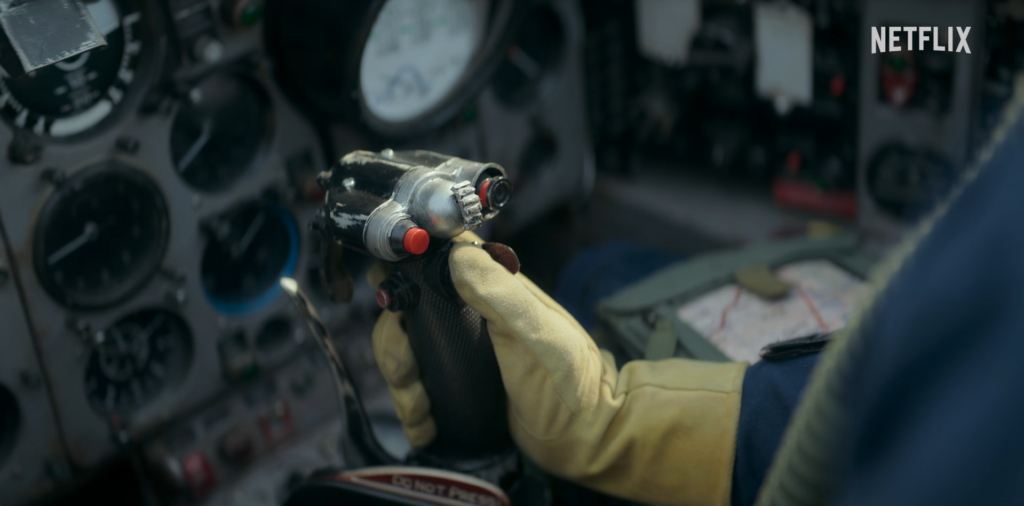
Cockpit controls, instruments, surfaces and mechanical details become cinematic subjects, revealing another dimension of aviation.
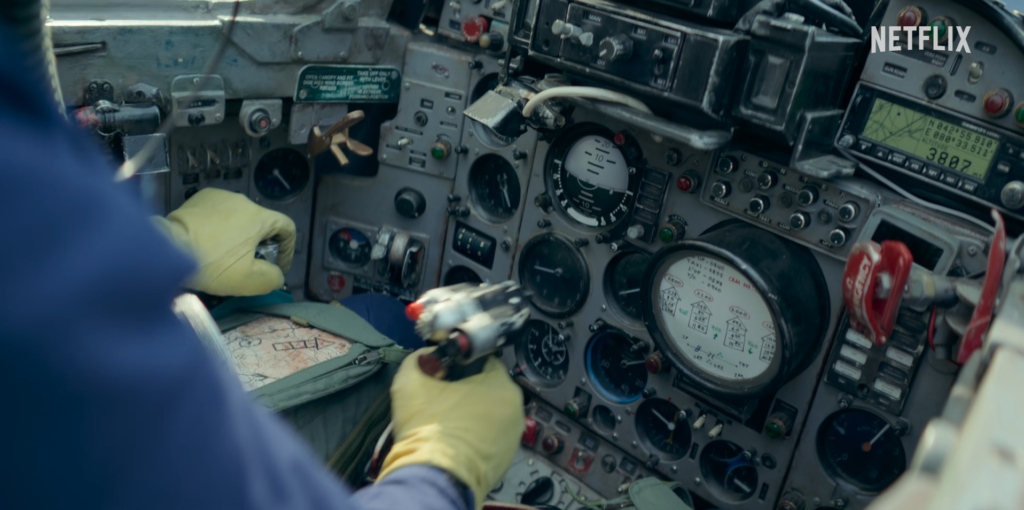
“The aircraft is one of the most important characters in the film series. There are so many details—the controls, instruments, surfaces, textures and mechanisms. Macro photography allowed us to explore that world very closely.”
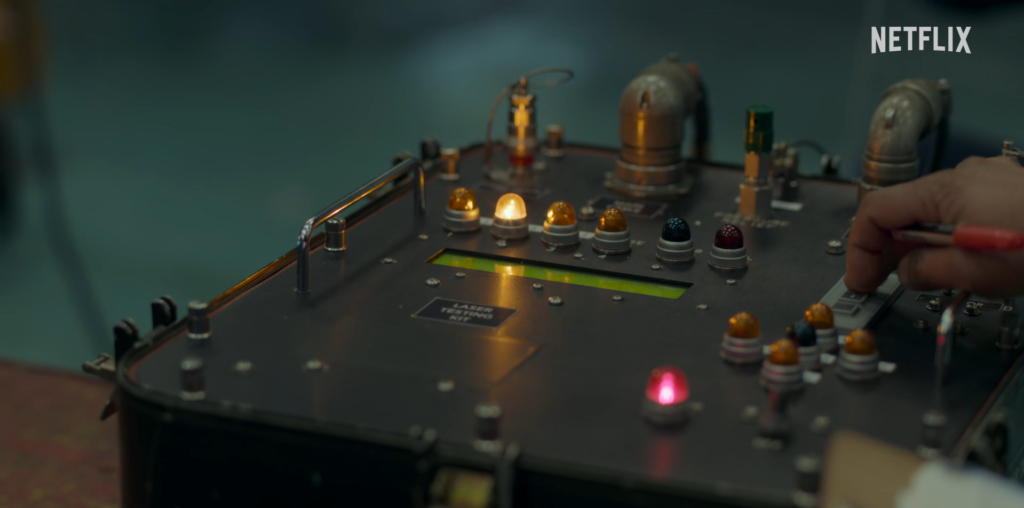
Human → Machine → Environment.
Calibration and the VFX Pipeline
One of the technically significant aspects of the production was the preparation of the Cooke S4/i set.
The lenses were sent to the Cooke factory in the UK for specialized calibration before principal photography. This helped establish optical consistency and support the requirements of the VFX workflow.
For a production involving extensive visual effects, the lens becomes an important part of the imaging pipeline.
Optical characteristics such as distortion, alignment and consistency between lenses can contribute to the accurate integration of digital elements with photographed material.
“Because we had a significant VFX component, consistency of the lenses was very important. We wanted to establish the optical characteristics properly before we started shooting”
The Cooke relationship with the production extended beyond factory calibration.
According to the production account, Mr. Peter Dorai of Cooke Optics India travelled directly to the high-altitude locations with the lenses and provided technical support, including recalibrations where required for the VFX-heavy workflow.
At elevations approaching 18,000 feet, having specialized technical support close to the production was a valuable part of maintaining the optical workflow.
The lenses travelled with the production into an extraordinary environment where altitude, terrain, temperature and accessibility all became part of the filmmaking experience.
Blue became an important visual anchor, subtly connecting the blue of the IAF uniforms with the cold mountain environment.
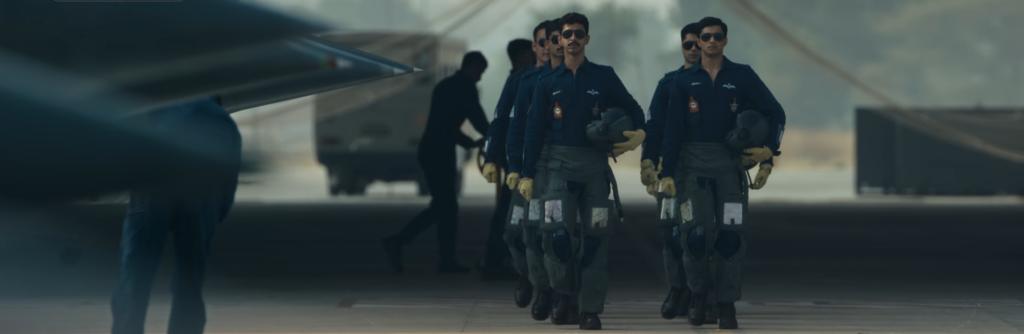
Instead of creating the entire blue atmosphere during grading, cooler colour temperatures were introduced directly during the shoot.
Shadow areas were deliberately kept approximately 2,500K–3,000K cooler than the daylight key, creating a natural separation between warm sunlight and cool shadows.
“I wanted the colour separation to exist in the raw footage itself. By creating that difference between the daylight and the shadows on set, the image retains a more natural quality.”
At high altitude, the production also embraced the optical character of the environment itself.
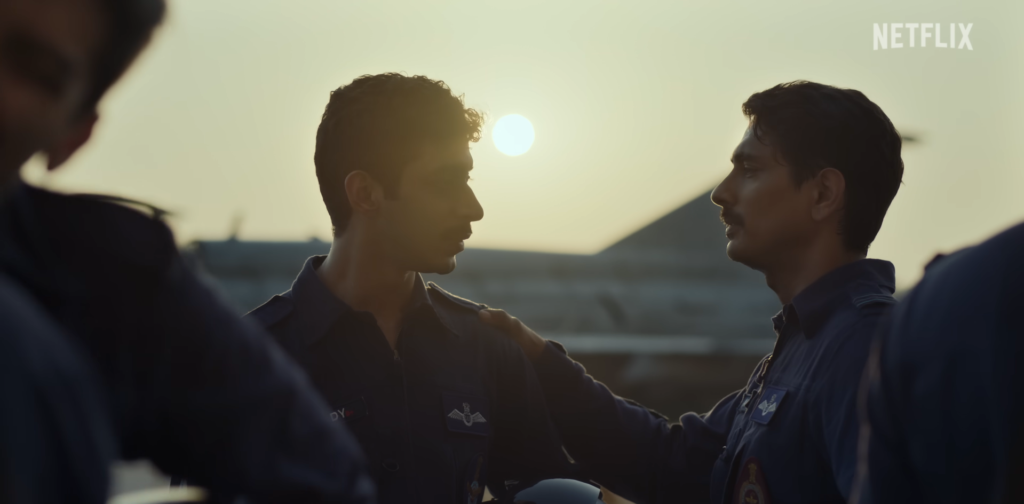
During selected mountain sequences, UV filters were intentionally removed, allowing the intense sunlight and natural flare characteristics to contribute to a raw, high-contrast and tactile image.
“At that altitude, the light itself is very different. We wanted to embrace what the location was giving us rather than completely controlling it.”
The mountains were therefore not simply a background. Their light, atmosphere and physical character became active elements of the cinematography.
What makes the cinematography of Operation Safed Sagar particularly compelling is the way technology becomes integrated into the storytelling.
The Alexa 35 provides mobility and intimacy, The Alexa LF and Mini LF open the frame to large-scale landscapes.
The S4/i brings the audience close to the human dimension.
The SP3 takes the camera inside the cockpit.
The anamorphic optics expand the sky.
The macro lenses reveal the intricate world of aviation.
Calibration strengthens the VFX pipeline.
And lightweight movement systems allow the camera to explore terrain that is as dramatic as the action itself.
Ultimately, the visual strategy of Operation Safed Sagar is not about showcasing equipment for its own sake. Every camera, lens and movement system contributes to a larger Visual journey—from the intimacy of the human world, through the physical presence of the aircraft and the unforgiving mountains, to the vastness of the sky.
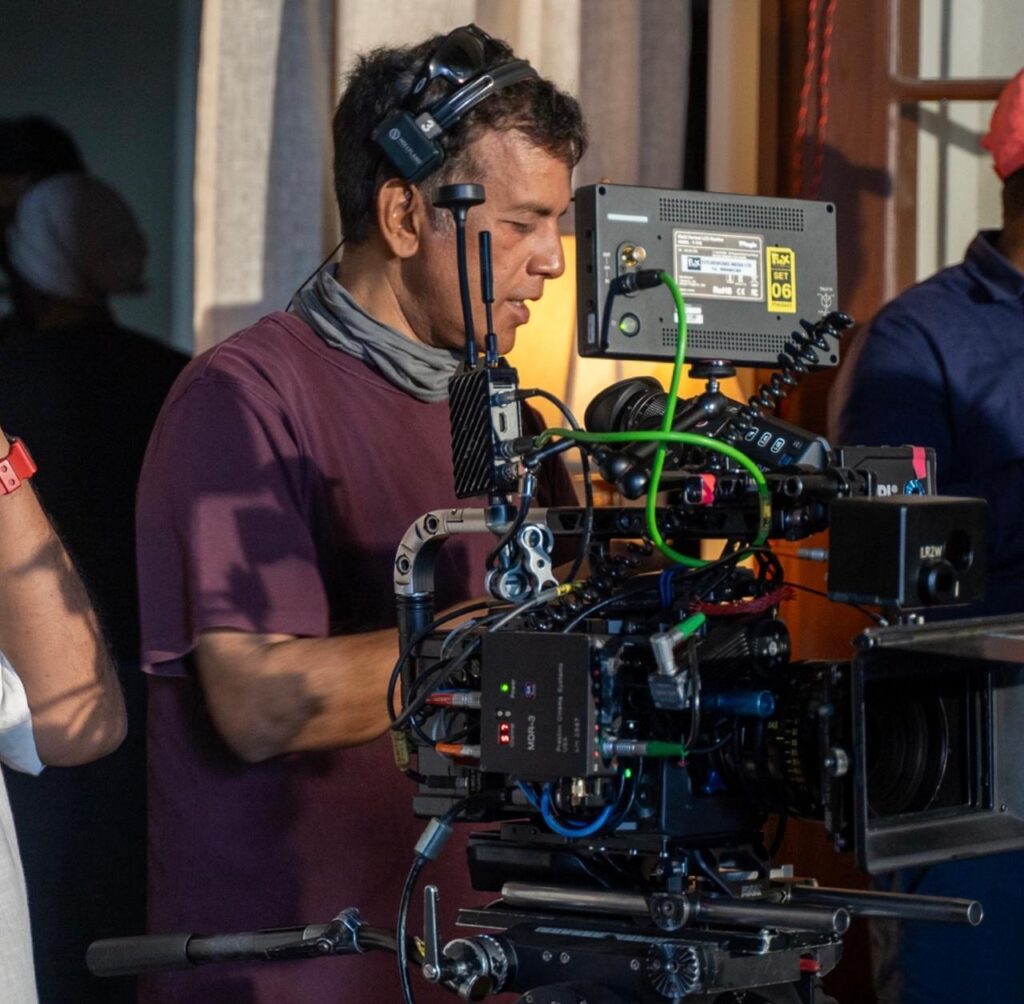
“For me, technology is always there to serve the story. The audience shouldn’t be thinking about which camera or lens we used. They should experience the characters, the altitude, the aircraft and the environment.”
Setu | Director of Photography
Supported By: Future Works Rental