Search for lenses, articles and help
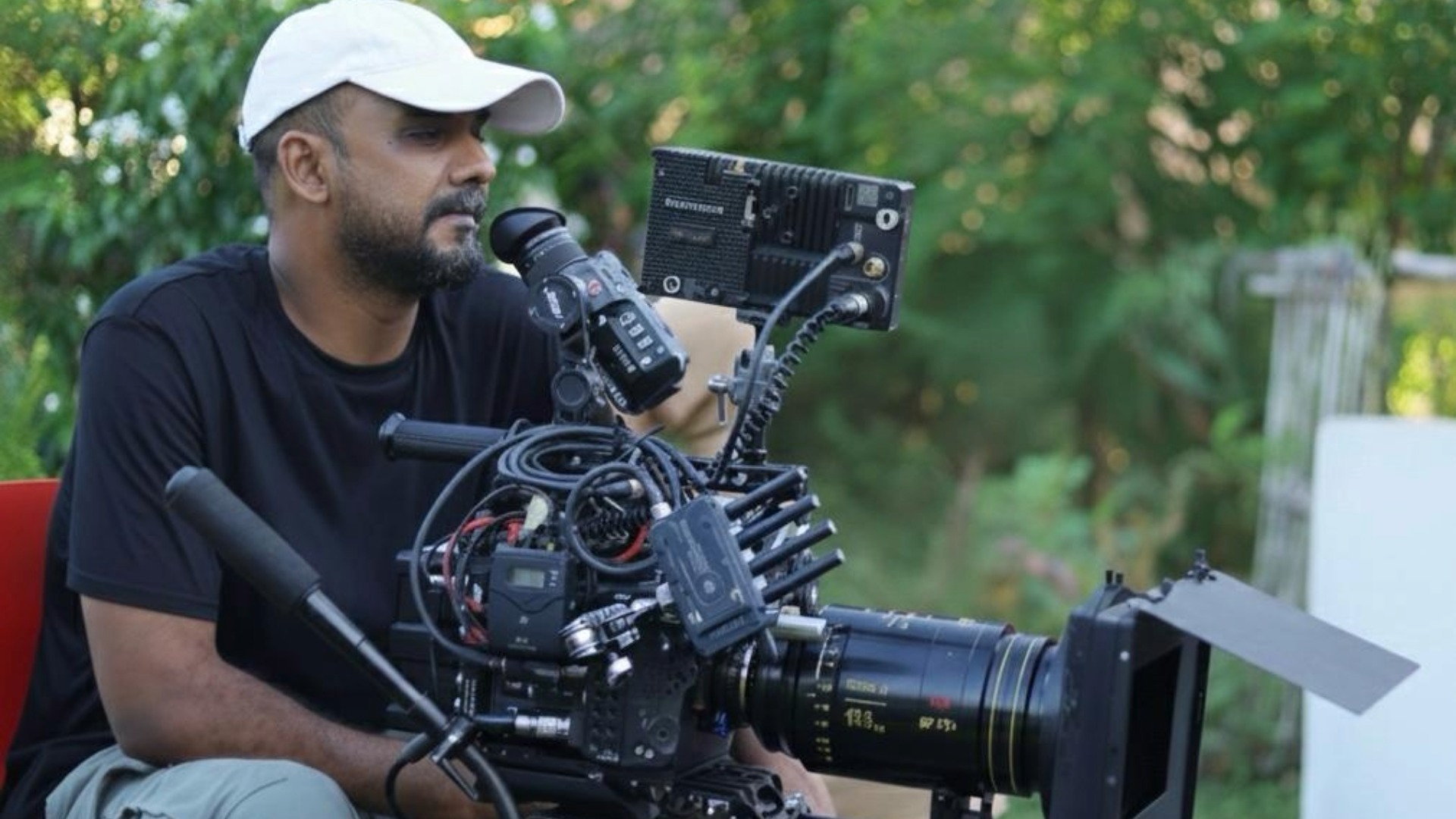
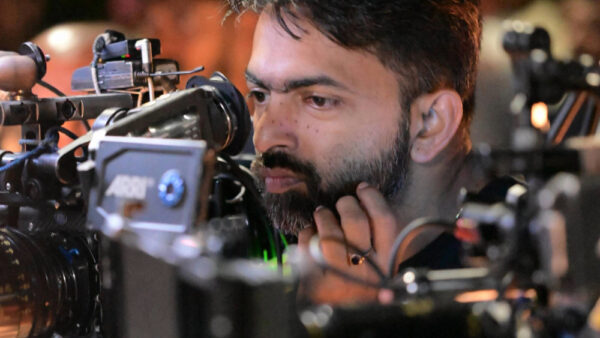
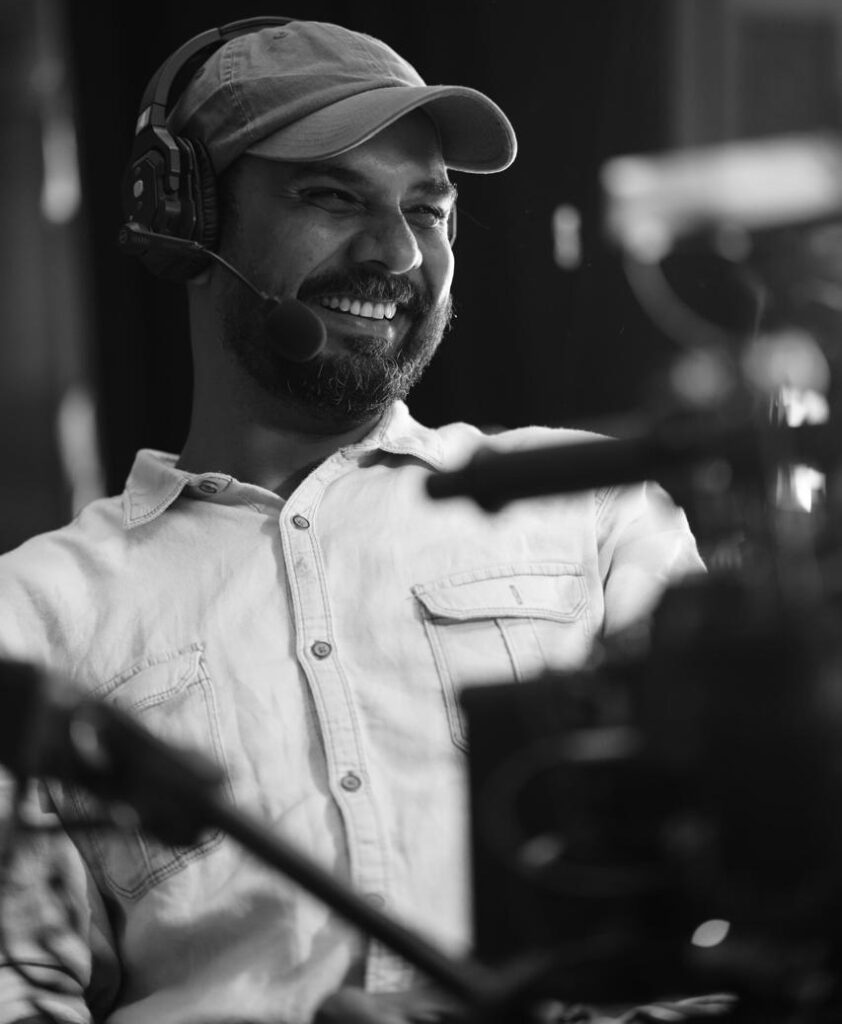
For Farook Basha, cinematography has never been about spectacle. It has always been about space, emotion, and restraint. His visual thinking began not on a film set, but in architecture and visual communication, where composition, balance, and perspective shaped how he understood images.
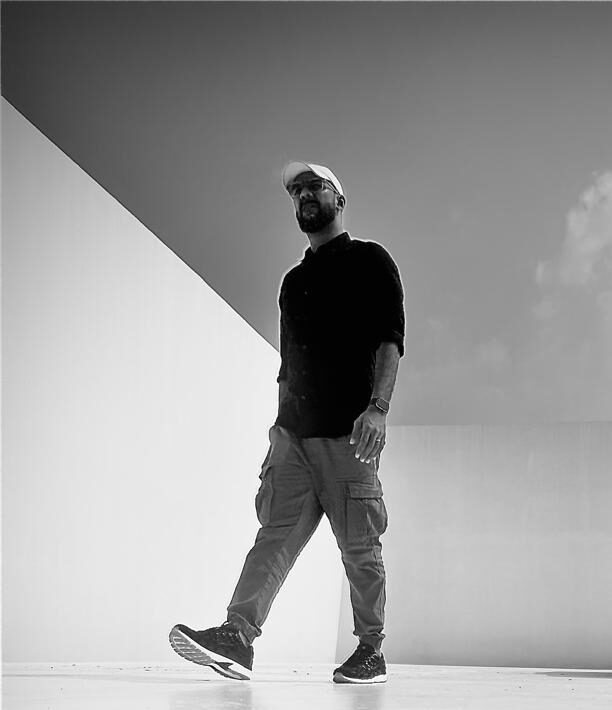
“I come from architecture and visual communication, so composition and space were always my first language.”
Photography became his earliest discipline. Through years of shooting, Farook developed patience and sensitivity toward light and skin tone. His work gained recognition across various photography magazines, particularly in fashion and portraiture, where subtle control mattered more than dramatic excess.
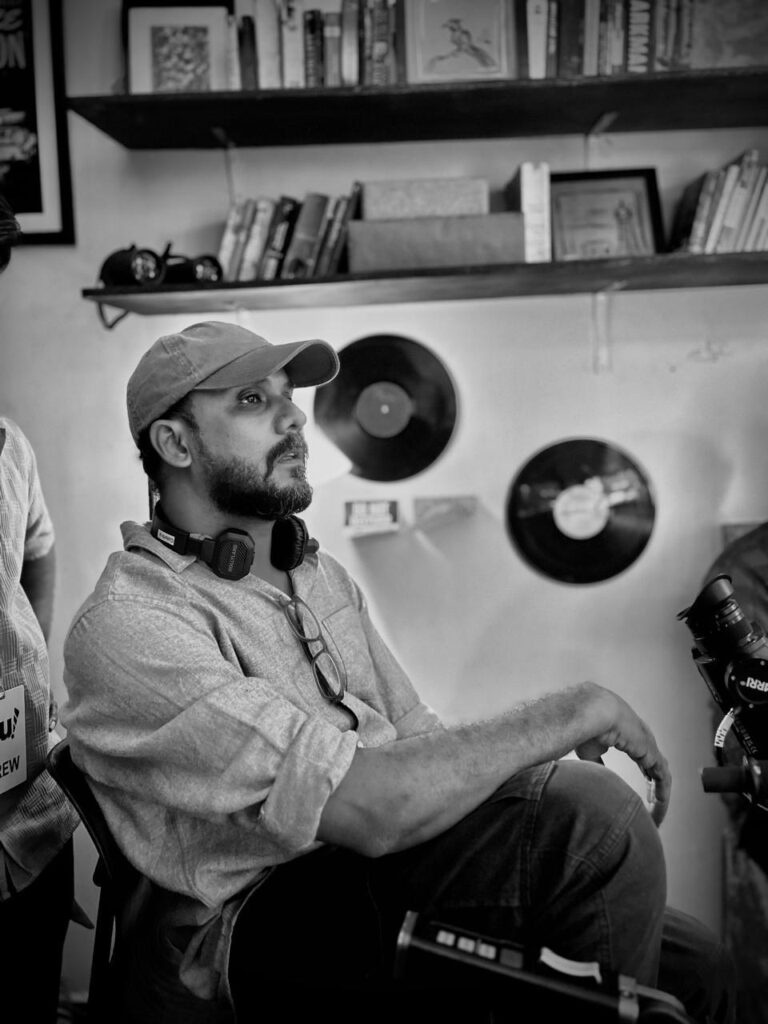
“Photography taught me patience. When you shoot every day, you start understanding emotion through light, not equipment.”
His formative years assisting Rajan Paul exposed him to precision, elegance, and detail-driven imagery in both still photography and commercial video. This was followed by assisting cinematographer Ekhambaram, where Farook absorbed large-scale cinematic discipline.
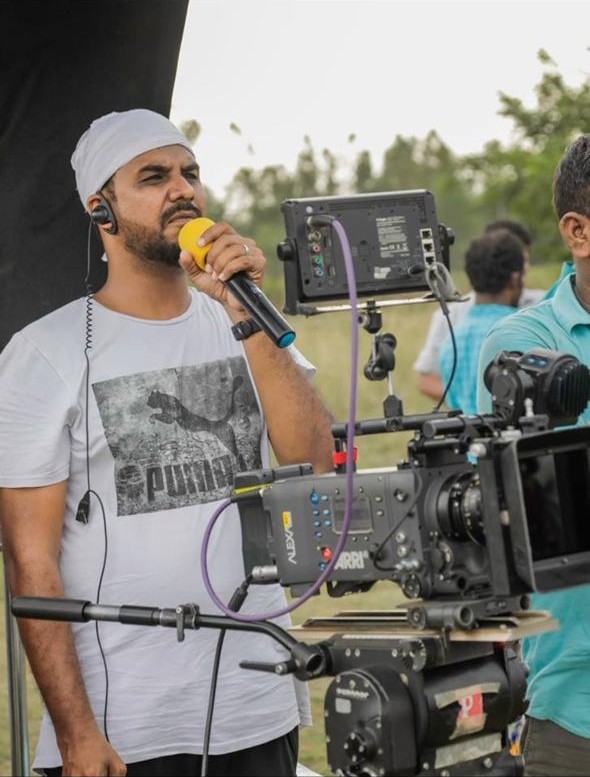
A defining influence during this phase was his collaboration with Sunil, who began his career as a colorist. “Working with Sunil made me think about the final grade even while lighting a shot. Shooting and color cannot be separated.”
This integrated approach carried into his commercial career, where Farook shot over 500 commercials, mastering the art of emotional clarity within tight formats.
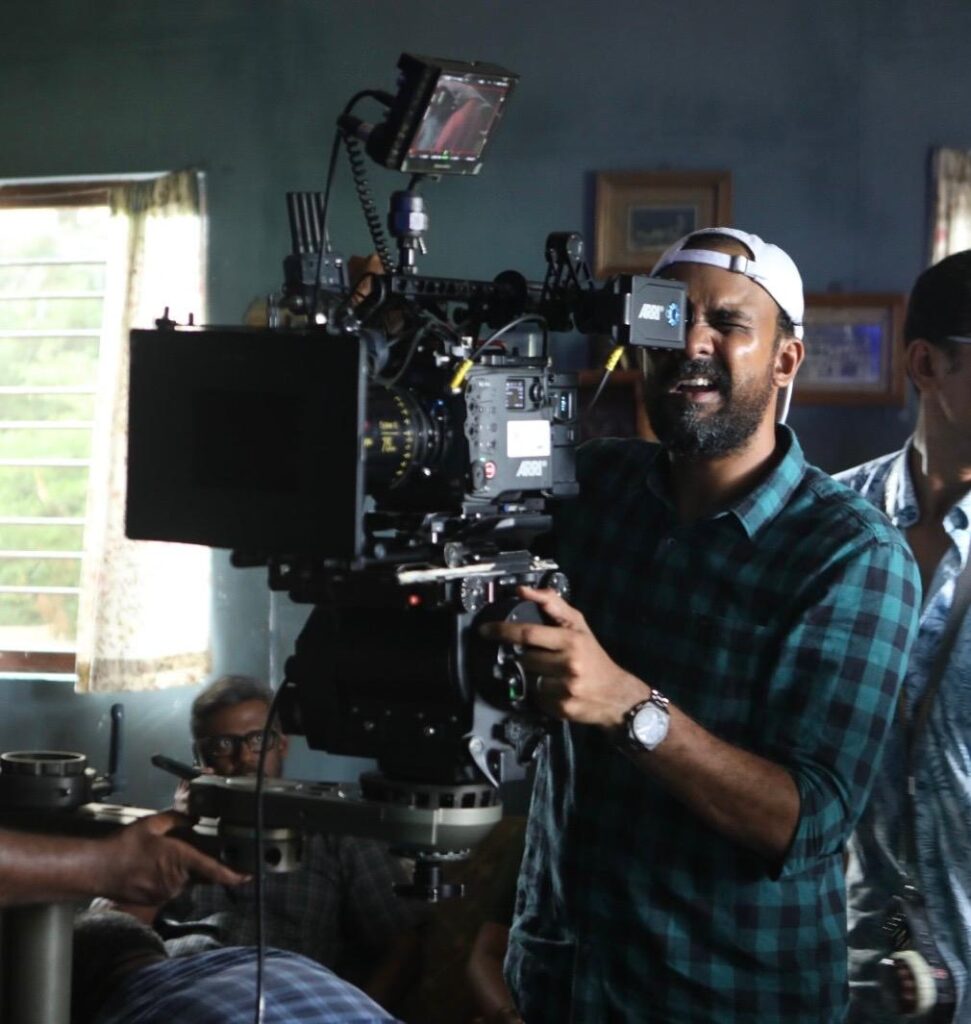
“After shooting more than 500 commercials, I realized clarity and emotion must coexist—no matter how short the format.”
His transition into large-scale cinema came with Pathu Thala, a technically demanding project dominated by complex night sequences and large lighting setups.
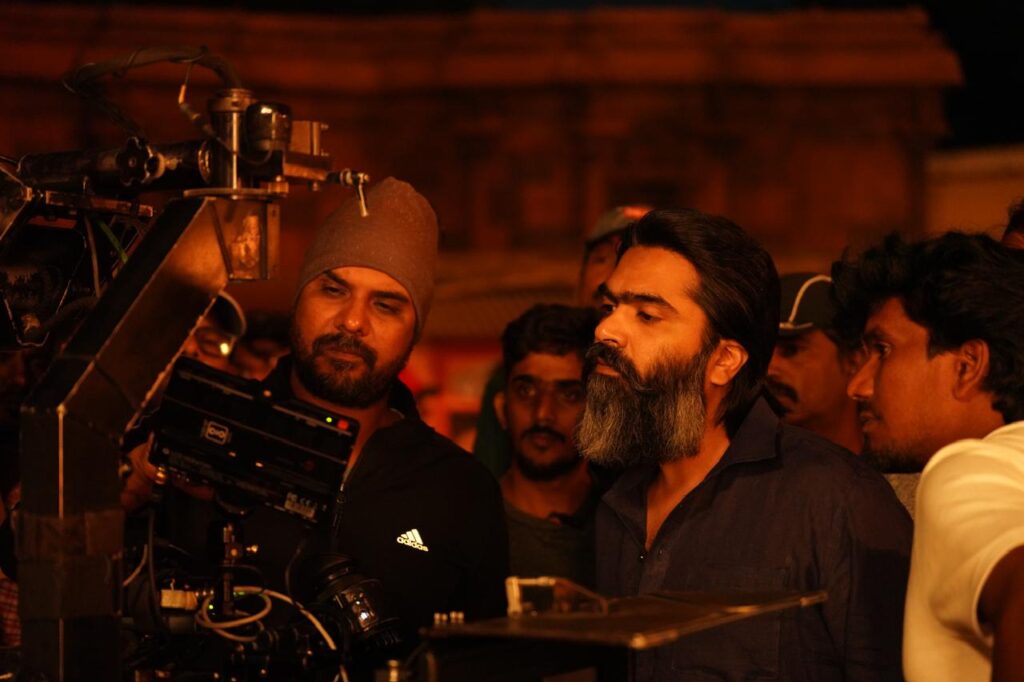
“Pathu Thala was challenging because the scale had to feel real, especially in night work.”
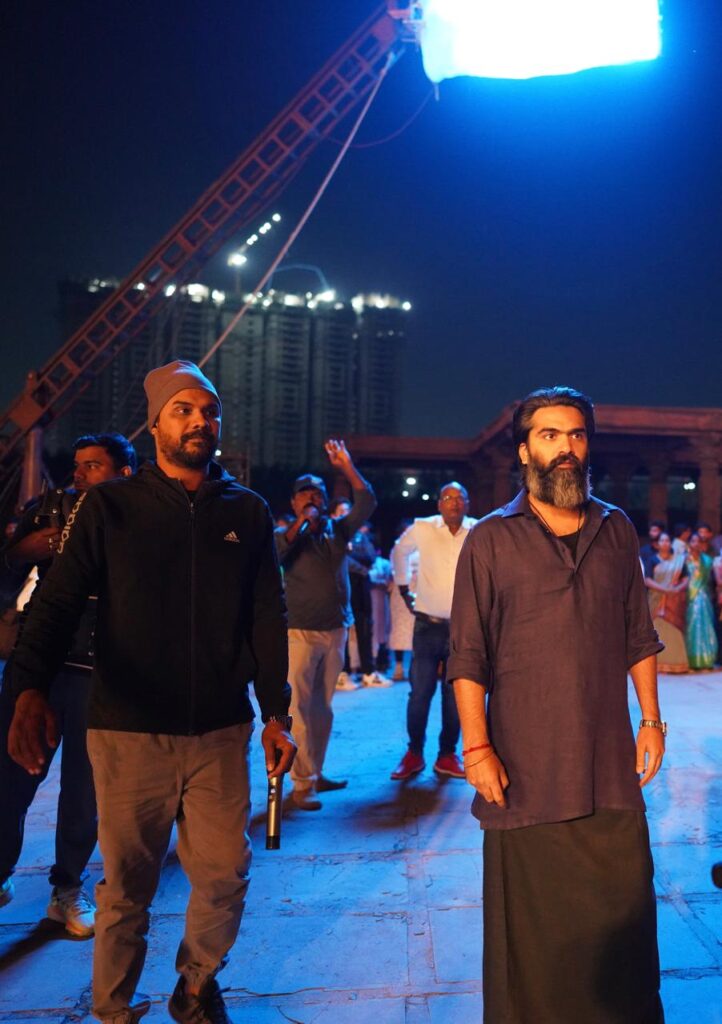
In contrast, Romeo allowed Farook to explore a softer, more expressive palette—colorful yet restrained, low in contrast, and emotionally warm.
His most defining recent work, the web series Kutram Purinthavan, required a completely inward visual language. The story revolves around guilt and emotional consequence, leaving little space for wide frames or visual flourish.
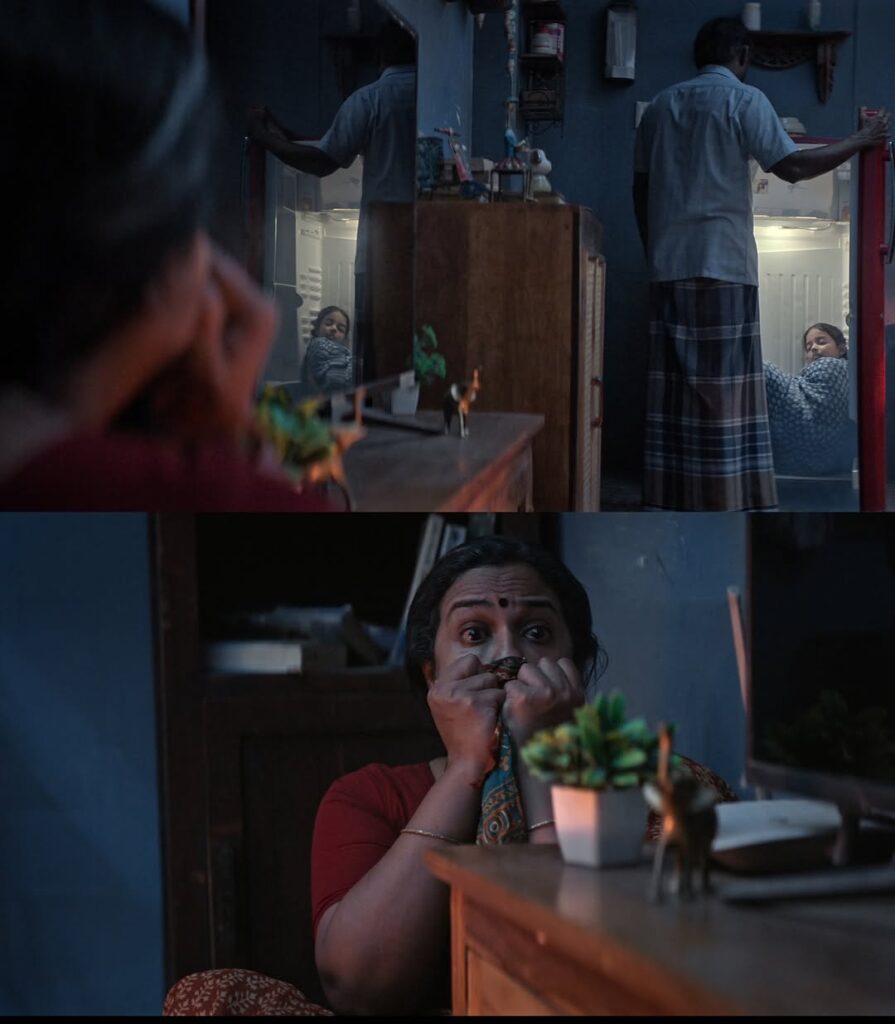
Farook chose to stay close to the characters, relying heavily on close-ups and medium close-ups, reinforcing intimacy.
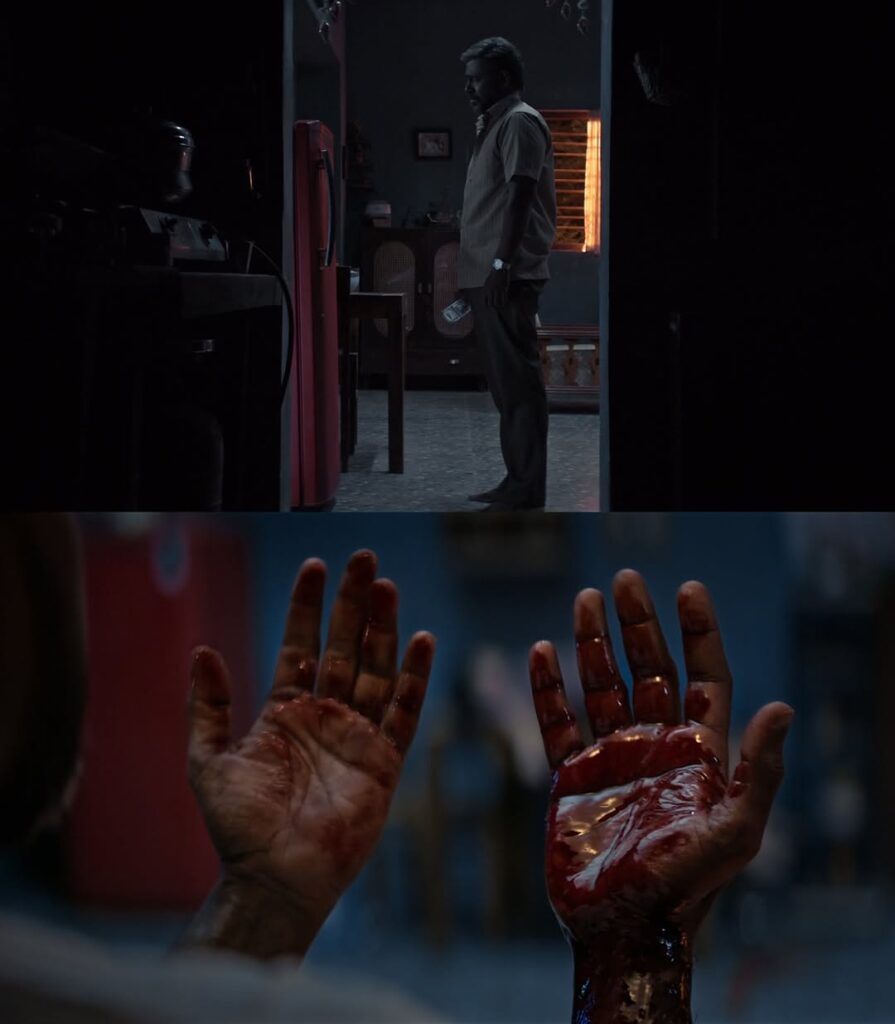
“Kuttram Purindhavan is about guilt. The camera had to stay close—wide frames would have diluted the emotion.”
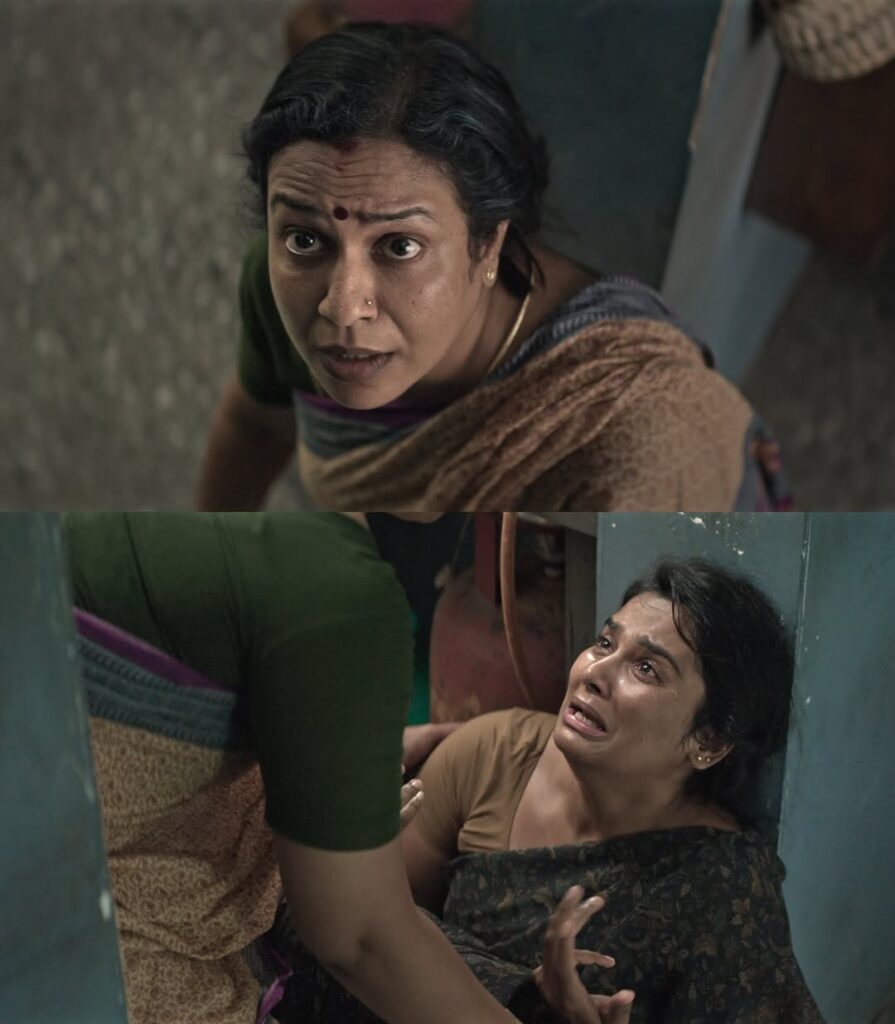
The series is predominantly interior driven, lit almost entirely using practical lamps, Astra tubes, and sodium vapor sources motivated from outside for separation. Slow, steady camera movements demanded lighting that could hold consistently throughout long takes.
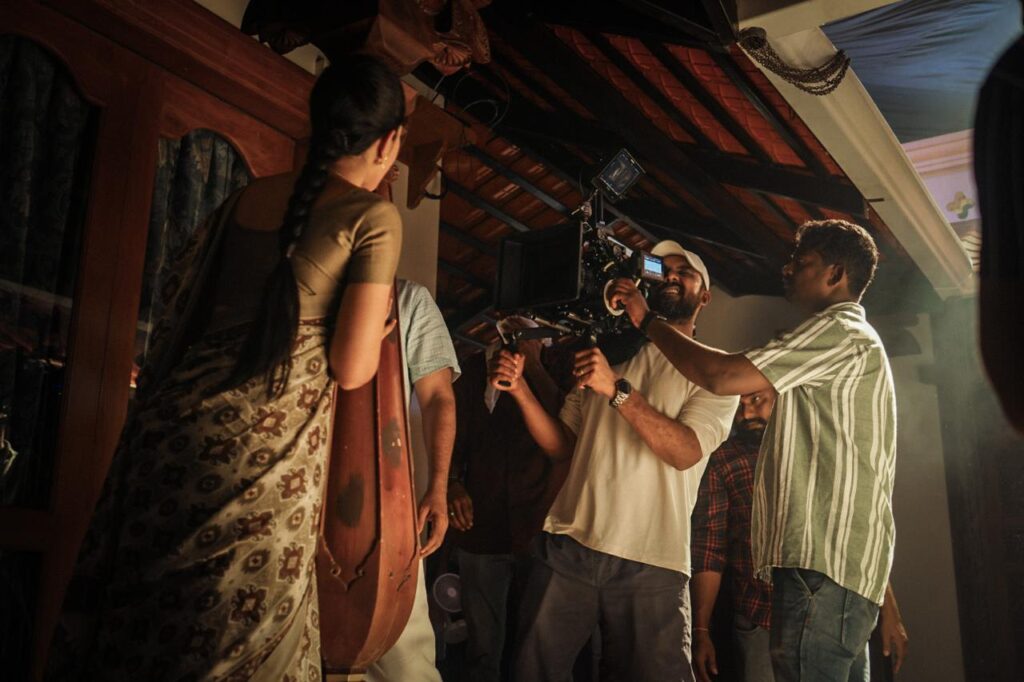
“Because the camera moves were long and slow, the light had to work for the entire performance—not just for a moment.”
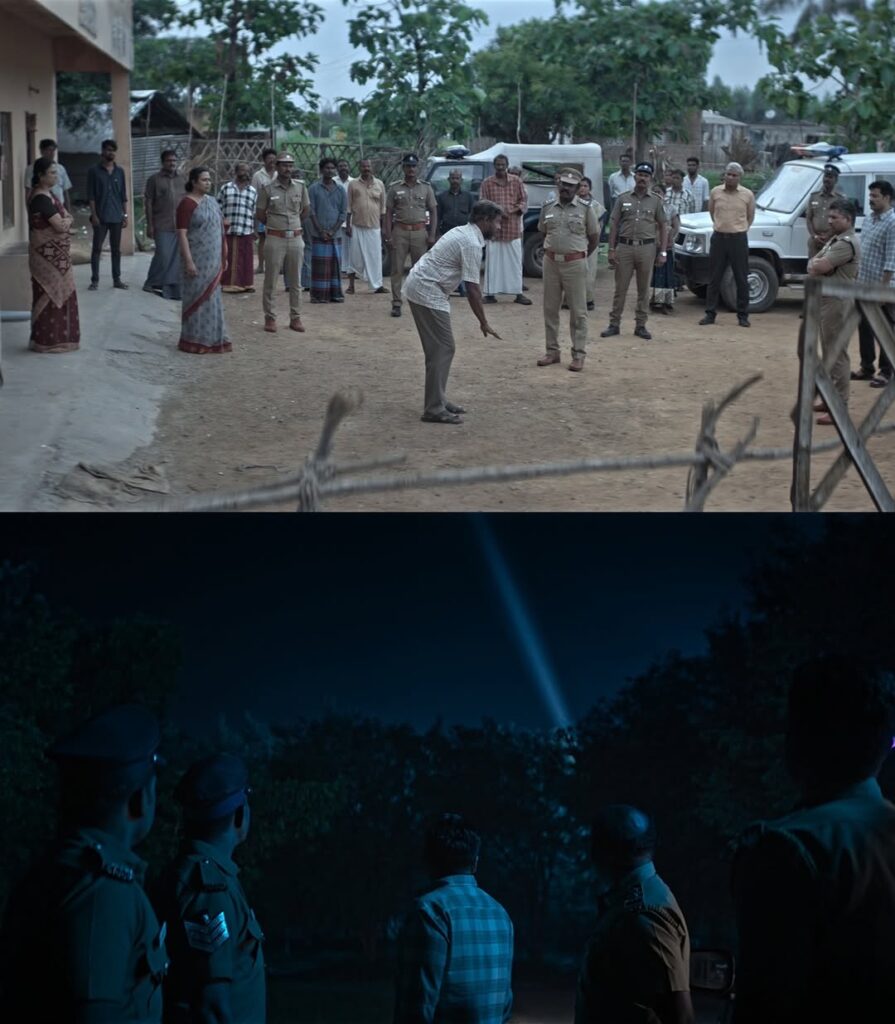
To avoid visual monotony, each episode opens and closes with the same house exterior, yet never from the same perspective. Foreground elements like trees, varied compositions, and shifting angles brought subtle dynamism while maintaining continuity.
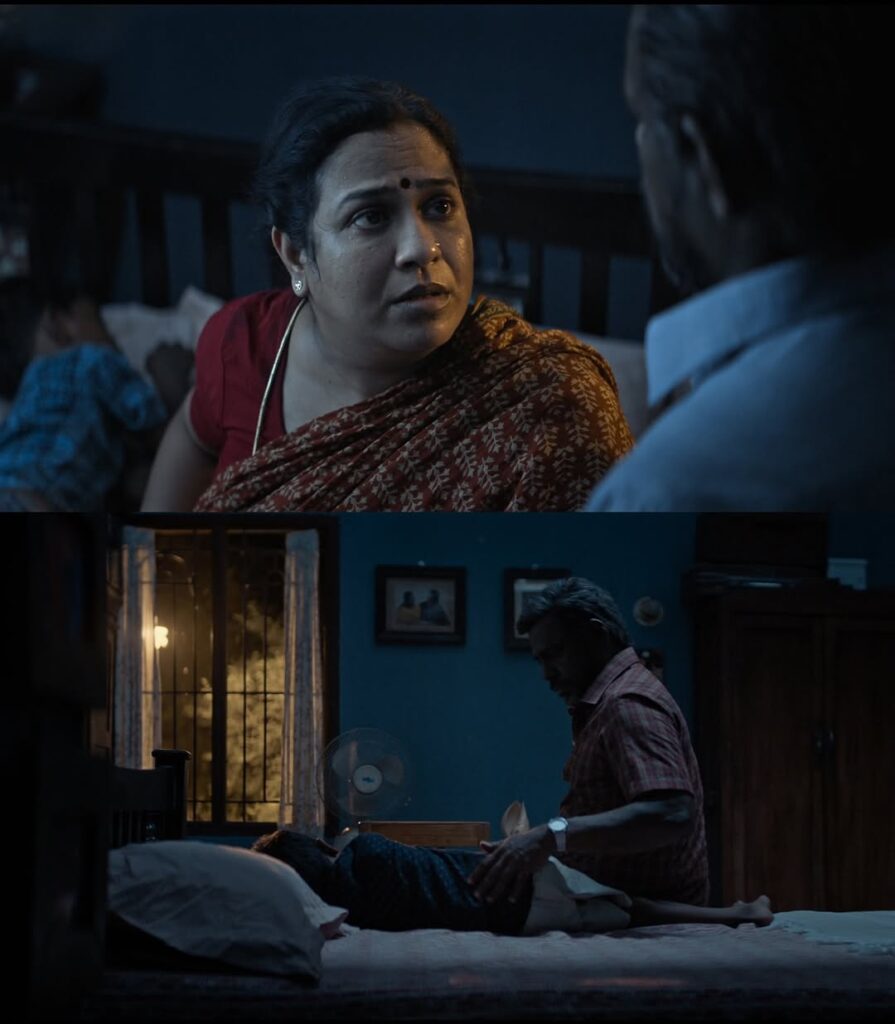
Actor Pasupathy’s ability to deliver sustained performances made these uninterrupted shots possible.
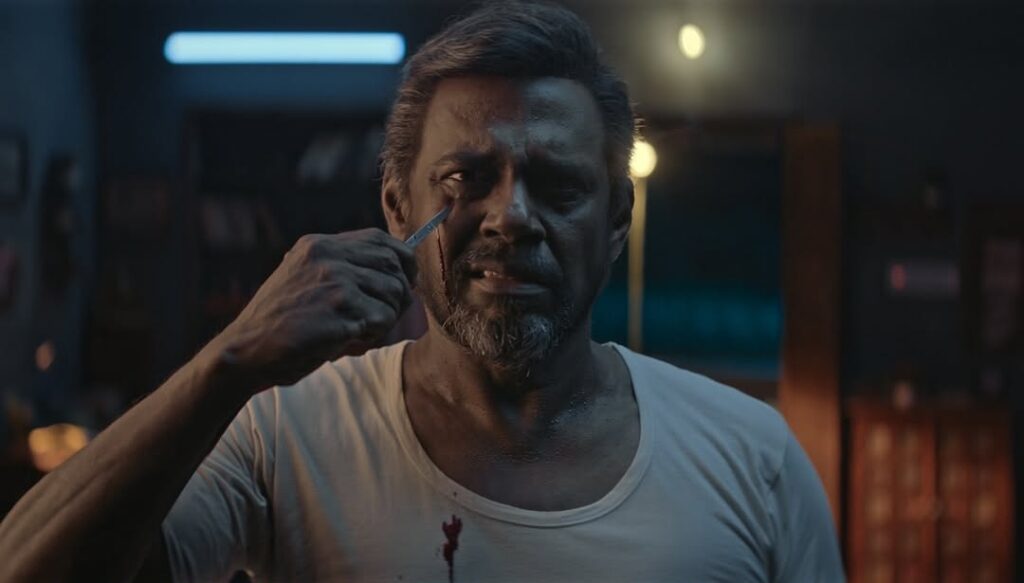
“With actors like Pasupathy, you don’t cut quickly. You let the performance breathe.”
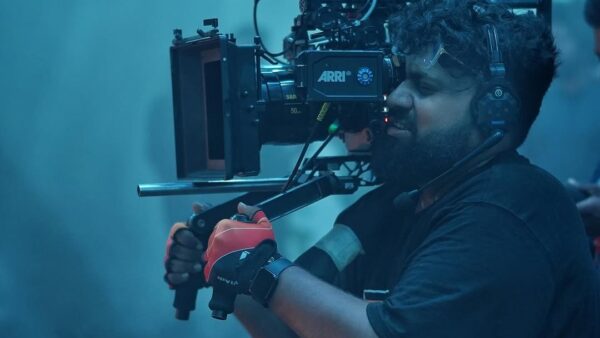
For this interior-heavy narrative, Cooke Full Frame Anamorphic lenses became central to Farook’s visual expression.
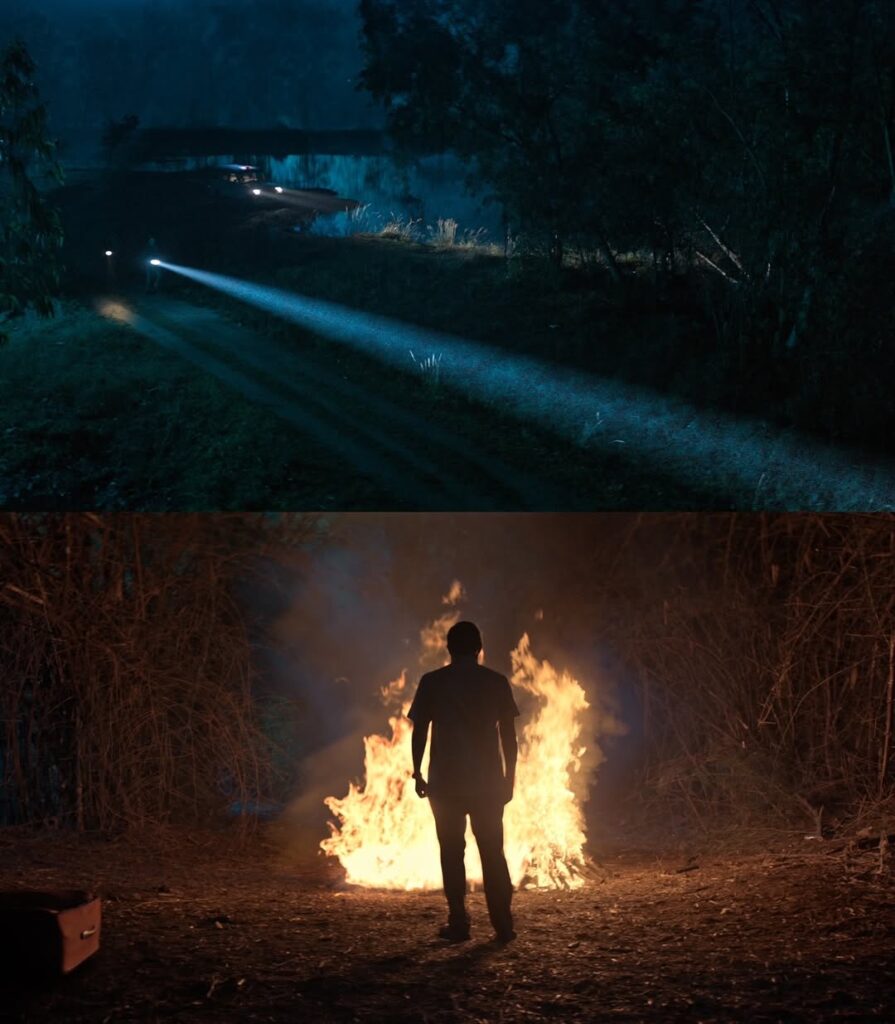
With multiple practical lights in frame, the lenses produced soft flares, organic bokeh, and gentle distortion—adding intensity without distraction
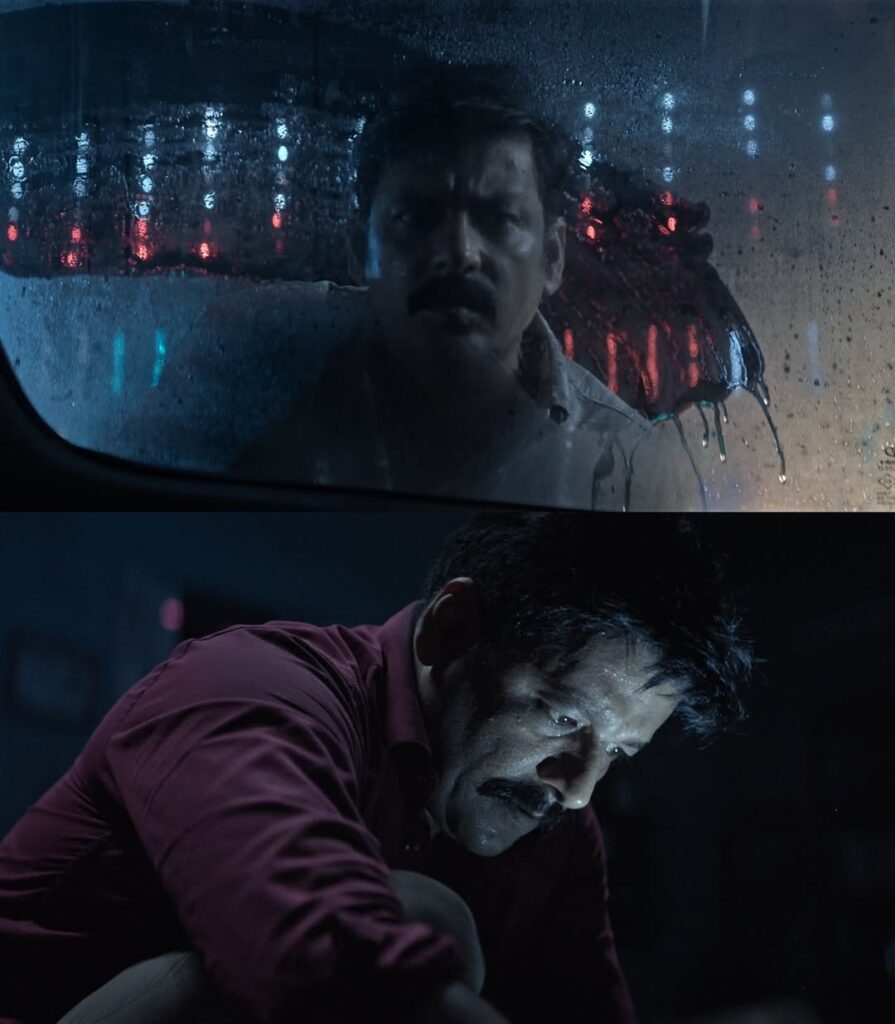
“Cooke anamorphic lenses give me flares and bokeh that feel emotional, not decorative.”
The same qualities proved essential in high-end advertising, including his work for Kalyan Jewelers, featuring Amitabh Bachchan and Jaya Bachchan. The campaign was staged like a film set within a film set,
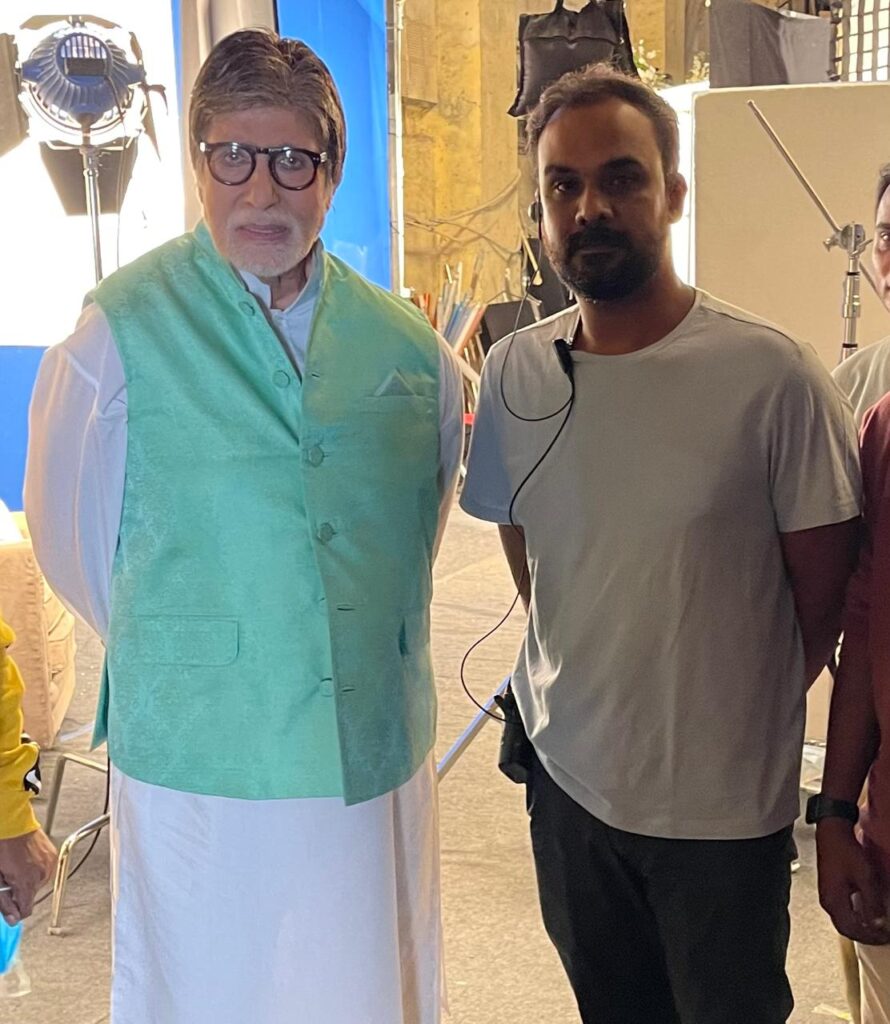
with visible background lights forming part of the visual language. Here, Cooke’s ability to preserve minute jewelry detail while maintaining soft skin tones was critical.
“In advertising, minute detail matters. Cooke supports that without making the image feel clinical.”
For Farook Basha, cinematography is not about showing light—it is about revealing emotion, quietly and honestly, frame by frame
“A lens should support the cinematographer. Cooke lets me focus on the story.”