Search for lenses, articles and help
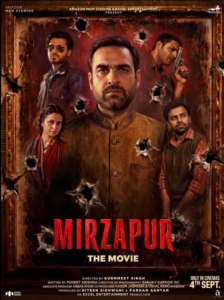 Mirzapur: The Movie
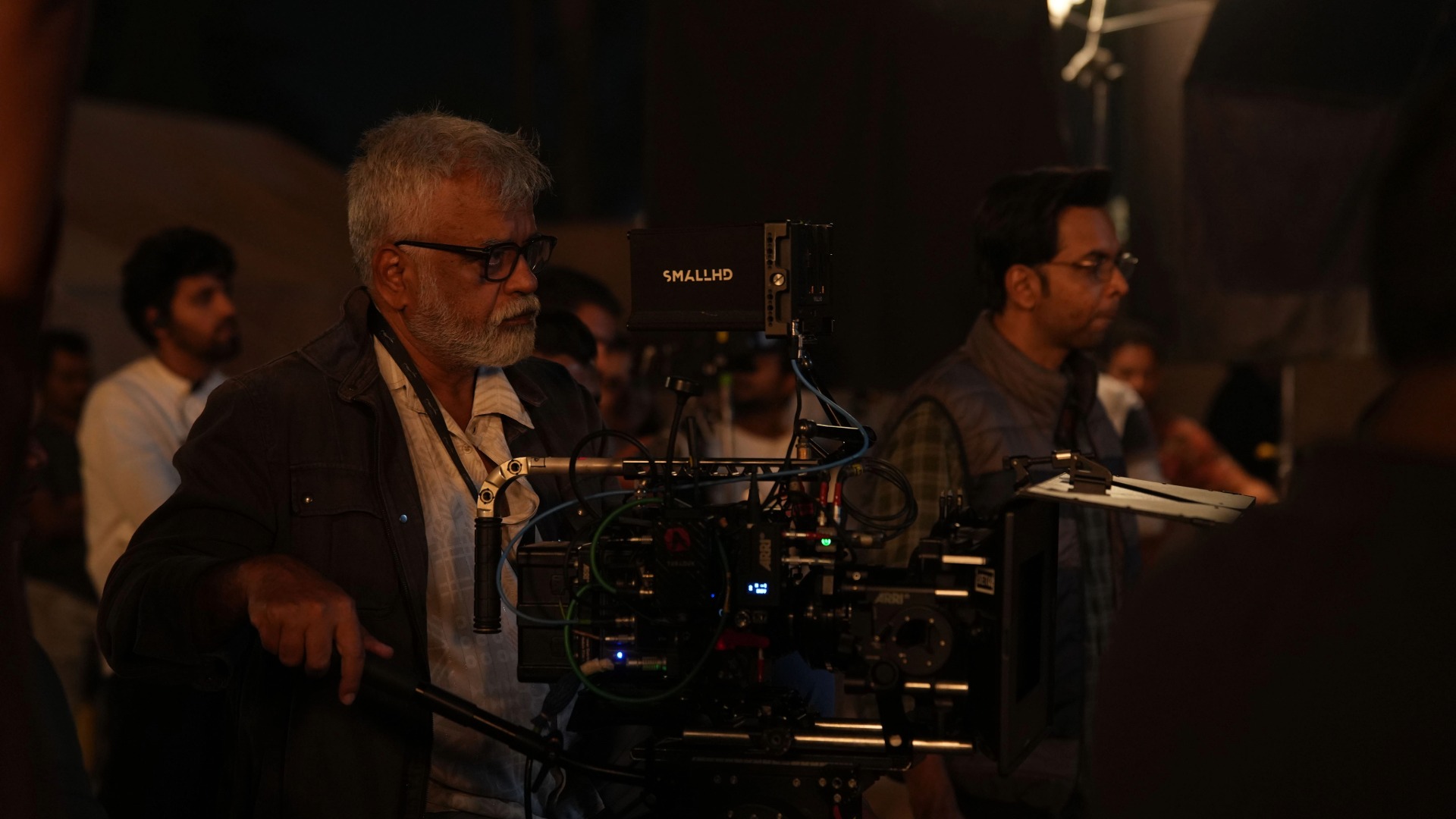
Sanjay Kapoor is a cinematographer whose work is rooted in a strong understanding of visual storytelling, atmosphere and the relationship between camera, light and character. His approach combines technical precision with a sensitivity to the emotional world of a story. His “job is to nudge the audience one way or another, nudge them towards memories, emotions, always extending the spoken word”
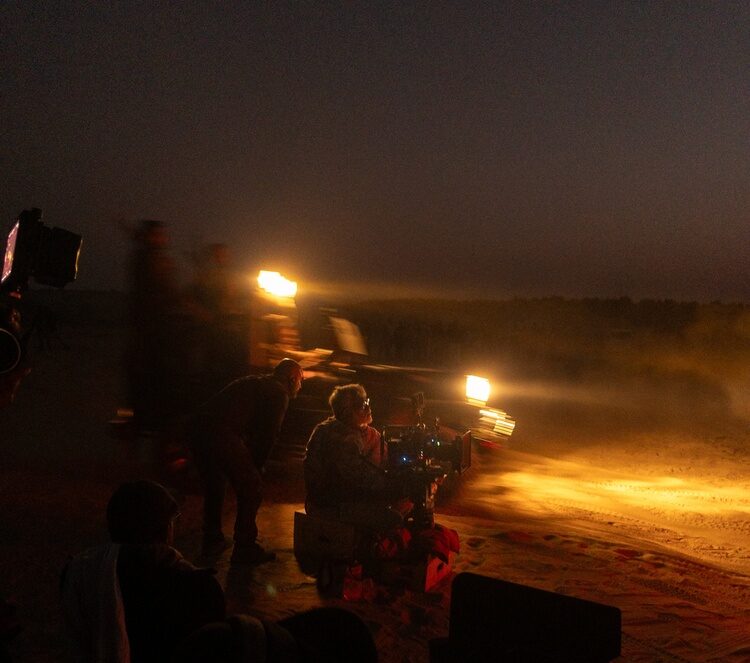
For the theatrical adaptation of Mirzapur, Kapoor faced the challenge of expanding a visual language already established across three successful seasons without losing the identity audiences had come to recognize. Rather than reinventing the world, he chose to retain its visual DNA while elevating its contrast, colour, scale and overall cinematic grandeur for the big screen, hoping for a stronger connect between the audience and imagery.
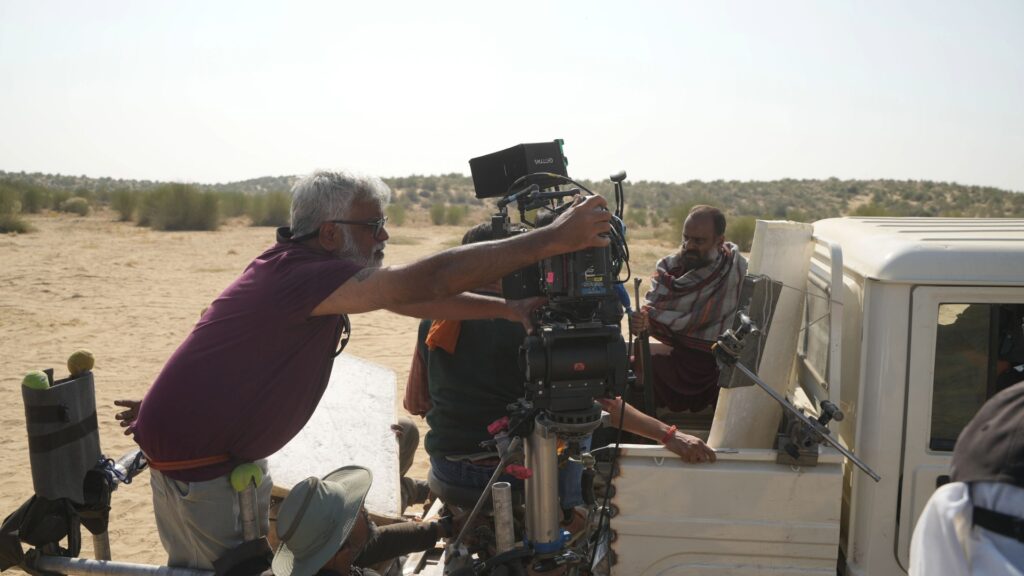
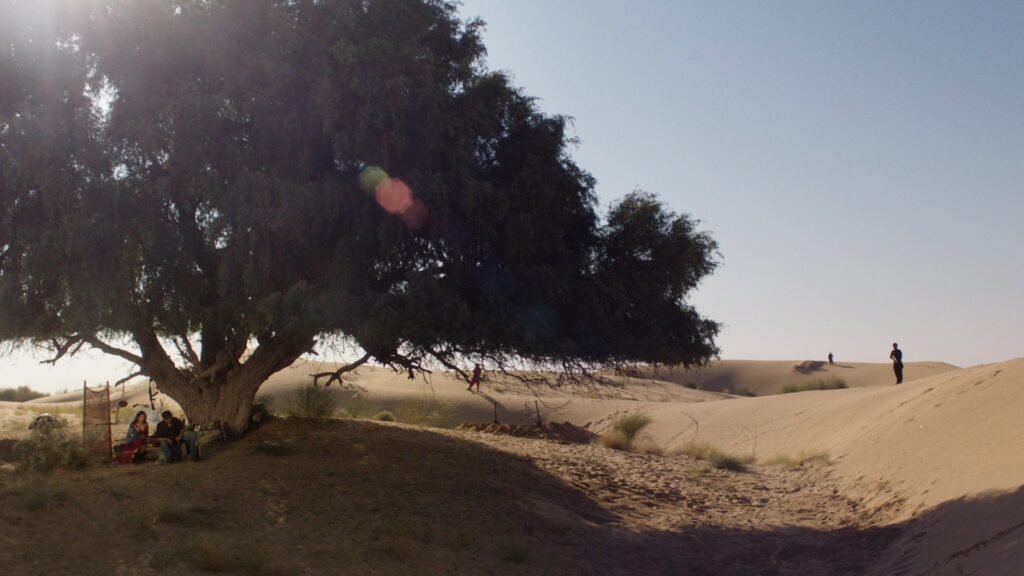
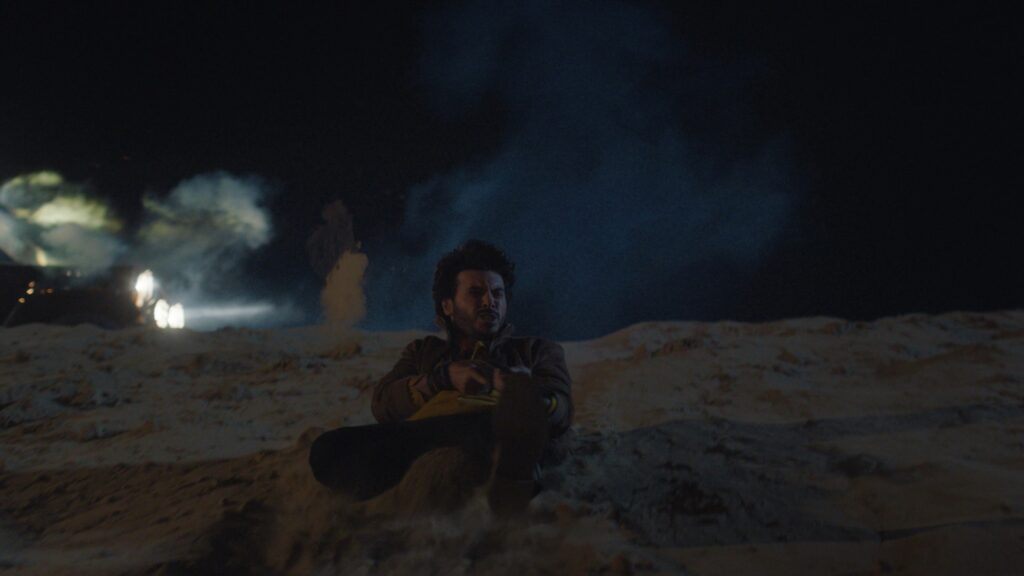
The film also expands the geography of Mirzapur. Set during the Season 1 era, when the central characters are younger and still shaping their journey toward power, the story moves beyond the familiar Uttar Pradesh landscape. More than half of the film takes place across Rajasthan, including Jaisalmer and Jodhpur, introducing sun-bleached landscapes and a warmer palette that creates a distinct visual contrast.
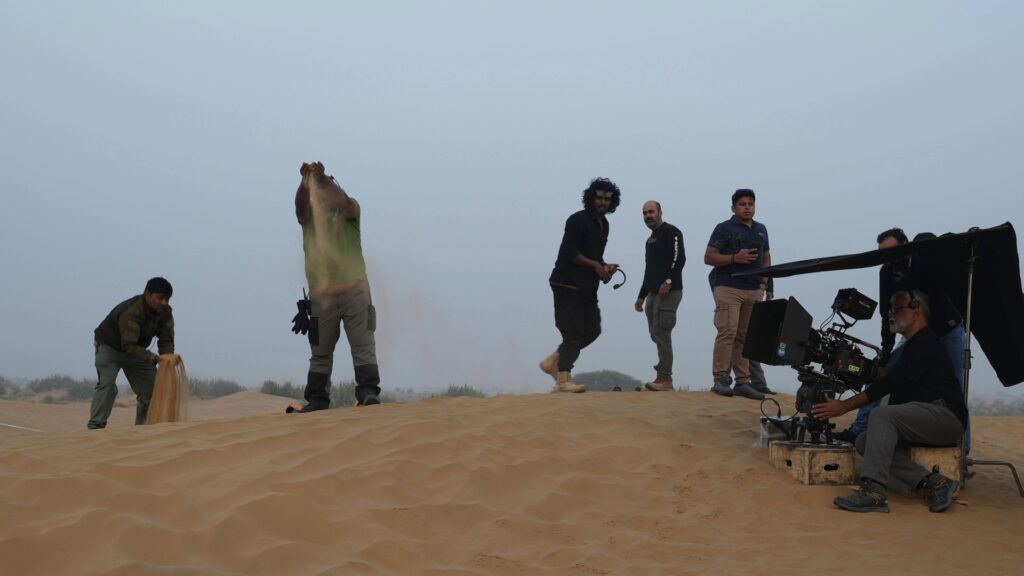
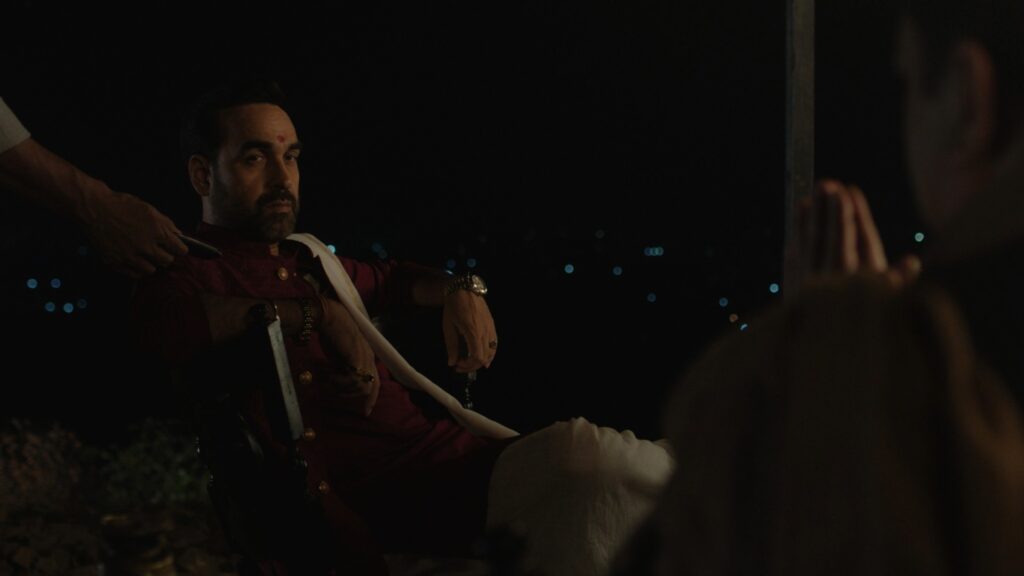
Kapoor’s visual language is built around this tension between confinement and expansion. Interior sequences frequently use frame-within-a-frame compositions through doorways, windows and architectural openings, suggesting isolation and entrapment. In contrast, expansive exterior compositions open up the frame, reflecting movement, ambition and the characters’ desire to extend their territory.
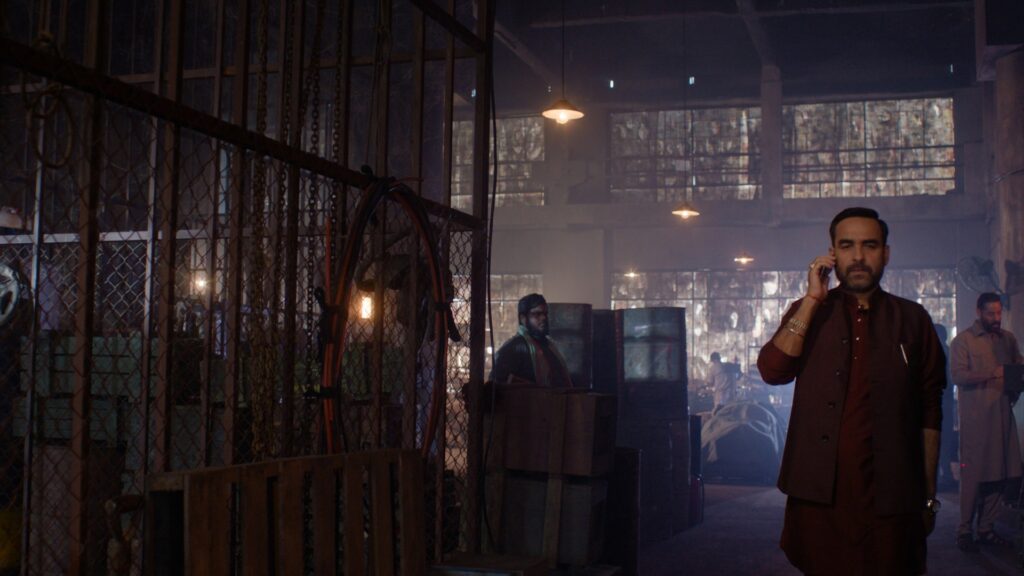
This contrast is further reinforced through lighting, with cooler, dimly lit interiors set against harsh, bright exterior environments.
The transition to the theatrical format also prompted a careful reconsideration of the lens package.
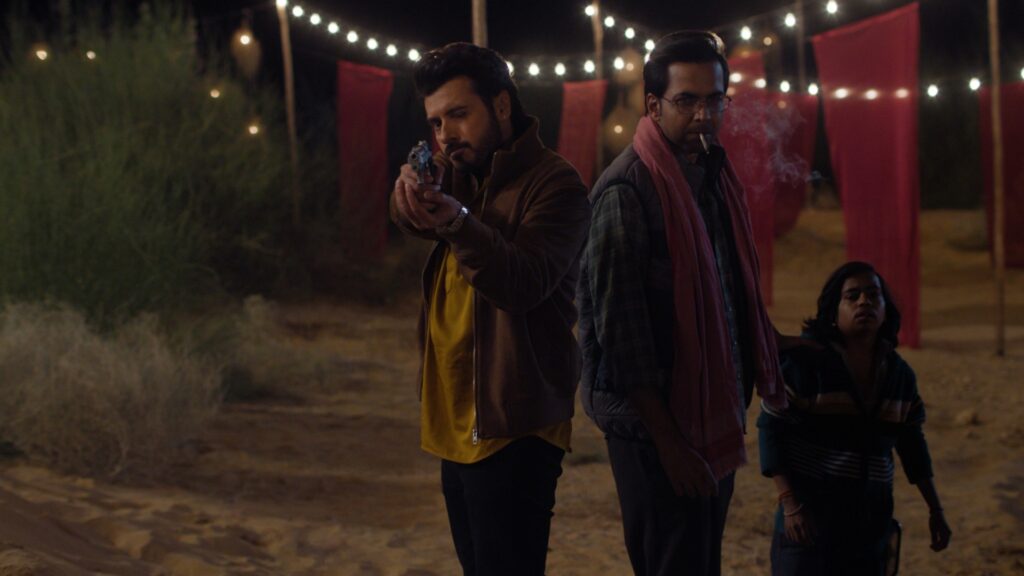
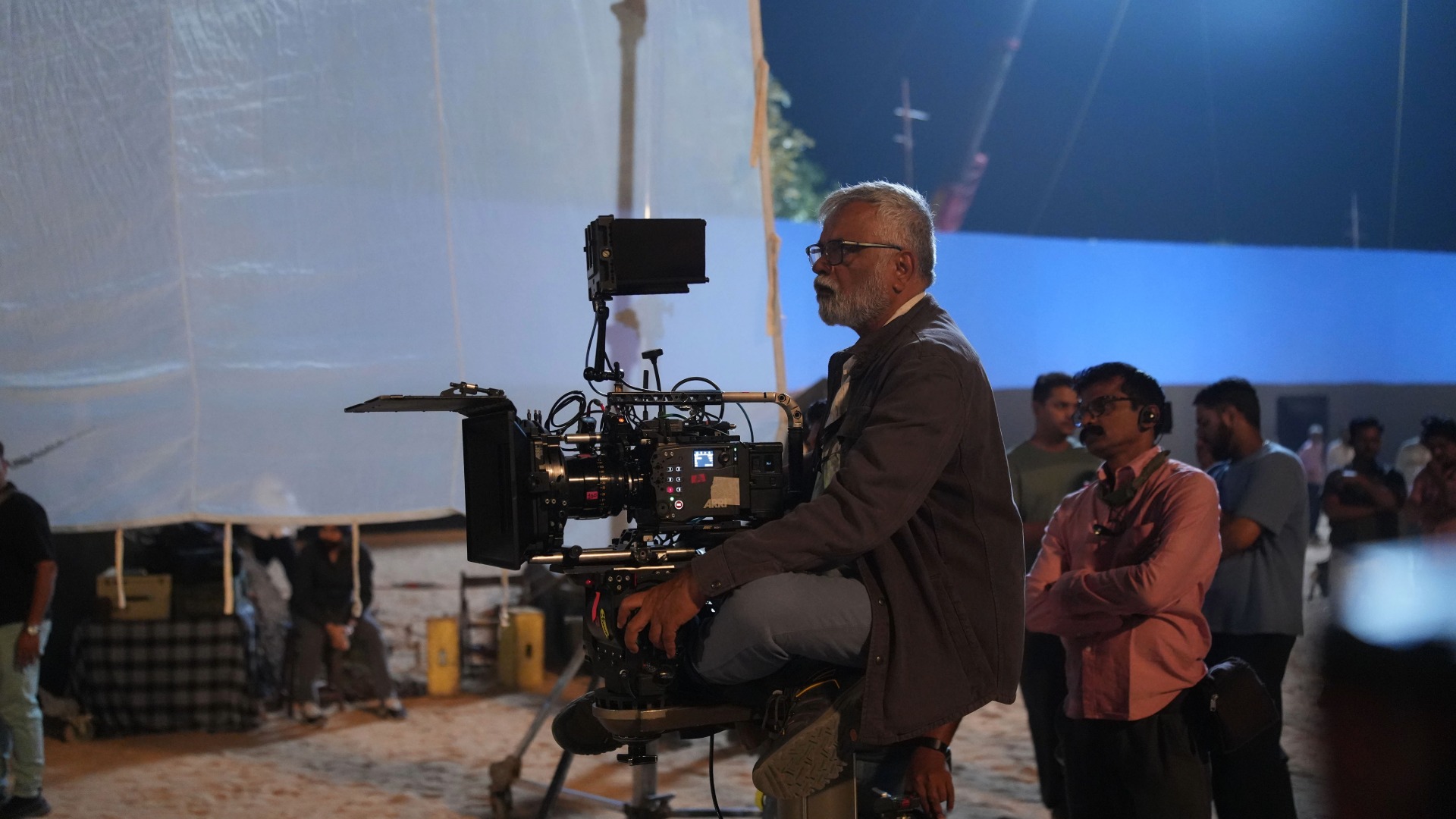
Anamorphic lenses were initially considered for the film’s 2.40:1 presentation, but the practical demands of the production ultimately led Kapoor towards spherical optics. The film’s extensive use of Steadicam, mechanical cranes and Russian-arm work required a camera package that could remain agile during complex action sequences.
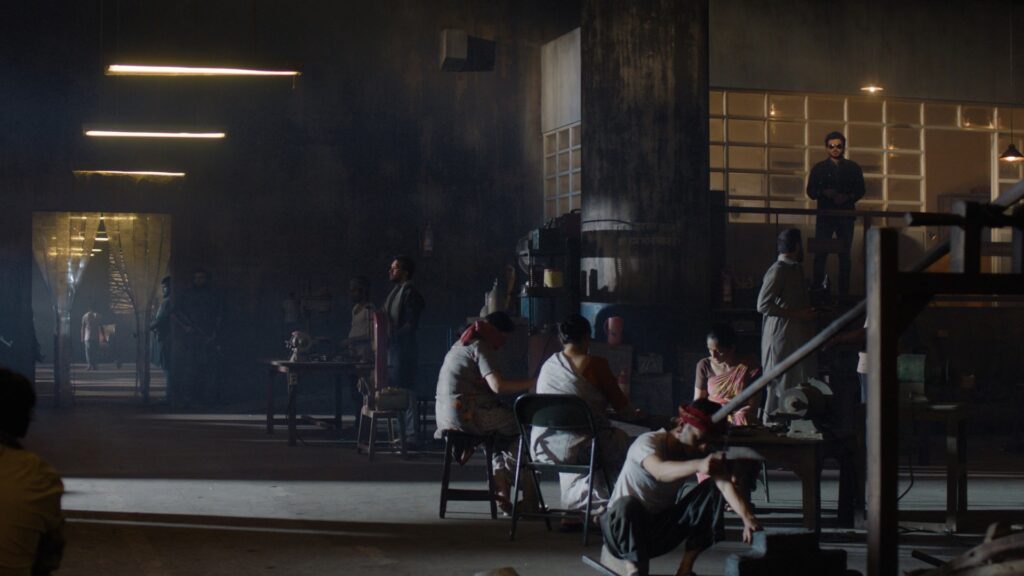
“We initially planned to shoot anamorphic because we wanted the 2.40:1 aspect ratio. But as we considered the practical requirements of the film, we decided against it.”
The physical demands of the production were an important consideration, particularly during action sequences involving complex camera movements.
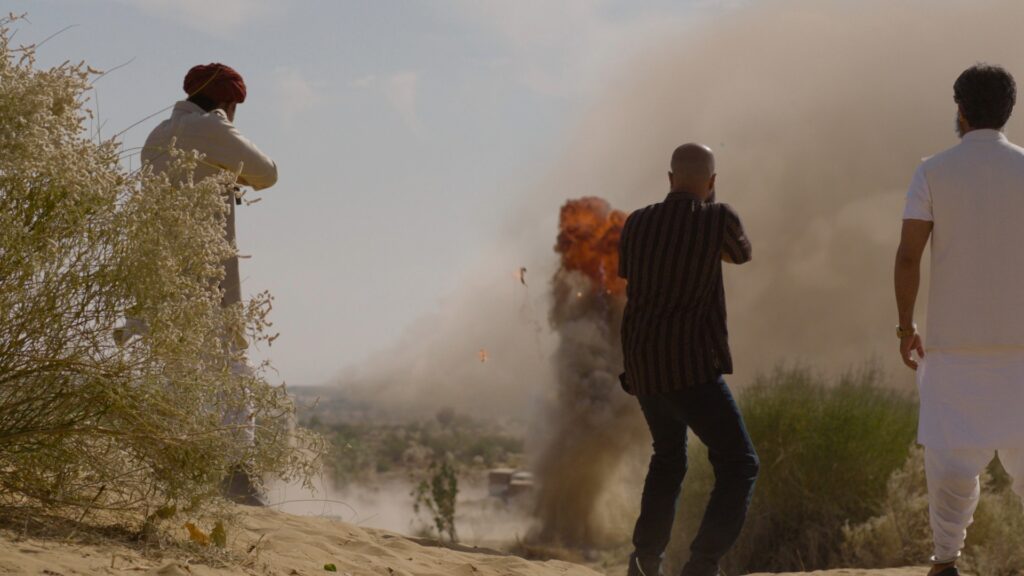
“The weight and mobility of anamorphic lenses were important considerations. We had Steadicam, mechanical cranes and Russian-arm work, particularly for the action sequences. The physical bulk of anamorphic setups could make those movements more difficult.”
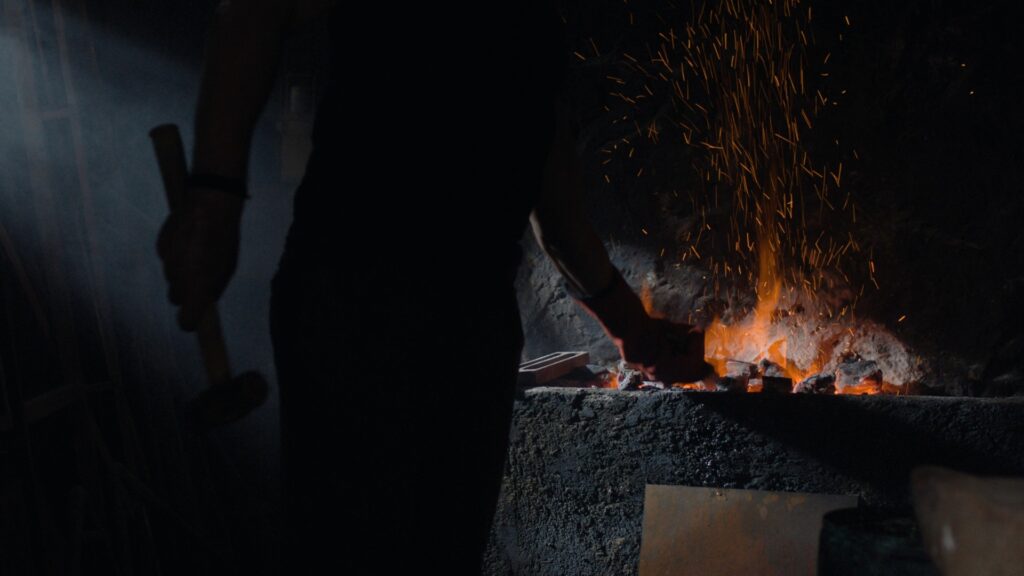
Lighting requirements also played a role. Several night sequences relied heavily on practical firelight and ambient sources, making the higher light requirements associated with anamorphic optics less practical. Kapoor explains:
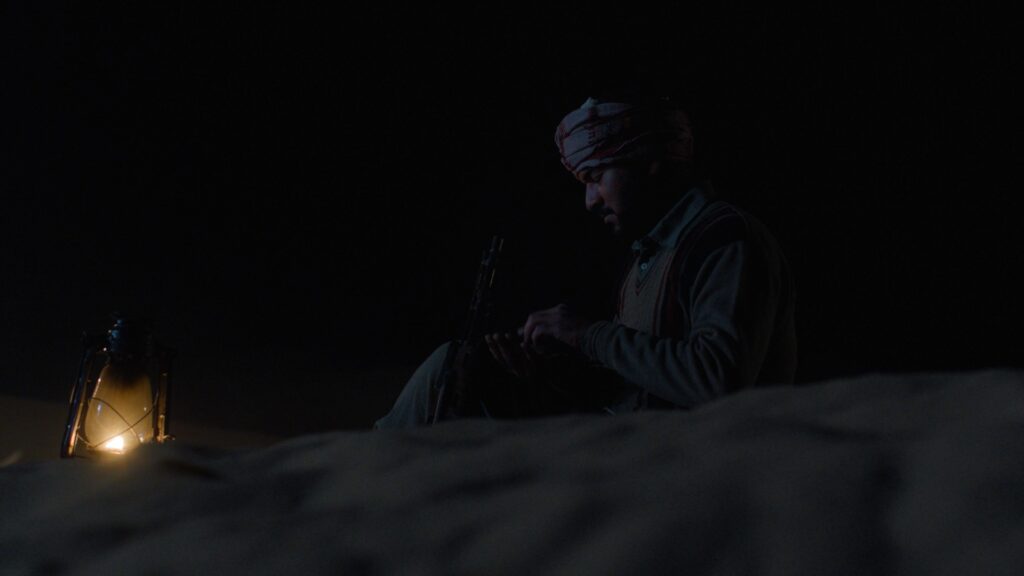
“Lighting was another factor. Some of our night sequences depended heavily on practical firelight and ambient sources. Anamorphic lenses require higher light levels, and that wasn’t always compatible with the way we wanted to approach those scenes.”
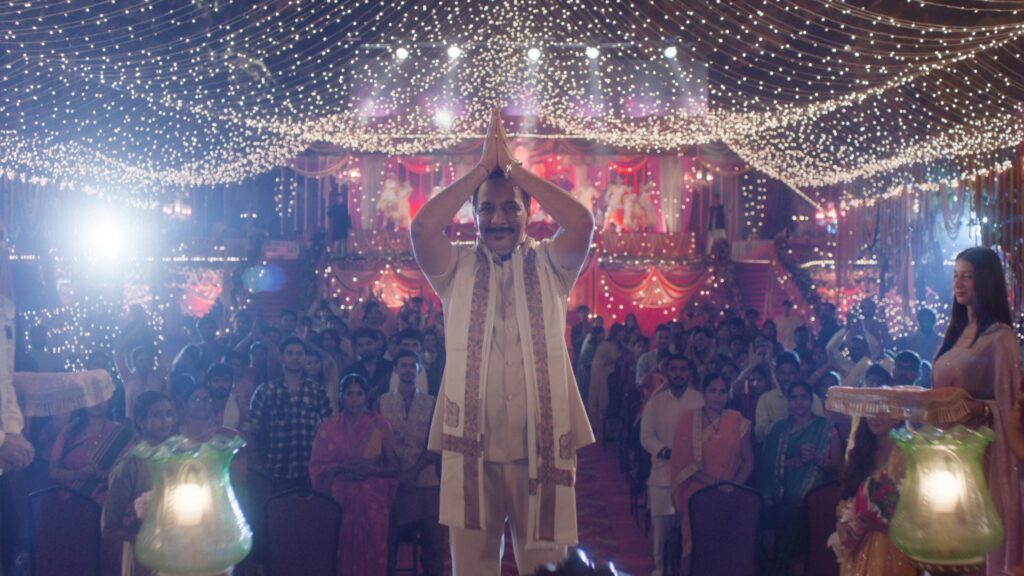
Depth of field was another important consideration, particularly in scenes involving multiple actors where maintaining focus across the frame was essential.
“Then there is the issue of focus. If you are shooting wide open around T2.5 or T2.8, the depth of field becomes extremely shallow. When you have two or three actors in a frame, maintaining all of them in focus becomes difficult. Constantly racking focus between characters can also become visually tiring for the audience over the course of a feature.”
Ultimately, the decision was to work with spherical optics while retaining the intended theatrical widescreen presentation.
“So we chose the ARRI ALEXA 35 in Super 35, framed for 2.40:1, with Cooke S4/i primes.”
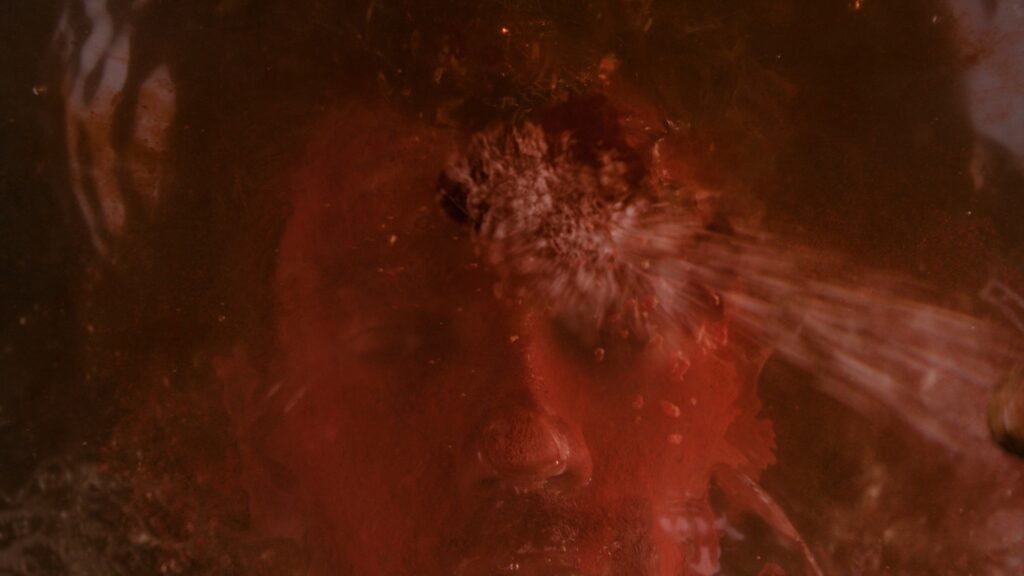
“I like the way the Cooke S4/i renders faces. There is a familiarity to the image. The colour reproduction is soft, the highlight roll-off feels organic, the background bokeh is smooth and the skin tones remain natural.”
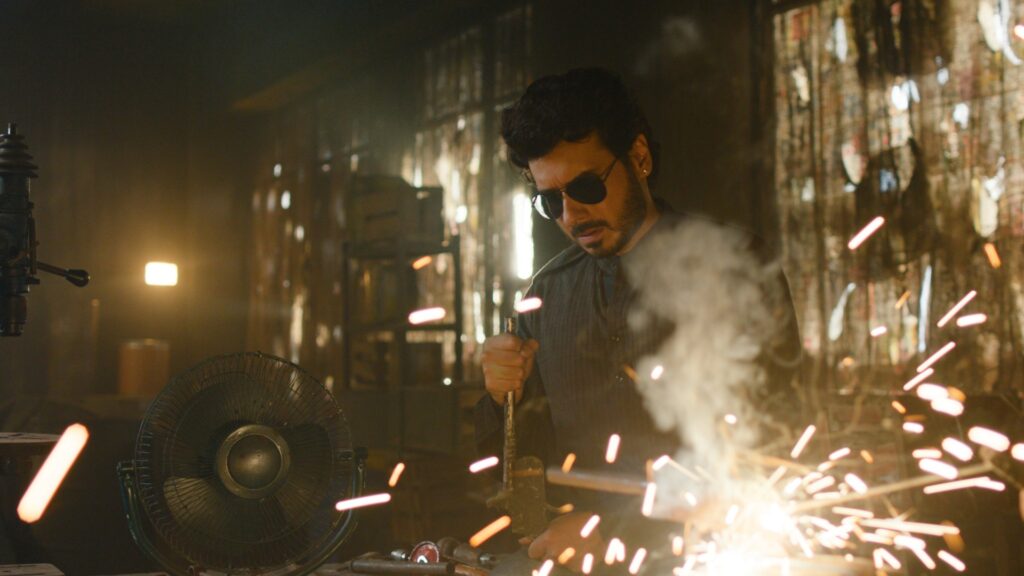
Rather than using the optics to create an entirely new aesthetic, the choice allowed the cinematography to evolve while maintaining continuity with the established visual identity of the series.
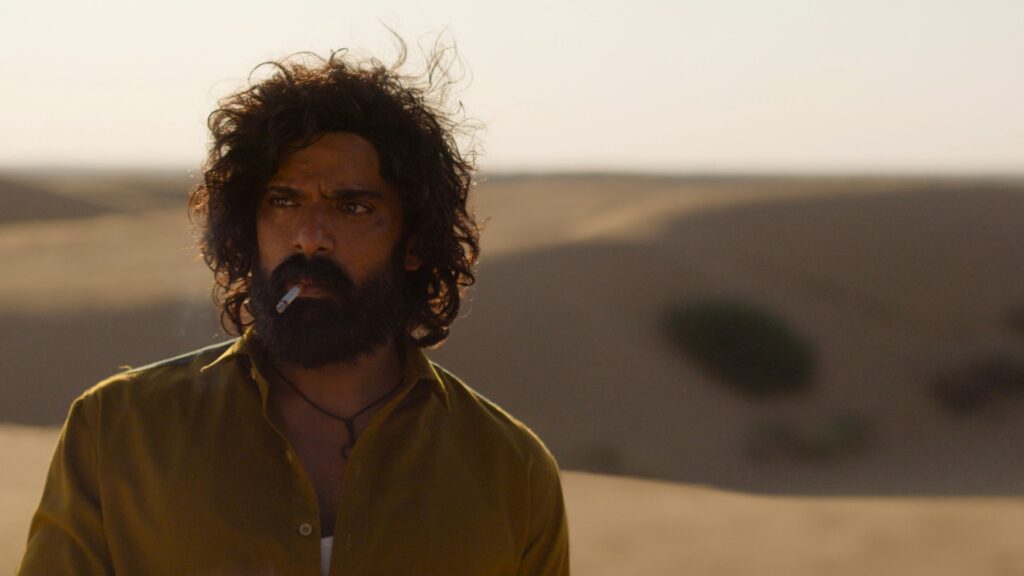
The cinematography of Mirzapur: The Movie is about finding a balance between familiarity and reinvention. Kapoor’s approach preserves the visual identity audiences recognize while adapting it to the scale, richness and demands of theatrical storytelling.
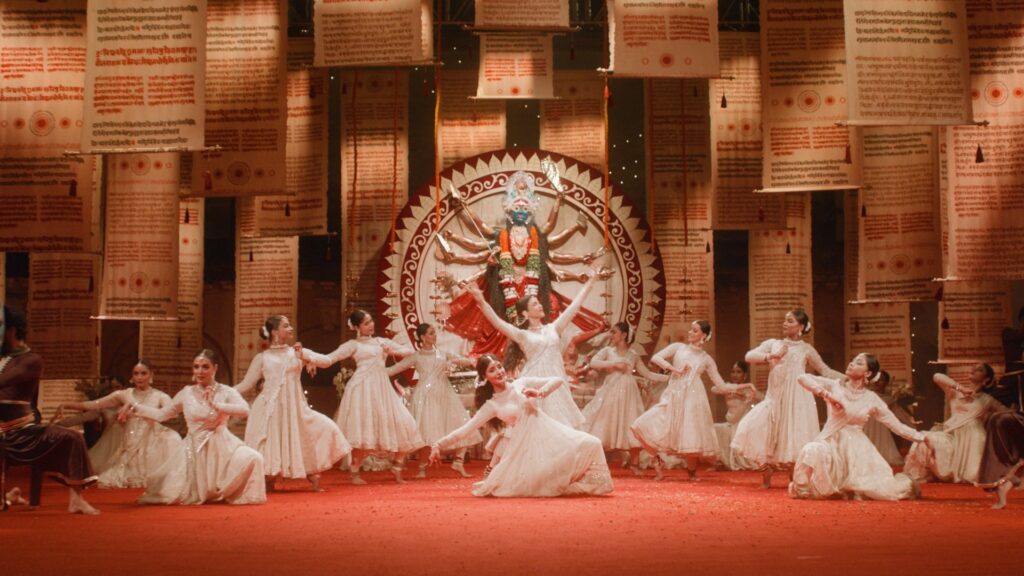
Reflecting on the overall creative intention behind the film and the role of Cooke S4/i lenses in achieving it, Kapoor concludes:
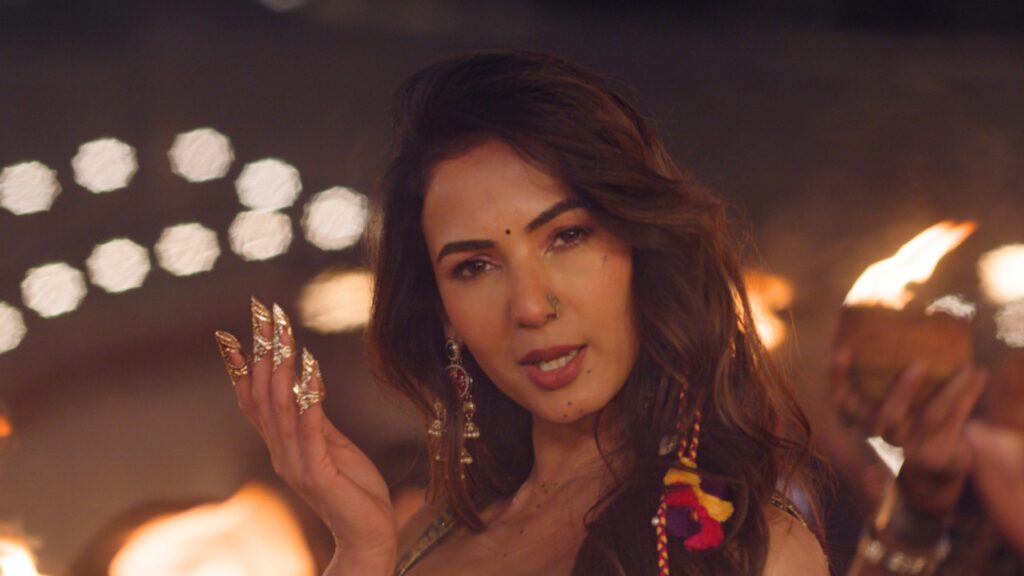
“Ultimately, we didn’t want the theatrical version of Mirzapur to look completely disconnected from what audiences already know. The intention was to retain that visual DNA while giving it more scale, richness and cinematic presence. The Cooke S4/i helped us achieve that balance.”
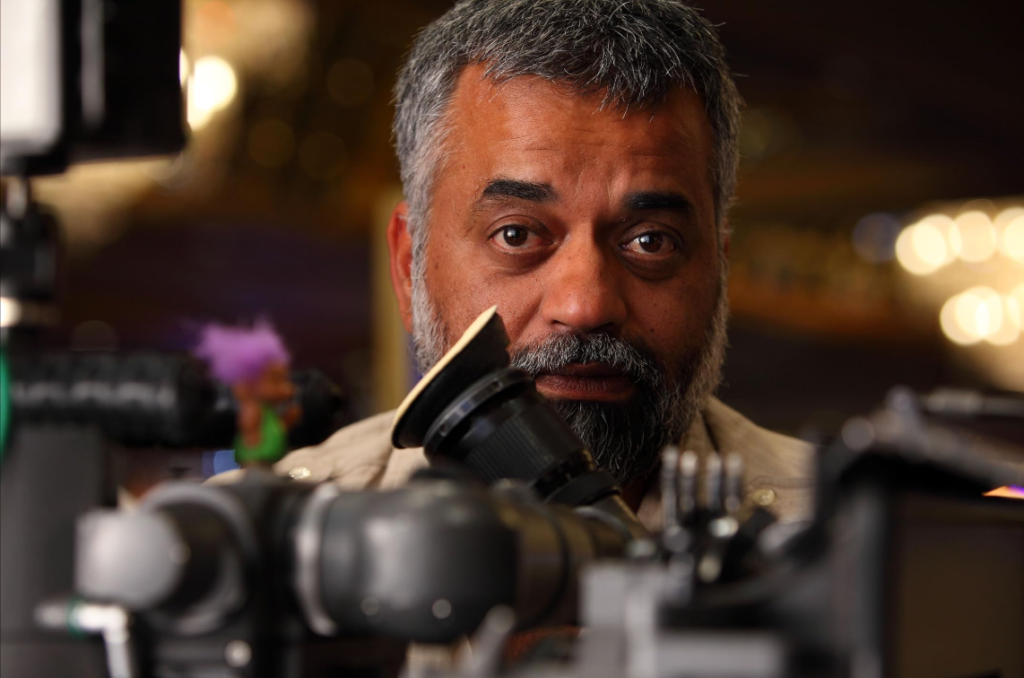
Sanjay Kapoor | Director of Photography