Search for lenses, articles and help
 Bachelor party D’eux
A cinematographer’s exploration of vintage Cooke glass, contemporary digital imaging and the creative control of optical character.
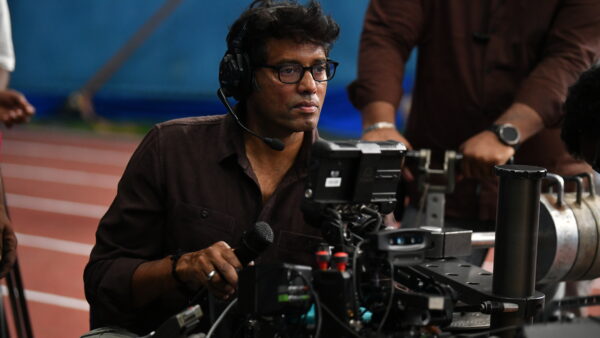
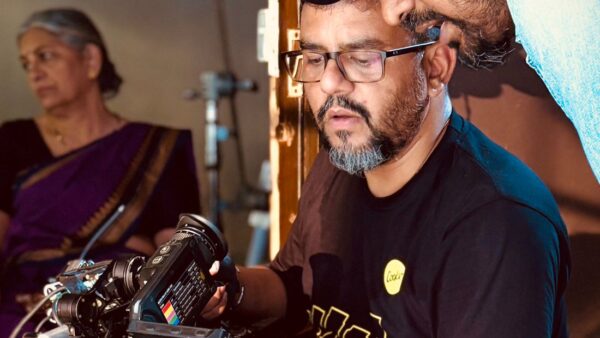
For Appu Prabhakar, the call from Amal Neerad was more than an invitation to work on another film. It marked a significant moment in his career, an opportunity to collaborate with a filmmaker whose visual sensibility he admired and to bring his own approach to a project that offered considerable creative freedom.
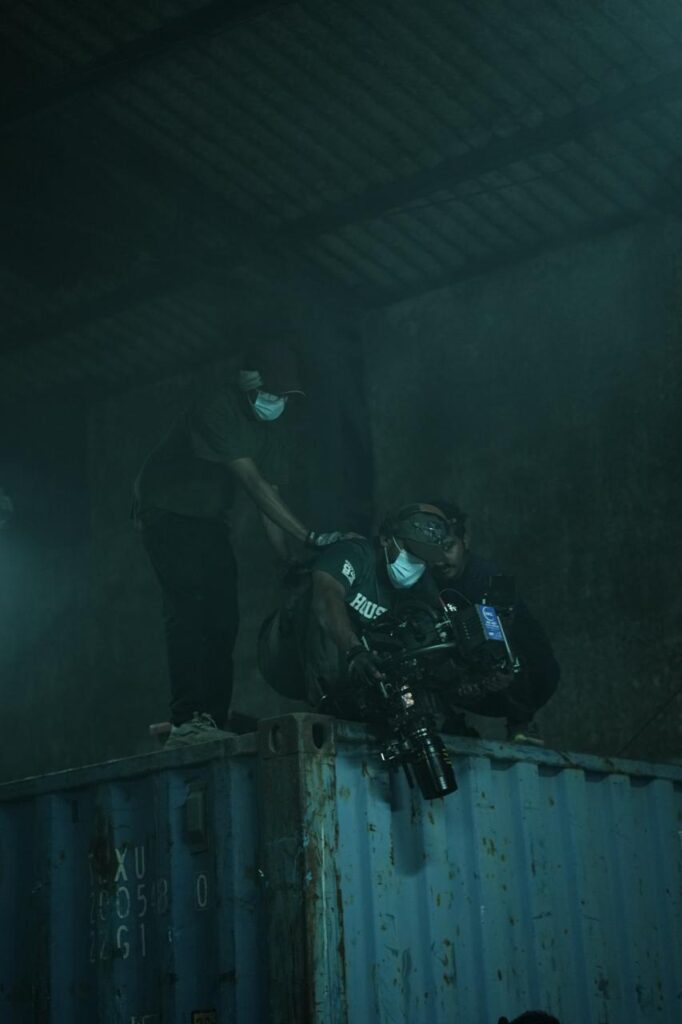
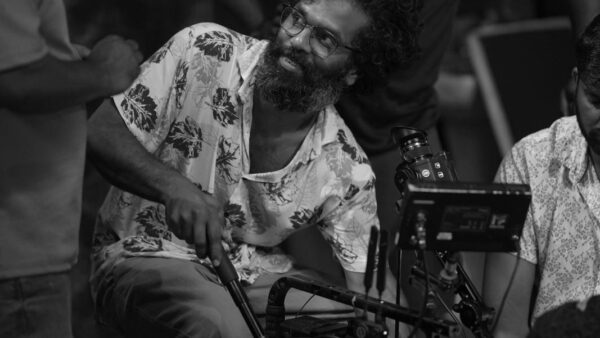
Pre-production began in September, principal photography commenced in January, and the shoot concluded in May. The film involved 101 shooting days across three schedules. Amal Neerad chose to give the film the time it required, with its extensive cast, complex character combinations and special appearances, including Tovino, contributing to the demanding schedule.
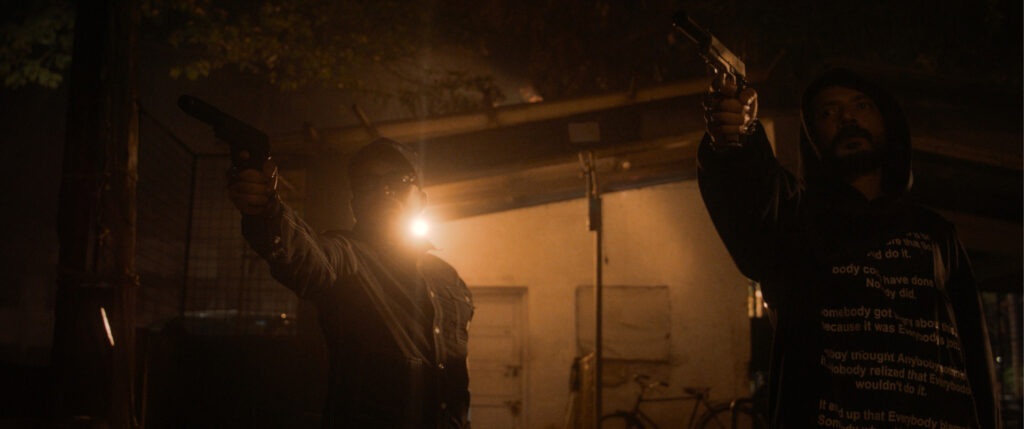
Kochi is a city audiences have seen through countless cinematic interpretations. The challenge was not simply to photograph its streets and surroundings, but to find a visual perspective that felt fresh without losing the city’s inherent character.
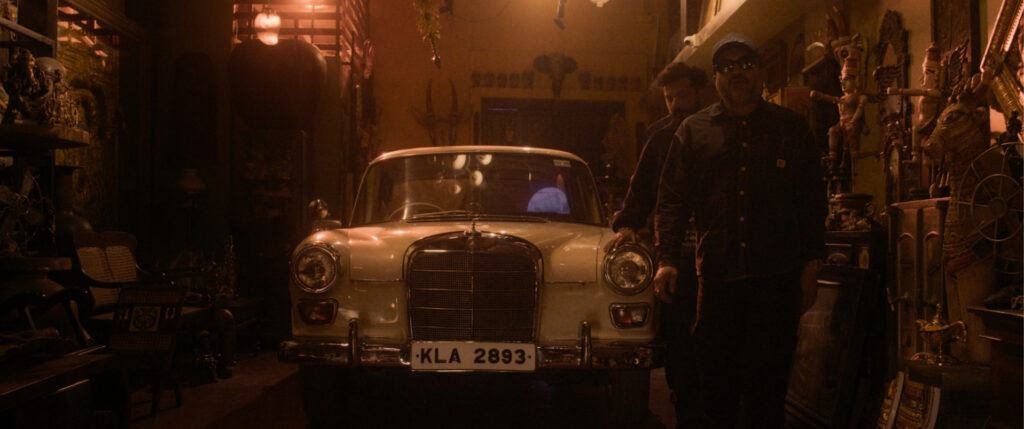
The team wanted to steer clear of both a purely observational, documentary approach and an overly polished, artificial aesthetic. Instead, they gravitated towards a gritty, grounded visual language, drawing inspiration from the atmospheric crime dramas Company and Satya.
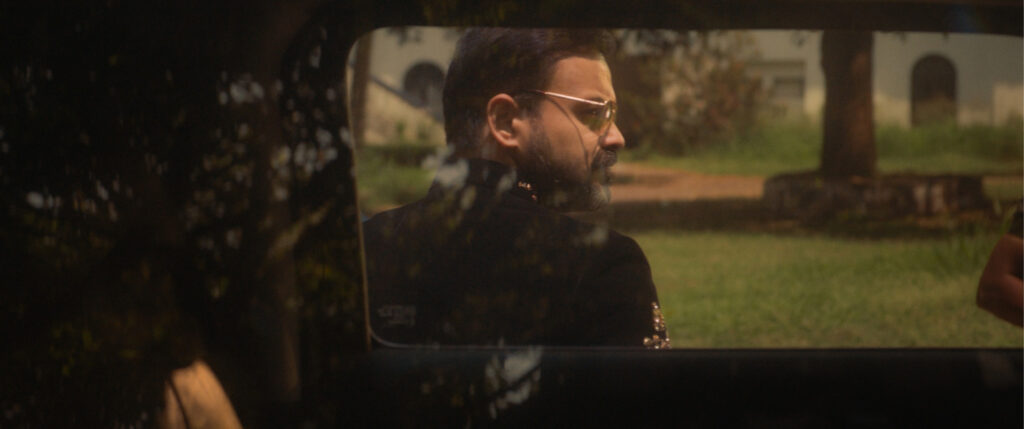
The objective was to preserve the authenticity of the locations while giving the city a distinct cinematic identity of its own.
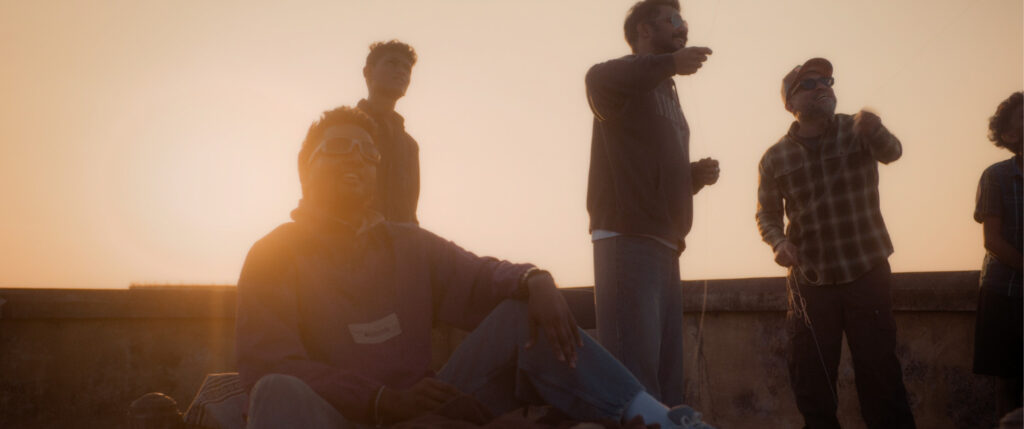
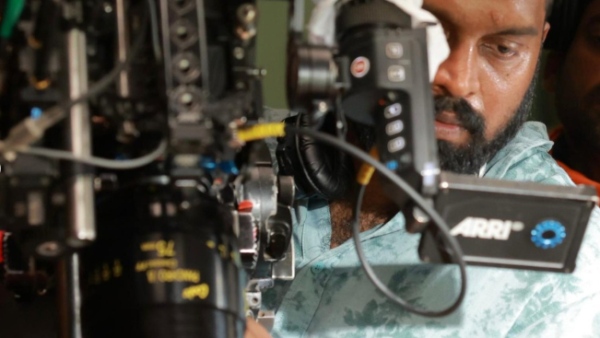
At the heart of D’eux’s visual approach was the choice of vintage Cooke Panchro prime lenses, paired with the Sony VENICE 2. Rather than prioritizing sharpness and optical correction alone, Appu Prabhakar was interested in the distinctive rendering of the Panchros and how their optical characteristics could contribute to the film’s visual identity.
The lenses brought an organic quality to the image, with natural fall-off, characteristic aberrations and expressive flare. But their character was not something the cinematographer wanted to treat as a fixed look. It became something he could shape.
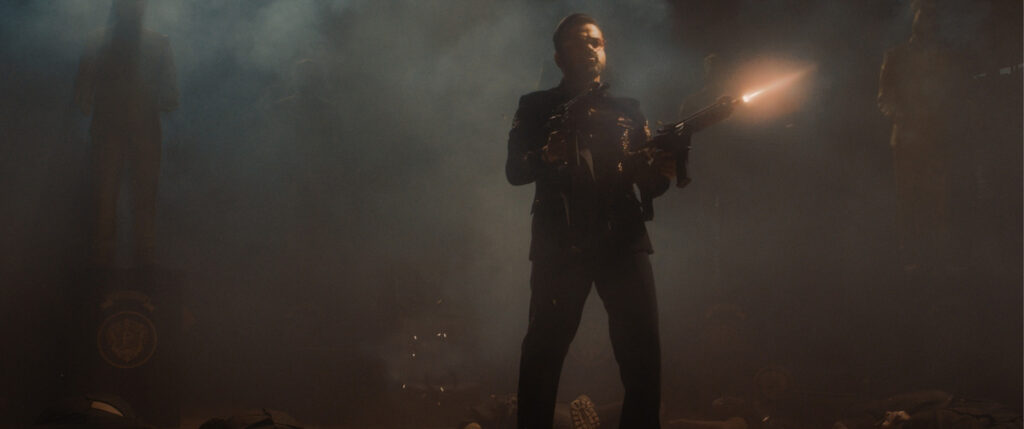
Aperture played an important role in that process, influencing not only exposure but also how the lenses rendered the image.
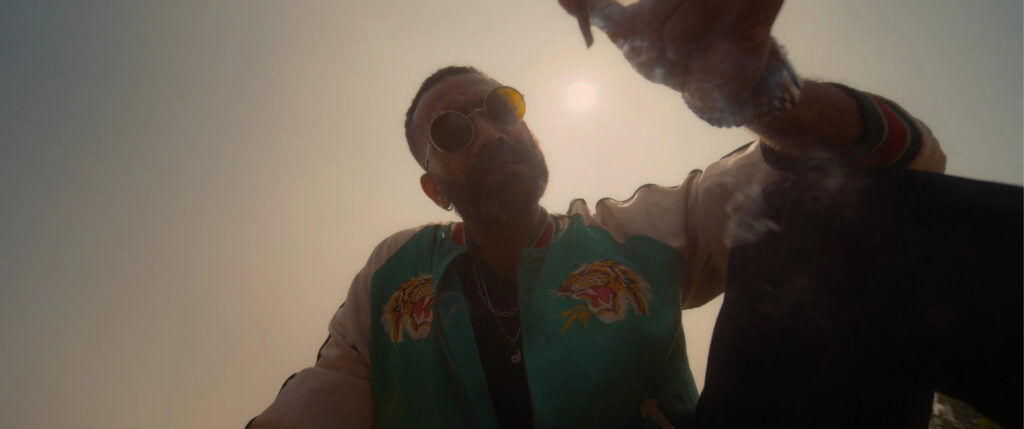
Wide open, the Panchros revealed more of their vintage character softer edges, pronounced optical aberrations, distinctive flare and a more organic fall-off. Stopping down to T4 or T5.6 produced a cleaner, crisper rendering, bringing greater control over some of those characteristics.
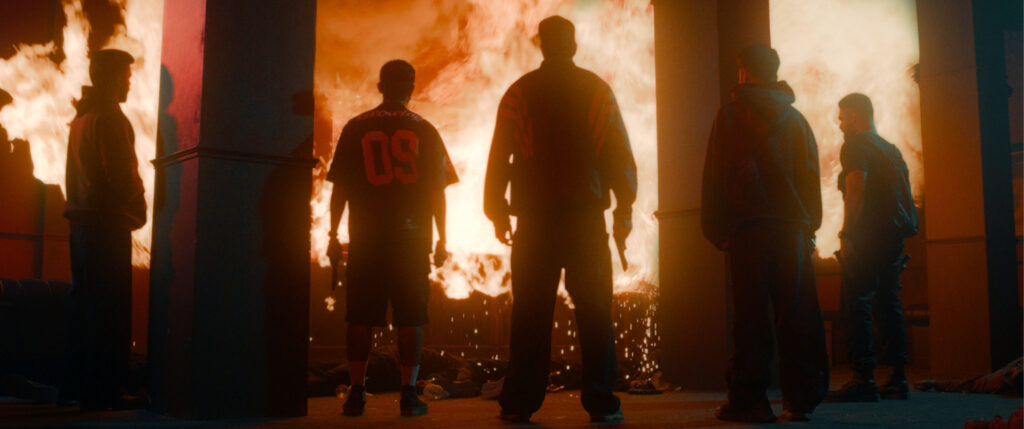
This gave Appu the flexibility to shift the image’s texture without changing lenses. The same Panchro could feel expressive and imperfect in one scene, then more restrained and defined in another.
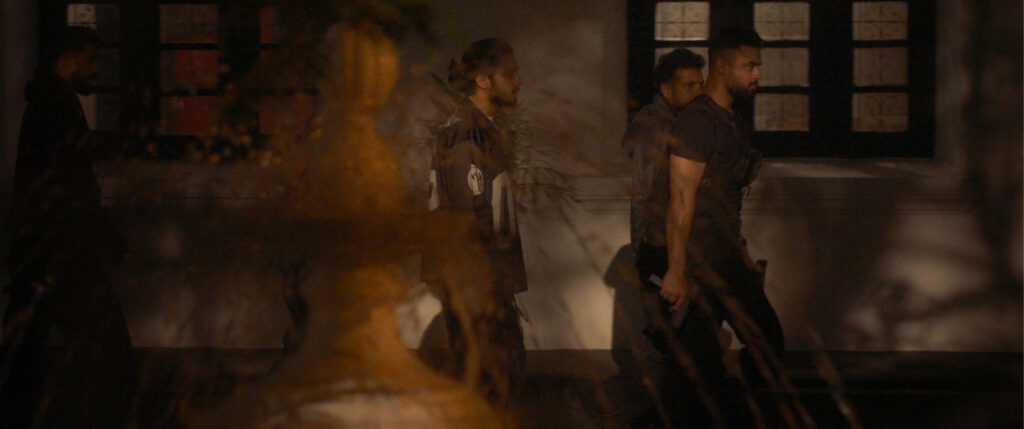
It is this understanding of optical behaviour that makes vintage lenses creatively compelling.
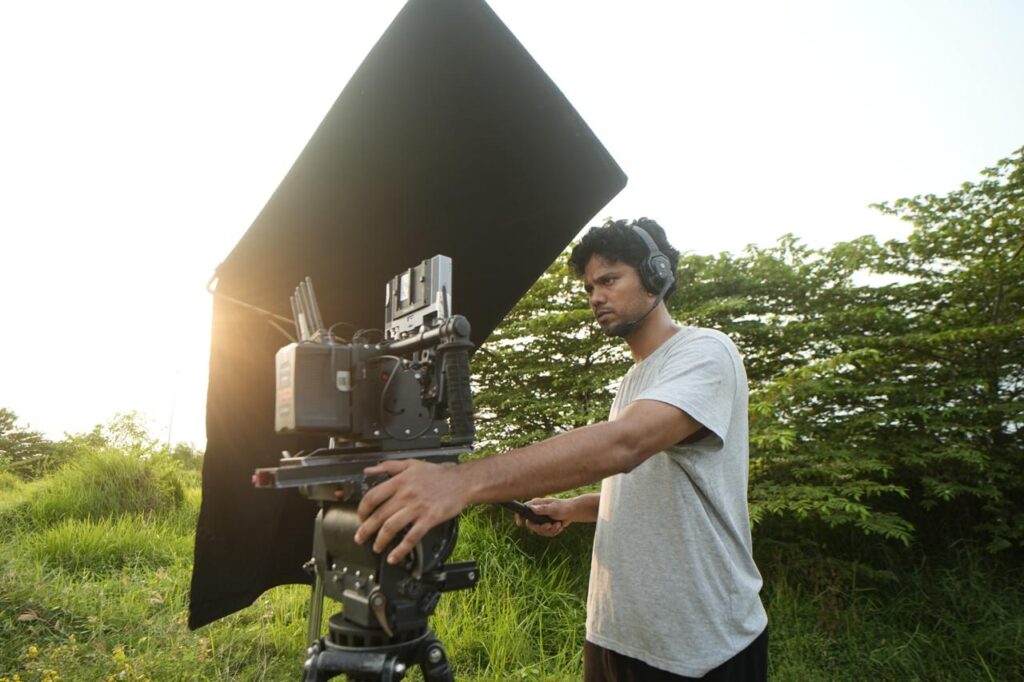
“Their character is not simply a look to be applied, but a quality to be explored, embraced or controlled depending on what the image calls for”
The Sony VENICE 2 provided the digital imaging platform for the Cooke Panchro lenses, bringing the flexibility of a contemporary cinema camera to the rendering of vintage optics.
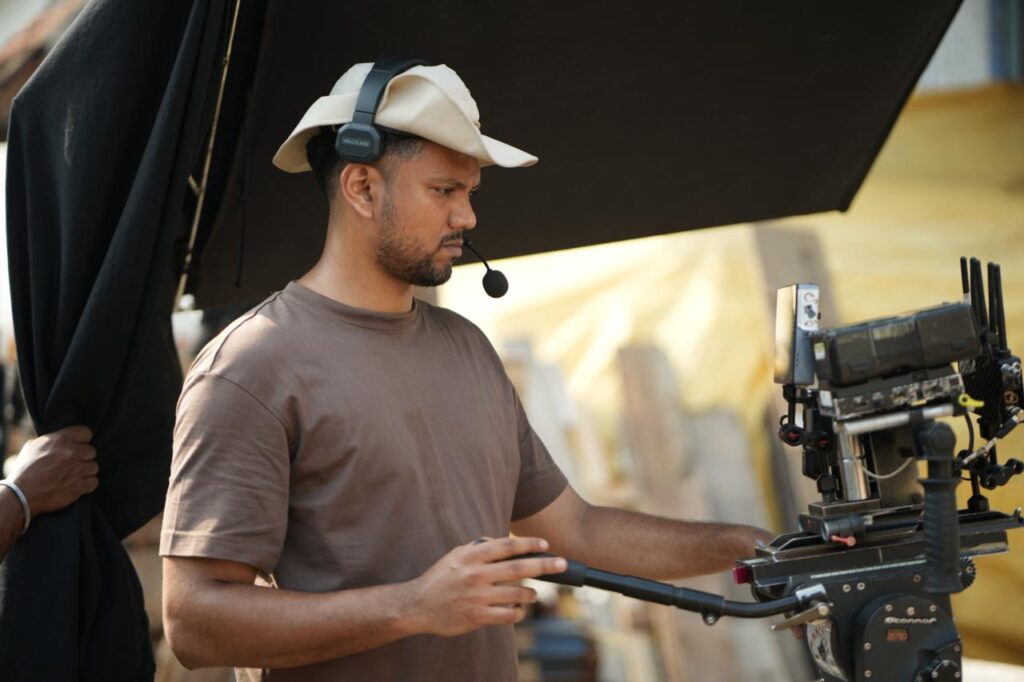
Appu Prabhakar primarily worked with the camera’s dual base ISO capabilities, particularly when shooting at deeper stops and higher frame rates. This allowed him to work within different exposure requirements without having to make unnecessary adjustments to the lighting setup.
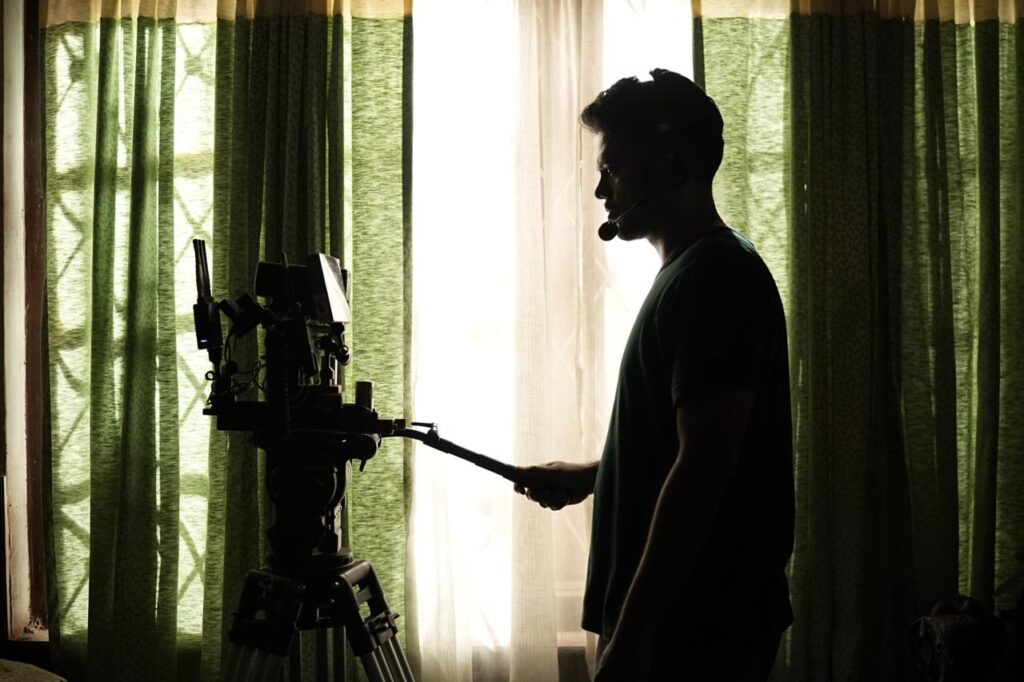
The production relied heavily on 25mm and 32mm focal lengths, offering a natural perspective for capturing both the environments and the characters within them.
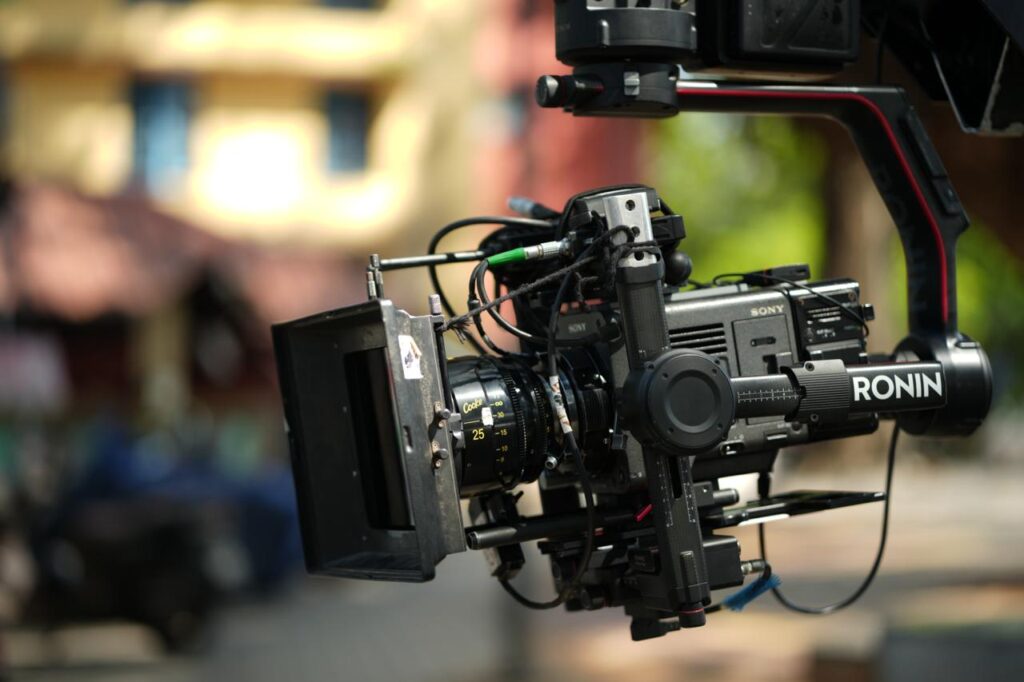
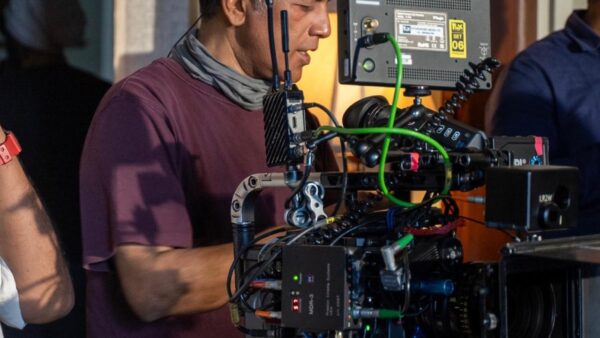
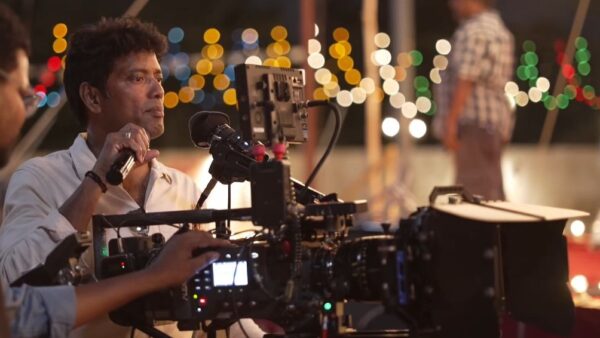
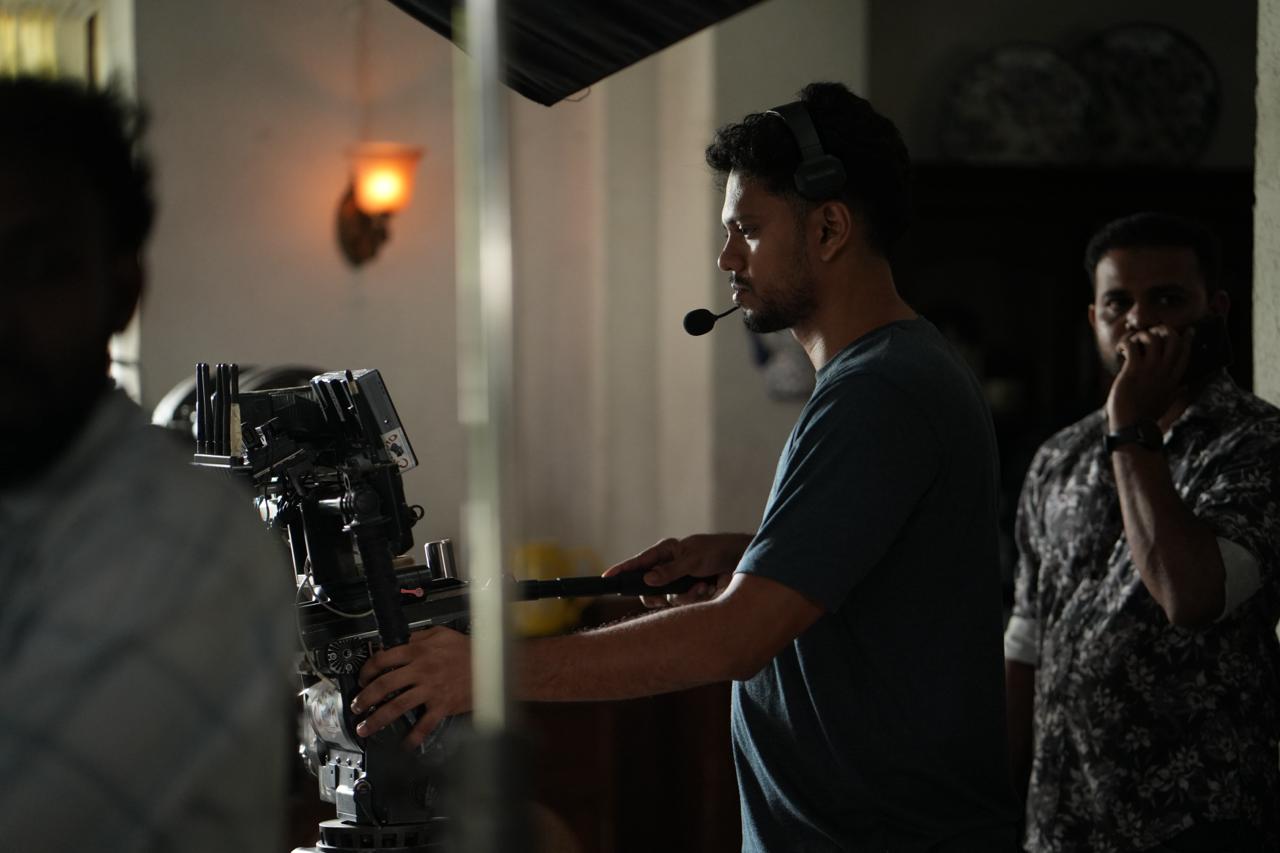
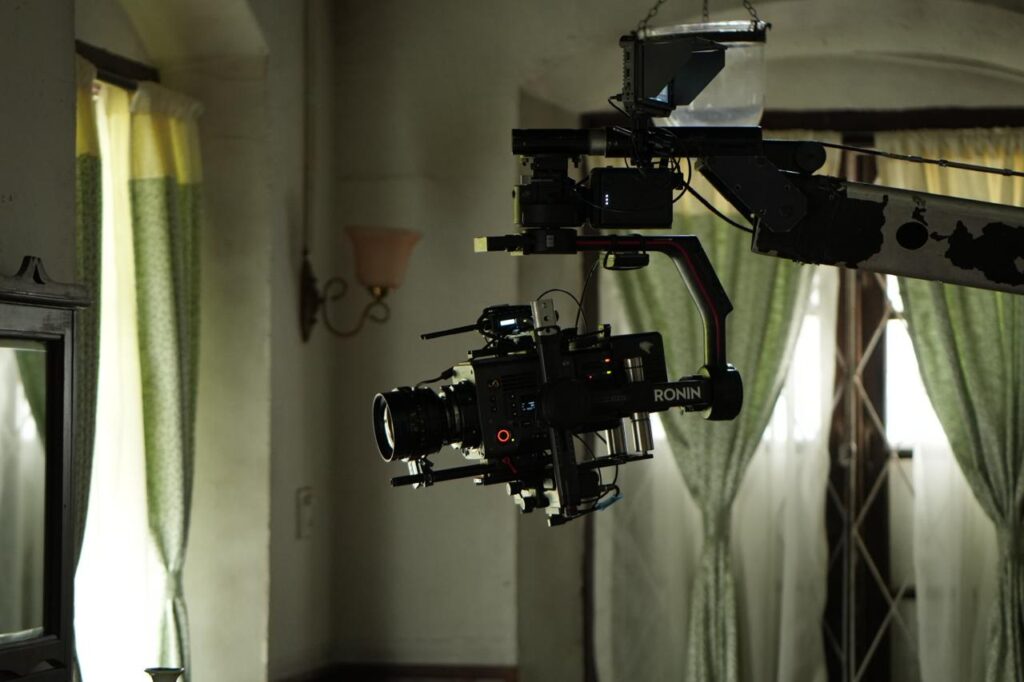
Working with two cameras simultaneously one on a jib and the other on a gimbal presented its own challenges. Maintaining consistency in lighting, contrast and exposure across two different camera movements required careful coordination, particularly as each setup approached the scene from a different perspective.
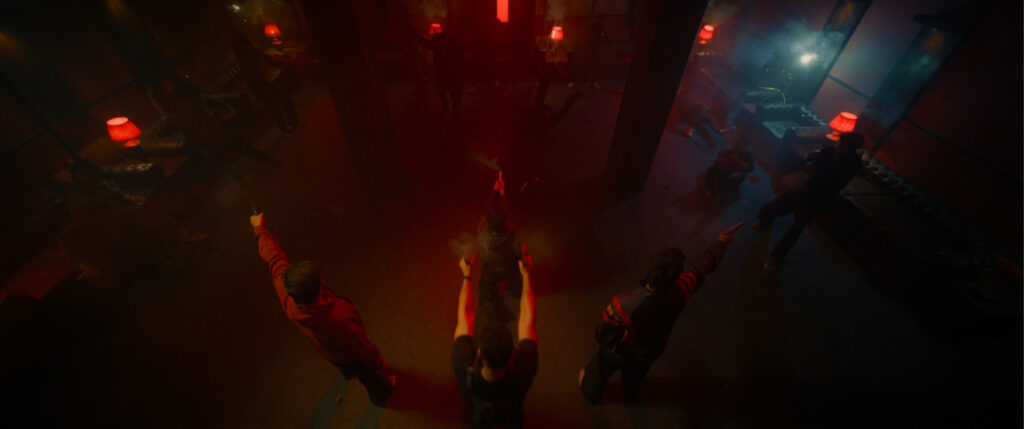
The film’s visual identity continued to evolve in the DI, where cinematographer Appu Prabhakar worked alongside colourist Srik Varier to establish the final grading direction.
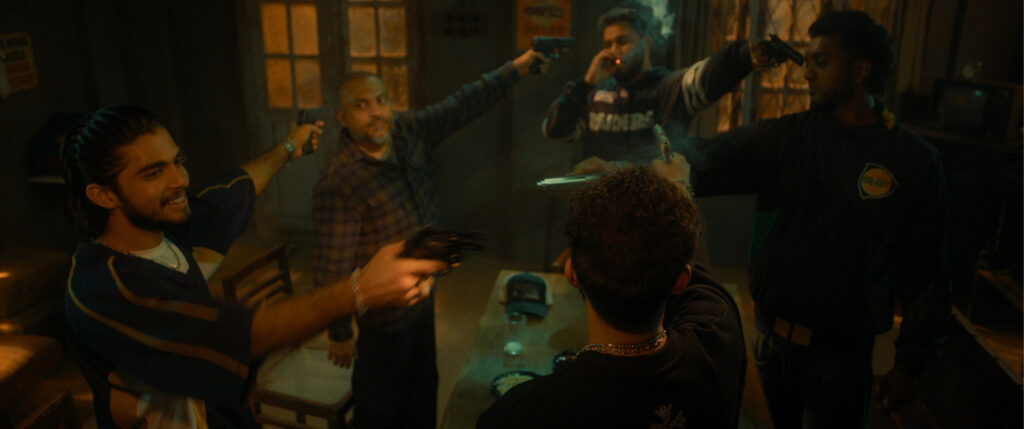
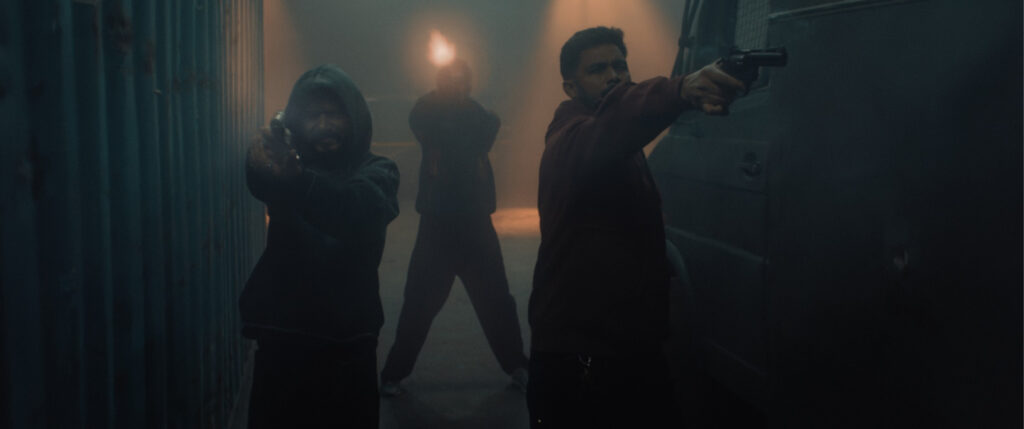
Rather than grading the entire film to arrive at a look, the team put together a four-minute reference reel featuring selected scenes from different parts of the film. Four film-look LUTs were then developed and tested against this material.
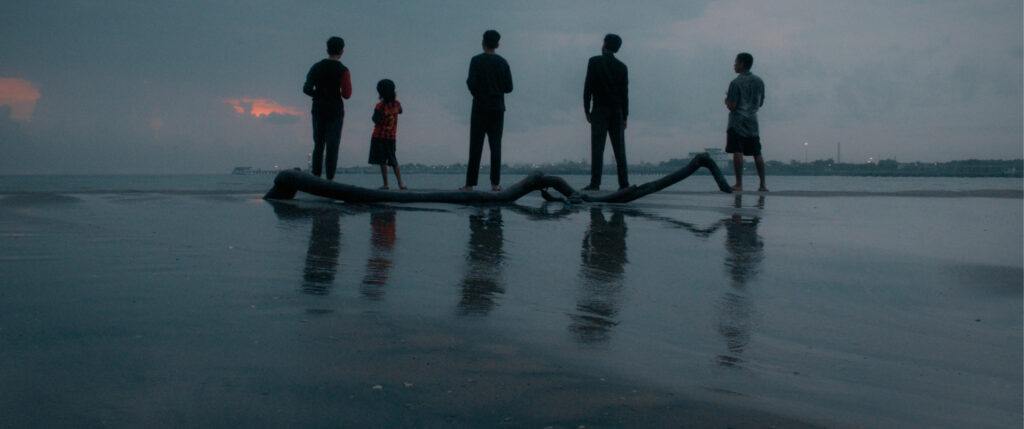
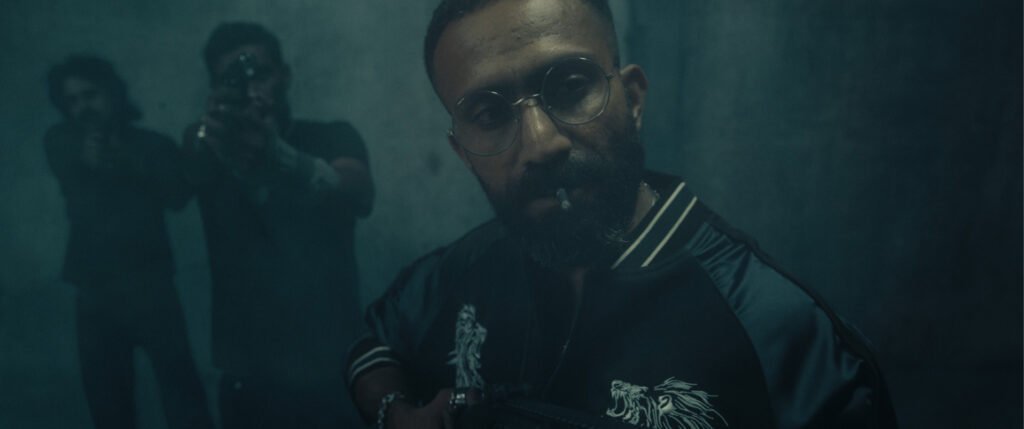
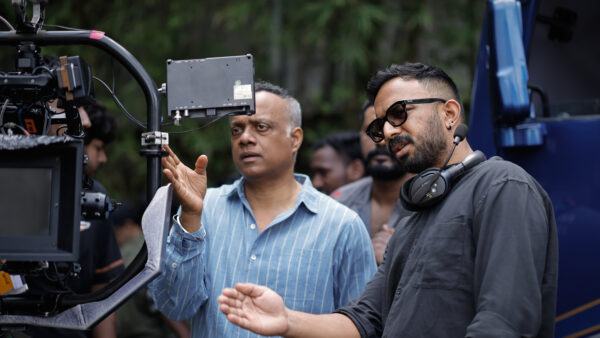
The director and cinematographer reviewed the variations, discussing how each grade responded to different scenes, lighting conditions and environments. The final look emerged from combining elements of two of the tested grades.
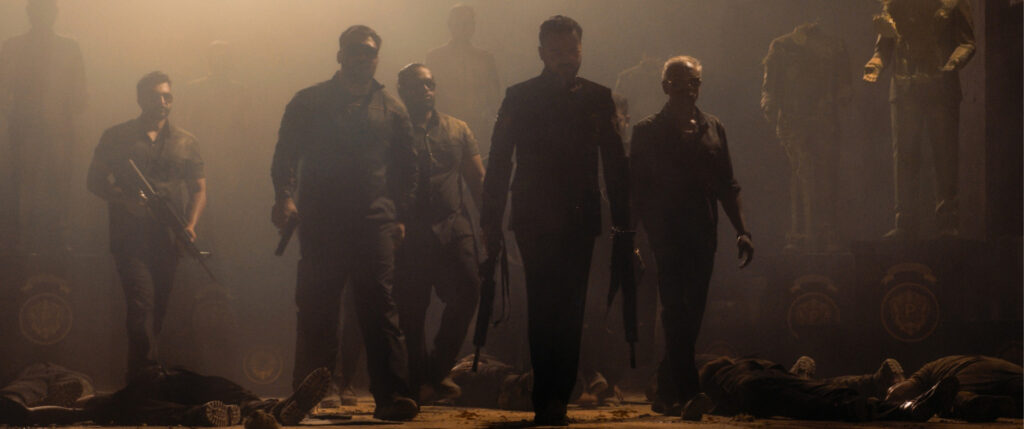
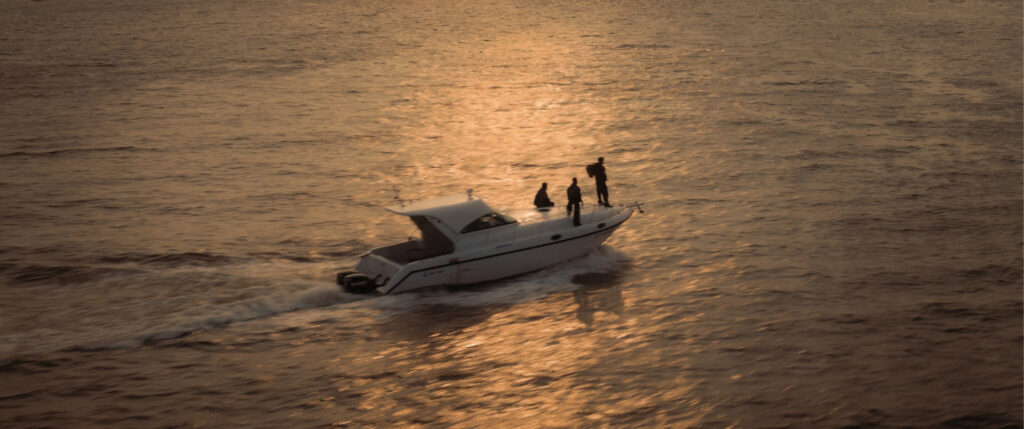
Working with a carefully selected reference reel allowed the team to evaluate the colour palette across a range of visual situations before committing to a grading direction for the feature. It became a collaborative process of refinement, finding a look that remained consistent while responding to the varied demands of the film.
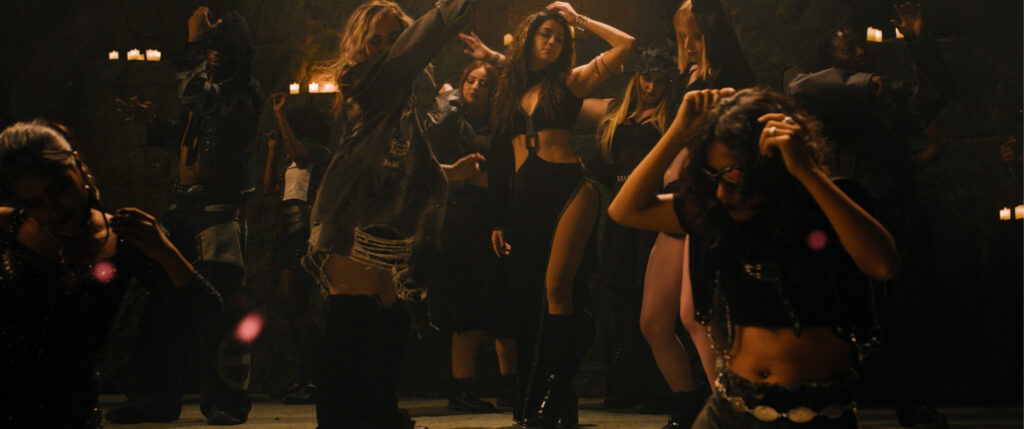
The cinematography of D’eux is a reminder that the character of an image is shaped as much by the choices behind the camera as by the equipment itself. Through Cooke Panchro lenses, Appu Prabhakar explored the interplay between vintage optical character and contemporary digital imaging, using aperture, exposure and lighting to shape the texture of the frame.
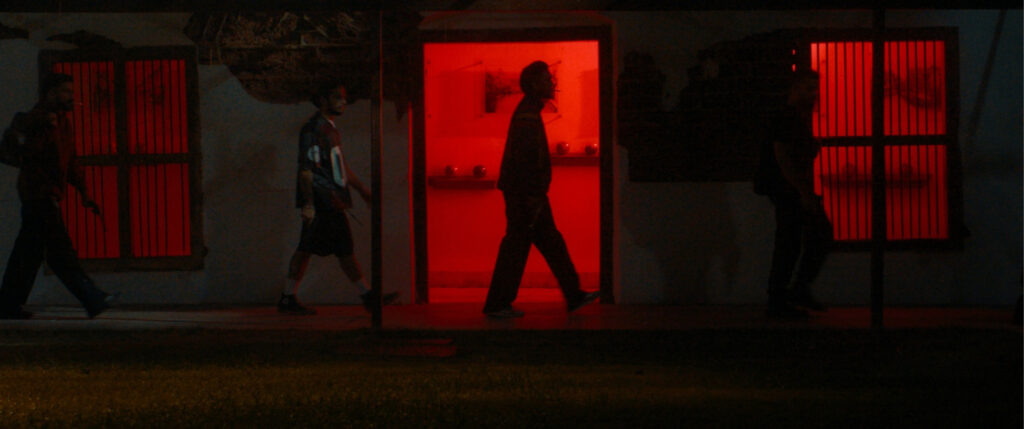
The value of vintage optics lies not simply in their imperfections, but in understanding how those imperfections respond and how they can become part of the visual language of a film.
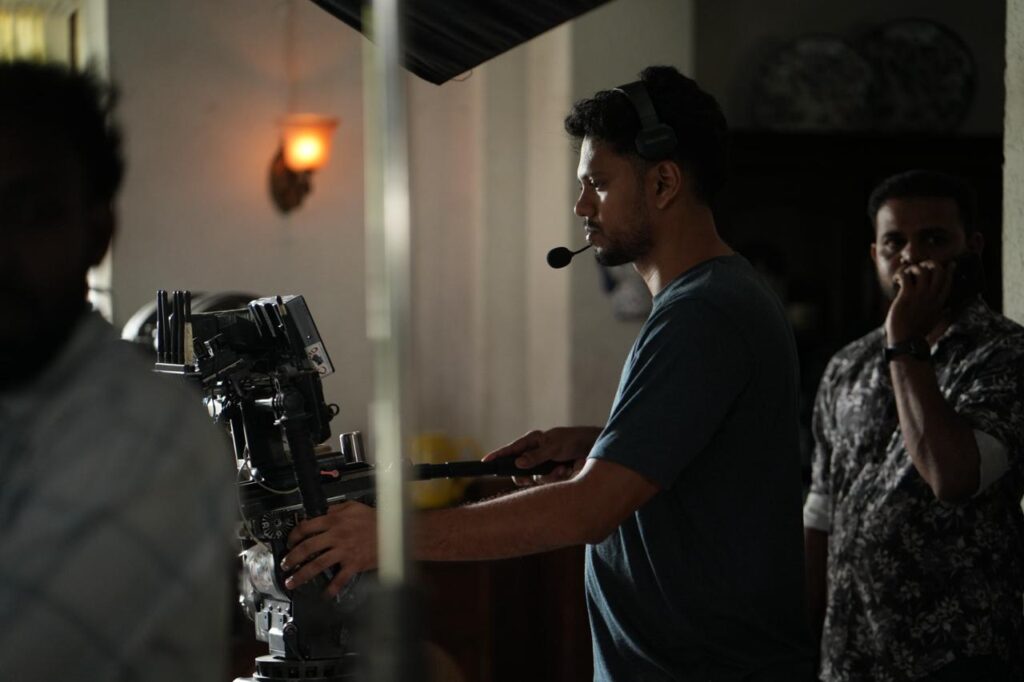
“Sometimes, the most expressive image is not the most technically perfect one. It is the one where every optical quality has a purpose”.
Appu Prabhakar | Director of Photography