Search for lenses, articles and help
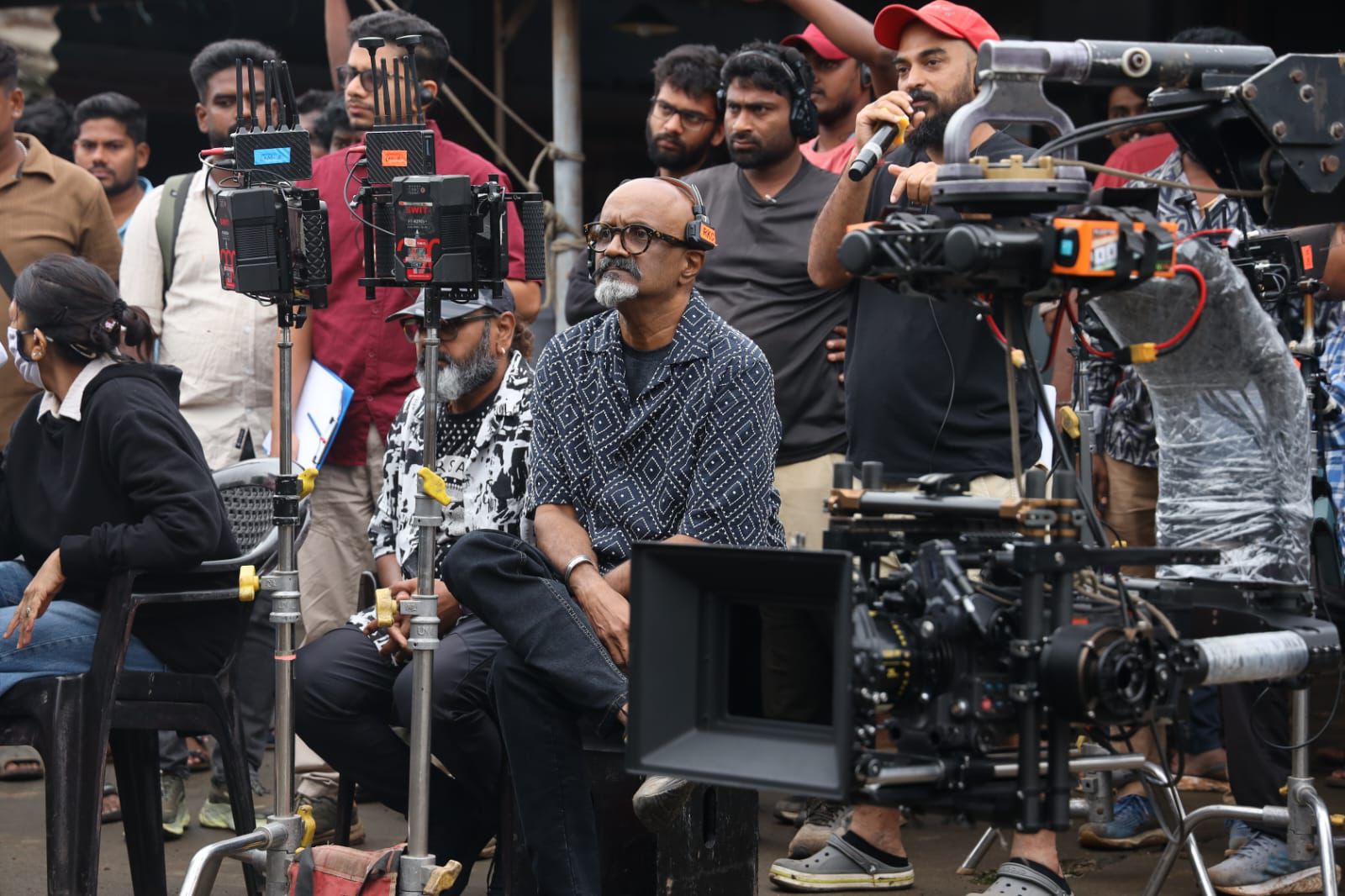
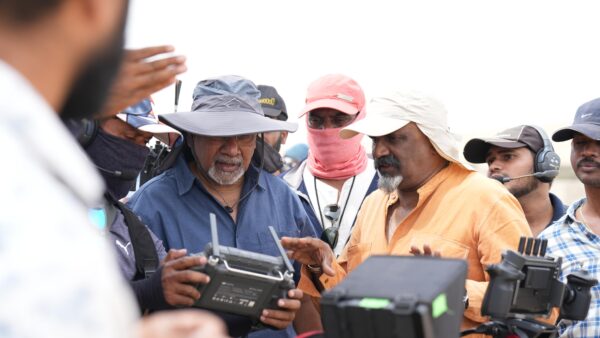
Veteran cinematographer Ravi K. Chandran ISC, one of the true masters of Indian cinema and the first Indian Director of Photography to be nominated at Camerimage and later serve on its jury, continues to redefine visual storytelling with a rare blend of poetry, precision, and emotional intelligence.
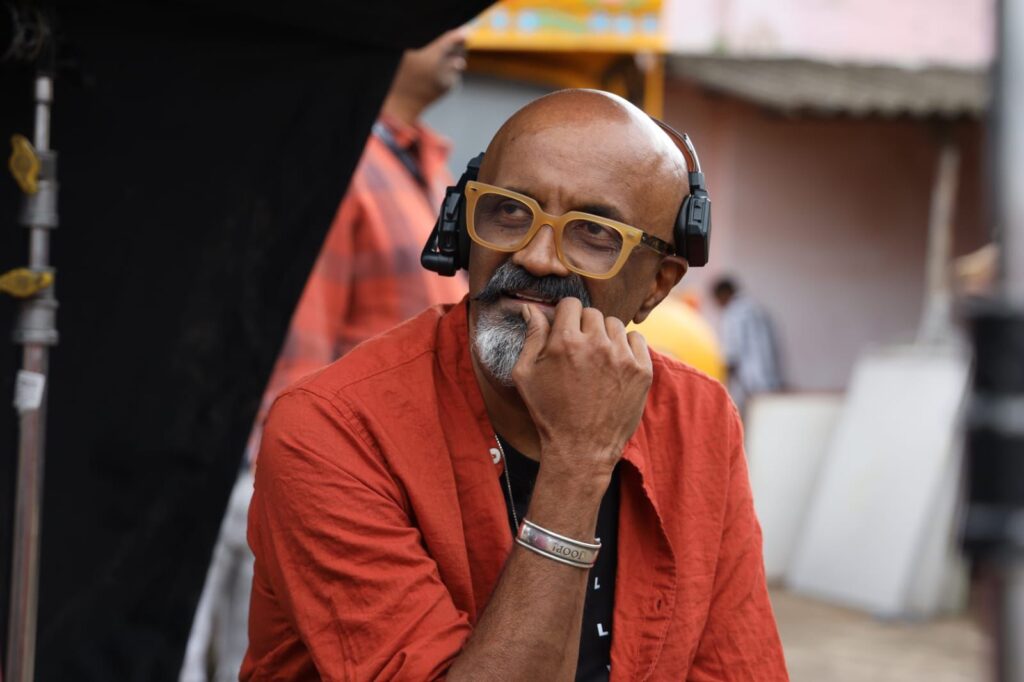
In Sudha Kongara’s period political drama Parasakthi, he does not merely recreate an era — he resurrects its air, its light, and its moral weight.
“I was offered this project suddenly, at very short notice. When I heard the narration, the first thing I knew was — this film must be shot with pristine sharpness and a pollution-free look.”
At a time when period cinema often leans heavily on smoke, haze, and textured air, Ravi K. Chandran made a radical choice:
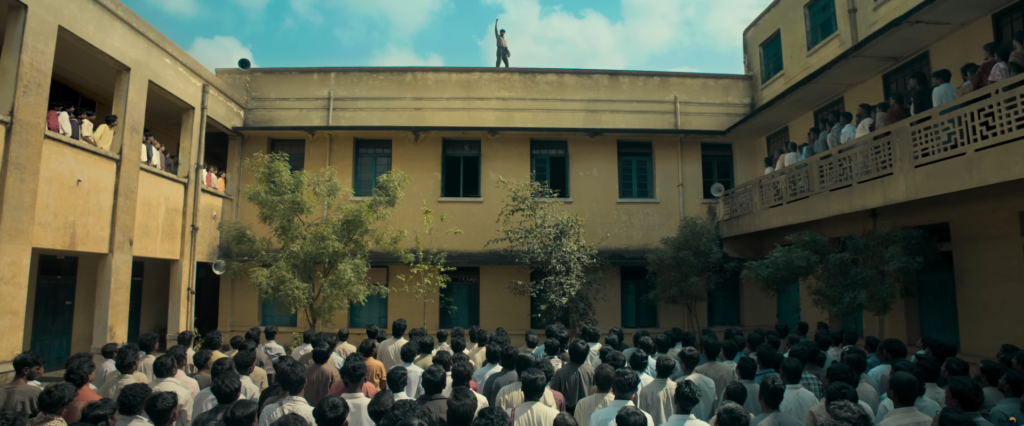
“That era had fewer vehicles and a much cleaner atmosphere. I didn’t want to use fog or smoke. I wanted the frames to feel pure, open, and honest.”
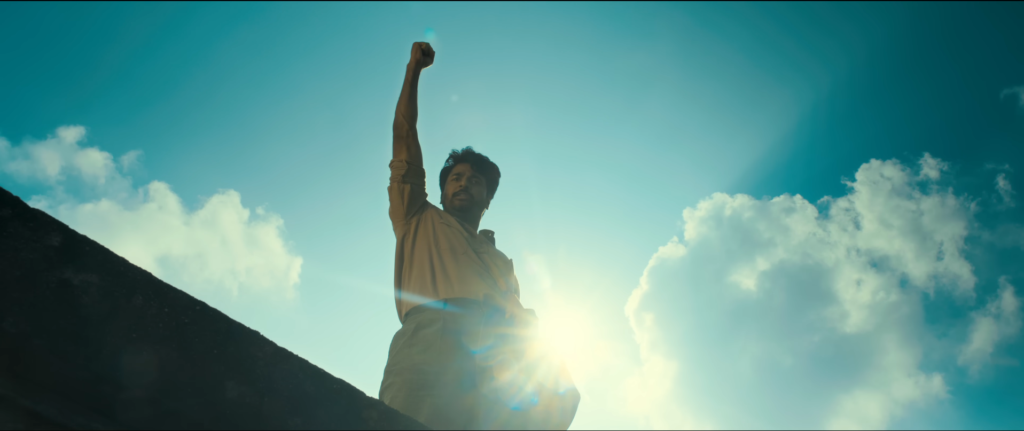
This decision defines the soul of Parasakthi. The teaser itself announced this visual purity and was widely celebrated for its clarity, grace, and confidence.
The team began shooting the feature with a song sequence — an unusual choice.
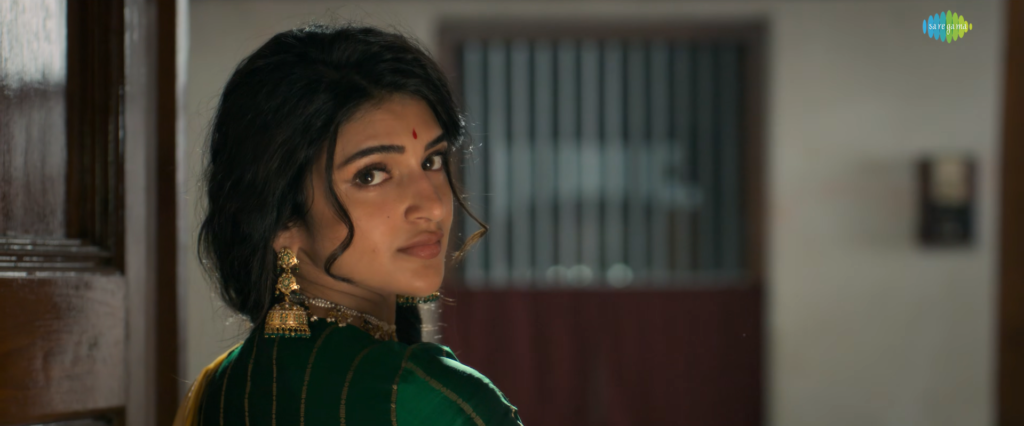
I felt this film should not be rushed. It needed perfect staging. I insisted on rehearsals and blocking before we shot. Every frame in Parasakthi feels composed, rehearsed, and lived-in, not hurried.
Camera movement in Parasakthi is constant — yet never loud.
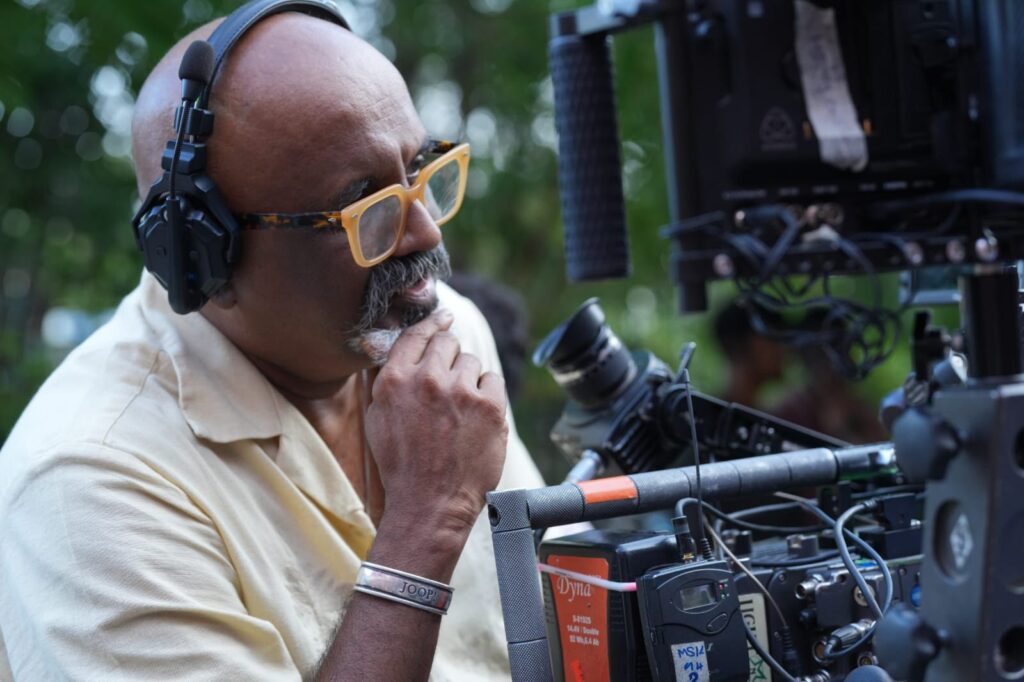
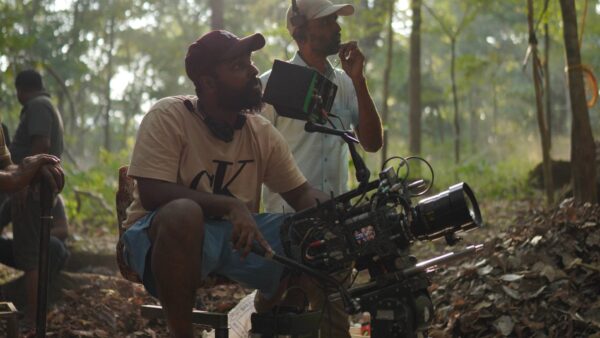
“We used gimbals a lot, but I didn’t want it to feel like Steadicam. I wanted the camera to glide — like an extended dolly shot that can move in any direction.”
Across 45 locations, the film maintains a seamless visual flow — completed within schedule through careful design rather than haste.
One of the film’s most distinctive achievements is its invisible lighting.
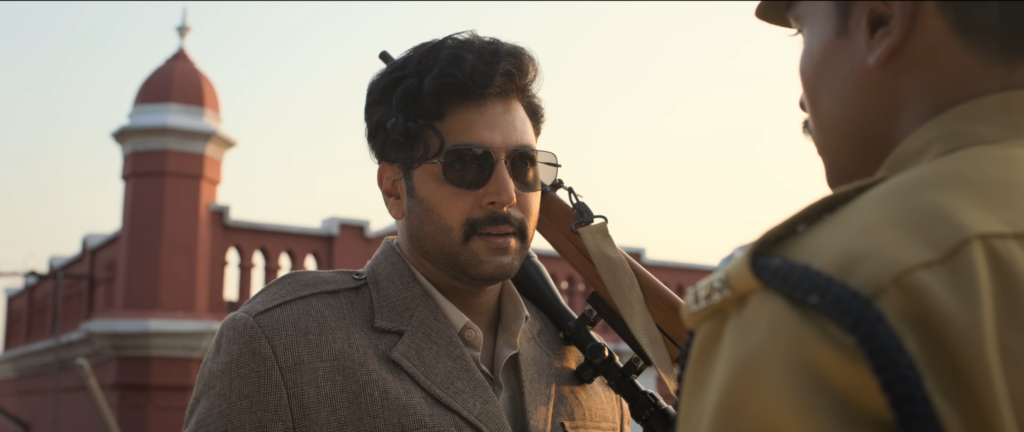
“I never tried to create shafts of light through windows. The lighting is very ambient — it’s hard to locate the source.”
“I always study the sun’s arc very carefully and recreate it with artificial sources.”
A key emotional sequence — the death of the protagonist’s brother during riots — was built around a poetic idea:
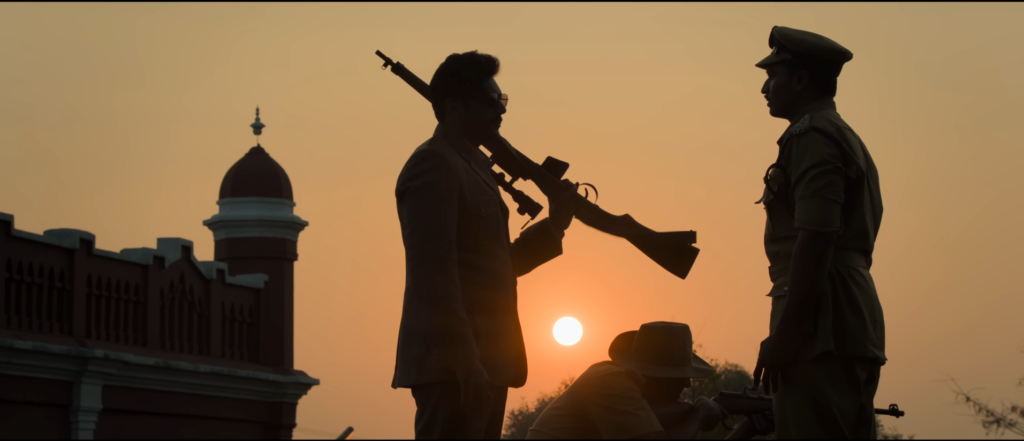
“We shot it for evening with the concept of the ‘Death of the Sun’.”
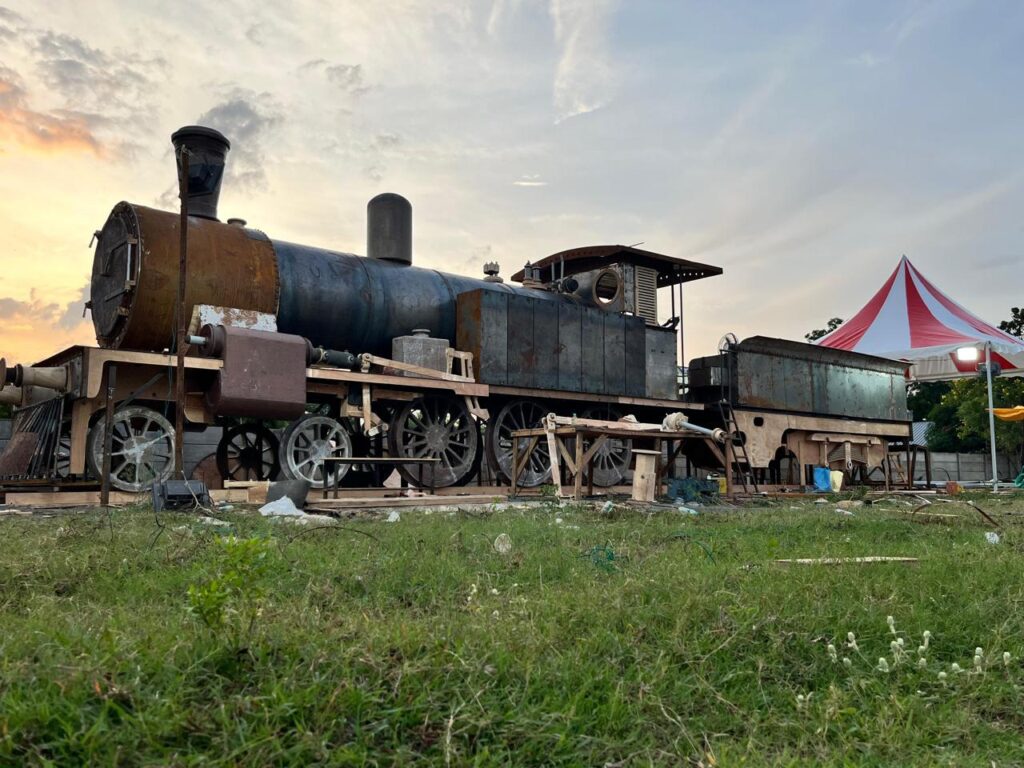
The opening train sequence has already been widely praised for its painterly quality.
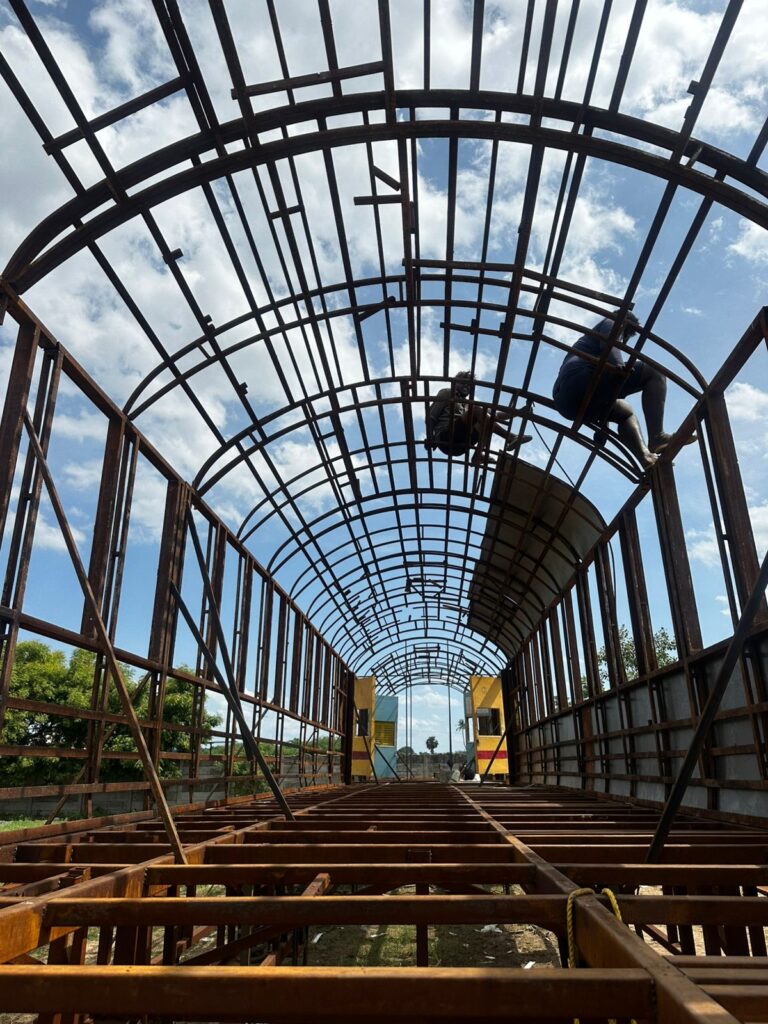
“I wanted to keep the darkness of night intact and let the train light — especially the engine headlight — become the main source.”
The result is a sequence where darkness is not erased, but sculpted, and light does not decorate — it reveals. “That’s the flexibility and character of Cooke.” A Different Way of Seeing Faces and Spaces
I often use wider lenses for close-ups — it brings you into the character’s personal space. And for wide shots, I sometimes go slightly towards the telephoto side — it compresses space and adds emotional weight. This creates a film where faces feel intimate and spaces feel dense with meaning.
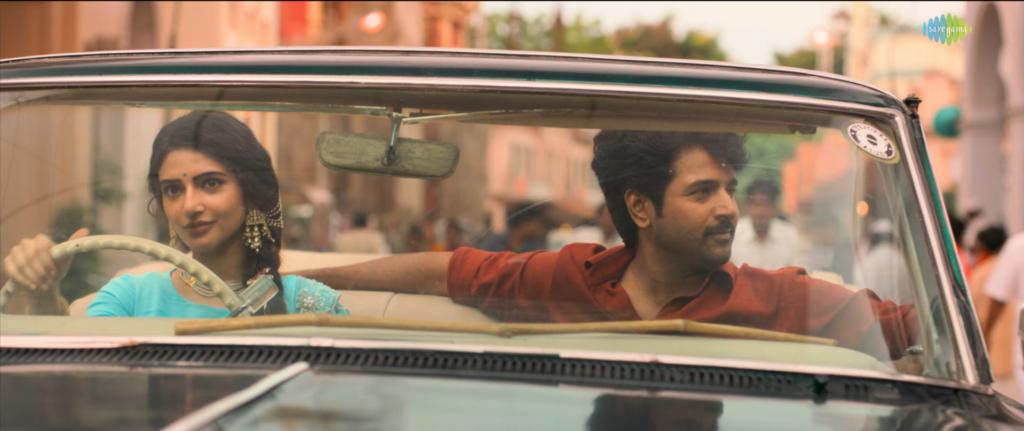
“I kept slightly lower angles for the protagonist and slightly higher-than-eye-level angles for the antagonist — very marginal, without making it dramatic.”
One of the film’s most discussed shots — a tight top-angle close-up of Atharva lying in muddy water, shot on a high-speed Phantom camera — came with serious technical challenges. “Avoiding the camera reflection was the biggest issue. I carefully positioned the camera and wrapped it in black plastic. High-speed cinematography always tests you.”
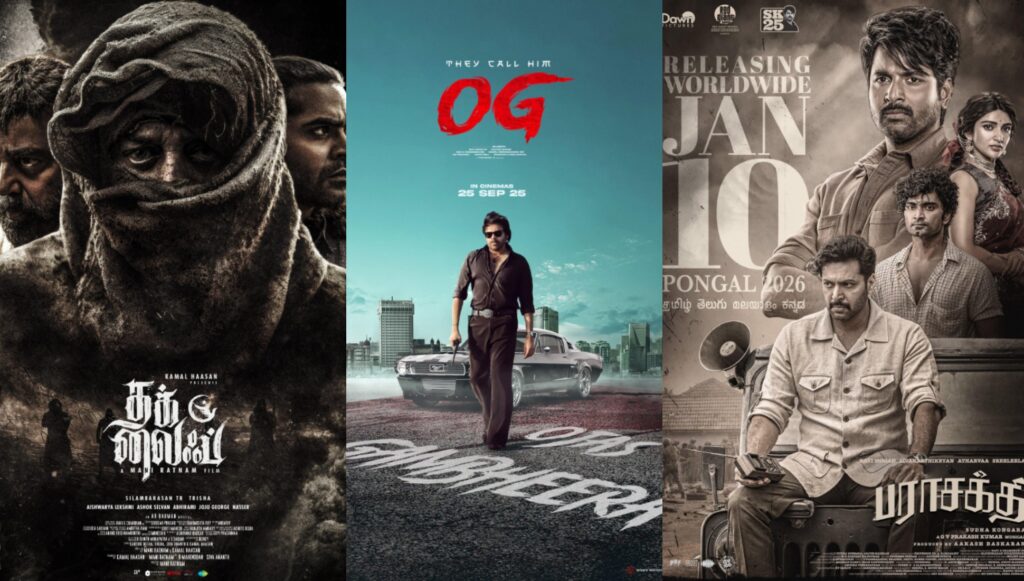
Ravi K. Chandran has shot his last three films — Thug Life, OG, and Parasakthi — with Cooke lenses, each one visually unique.
“That’s what I love about Cooke. Same lenses — completely different worlds.”
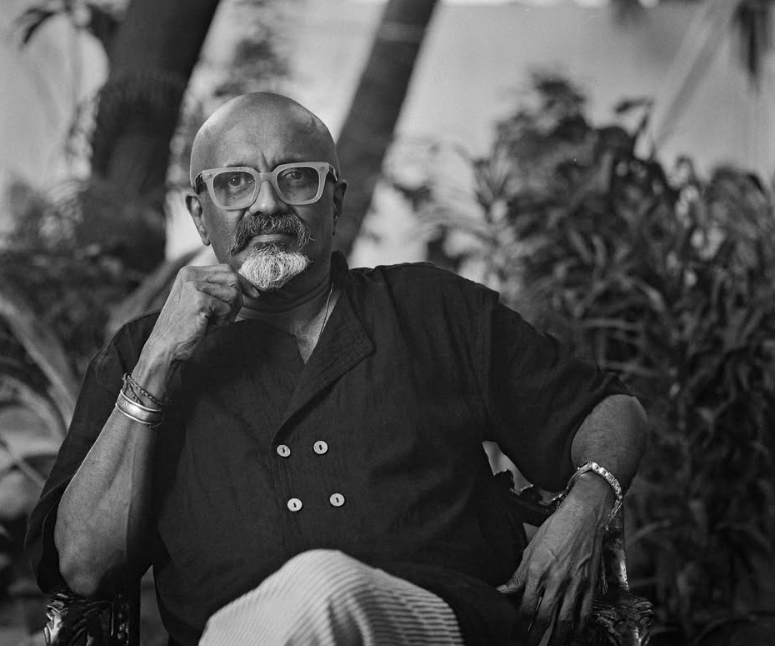
For Parasakthi, his primary choice was Cooke S8/i, with SP3 for select sequences.
“I love the S8/i for its warmth. It creates beautiful faces. The fall-off is so elegant.”
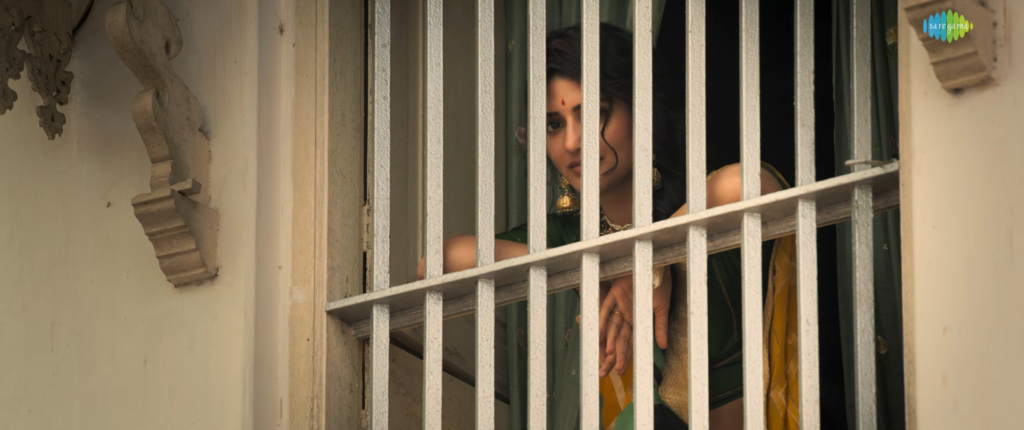
“It gives depth and separation without making the image feel artificial.”
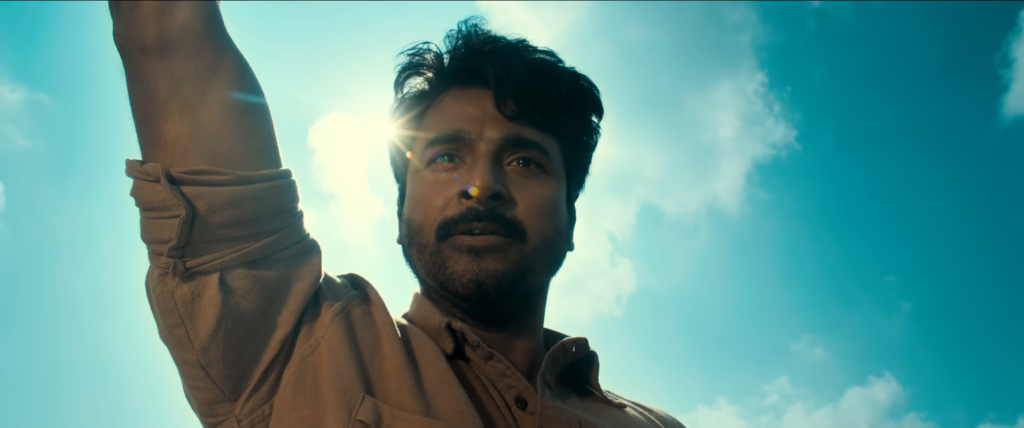
“Flares should never be deliberate. They must feel natural. Cooke gives you that — flares with character, not gimmicks.”
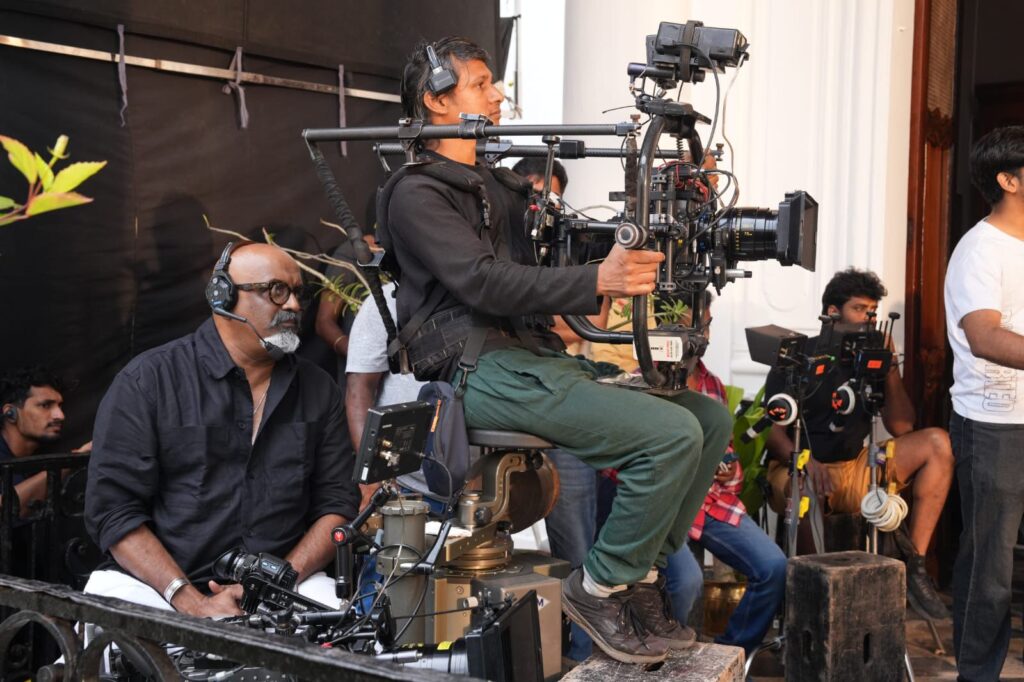
“I always shoot for the best dynamic range. I follow something like the EL zone system by Ed Lachman, One of my assistants constantly monitors exposure uniformity across multiple cameras.”
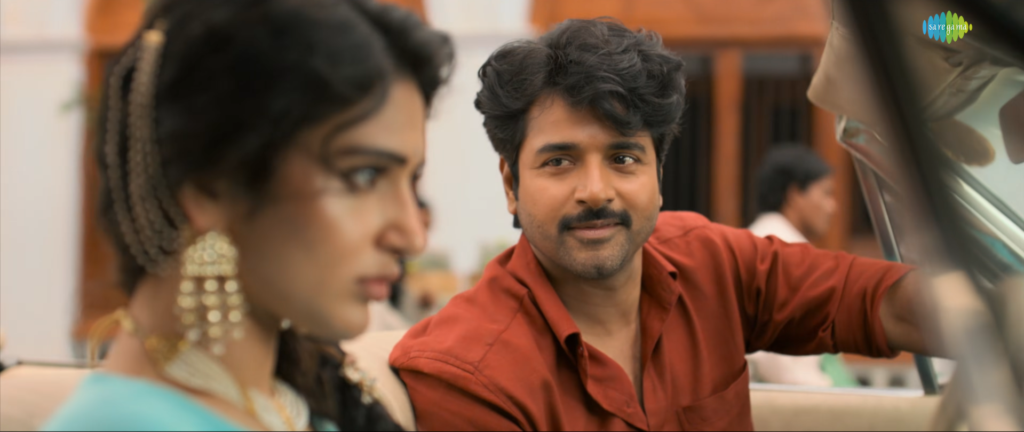
“My films don’t need much work in DI.”
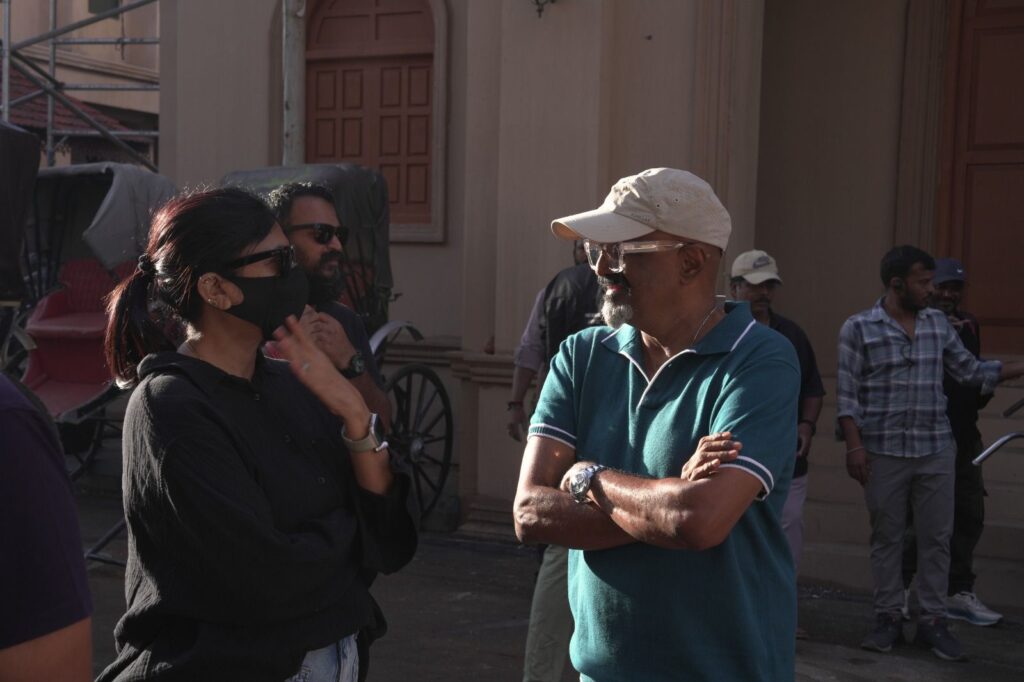
“I feel very happy to collaborate with so many great directors of Indian cinema.”
With Parasakthi, Ravi K. Chandran ISC reminds us that great cinematography is not about showing technique — it is about hiding it inside emotion. His images do not announce themselves. They flow, breathe, and stay in your memory like history itself.
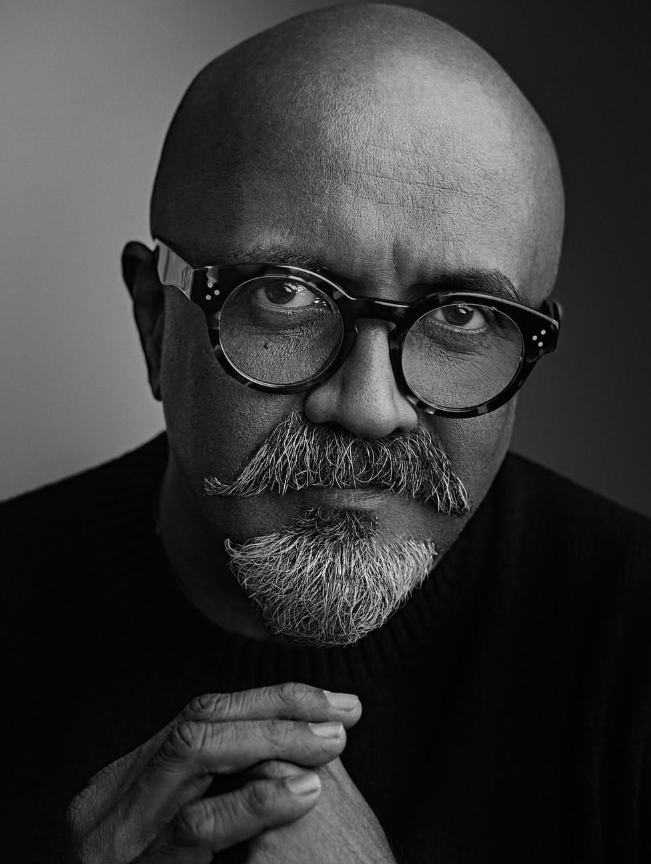
“I would love to explore Cooke Panchros.”
Ravi K. Chandran ISC | Director of Photography
Supported by: Light N Light