Search for lenses, articles and help
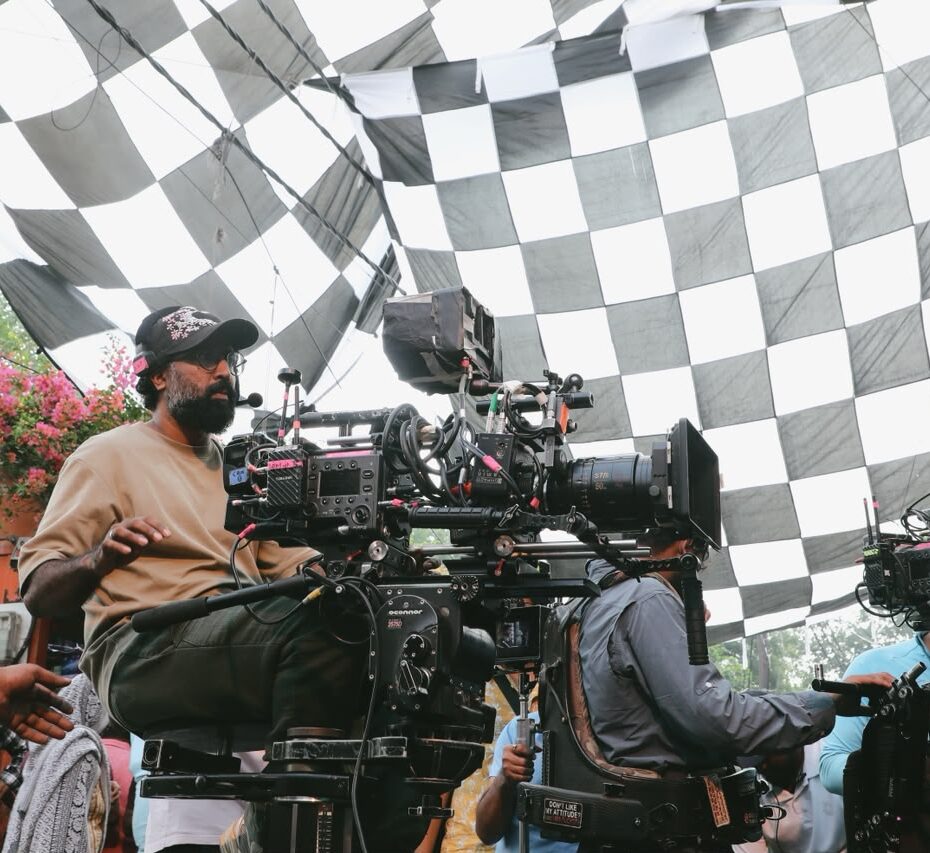
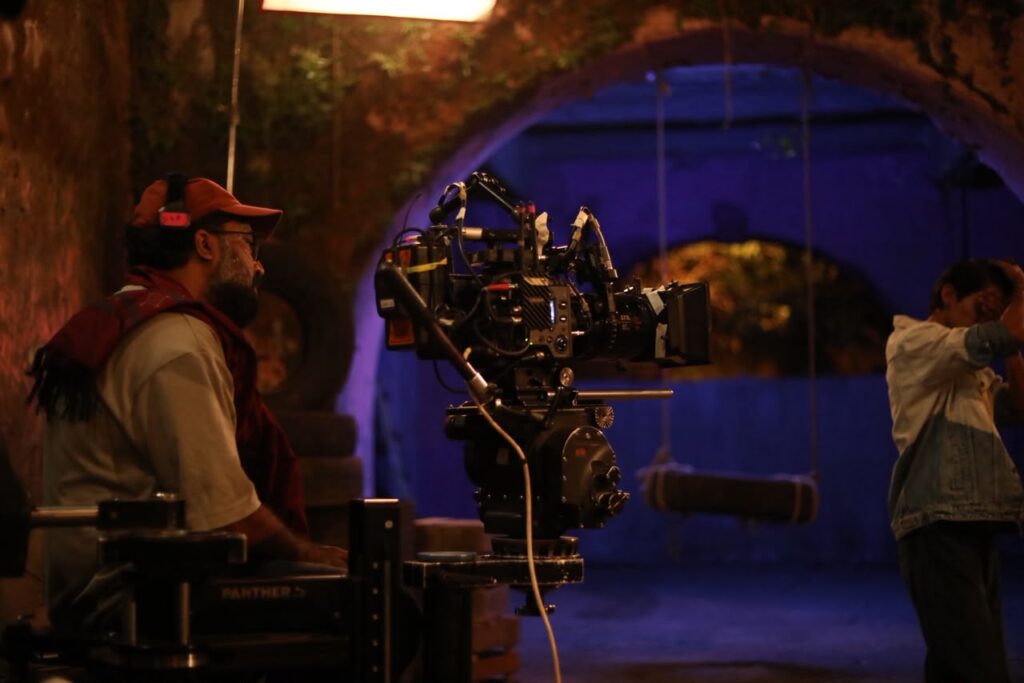
For cinematographer Shaz Mohammed, visual storytelling begins long before the camera is switched on. Every creative decision—from lens selection to camera movement—is guided by one fundamental question: What does the story truly need?
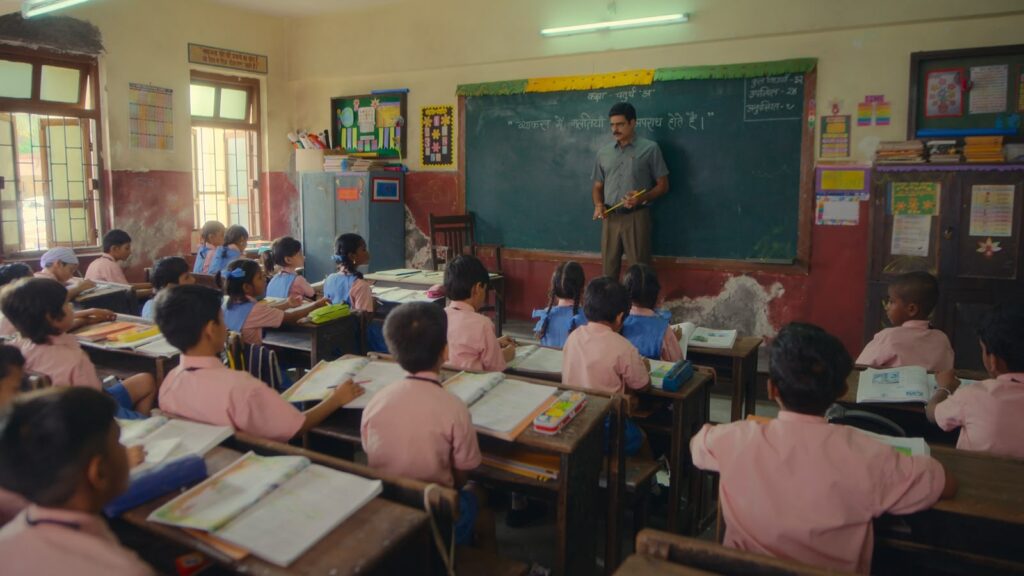
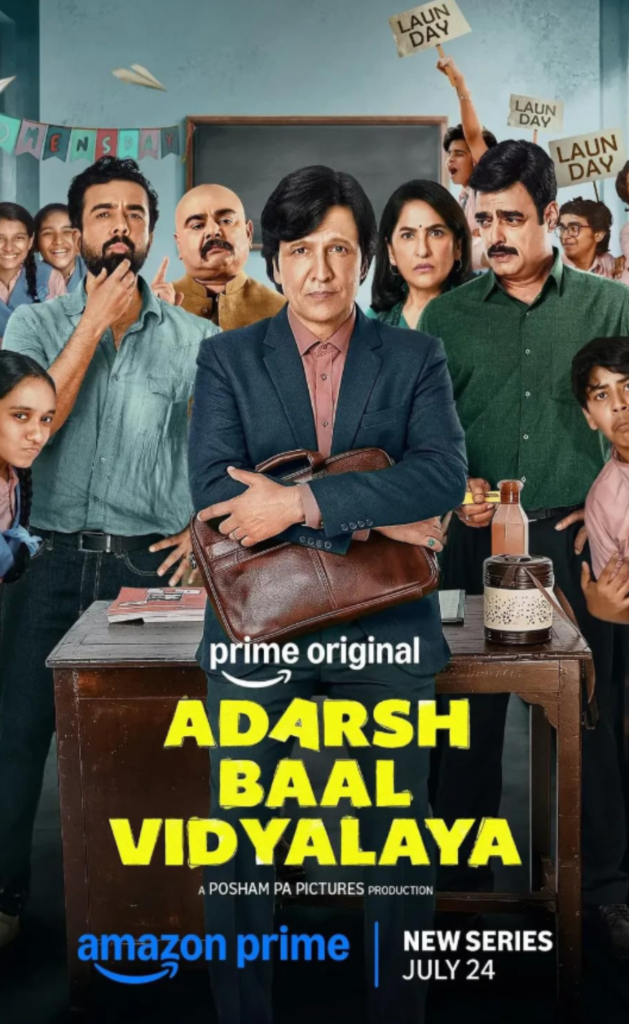
That philosophy defines Amazon Original’s Adarsh Baal Vidyalaya, where comedy is not manufactured through exaggerated visuals but discovered within authentic human moments. Rather than imposing a stylistic signature, Shaz allowed the cinematography to emerge organically from the screenplay, creating images that are energetic, immersive and emotionally truthful.
Before entering the world of cinematography, Shaz studied Journalism and Mass Communication at Manipal University, where filmmaking formed only a small part of the curriculum. Initially drawn to still photography, he found himself increasingly fascinated by visual storytelling.
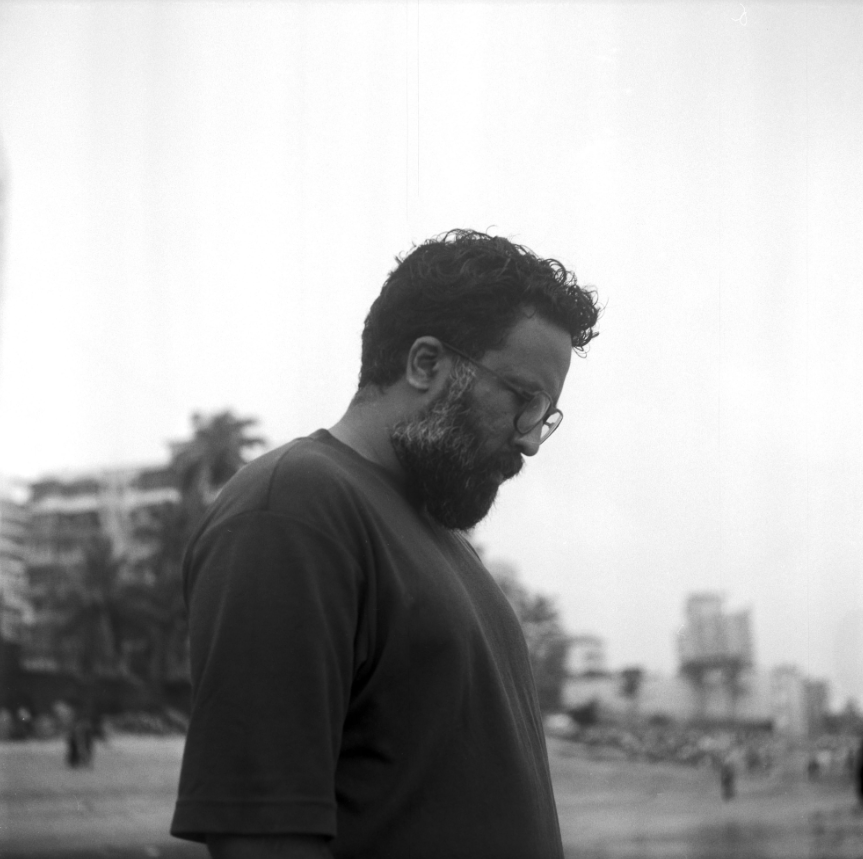
“Writing and editing never excited me as much as the camera. I was always more interested in observing people through the lens.”
After photographing several student projects, he successfully cleared the entrance examination for the Film and Television Institute of India (FTII). It was there that his understanding of cinema deepened, shaped by the study of world cinema, classical Indian filmmaking and the discipline of visual narrative.
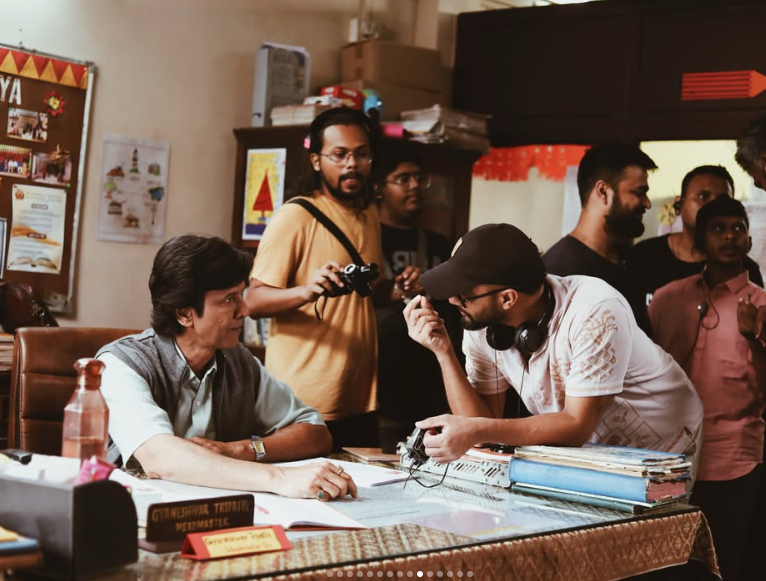
Director – Himank Gaur
When director Himank Gaur shared the script for Adarsh Baal Vidyalaya, Shaz immediately recognised that its greatest strength was its honesty.
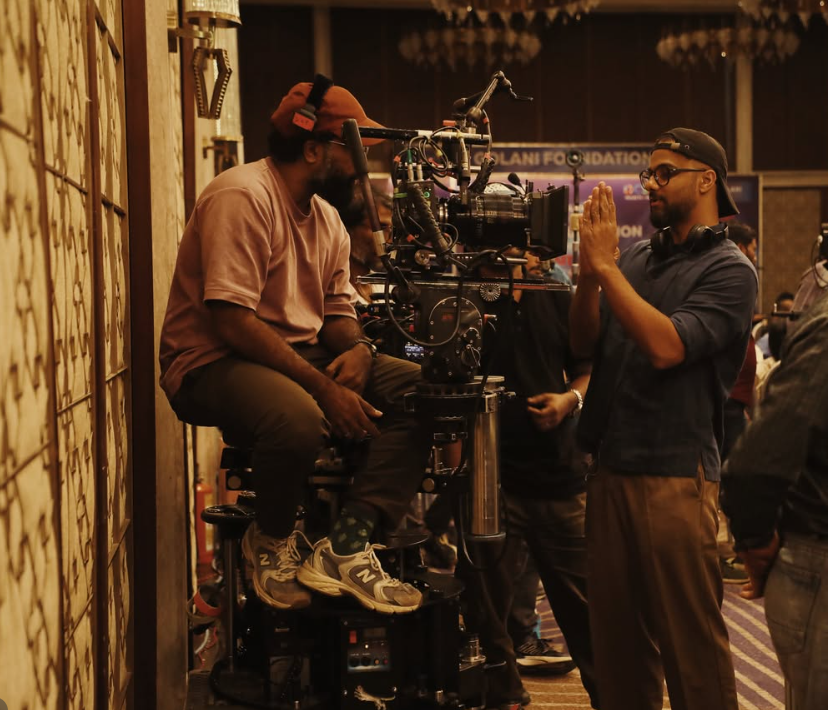
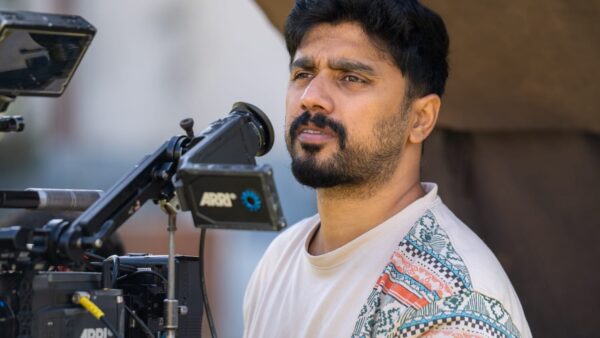
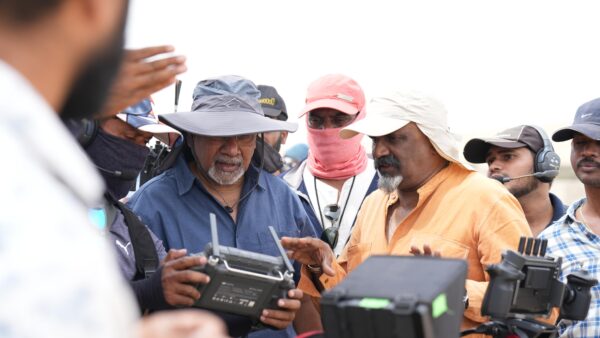
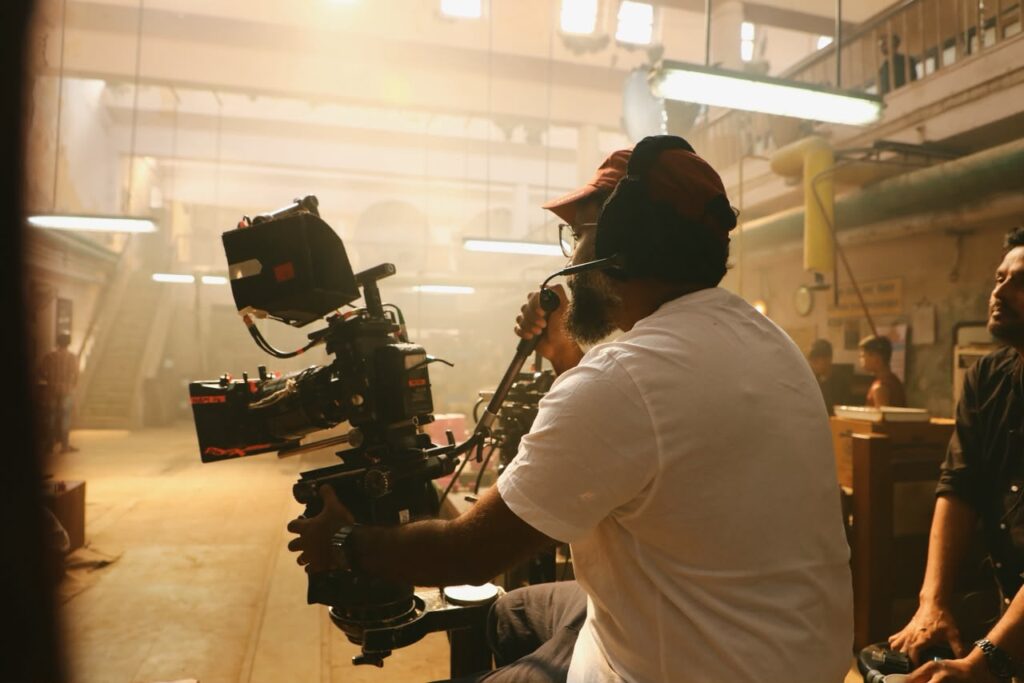
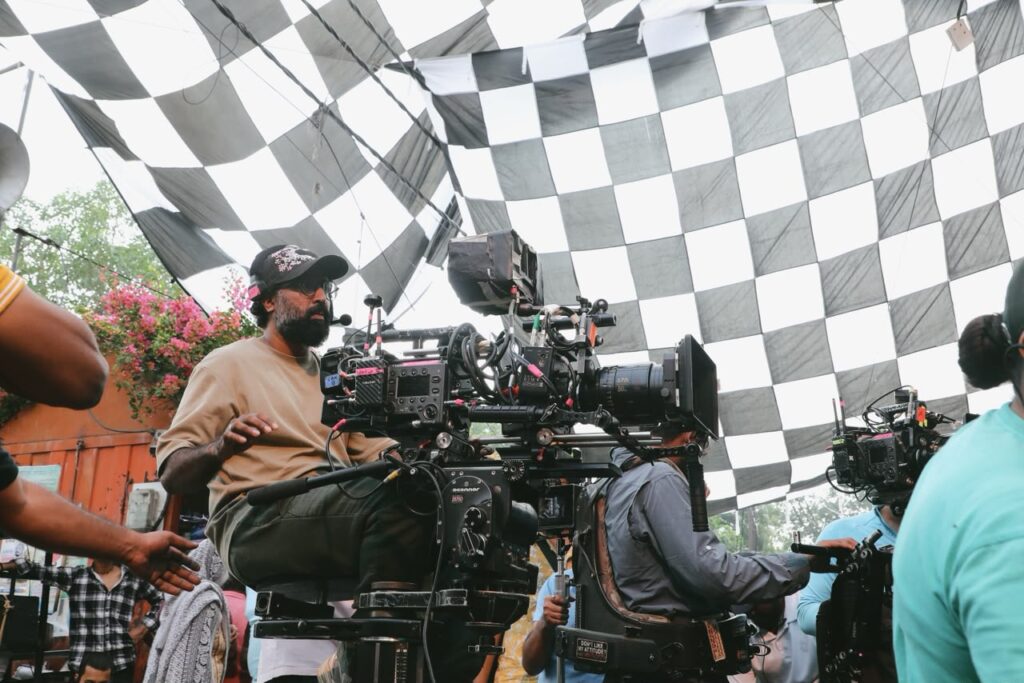
Director Himank & DoP: Shaz
“The humor was already present in the writing. Our responsibility was not to amplify it visually but to allow it to breathe.”
Instead of relying on static compositions or overt visual gimmicks, the series embraces a predominantly handheld camera language. The camera responds instinctively to performances, reacting to moments as they unfold rather than dictating them.
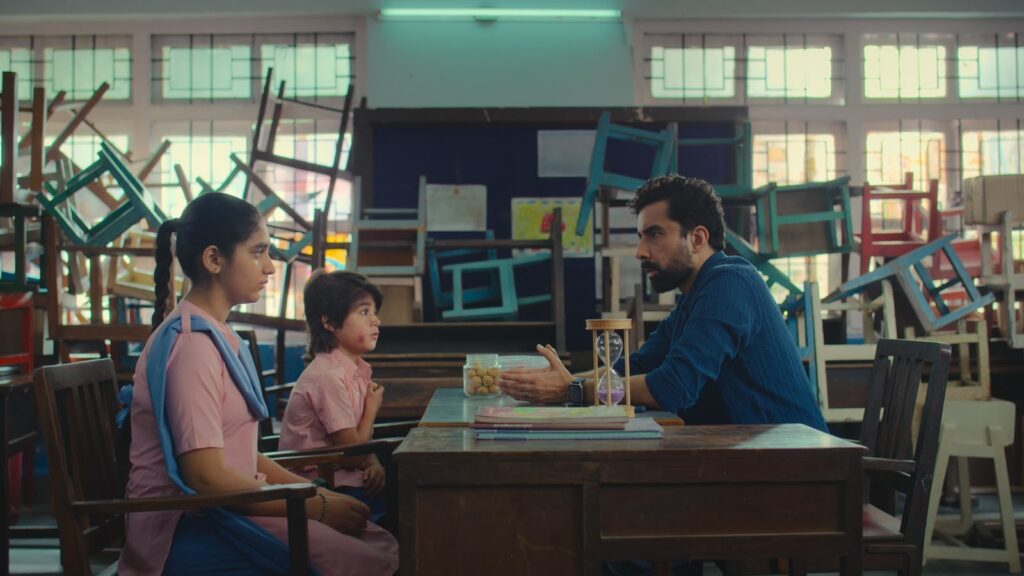
The result is a visual style that feels spontaneous, intimate and alive, placing the audience inside the emotional rhythm of the classroom.
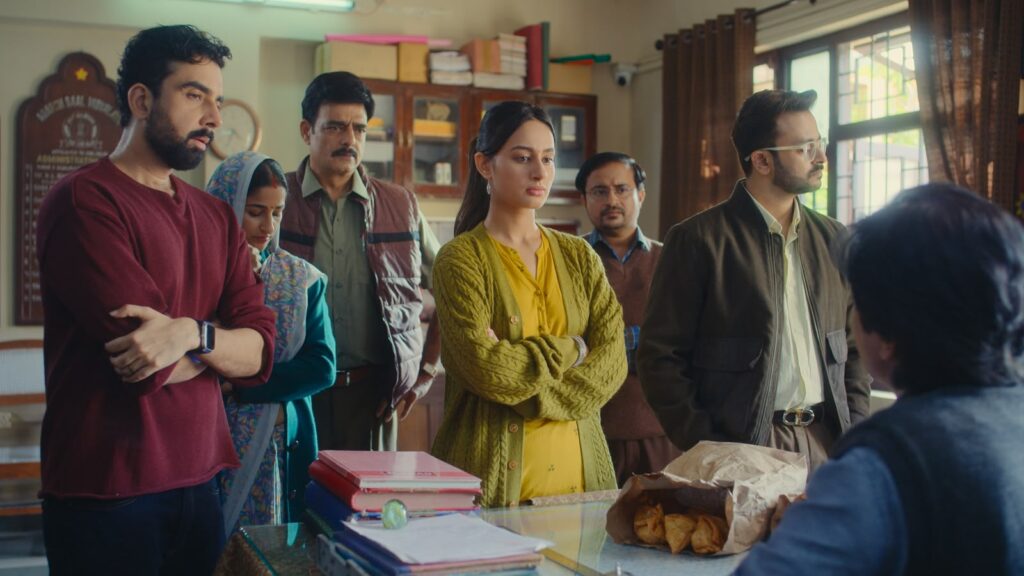
Working with an ensemble cast, particularly children, demanded a lighting philosophy centered on freedom rather than precision.
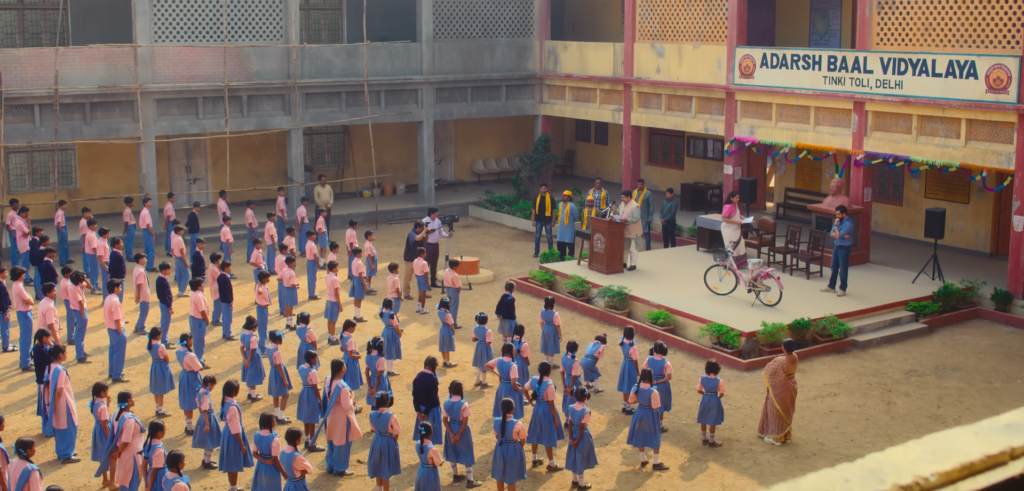
Instead of designing isolated “hero” lighting for individual actors, Shaz and his team created flexible lighting environments that allowed performers to move naturally through the space without interruption.
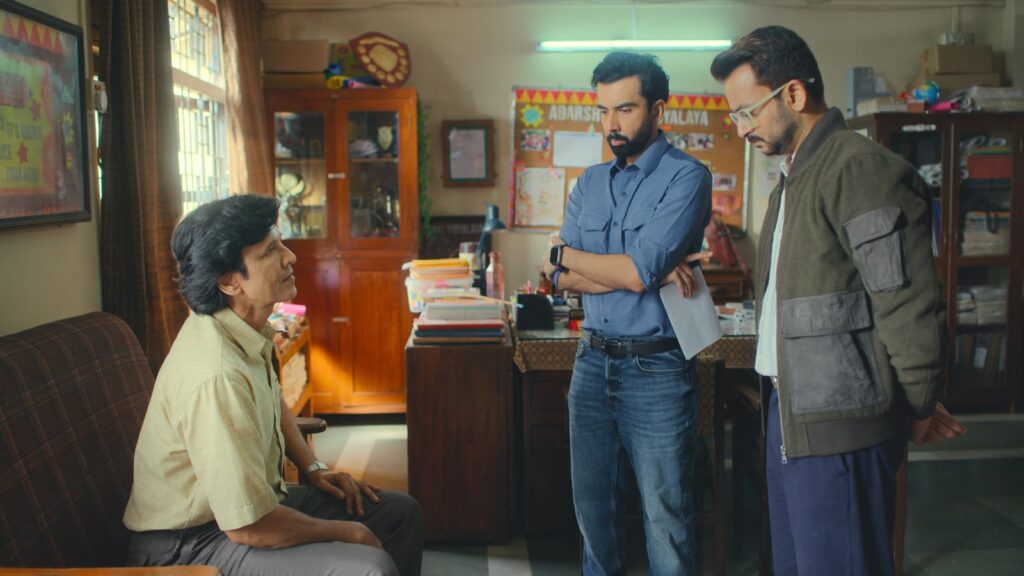
“The light should never restrict an actor. It should support the performance, not control it.”
This approach enabled the camera to capture genuine reactions, preserving the spontaneity and unpredictability that give the series its distinctive charm.
Although the story unfolds within a government school, the filmmakers consciously rejected the familiar visual clichés often associated with such settings.
Rather than portraying the environment through desaturated tones or exaggerated hardship, the cinematography embraces warmth, dignity and optimism.
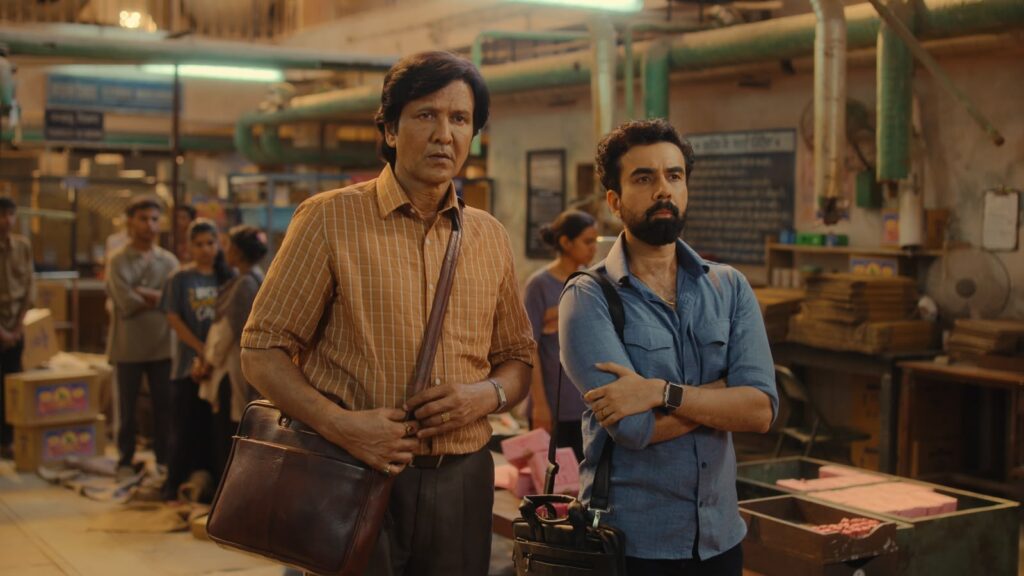
The school comes across as vibrant and full of personality, inviting the audience to connect with its people rather than the challenges of their environment.
It is realism without romanticisation and authenticity without exploitation.
Colour became an important storytelling tool, creating subtle emotional separation between different spaces.
The exteriors draw their warmth from the natural environment—sunlit walls, earthy playgrounds, red soil and the distinctive pink school uniforms. Rich yellows, warm browns and soft reds establish an inviting, lived-in atmosphere.
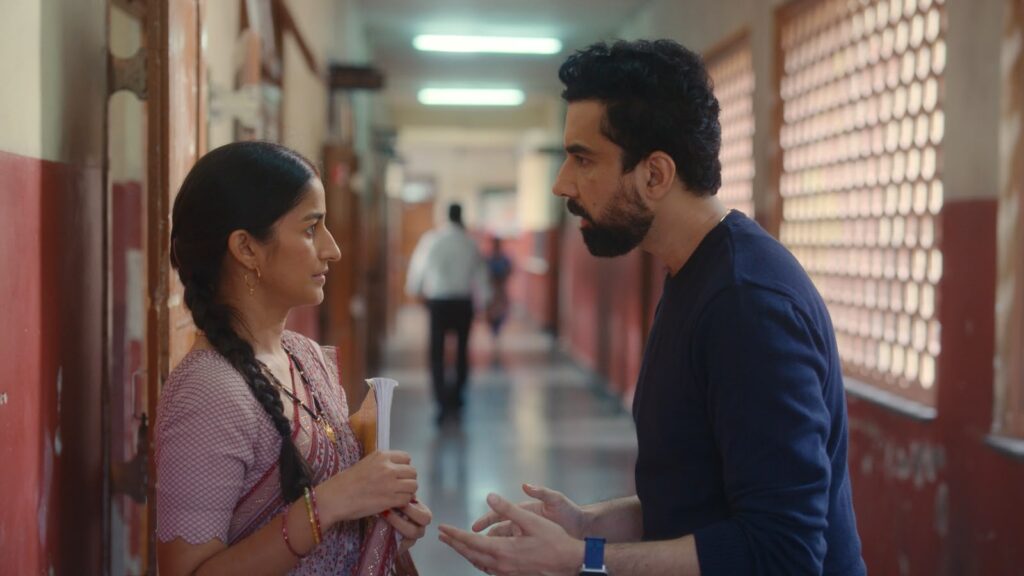
The interiors, in contrast, adopt a restrained cooler palette. Existing fluorescent tube lights were embraced as practical sources, introducing delicate green undertones that reinforce the authenticity of the classrooms while maintaining visual continuity.
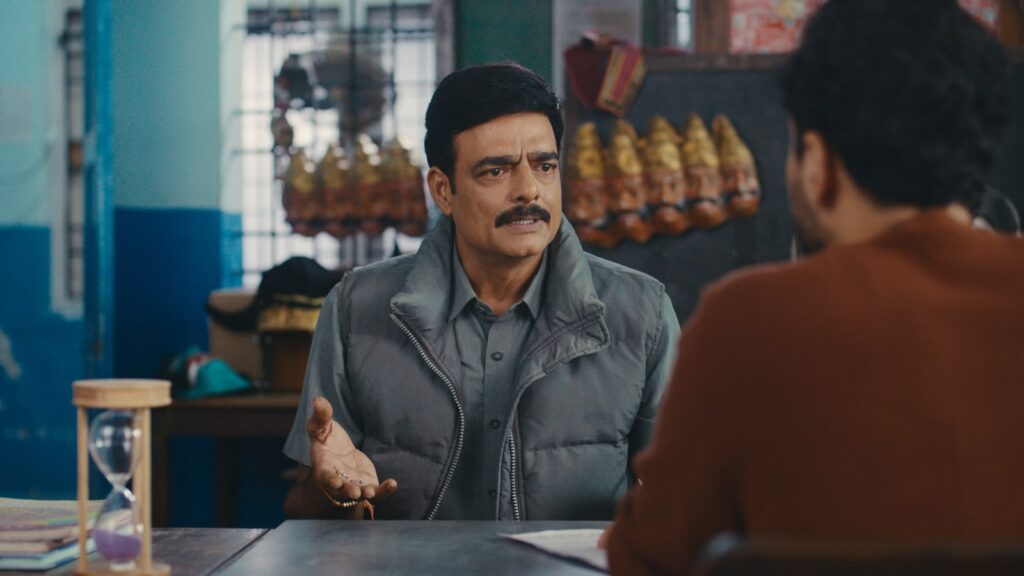
The transition between these palettes remains understated, supporting the narrative without drawing attention to itself.
To photograph the series, Shaz selected the Sony VENICE, recording in a 6K 16-bit workflow.
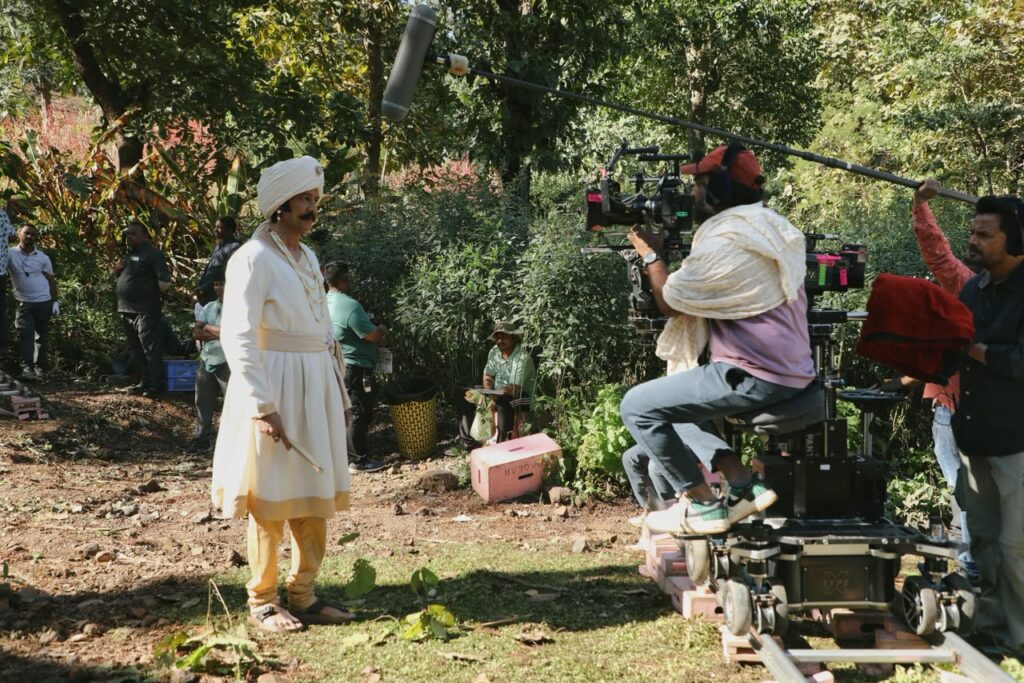
The VENICE offered the dynamic range and colour fidelity required to preserve subtle tonal transitions while remaining practical for an extensive production schedule involving child actors and fast-paced shooting days.
Its flexibility provided ample latitude in post-production without compromising production efficiency.
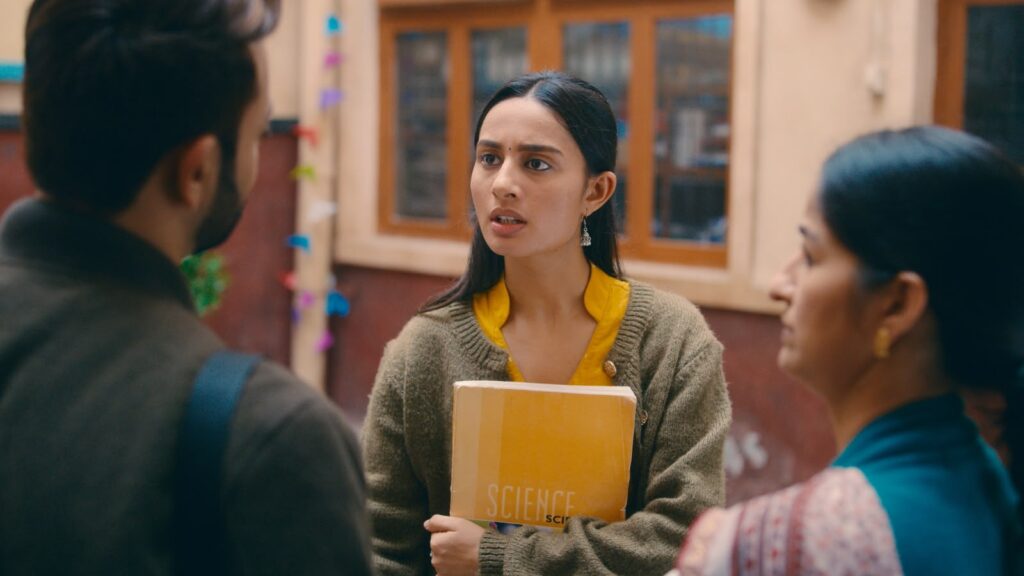
Lens selection became central to establishing the visual identity of Adarsh Baal Vidyalaya.
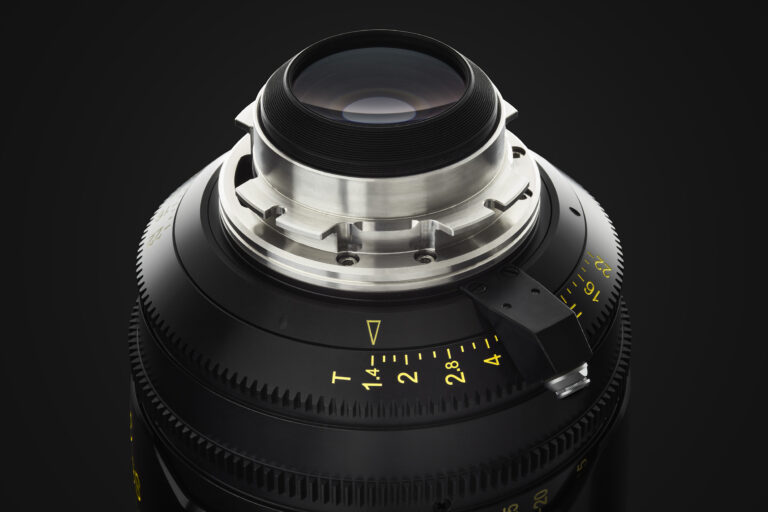
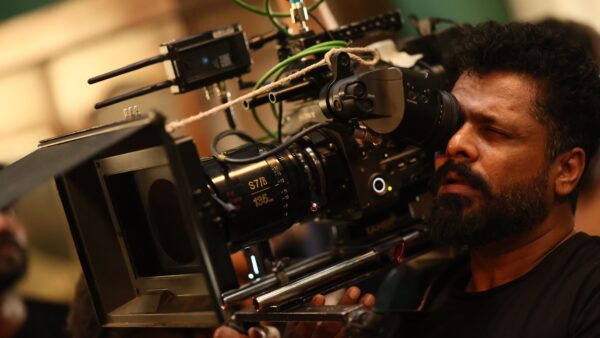
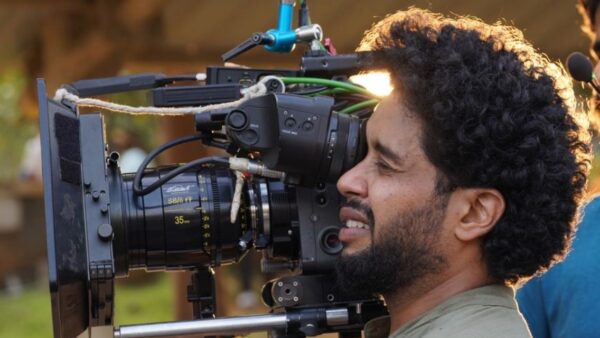
What drew me to the Cooke S7/i Full Frame Primes was how naturally they render skin tones. They have a beautiful focus fall-off and maintain dimensionality in a way that feels organic rather than clinically sharp.
The production relied primarily on the 40mm, 50mm and 65mm focal lengths, creating an intimate perspective that remained close to the characters without introducing unnecessary distortion.
“Comedy doesn’t always need wide-angle exaggeration. We wanted audiences to connect with the characters as people, not caricatures.”
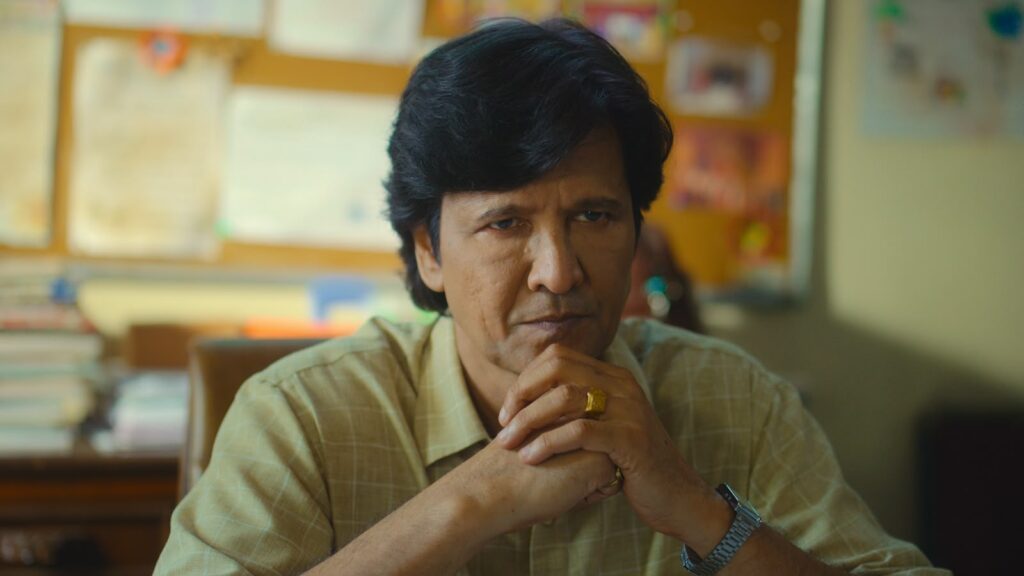
The restrained focal-length choices maintained natural facial geometry while allowing performances to remain the emotional centre of every frame.
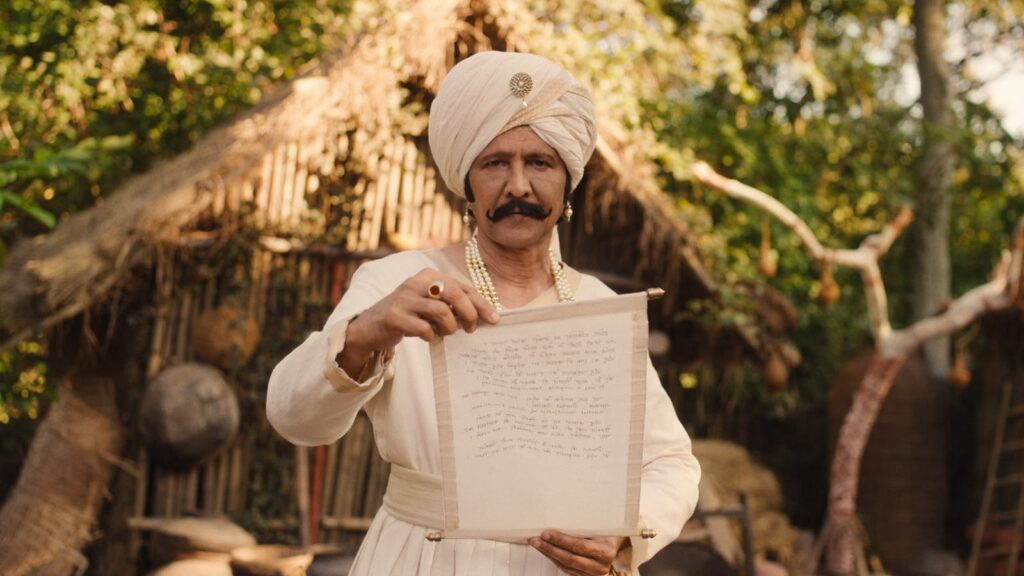
For the imaginary sequence in Episode Five, the production introduced the Cooke S8/i Full Frame Prime.
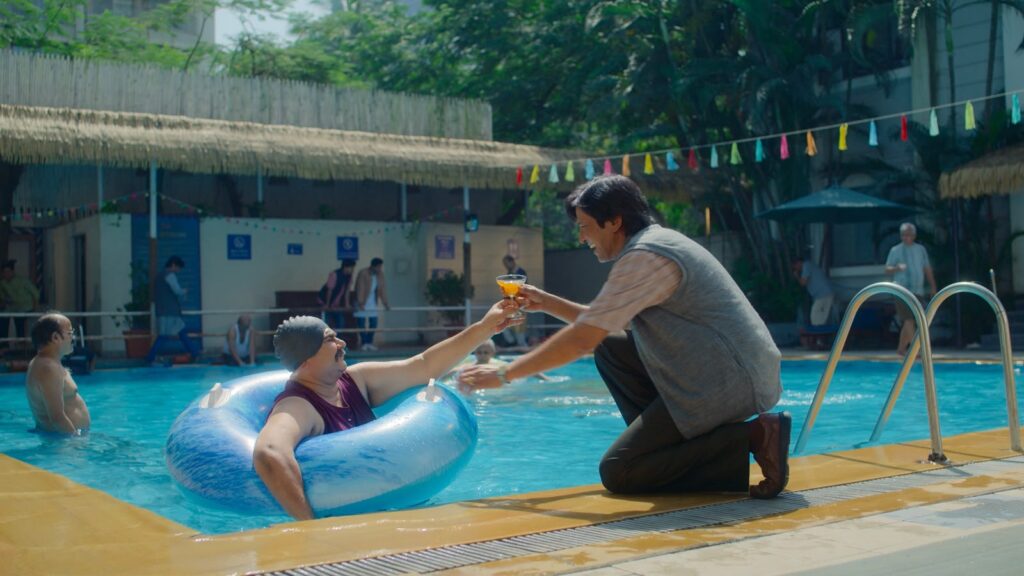
Its distinctive rendering, smoother bokeh and refined optical character subtly separated the imagined world from the grounded realism of the series.
Rather than relying on heavy visual effects, the transition was achieved photographically, allowing the optics themselves to communicate the emotional shift.
For Shaz Mohammed, technology is never the destination.
Whether choosing the Sony VENICE, the Cooke S7/i or the Cooke S8/i, every technical decision begins with narrative intent.
The cinematography of Adarsh Baal Vidyalaya demonstrates that compelling visuals need not call attention to themselves. Sometimes the strongest images are those that quietly support performance, celebrate authenticity and allow the audience to forget the presence of the camera altogether.
“The audience shouldn’t admire the cinematography while watching the scene. They should simply feel what the characters are feeling. If the visuals help achieve that, we’ve done our job.”
Shaz Mohammed | Director of Photography