Search for lenses, articles and help
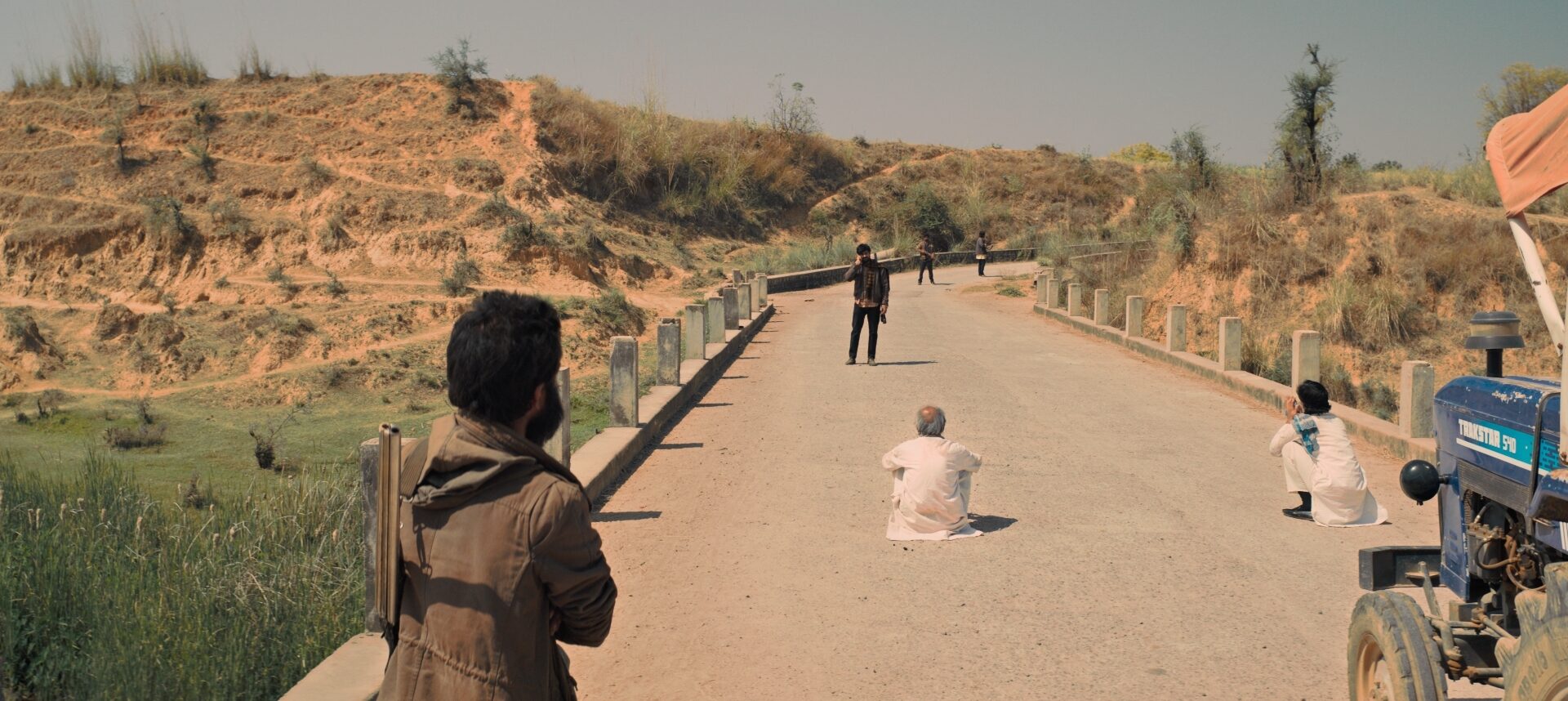
Directed by Tigmanshu Dhulia and starring Pratik Gandhi and Arshad Warsi, Ghamasaan unfolds in the ravines of the Indian heartland a world where landscape, violence and mythology become inseparable. Cinematographer Dev Agarwal approached the film not as an exercise in recreating the Western, but as an exploration of how its visual language could emerge organically from the geography of Bundelkhand. Shot on the ARRI ALEXA Mini LF with Cooke Anamorphic/i Full Frame lenses, the film uses scale, distance, texture and light to create a world that feels both brutally real and larger than life.
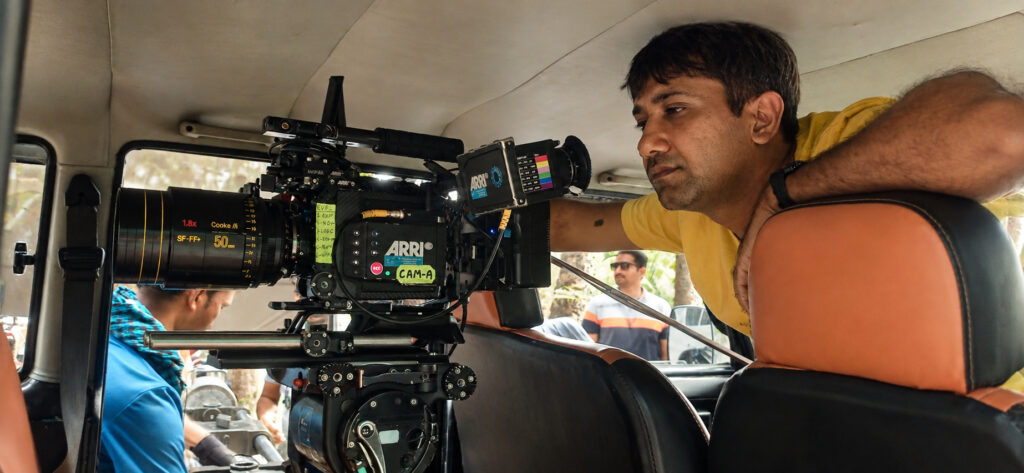
Dev Agarwal is an Indian cinematographer whose feature-film work is grounded in a sensitivity to light, landscape and character. A cinematography graduate of the Film and Television Institute of India (FTII), Pune, Agarwal has photographed CityLights, Bollywood Diaries and Ghamasaan, with Vaitarani and Bakra Kriket among his upcoming projects. His approach begins with discovering the visual identity of each story—balancing atmosphere, performance and environment to create images that feel organic, tactile and emotionally rooted.
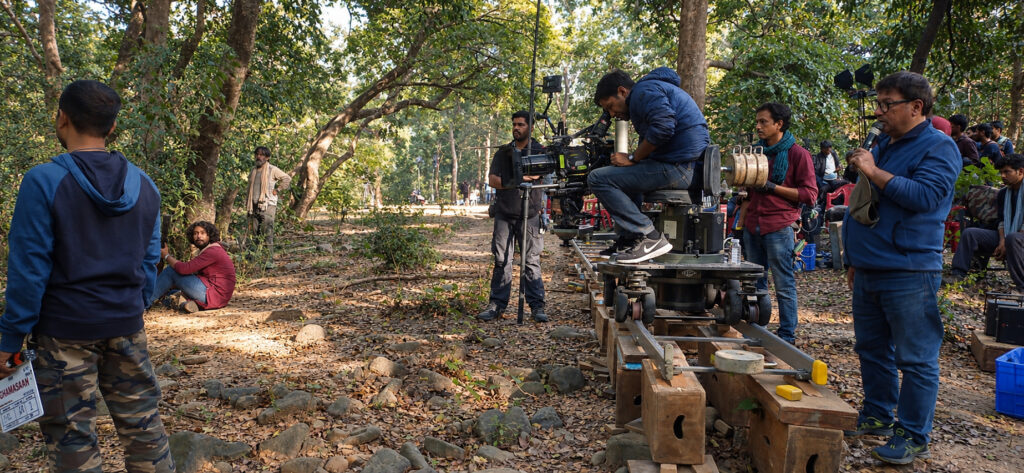
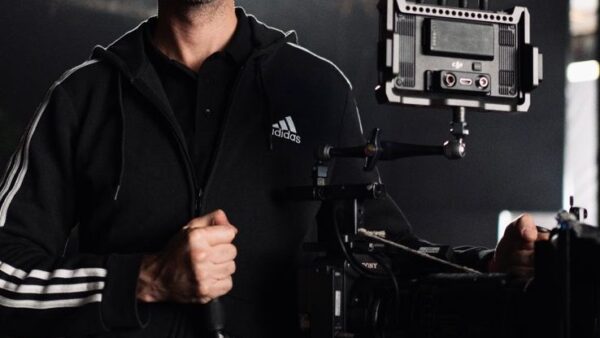
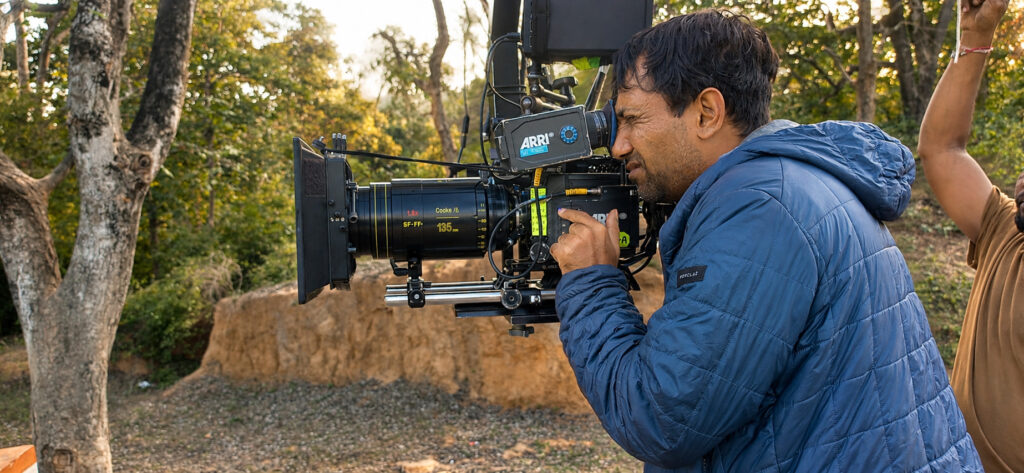
“Where ideas become images. With director Tigmanshu Dhulia filming Ghamasaan.”
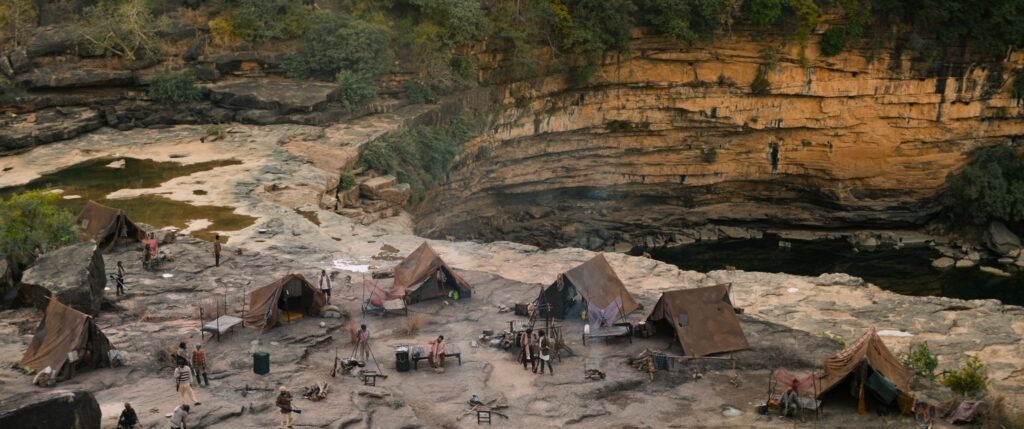
“The ravines were not simply a backdrop. They became an extension of the people who inhabit them.”
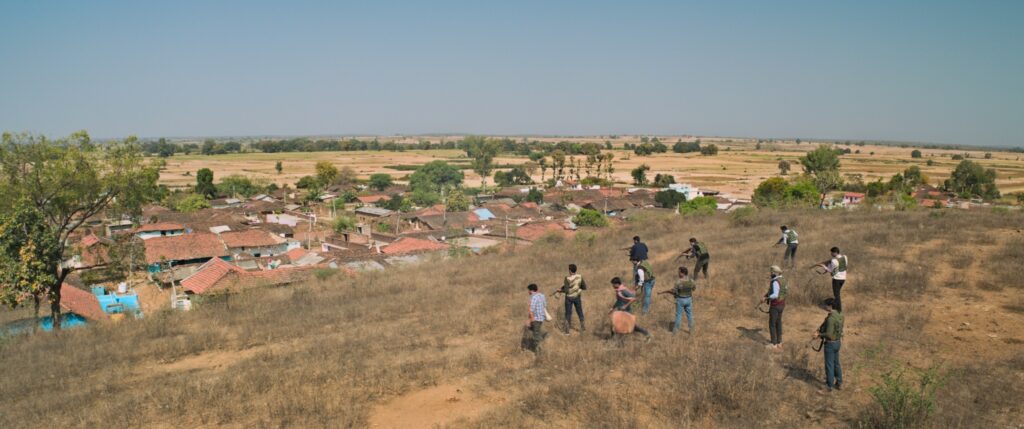
Directed by Tigmanshu Dhulia, Ghamasaan is a portrait of the legendary Bundelkhand dacoit Dadua, set against the stark, unforgiving landscape of the ravines. Visually, the film draws on the grammar of the Western—expansive landscapes, strong compositions and long lenses—while remaining rooted in the textures, light and social reality of Bundelkhand. The ravines are not simply a backdrop. They become an extension of the people who inhabit them.
“I wanted to find the Western within our own landscape.”
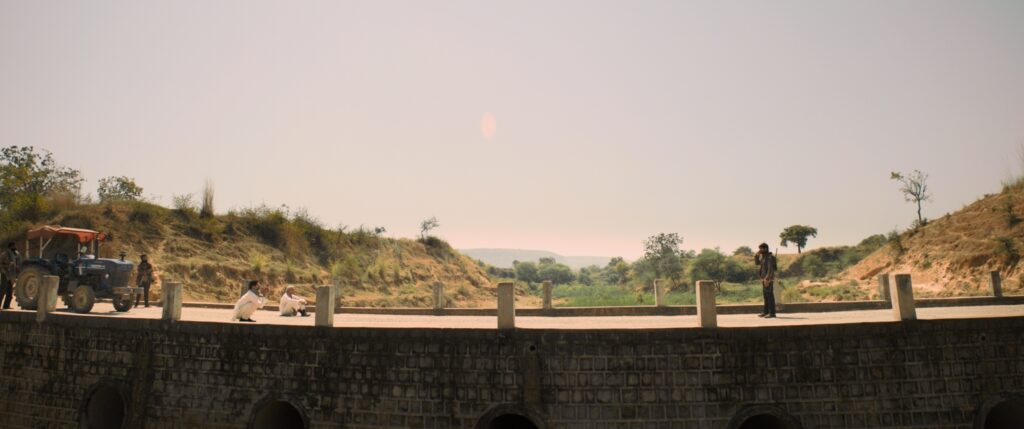
I didn’t want to photograph Bundelkhand as a picturesque backdrop. I wanted the geography to determine how we positioned people, how much space we gave them, what they could see and what remained outside the frame. The question was not simply how to make the landscape striking, but how to make the audience understand the relationship between these people and the land they inhabit. That became the foundation for our camera and lens choices.
“I wanted scale without losing humanity.”
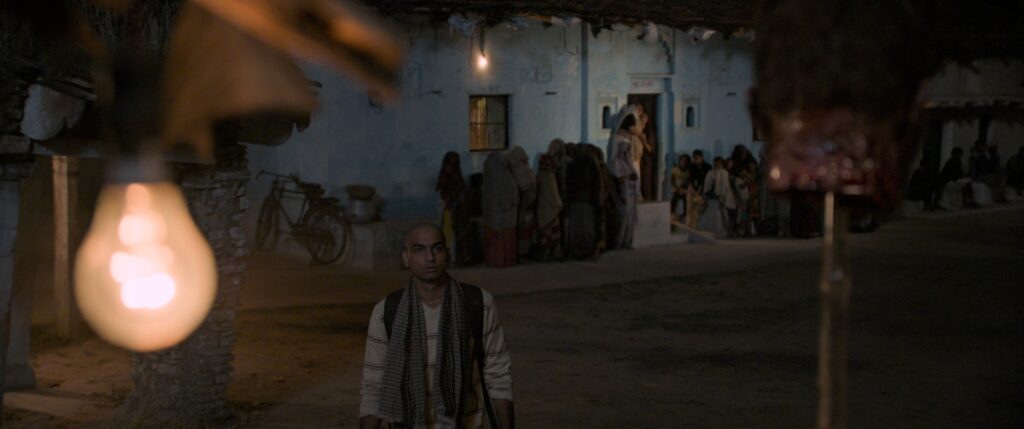
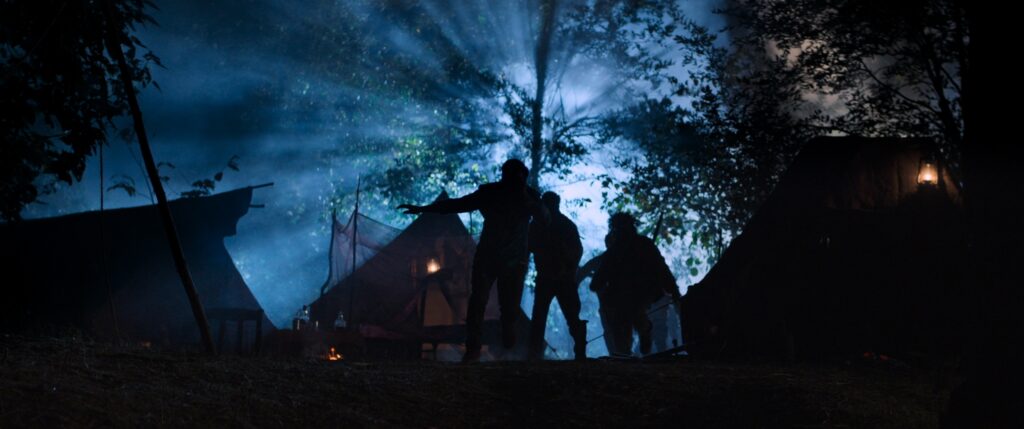
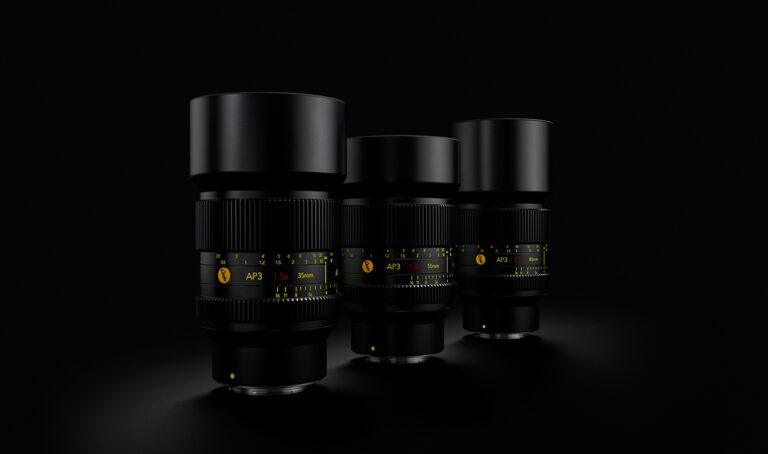
We shot with the ARRI ALEXA Mini LF and Cooke Anamorphic/i Full Frame lenses. The decision was driven by the demands of the film rather than a desire to impose a predetermined “look.” The Mini LF gave us the large-format capture and tonal latitude required by the locations. The Cooke Anamorphic/i FF lenses gave us the anamorphic perspective and optical rendering I was looking for.
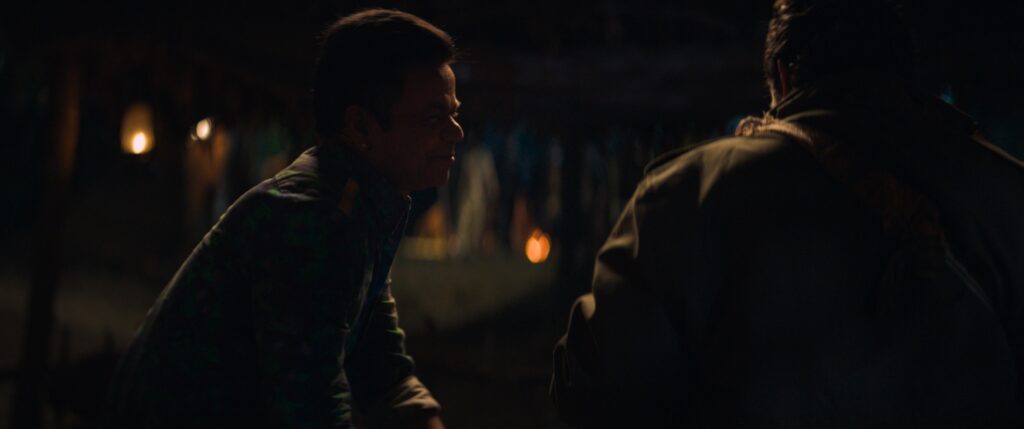
“The lenses were our way of translating the scale and texture of the ravines into a dramatic image.”
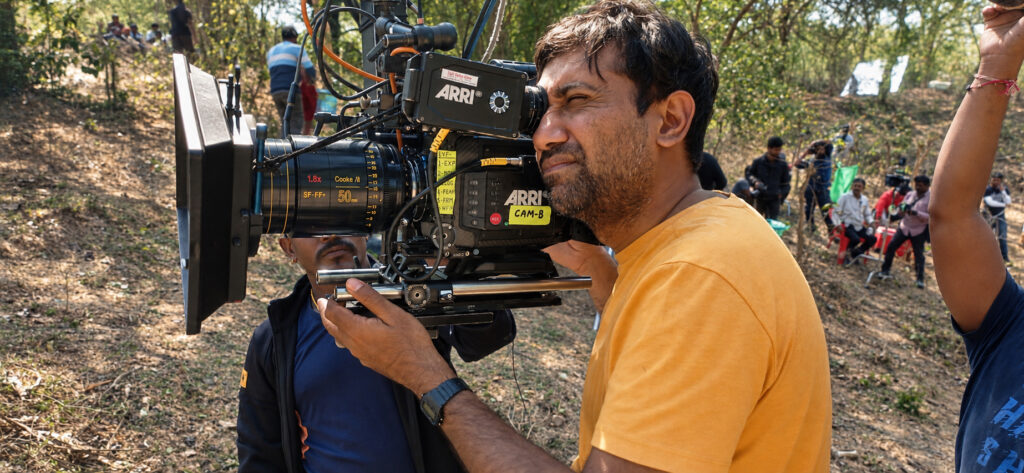
My choice of Cooke was not driven by the desire to create an immediately recognizable anamorphic look. I was looking for something more fundamental: a lens that could give me scale without losing intimacy, character without sacrificing resolution, and optical personality without becoming visually demonstrative.
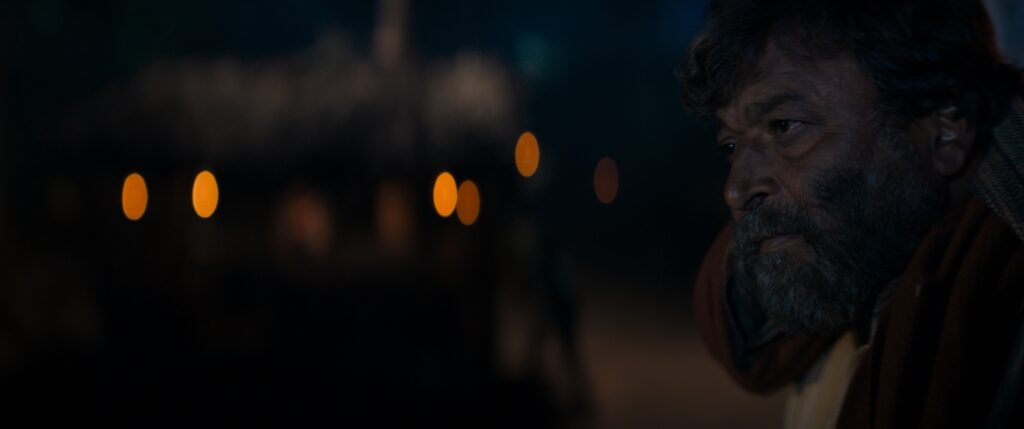
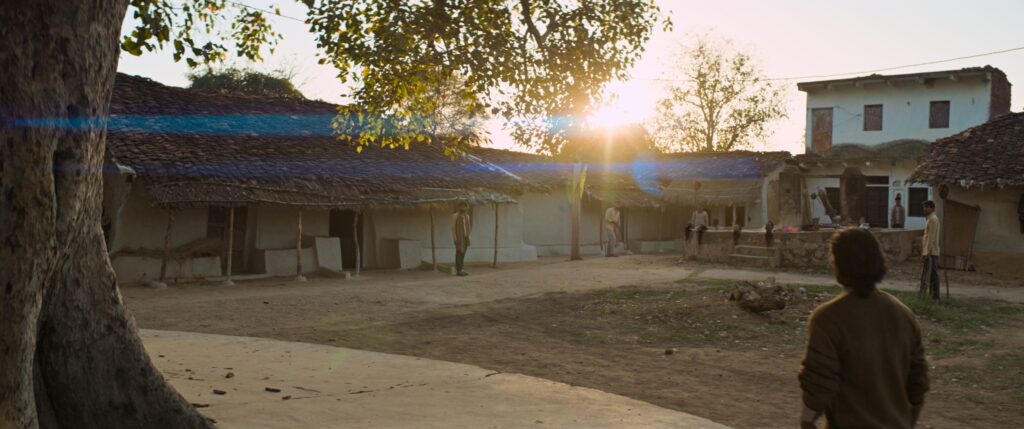
“The lenses gave the large format image an organic quality”
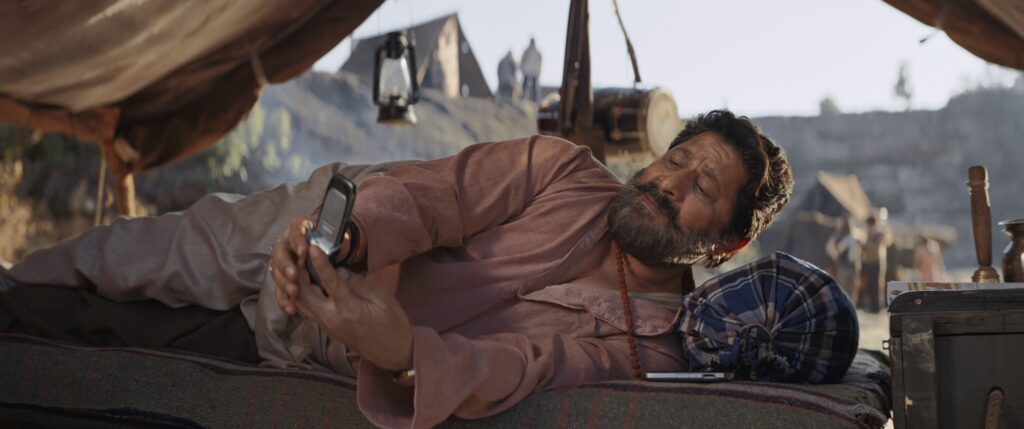
For me, the Cooke character is not simply softness. It is in the way detail, contrast, skin and defocus transition through the frame. The image retains information without becoming excessively clinical.
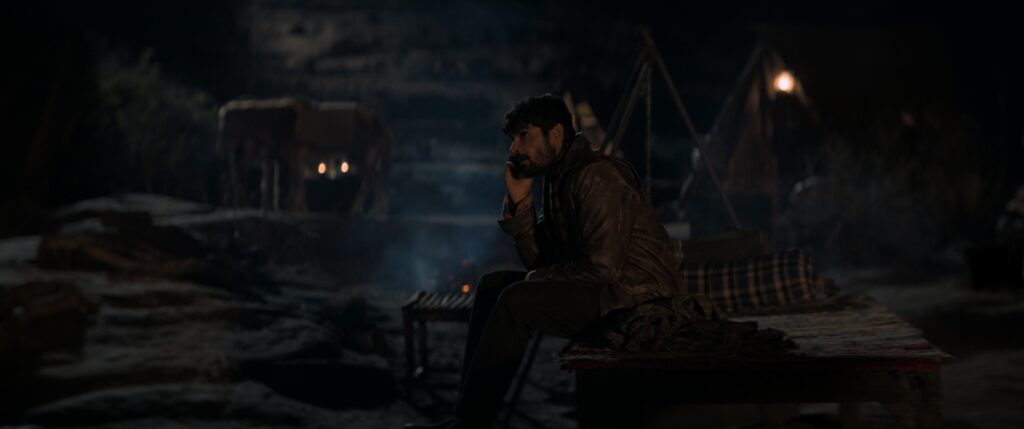
That balance was important for Ghamasaan, where the landscape needed to feel tangible and the characters needed to remain human within it.
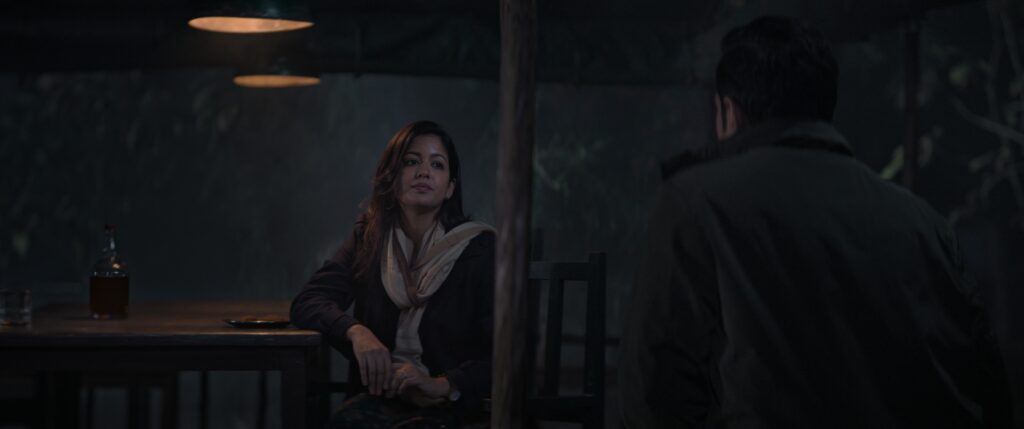
The locations presented enormous contrast: bright skies above dark earth, sunlit rock beside deep shadow, and faces moving from direct sunlight into naturally enclosed spaces. Our lighting approach began with understanding what the location was already giving us.
When additional light was necessary, I wanted it to remain consistent with the physical logic of the scene. The objective wasn’t to make the environment look artificially lit; it was to control the existing light sufficiently to guide the audience through the frame. Different times of day could therefore have different visual qualities. The landscape didn’t need to be forced into a single photographic condition.
“The landscape was never just scenery. It was part of the story.”
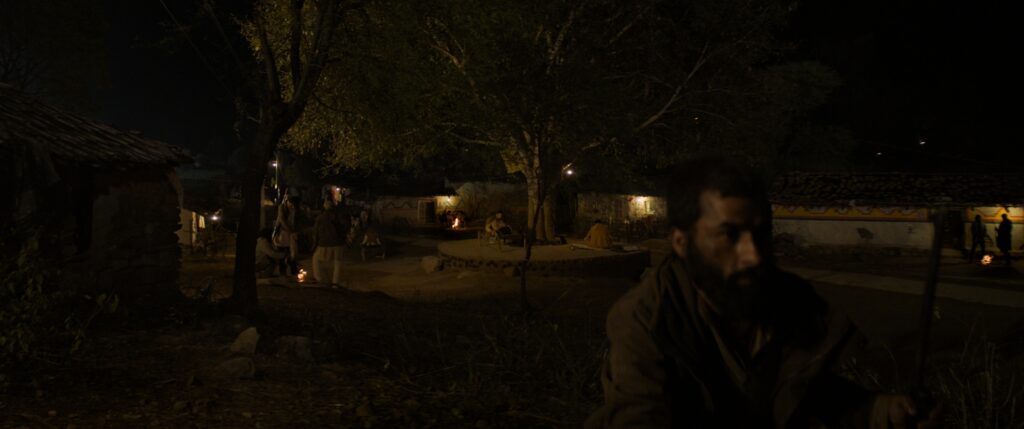
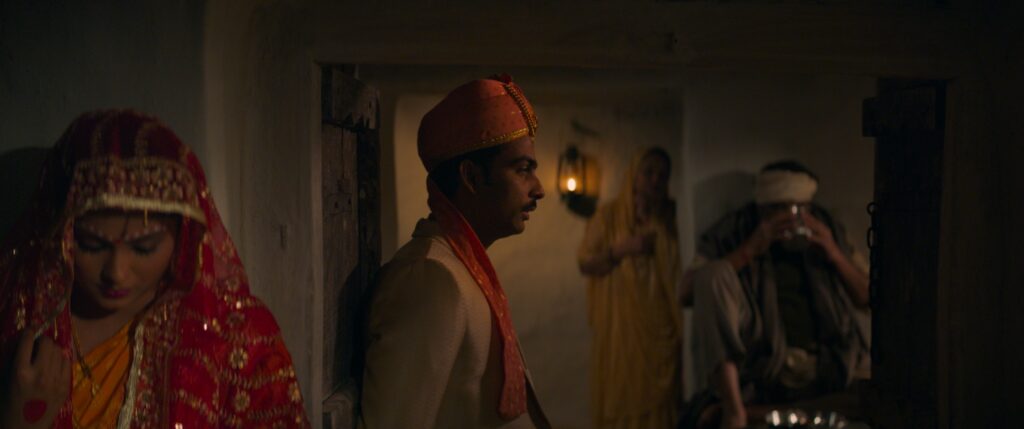
The natural light of Bundelkhand was one of our greatest resources. Hard sun created strong planes across faces and terrain. Dry earth returned a subtle warmth into the shadows. Dust softened distant forms and created atmospheric separation. Rather than neutralizing those characteristics, we incorporated them into the visual language.
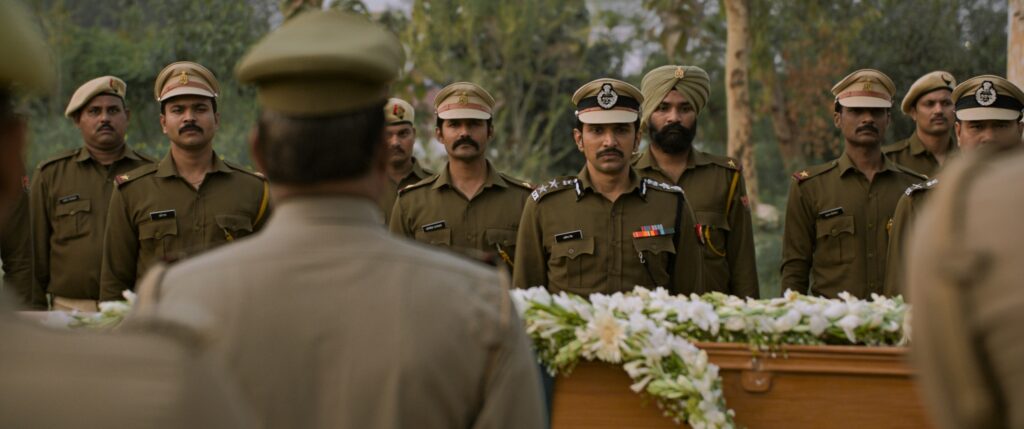
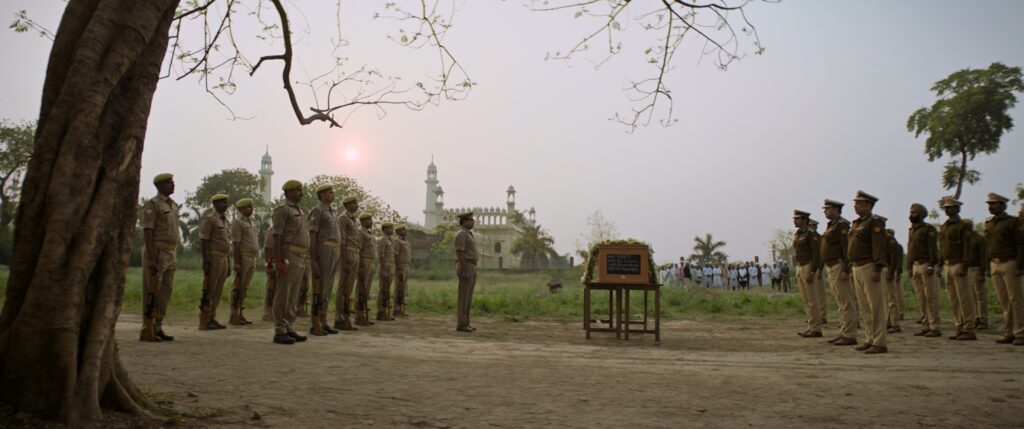
“A harsh landscape, rendered with humanity.”
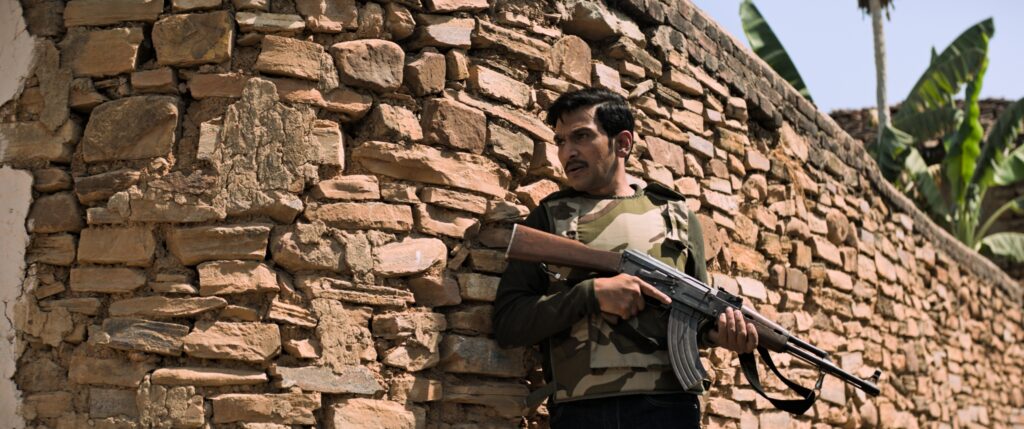
One of the more subtle challenges was finding different visual identities for Arshad Warsi and Pratik Gandhi. They exist within the same film and the same broad landscape, but their stories have different emotional temperatures. I didn’t want to announce that difference through obvious color coding or radically different visual styles. It needed to live inside the light.
Arshad’s world is harder. His character carries a certain physicality and aggression, and the light around him reflects that. We allowed it to be more directional and severe, with stronger transitions into shadow. I wanted the light to have edges. I wanted the landscape to leave its mark on him.
“Beauty was never the objective; truth was.”
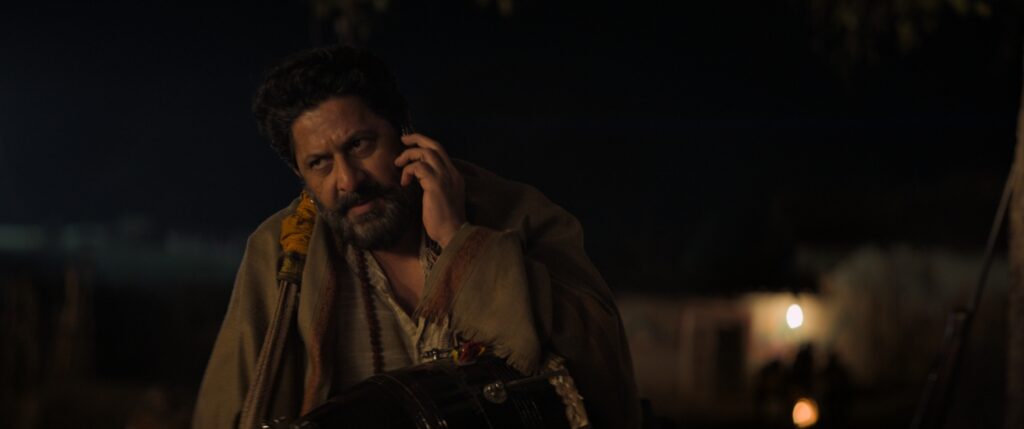
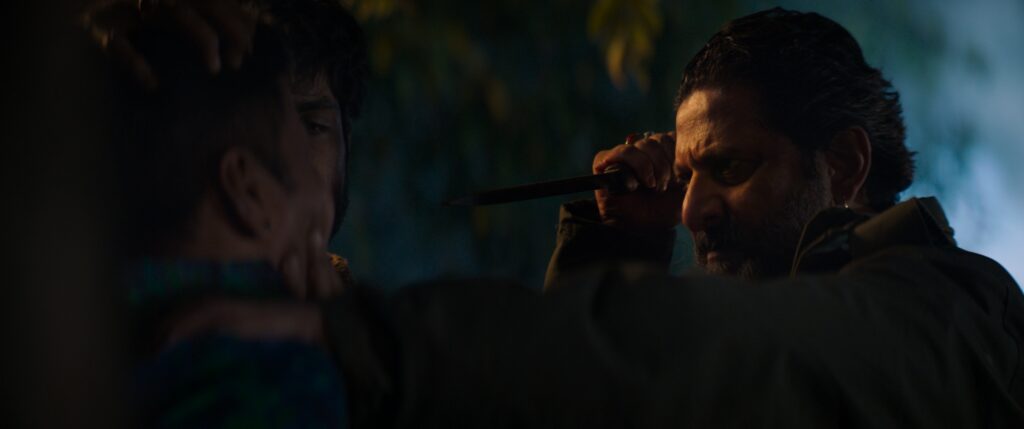
Pratik’s world was approached differently. His was more subtle. The light could be quieter; the contrast could breathe more gently. The environment could surround him without pressing against him in quite the same way.
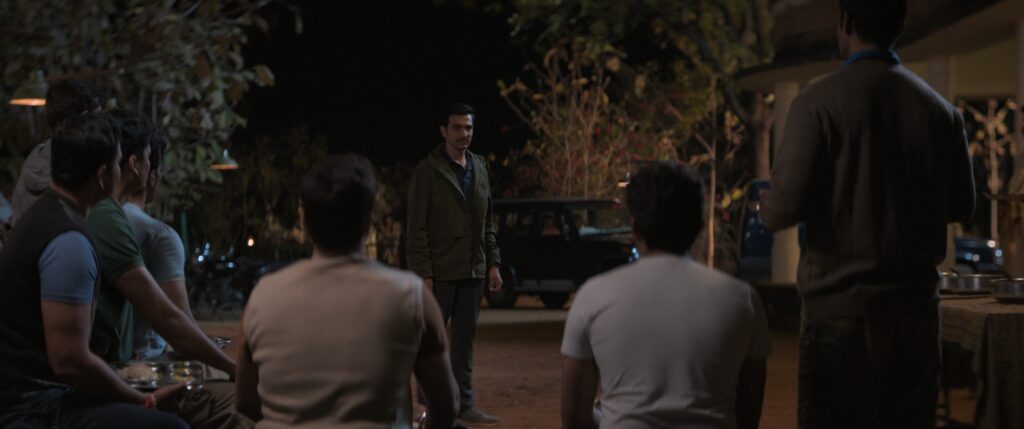
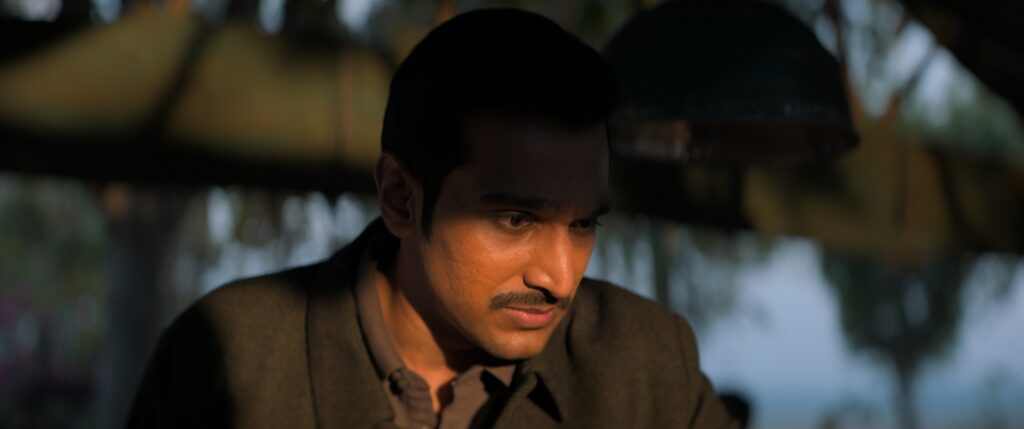
“ It should not look lit up”
Very early in our conversations, director Tigmanshu Dhulia gave me a remarkably simple brief: “It should not look lit up.” I kept coming back to that sentence.
It sounds like a technical instruction, but it isn’t. It is really a philosophy of seeing. He wasn’t saying that we shouldn’t use lights. He was saying that the audience should never feel the presence of lighting as an artificial intervention. The world should appear to have its own light. The characters should appear to belong to that world.
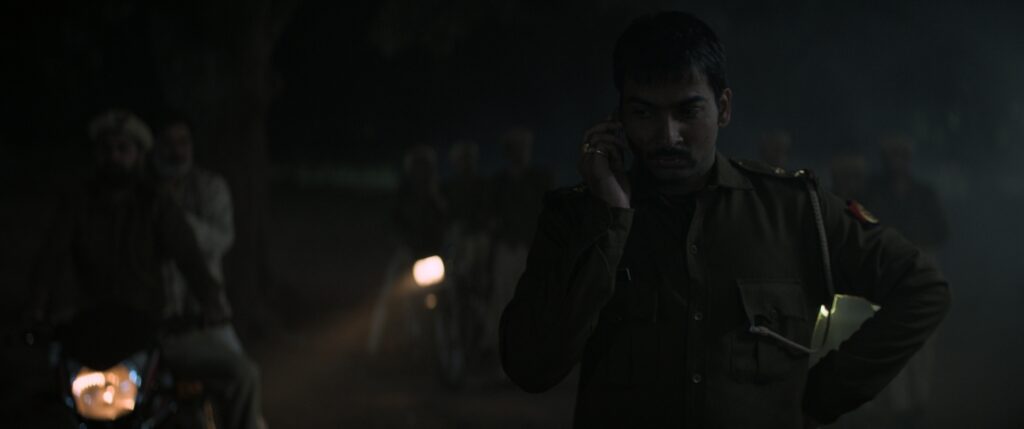
That meant resisting the temptation to make every face perfectly readable. There were moments when I deliberately allowed a face to fall as much as three stops under. Today, when cameras can see almost everything, darkness can feel like a choice. And it was.
I believe cinema becomes interesting not only through what it reveals, but through what it refuses to reveal. A face disappearing into shadow can sometimes tell us more about a character than a perfectly exposed close-up. Darkness leaves space for the imagination.
“The lenses gave the large-format image an organic quality.”
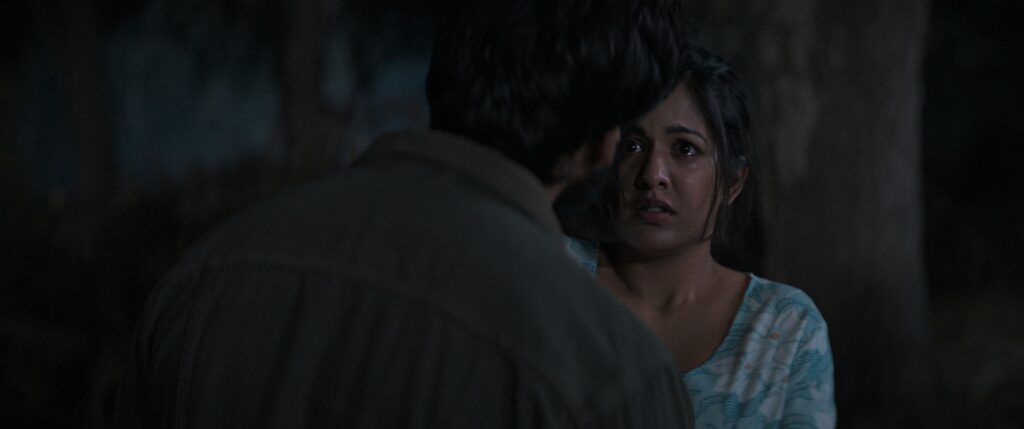
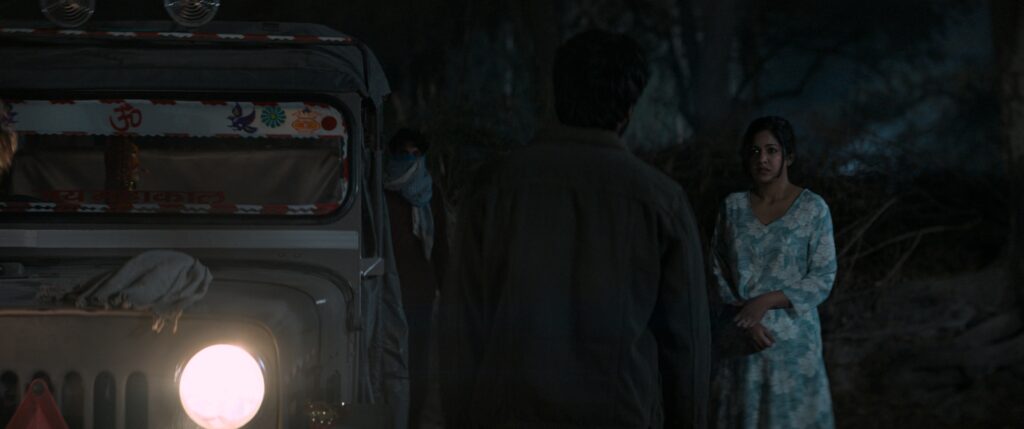
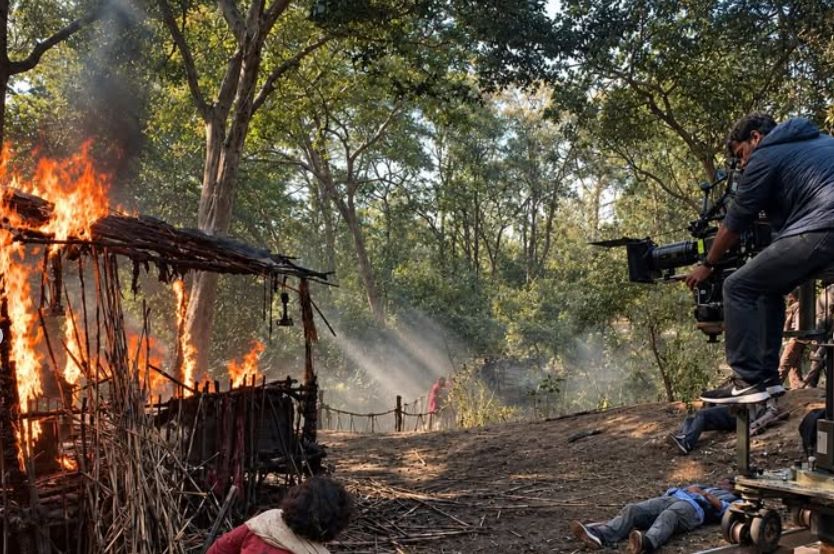
I think of lens character as something more nuanced than sharpness or softness. It exists in the cumulative behavior of the optics: the way contrast changes across the image, the rendering of fine detail, the treatment of skin, the structure of highlights and the transition into defocus.
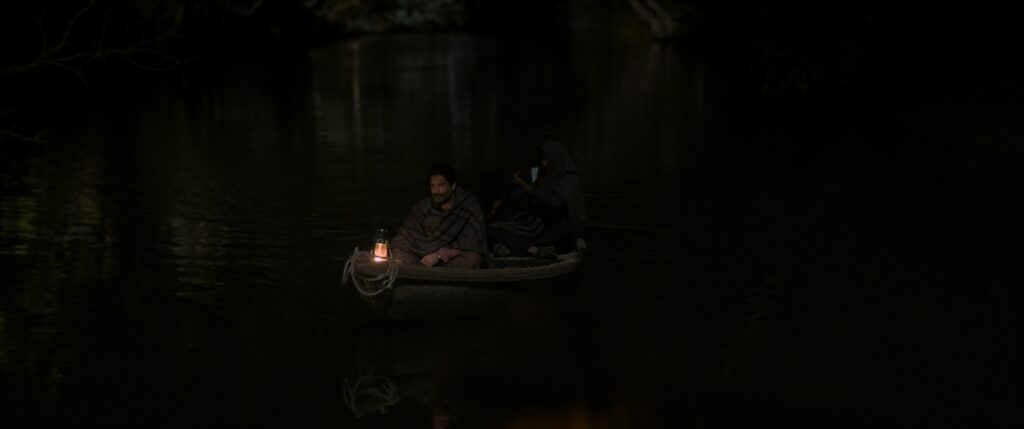
For Ghamasaan, I wanted that translation to retain a photographic quality. The Cookes allowed us to preserve the texture of the locations while giving the image enough character to avoid feeling clinically reproduced.
“For me, the Cooke Look is about character in the image.”
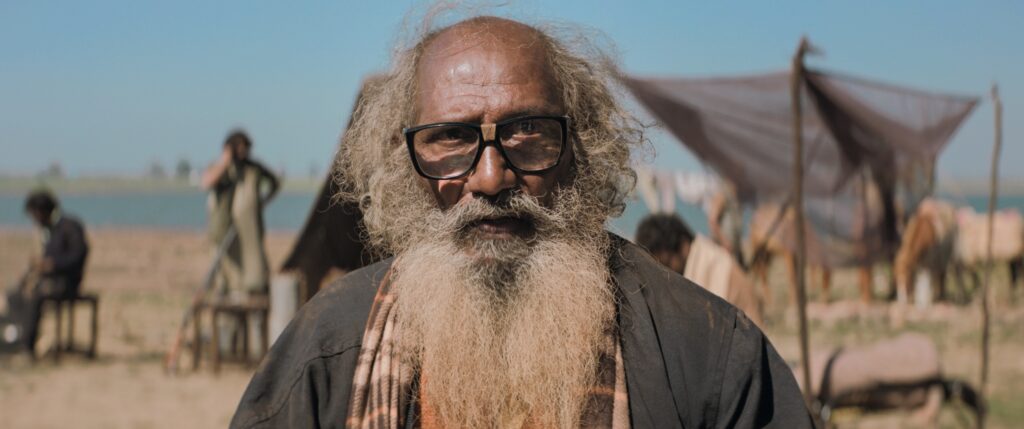
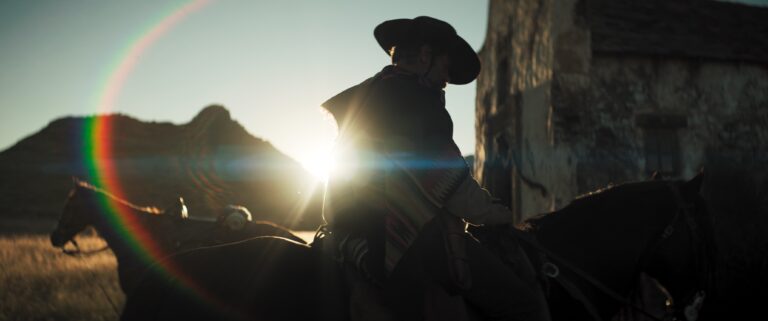
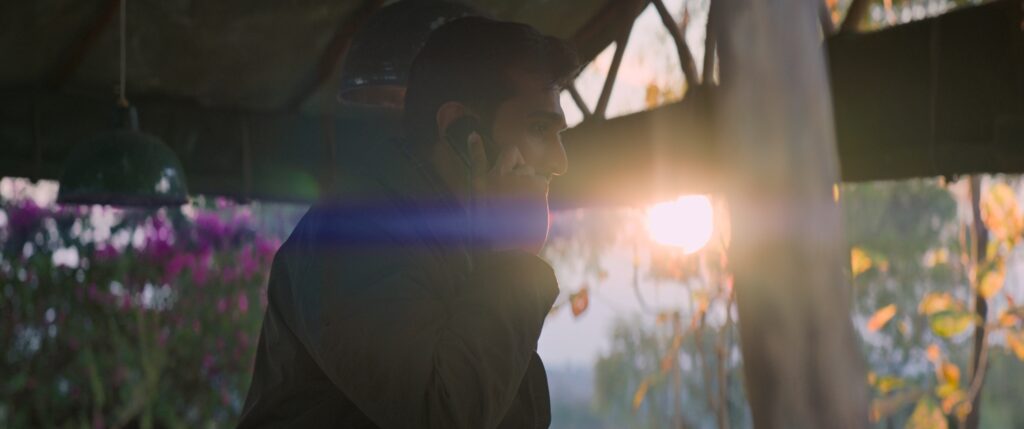
Anamorphic optics inevitably introduce another layer of behavior when confronted with strong sources. Highlights, flare and changes in contrast can become part of the photograph. I was interested in those characteristics, but I didn’t want to build the visual language around them. If an optical response helped the scene, we embraced it. If it distracted from the performance or composition, we avoided it. The lens could have personality without making the audience aware of the mechanism producing that personality.
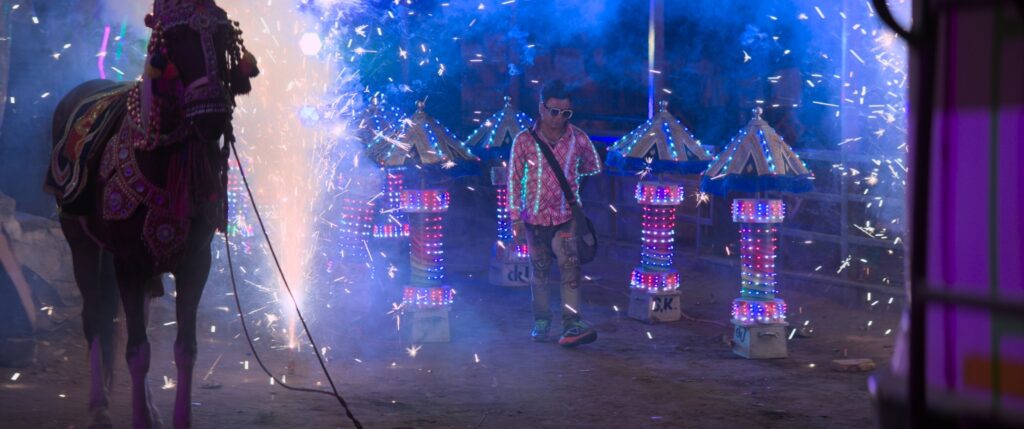
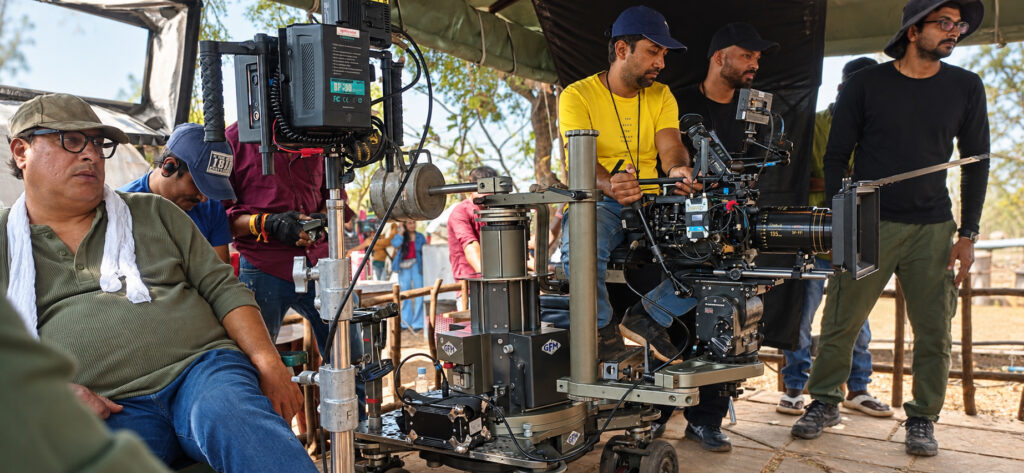
“Building the world of Ghamasaan, one frame at a time — with director Tigmanshu Dhulia.”
The Cooke Anamorphic/i FF lenses were integral to creating the visual language of Ghamasaan. They gave me the scale and spatial depth needed for the ravines, while retaining a warmth and organic quality that kept the characters human. Their rendering of skin, highlights and fall-off brought texture and imperfection to the large-format image. Combined with the ALEXA Mini LF, they helped me create a look that felt expansive, tactile and rooted in the landscape.
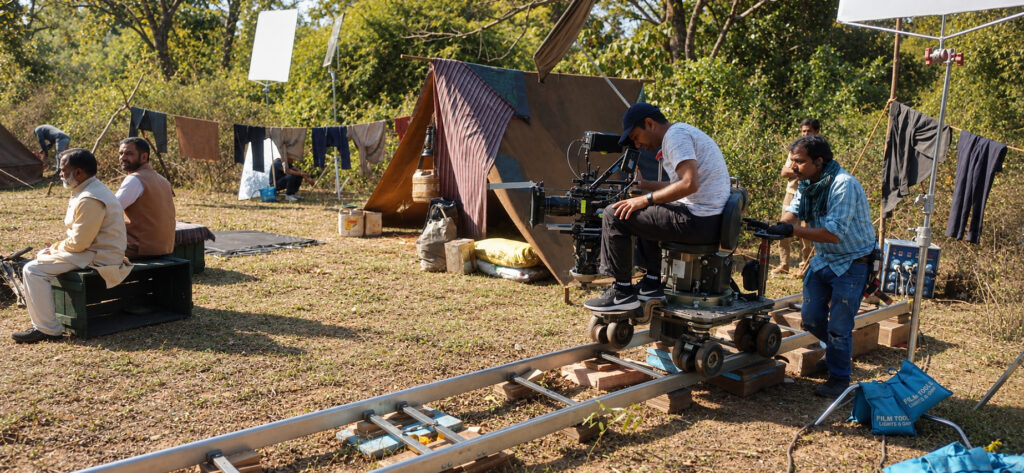
Dev Agarwal | Director of Photography
Supported By: Tanvi Enterprises