Search for lenses, articles and help
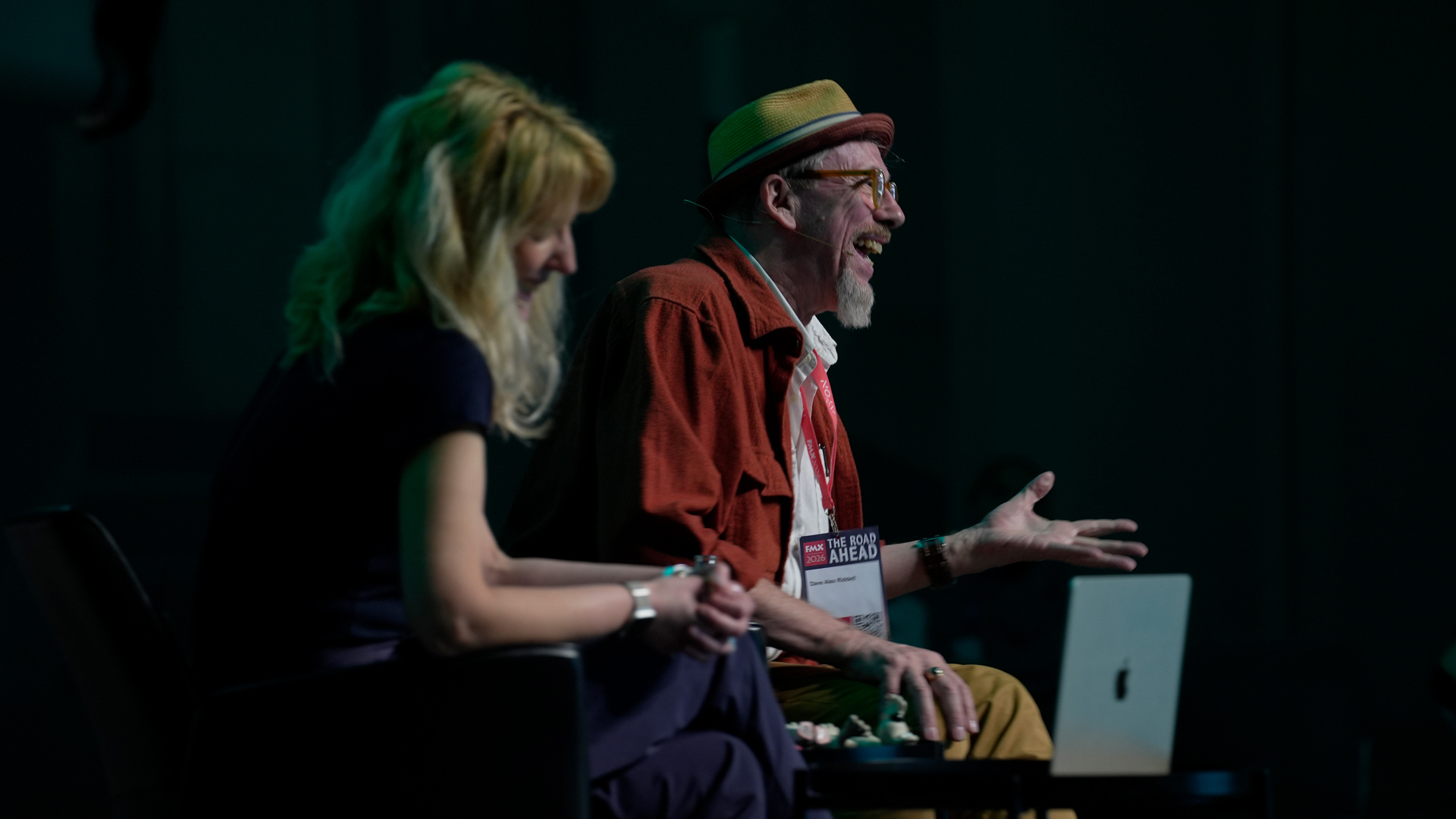
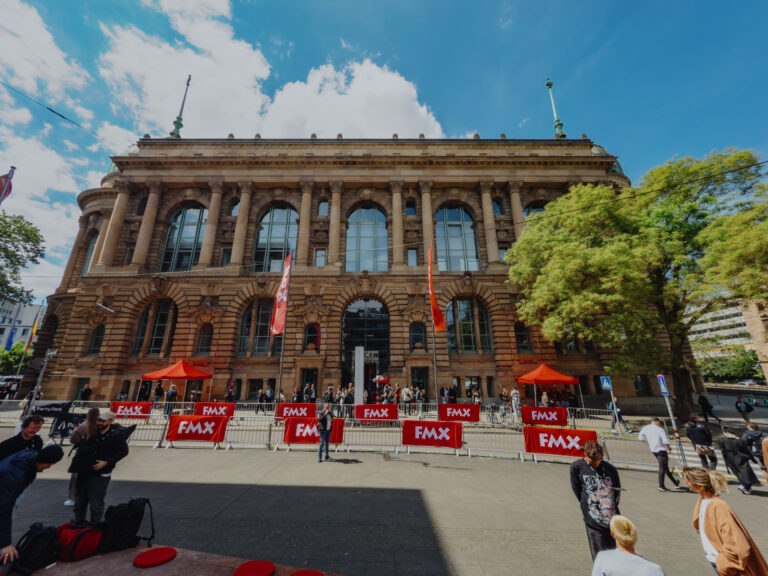
The 30th annual Film and Media Exchange (FMX) conference was held once again in Stuttgart, Germany this Spring, bringing together leading voices in digital artistry across disciplines such as television, visual effects (VFX), gaming and cinematography. FMX stands as one of the most respected conferences dedicated to current developments in film and media creation with presentations, panel discussions, workshops and an exhibition area.
Apt for this year’s slogan ‘The Road Ahead’, the 2026 conference marked a milestone moment for FMX, as Cooke Optics curated the very first cinematography-focused track. The track focused on introducing the cinematographers’ perspective to storytelling, how lighting design, the multiple methods of using a camera, and lens selection serve as narrative tools and how their collaboration with VFX professionals is key to preserving the creative vision.
At the core of Cooke’s philosophy is bridging the gap between traditional cinematography and digital artistry. Maintaining the integrity of a creative vision depends on seamless collaboration between cinematographers and VFX professionals; a relationship built on shared language, mutual understanding, and technical integration.
Cooke’s programme featured three major panel discussions.
The first, Cinematography in the VFX Age, featured acclaimed cinematographer Paul Cameron ASC, AMPAS, DGA in conversation with Cooke’s Chief Innovation Officer, Jordan Thistlewood. Cameron’s visually groundbreaking work has helped define modern cinematography, with credits including Gone in 60 Seconds, Man on Fire, Pirates of the Caribbean: Dead Men Tell No Tales, and the BAFTA Award-winning Collateral, which received the BAFTA for Best Cinematography. During the session, Cameron reflected on his career and shared insights into the evolving relationship between cinematography and visual effects.
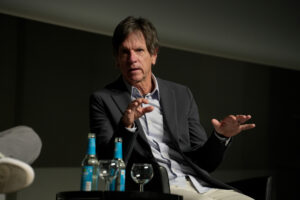
Paul Cameron ASC, AMPAS, DGA
The second panel, Work Aard Play Aard, saw Cooke Optics’ Sara Coppola-Nicholson joined by award-winning cinematographer Dave Alex Riddett BSC, a pioneer of stop-motion animation who has helped shape Aardman’s distinctive visual style since its earliest days.
As Senior Director of Photography on Chicken Run, Riddett’s extensive body of work also includes the Oscar-winning Wallace & Gromit: The Curse of the Were-Rabbit and The Wrong Trousers, alongside A Close Shave, A Matter of Loaf and Death, Early Man, Shaun the Sheep, and numerous Wallace & Gromit shorts, commercials, and idents.
Reflecting on his career and creative process, Riddett discussed how storytelling evolves through collaboration across production and post-production in an increasingly VFX-driven industry.
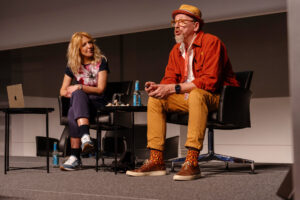
Sara Coppola-Nicholson and Dave Alex Riddett BSC
For Cooke’s final panel, GLASS: Capturing the Lens Look for Photorealistic VFX, Jordan Thistlewood was joined by award-winning Visual Effects Supervisor and filmmaker Victor Perez. With more than 28 years of experience, Perez has contributed to major productions including The Dark Knight Rises, Rogue One: A Star Wars Story, Harry Potter and the Deathly Hallows, and Pirates of the Caribbean: On Stranger Tides.
Together, Perez and Thistlewood explored the importance of photorealism in VFX and the subtle optical characteristics that shape the emotional language of cinematography. Distortion, chromatic aberration, field curvature, and iris behaviour are among the nuanced lens qualities that help create believable imagery. Perez demonstrated how these characteristics can be analysed, measured, and reconstructed within VFX pipelines to seamlessly integrate CGI with live-action photography.
FMX 2026 represented a significant step forward in promoting a more integrated approach to visual storytelling. By bringing together perspectives from across cinematography, VFX, and digital production, the conference highlighted not only how films and visual media are evolving, but also how the next generation of creatives can be educated and mentored. As these disciplines become increasingly interconnected, the industry moves closer to a future where technology serves artistic vision more seamlessly than ever before.