Search for lenses, articles and help
 Mandaadi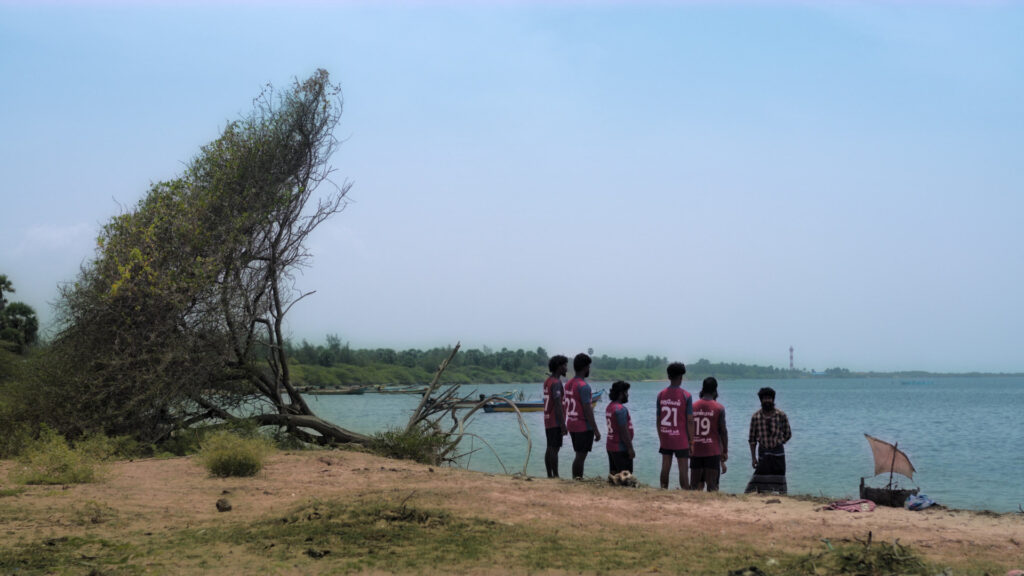
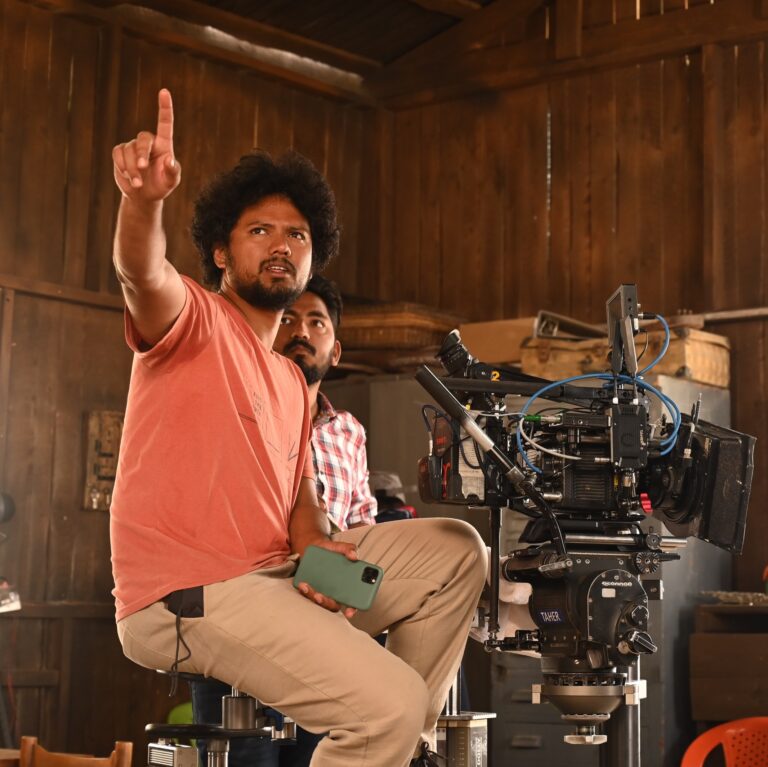
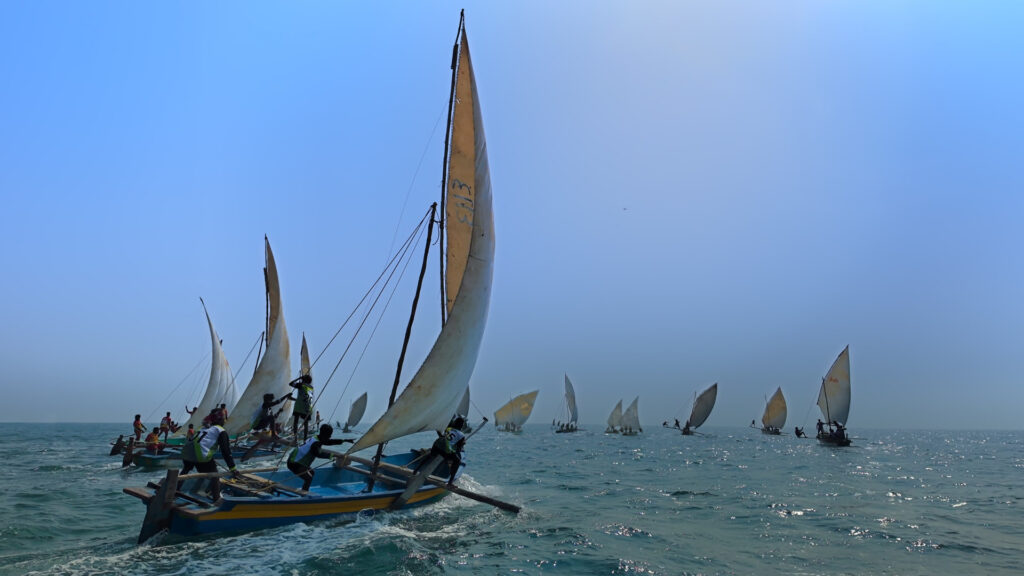
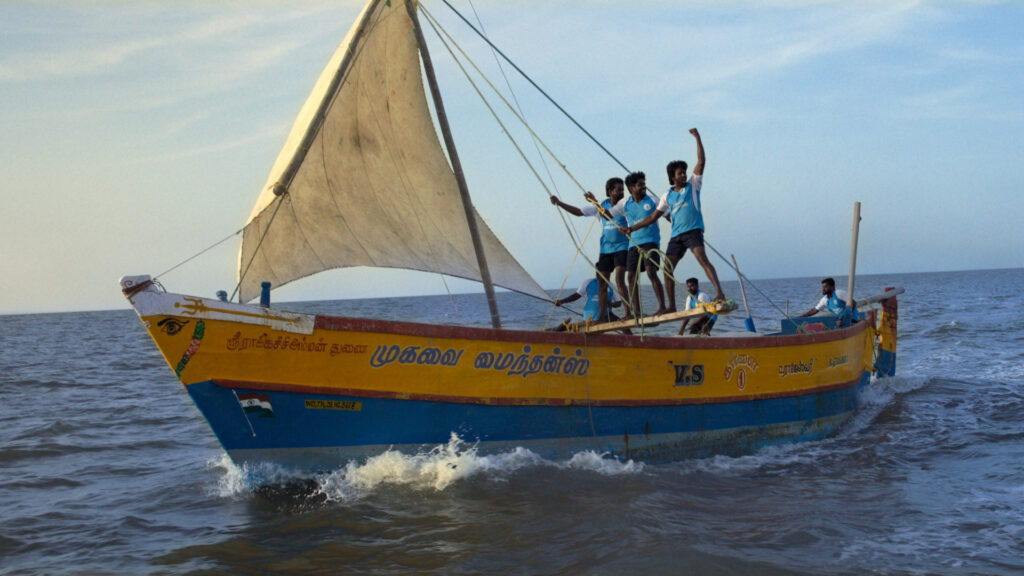
Directed by Mathi Maran, Mandaadi presented cinematographer S. R. Kathir with a demanding visual proposition: a story centered around sailboat racing, with much of its drama unfolding on land and at sea.
For Maran, the film needed to feel contemporary without becoming clinically digital. His brief to Kathir was precise a “vintage-looking contemporary lens.” Rather than creating that character later through grading or post-production, the intention was to see it in-camera from the beginning.
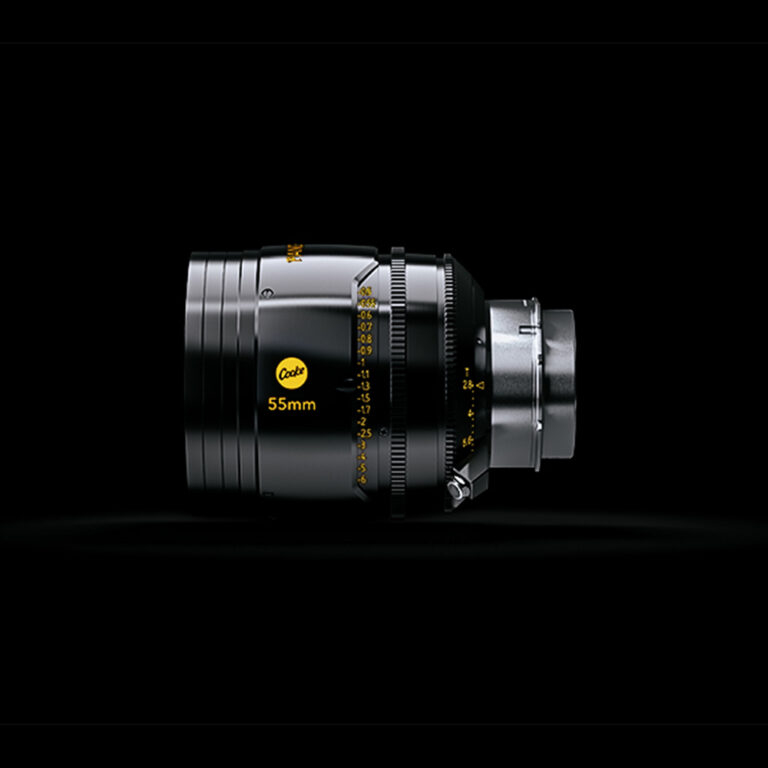
That brief led Kathir through extensive lens testing and ultimately to Cooke Panchro lenses for the principal photography, with Cooke SP3 lenses becoming an important solution for the sea-race sequences.
Kathir, whose work brought him nationwide recognition through Subramaniapuram, has long approached cinematography through texture, atmosphere and the character of the image. On Mandaadi, that instinct was combined with an unusually practical approach to lenses and camera placement.
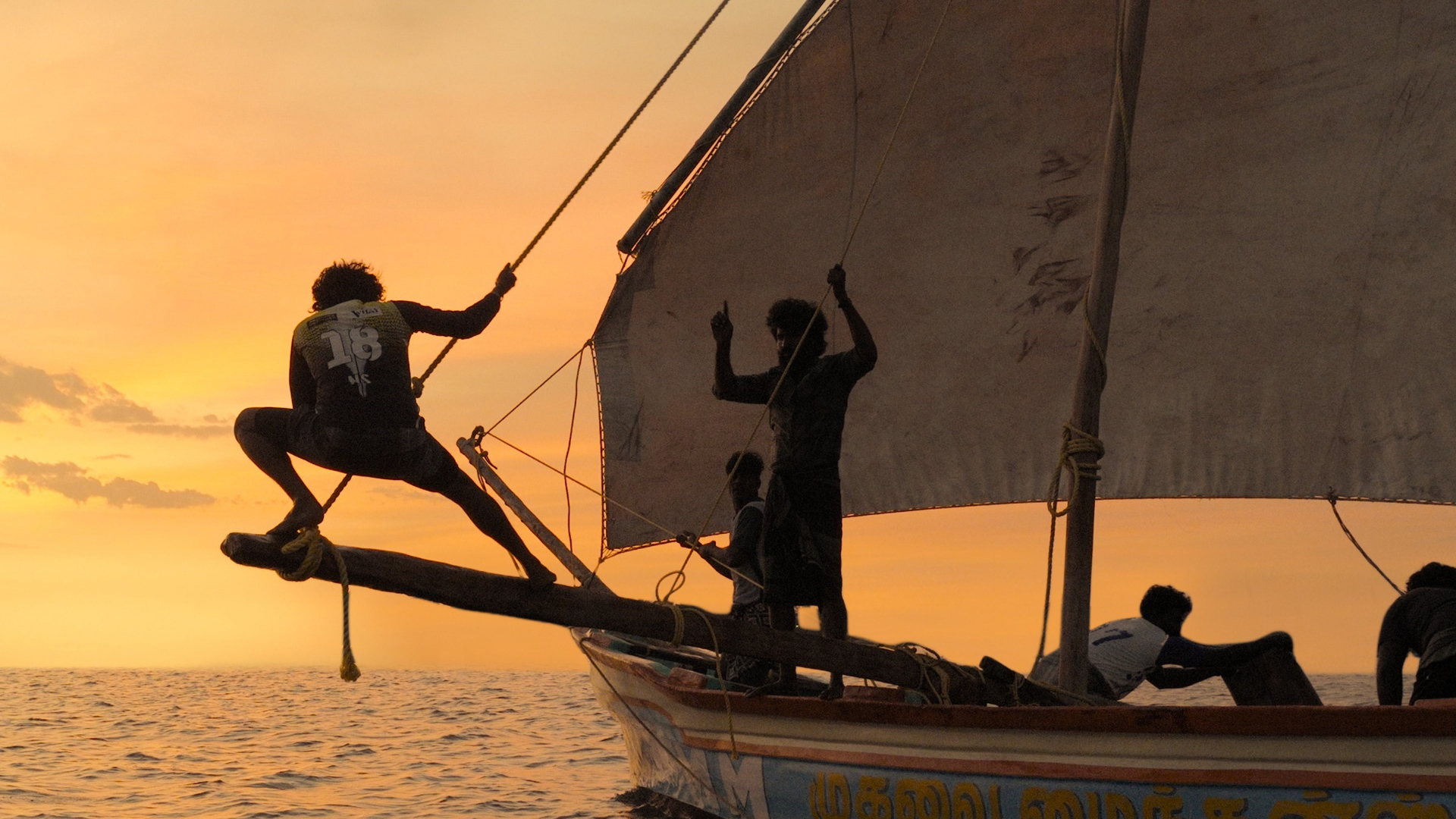
The sea sequences immediately established the film’s lighting philosophy.
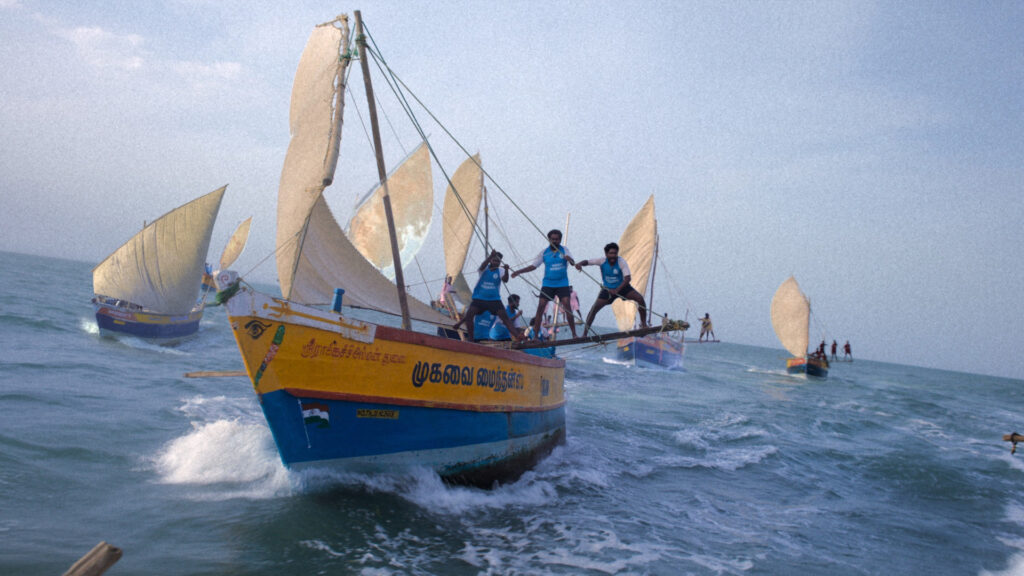
Since the races were intended to be photographed live on the water, conventional fill lighting was not an option. Kathir and Maran decided to work with the available natural light, protecting highlights while allowing shadows and mid-tones to remain more restrained.
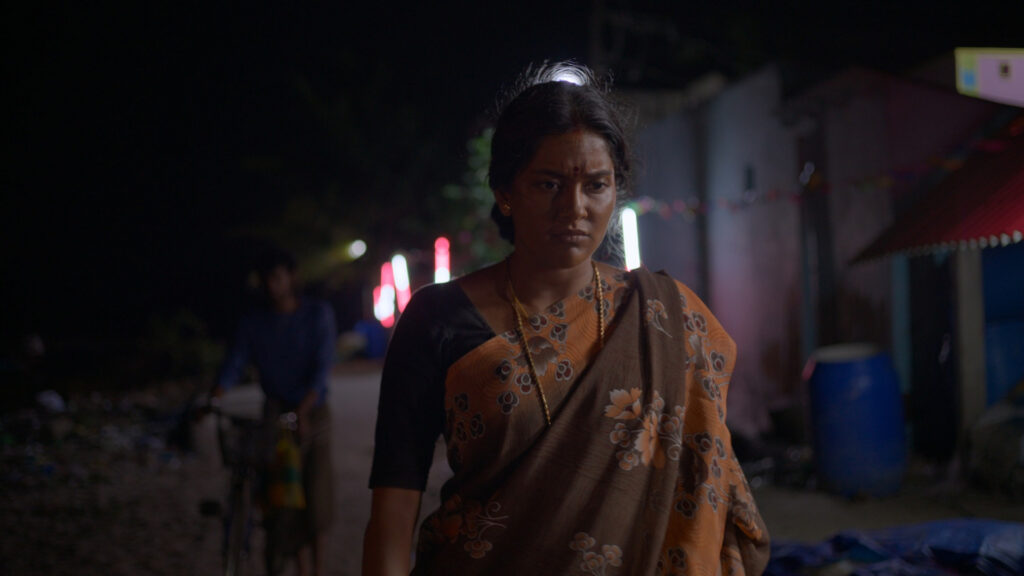
That approach eventually extended to the land sequences. Additional fill was removed, negative fill was introduced, and close-ups were allowed to retain stronger contrast. Wider shots could move toward semi-silhouette.
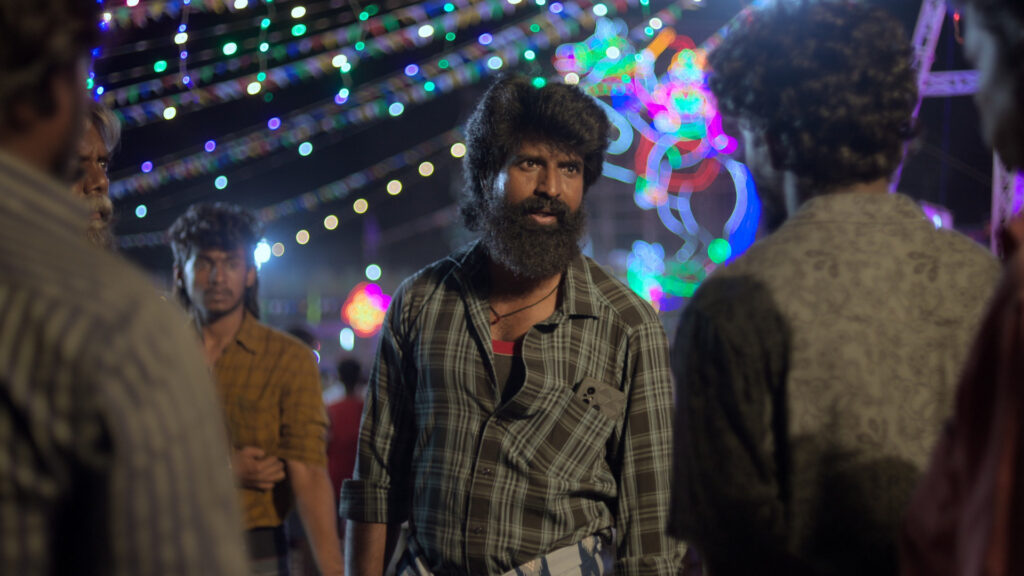
Rather than attempting to make every area of the frame equally visible, the cinematography allowed light and darkness to shape the image.
Kathir and Maran tested six or seven lens sets before settling on the Cooke Panchro.
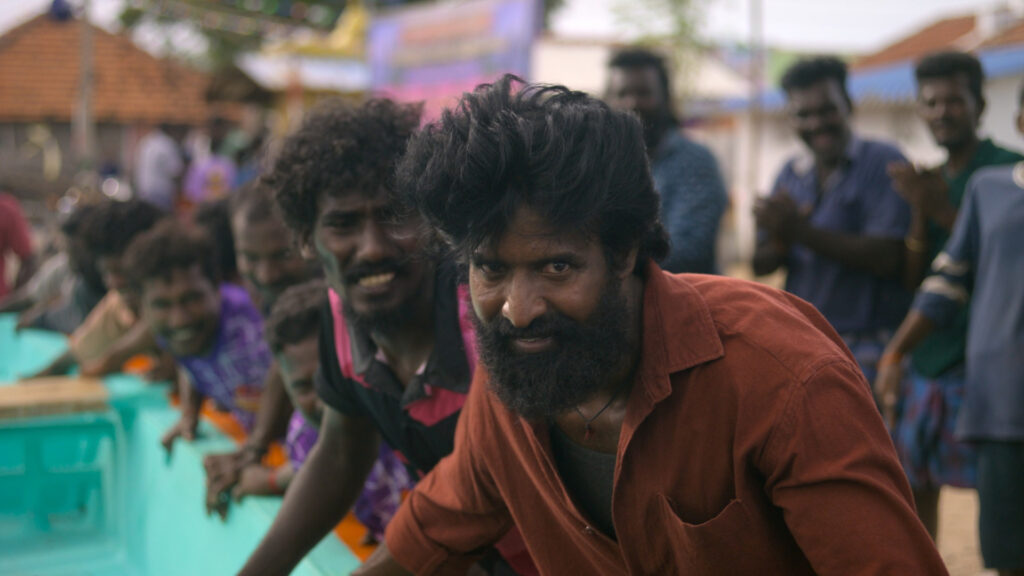
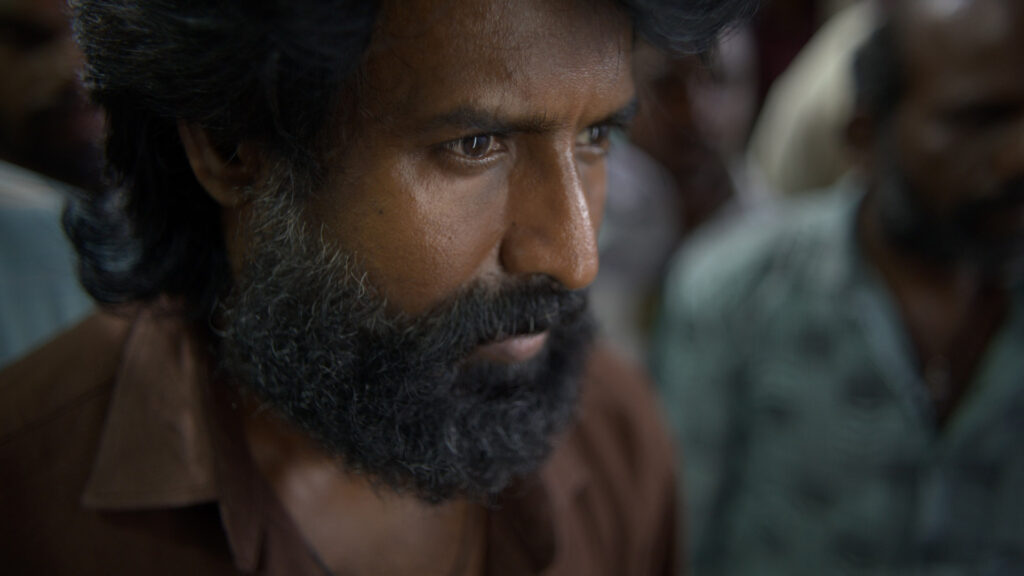
The objective was not conventional sharpness. They wanted an image with controlled imperfections—natural vignetting, subtle colour variation and a softer transition toward the edges.
“We didn’t want a regular, clinical digital-looking film with low contrast where everything looks overly clear. We wanted imperfections—characterful imperfections.”
The Panchros offered that quality while remaining practical for production. Kathir particularly valued their focus rotation, which gave him greater precision than some vintage lenses with shorter focus throws.
Their rendering also suited the visual brief: a defined Centre with a more gradual fall-off toward the edges, combined with distinctive bokeh and natural vignetting.
For Kathir, the Panchro delivered the vintage character Maran wanted without compromising the demands of contemporary filmmaking.
Kathir then developed one of the film’s most unusual compositional strategies: using long lenses to create wide compositions.
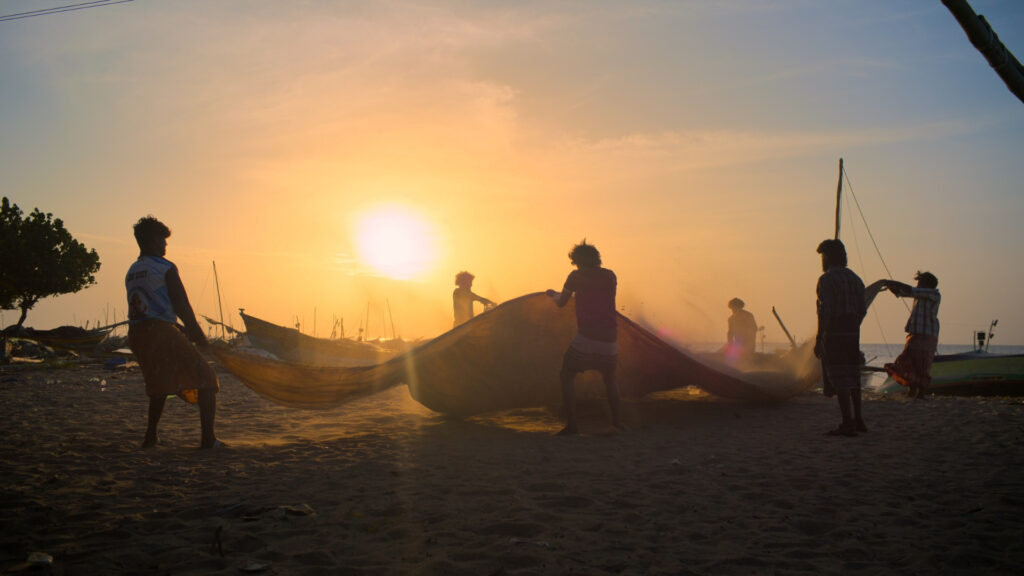
Instead of bringing a wide-angle lens close to the actors, he moved the camera farther away and used 135mm, 100mm and occasionally 75mm.
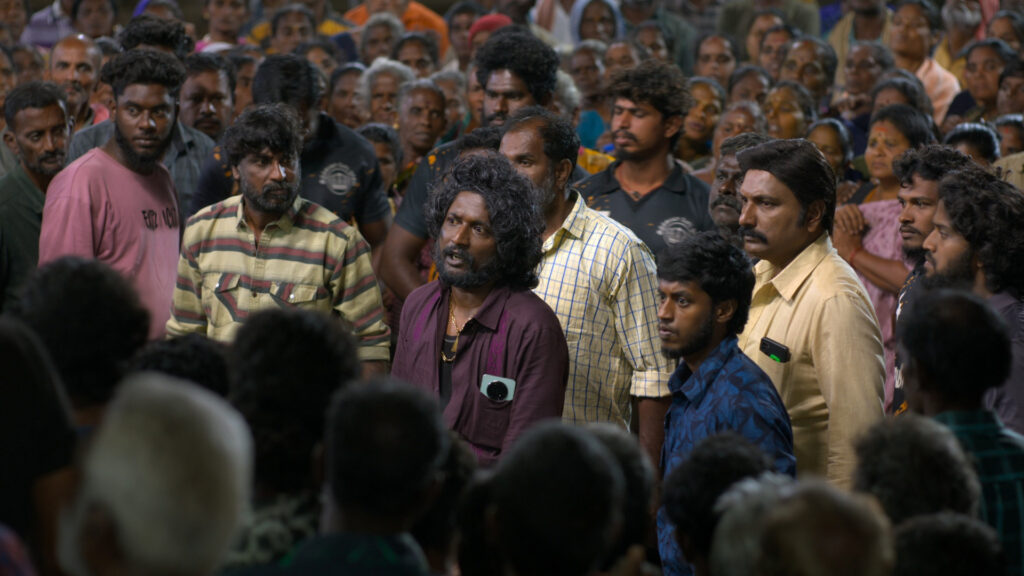
This was particularly useful for scenes containing several characters. The longer focal lengths compressed the space, allowing the actors to remain visually connected without the exaggerated spatial relationships that a close wide-angle setup can create.
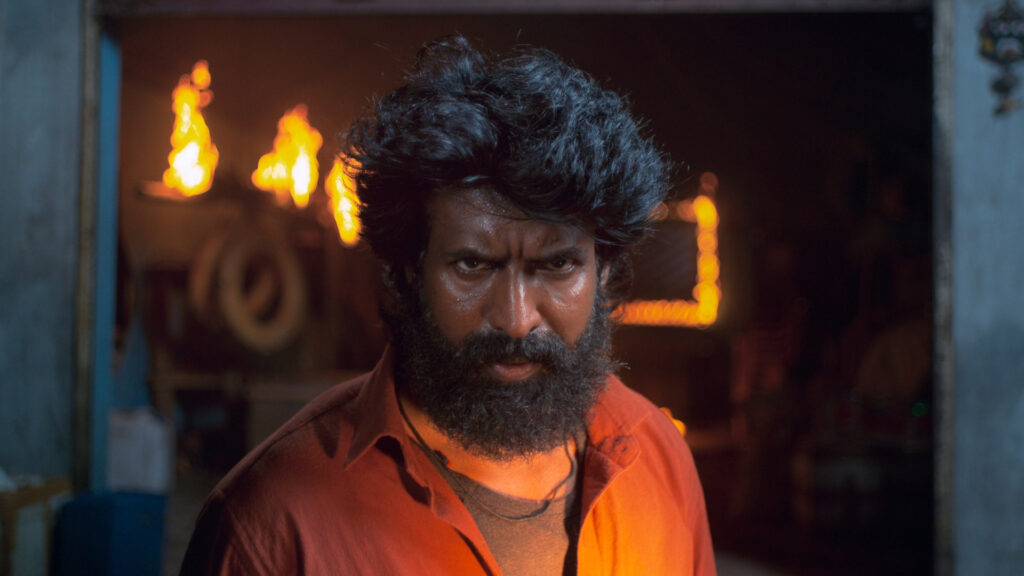
The 135mm was frequently used for these distant wides, while the 50mm Panchro became the principal close-up lens.
Kathir also adjusted the aperture according to distance. With the 135mm placed far away, stopping down to around T4 or T5.6 helped maintain definition across the frame. In closer situations, opening up the lens allowed more of the Panchro’s characteristic fall-off to become visible.
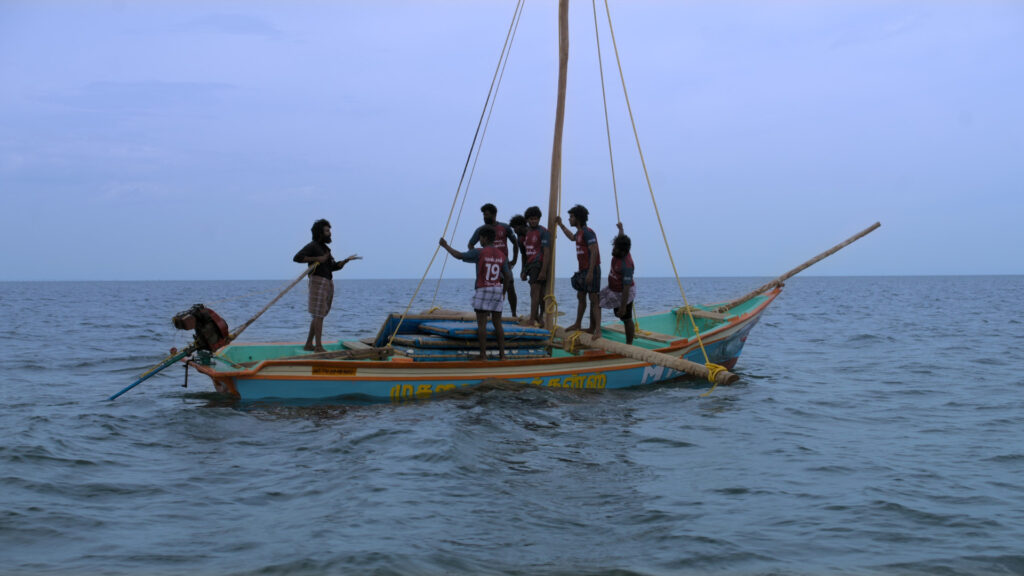
The race sequences introduced a major production challenge.
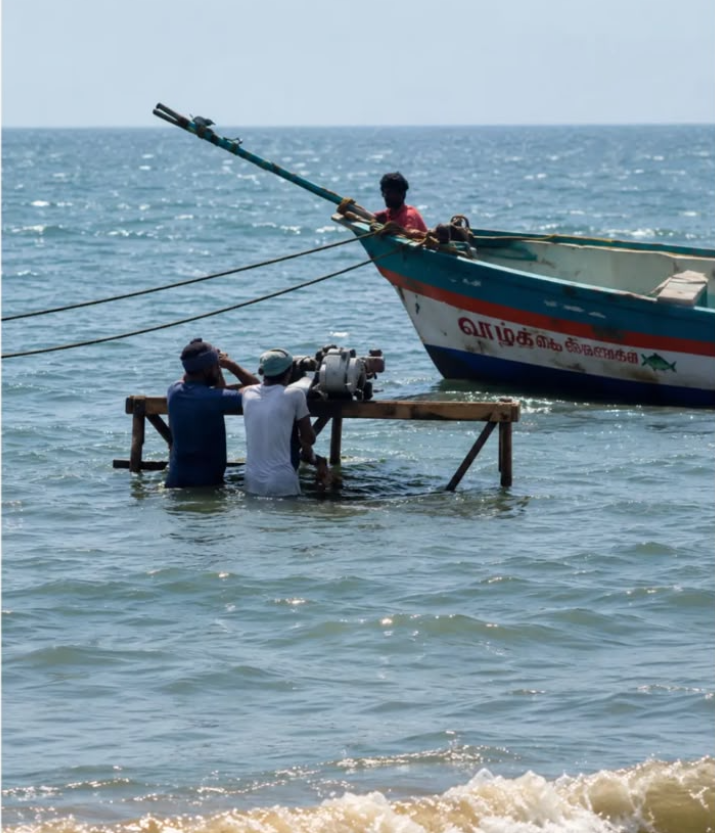
During an early shoot, a RED camera mounted on a gimbal fell into the sea and was lost. The incident made the rental house reluctant to send additional cameras into the water.
Yet the most important dramatic material was taking place inside the sailboats, where Kathir needed a compact and highly mobile system.
His search led him to the combination of the DJI Ronin 4D and Cooke SP3 lenses.
After reading about the combination, Kathir sourced the camera and arranged to test a Cooke SP3 demo set.
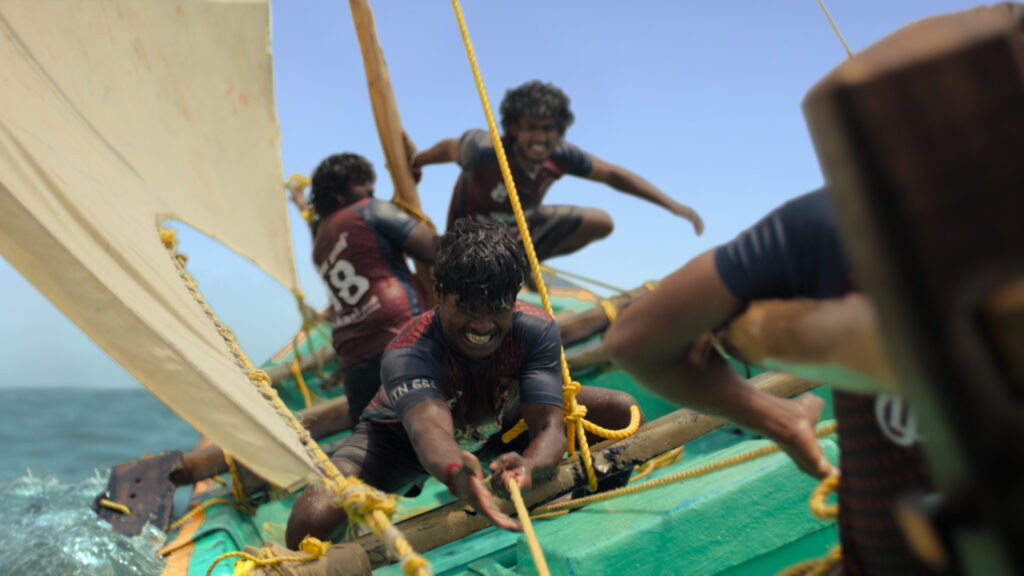
The test produced an important discovery: the SP3’s rendering closely matched the Panchro 50mm that had already established the film’s close-up character.
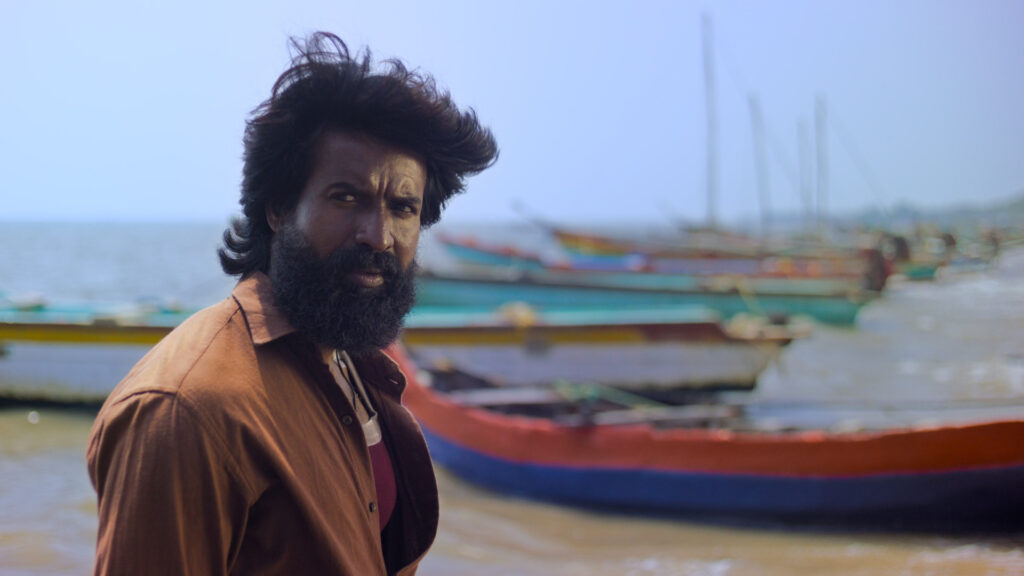
“The SP3 matched the exact optical characteristics of the Cooke Panchro 50mm. The characteristics we got from the Panchro 50mm were seamlessly replicated in the SP3.”
That meant the production could move into the sea without introducing a completely different optical personality.
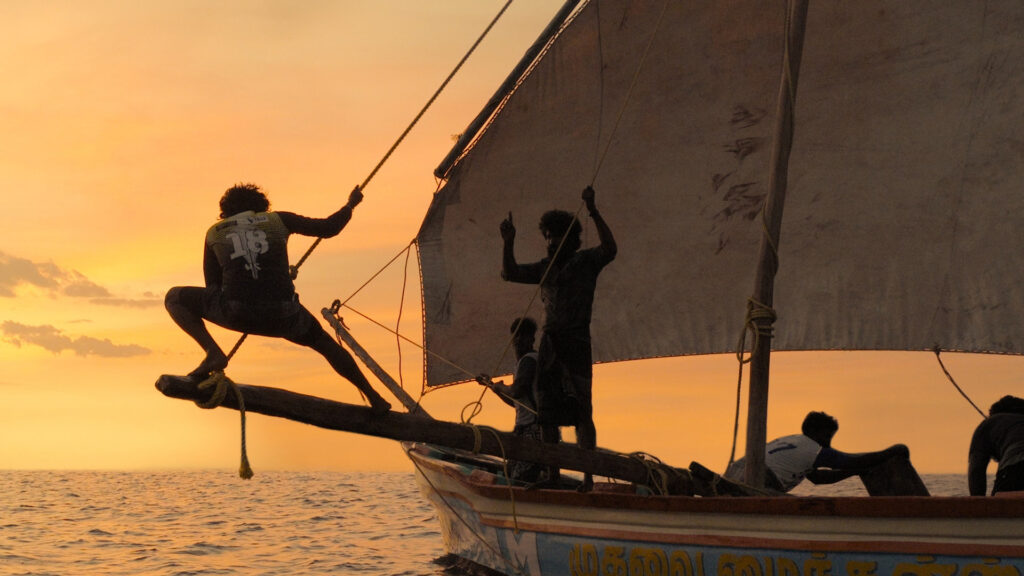
The DJI Ronin 4D with Cooke SP3 lenses became the principal combination for much of the material photographed inside the boats during the race. The SP3s were also used externally, particularly the 100mm, which allowed Kathir to continue his long-lens approach from land.
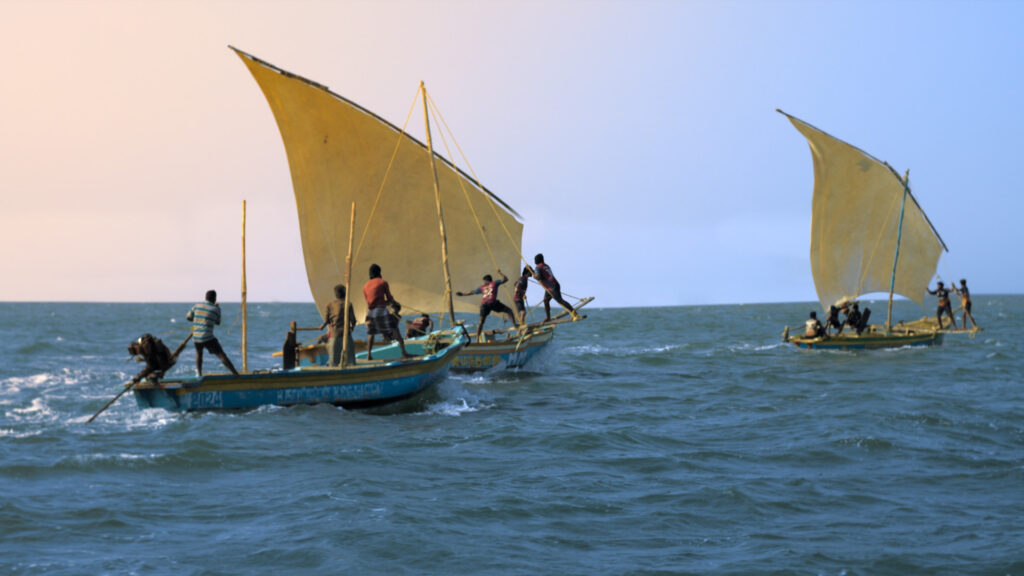
By placing the camera approximately 200–300 feet away, he could photograph several boats within a compressed frame, making them appear tightly grouped while still retaining the scale of the sea. The approach created a visual connection between the film’s land and water photography without requiring the same camera system in both environments.
“Mathi wanted a vintage-looking contemporary lens, and that was the starting point for our tests.
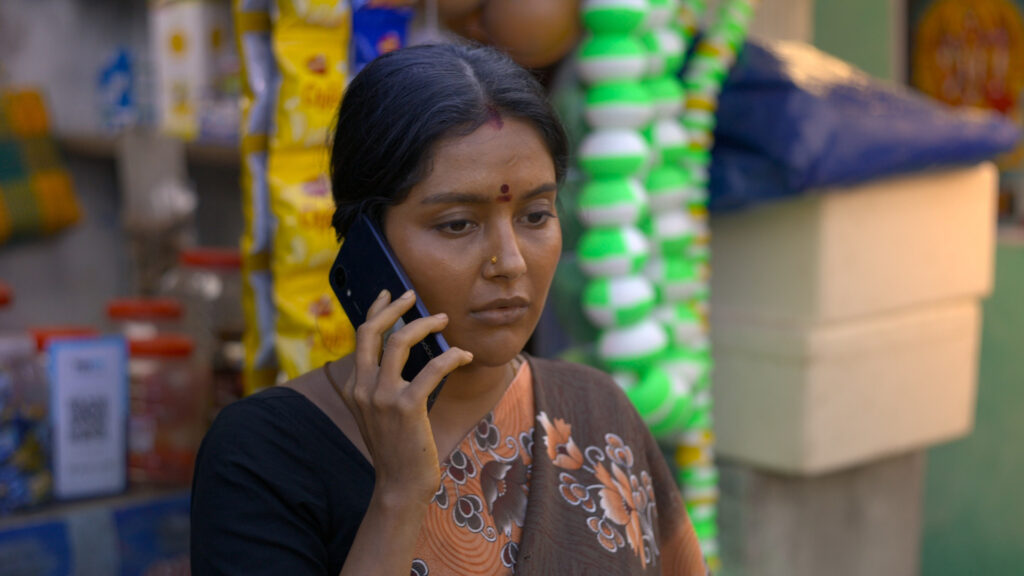
The Cooke Panchro gave us that balance. We didn’t want everything to be perfectly clean and clinical. We wanted the imperfections to become part of the image.
The 50mm was extremely important for the close-ups. It gave us the vignette, the edge character and that beautiful antique quality.
The Cooke choices on Mandaadi ultimately came from a simple creative requirement: the image needed to have personality before it reached post-production.
The Panchros established that personality on land, particularly through the 50mm close-ups and Kathir’s unconventional long lens wides. The SP3s then allowed the same photographic character to move into the physically demanding environment of the sailboats.
For Kathir, the technology remained subordinate to the story. The lenses were selected not for an obvious branded “look,” but because their characteristics supported the film’s particular combination of intimacy, scale, movement and environment.
That is what makes the Cooke contribution to Mandaadi particularly interesting.
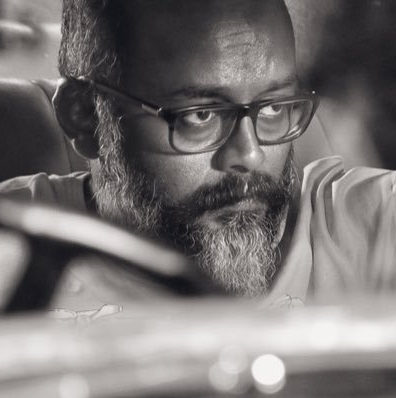
S R Kathir ISC | Director of Photography
Supported By: Kavya Lakhsmi Film Unit Chennai.