Search for lenses, articles and help

Director: Ahmed Khan
Cinematographer: Kabir Lal & Shahid Lal
Camera: Arri Alexa 35
Lenses: Cooke Anamorphic i/ Full Frame
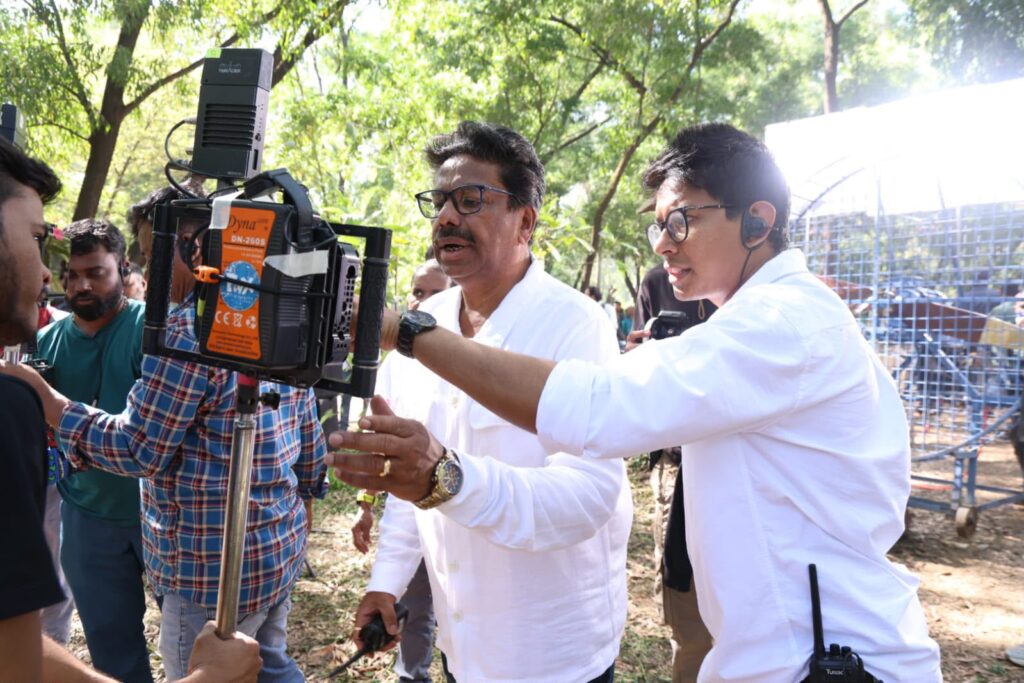
Few cinematographers in Indian cinema have demonstrated the longevity, versatility, and visual influence of Kabir Lal. Across a career spanning nearly four decades, he has created memorable imagery in Hindi, Telugu, Kannada, and other Indian film industries. From films such as Taal, Pardes, Yuvvraaj, Welcome Back, Vanvaas, Heropanti 2, and Kaho Naa… Pyaar Hai to the large-scale entertainer Welcome to the Jungle, Lal has continually evolved with technology while remaining deeply rooted in the principles of classical cinematography.
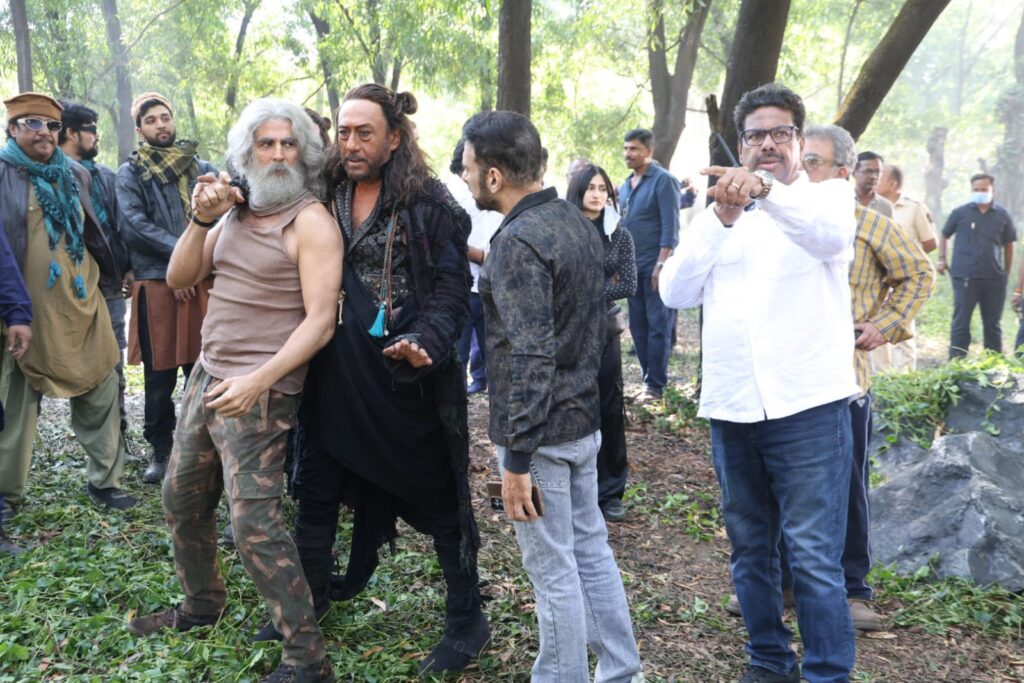
For Welcome to the Jungle, Kabir Lal collaborated with his son, cinematographer Shahid Lal. Their partnership brought together decades of experience and a younger generation’s approach to contemporary image-making. A significant part of their visual strategy was built around the Cooke Anamorphic/i Full Frame Plus Special Flare lenses.
When Welcome to the Jungle was conceived as a large-scale multi-starrer, Kabir Lal immediately visualised the film in anamorphic.
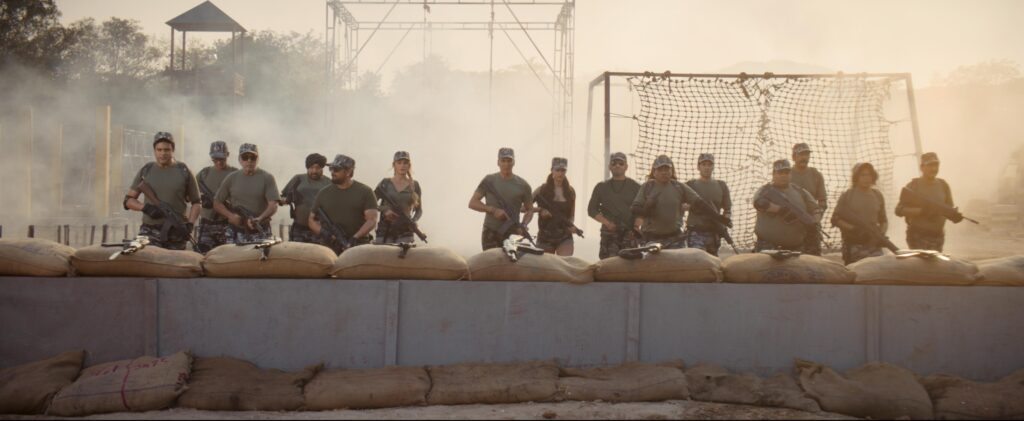
“When they said they were making a multi-starrer with a huge canvas, I immediately imagined it in anamorphic.”
Interestingly, although the Cooke Full Frame Anamorphic lenses are designed to cover full-frame sensors, Lal chose to pair them with the ARRI Alexa 35.
“People asked why I wasn’t using a full-frame camera. I knew I would lose some image area, but the combination I wanted was Alexa 35 with these Cooke lenses.”
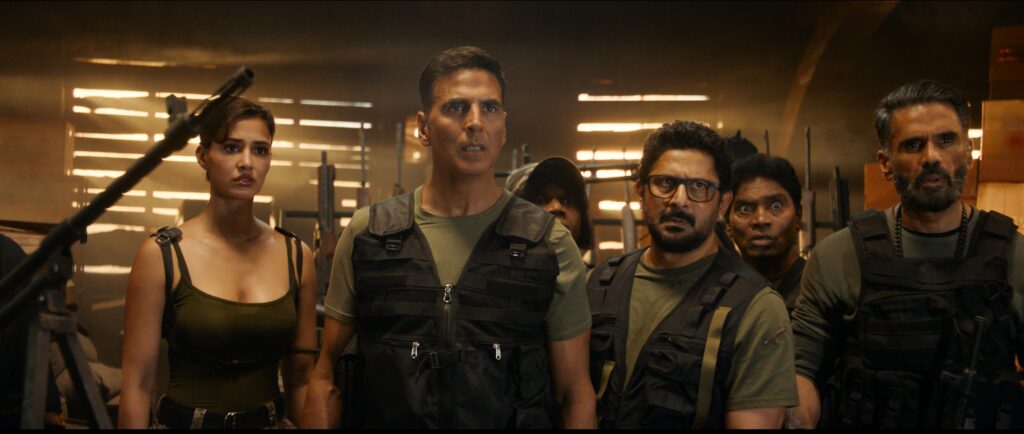
This decision reveals an important cinematographic principle: the choice of camera and lens is not always about maximising technical specifications. Sometimes the character of the image matters more than sensor coverage.
For Lal, the particular interaction between the Alexa 35 and Cooke anamorphic optics created the visual quality he wanted.
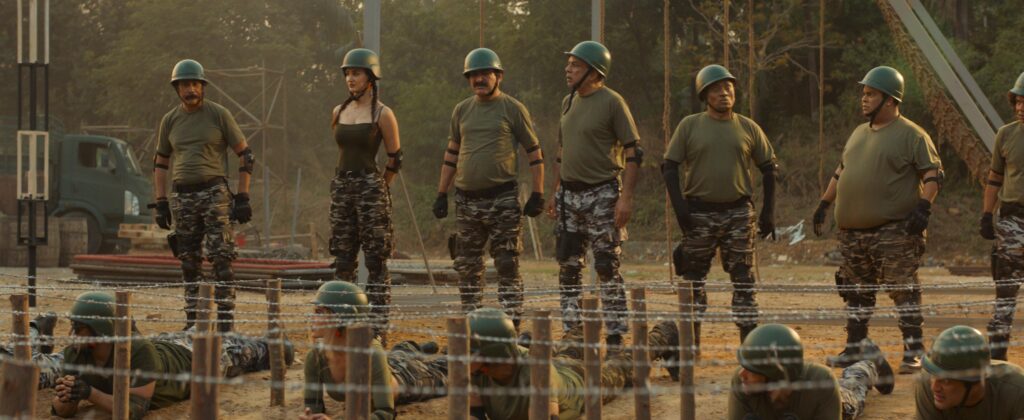
The choice of lenses also emerged from the creative exchange between father and son.
Kabir credits Shahid with introducing him to the latest Cooke Full Frame Anamorphic lenses.
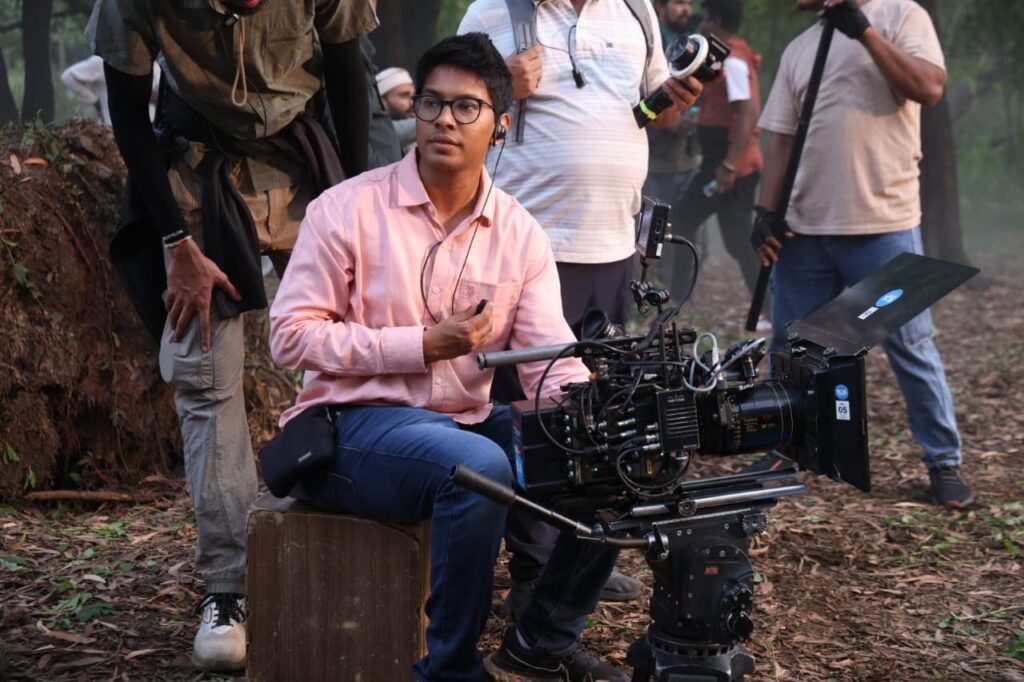
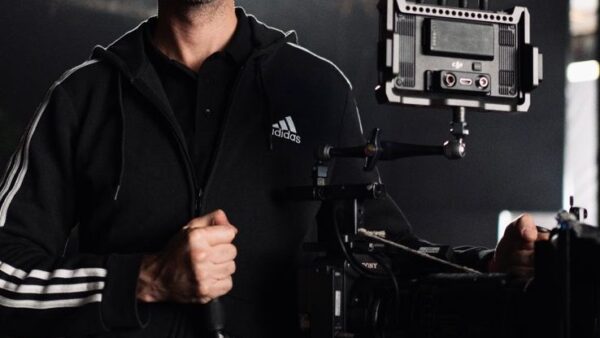
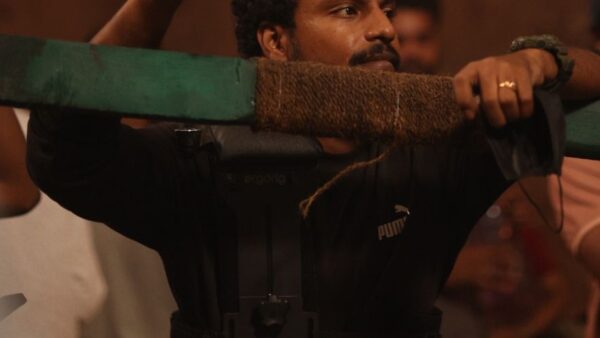
DoP Shahid Lal
“My son kept telling me for nearly two years that I should try the Cooke Full Frame Anamorphic lenses. After we saw them during a Cooke demonstration, he kept insisting, ‘Dad, we should shoot with these.’ Because of him, I finally started using them.”
For Shahid, anamorphic photography was particularly appropriate for a film containing numerous major characters.
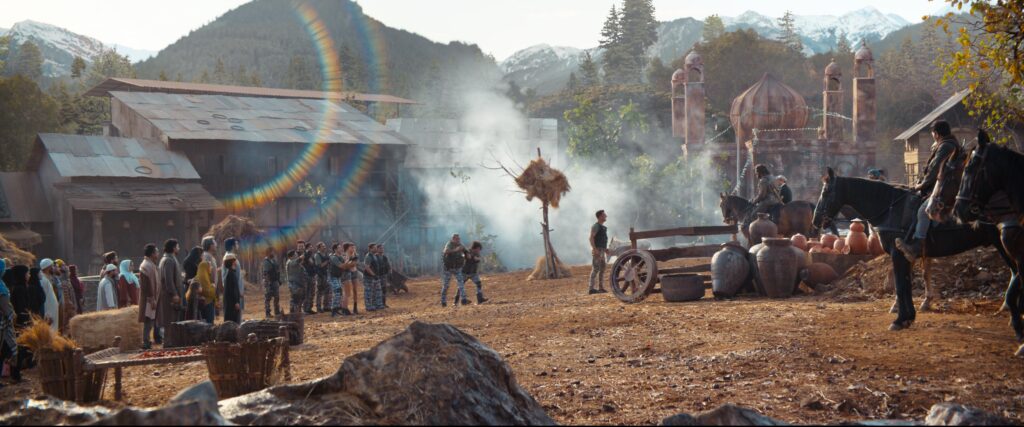
“With so many important characters sharing the frame, anamorphic was the natural choice. Cooke lenses gave us the scale while maintaining warmth, character, and an organic cinematic feel.”
This is an important distinction. Anamorphic cinematography is not simply about obtaining a wider aspect ratio. Its value also lies in the way it transforms space, faces, backgrounds, depth, highlights, and movement.
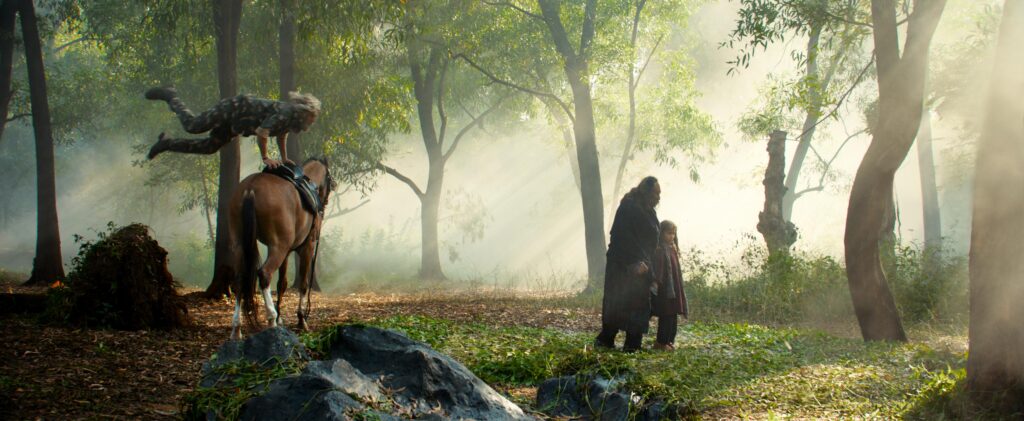
The Cooke optics helped the cinematographers retain high resolution while avoiding an excessively clinical digital appearance. The resulting image combined detail with softer transitions, natural skin tones, and an organic photographic character.
One of the most interesting aspects of the film’s cinematography was its approach to lighting.
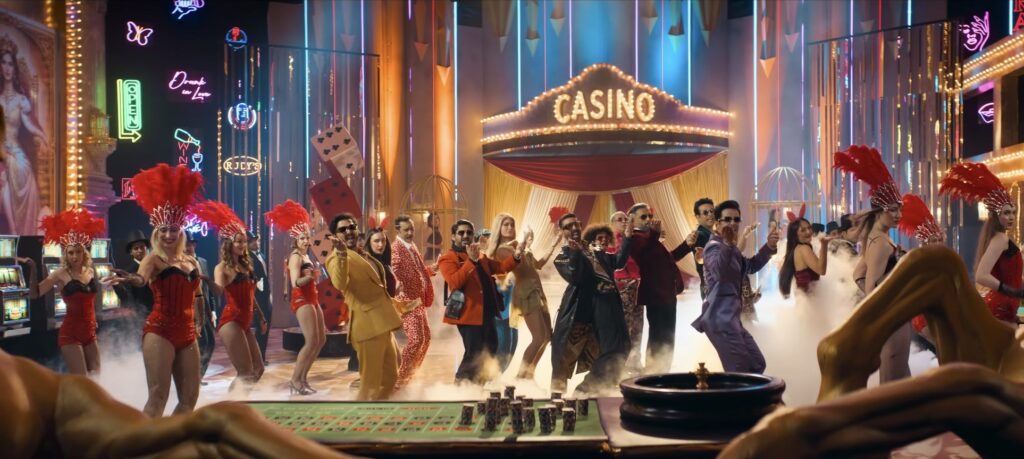
Kabir Lal deliberately avoided the flat, uniformly illuminated appearance sometimes associated with commercial comedy.
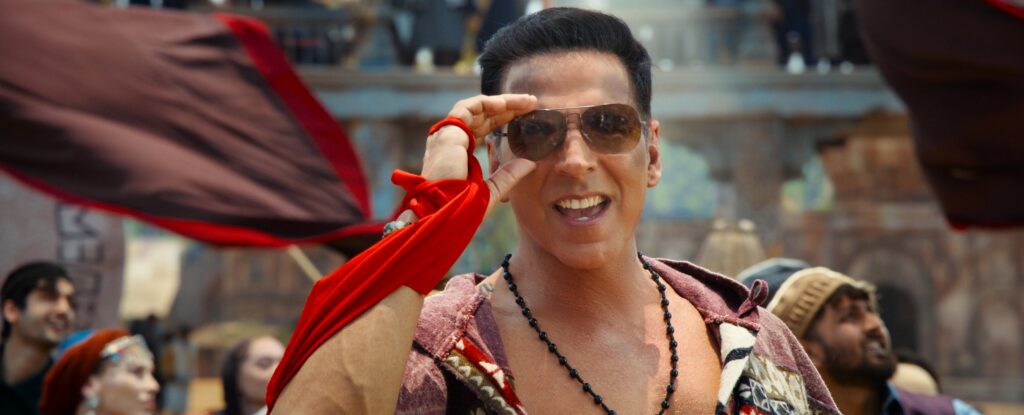
“I didn’t want to shoot the film flat. I wanted depth—in the lighting, in the compositions, and in the overall visual experience.”
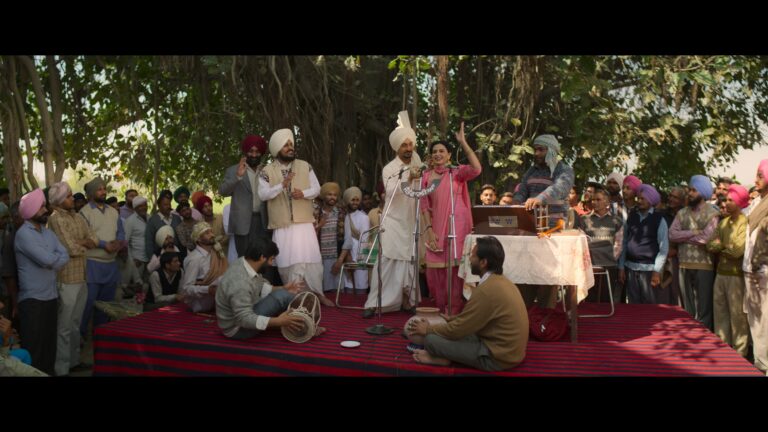
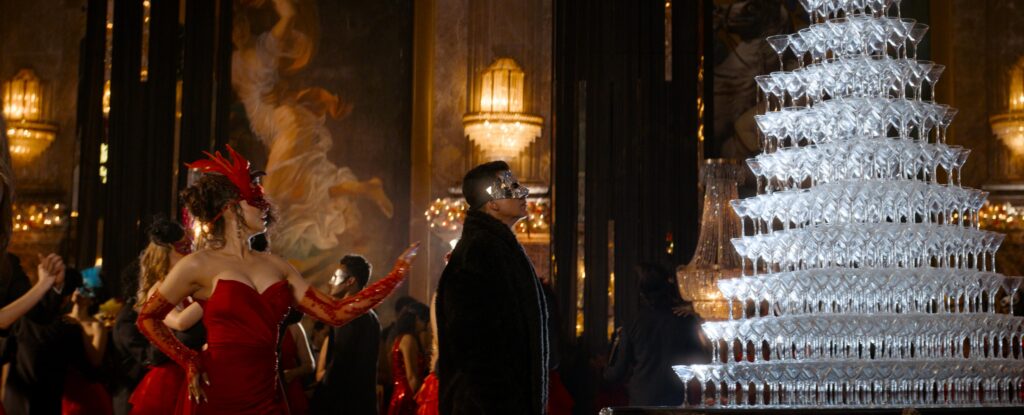
Commercial comedy often demands bright, energetic, and colourful images. But brightness does not necessarily have to mean flatness. The cinematographers created dimensionality by controlling contrast ratios, colour separation, foreground elements, background layers, and depth of field.
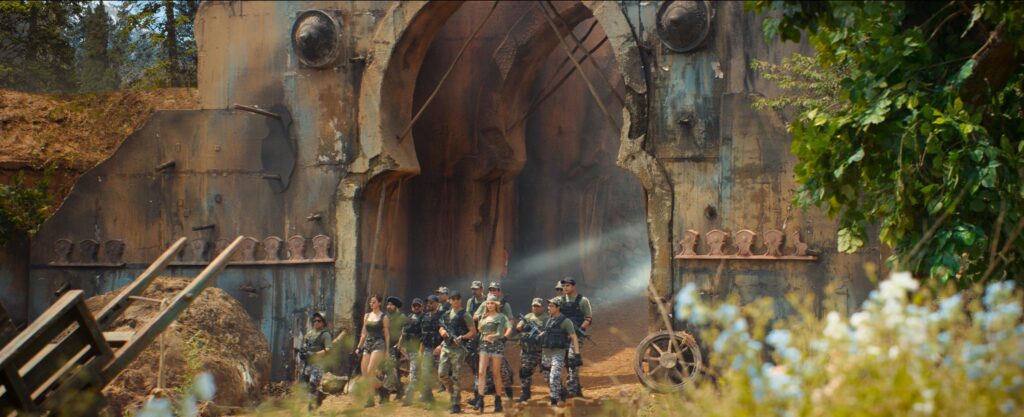
The result is an image that can remain vibrant and entertaining while still possessing texture and visual depth.
This is a valuable lesson for cinematographers: genre does not have to dictate visual simplicity. A comedy can be bright without being flat, colourful without becoming chaotic, and commercially polished without losing cinematic character.
Kabir Lal’s decades of experience with anamorphic cinematography influenced his technical discipline on the film.
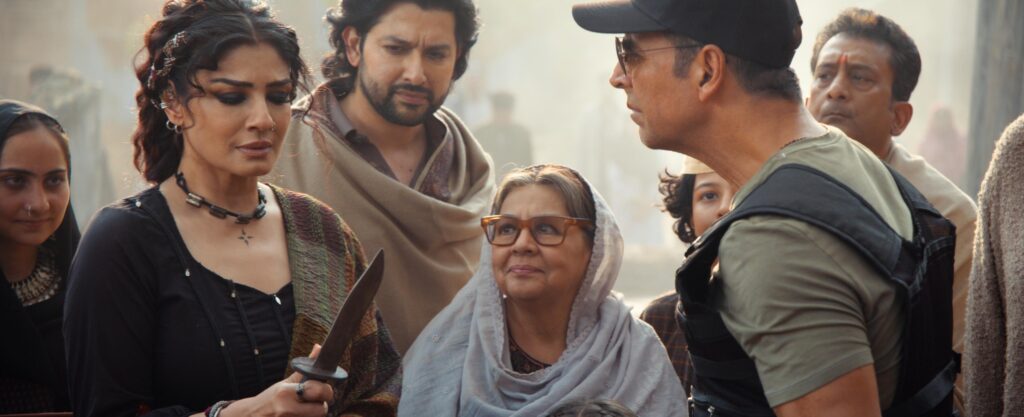
“When you shoot anamorphic, you need depth of focus. I never went below T4 or T4.5. Shooting wide open softens the edges and reduces the depth that anamorphic is known for.”
The aperture decision was therefore not merely about exposure. It was part of the visual design.
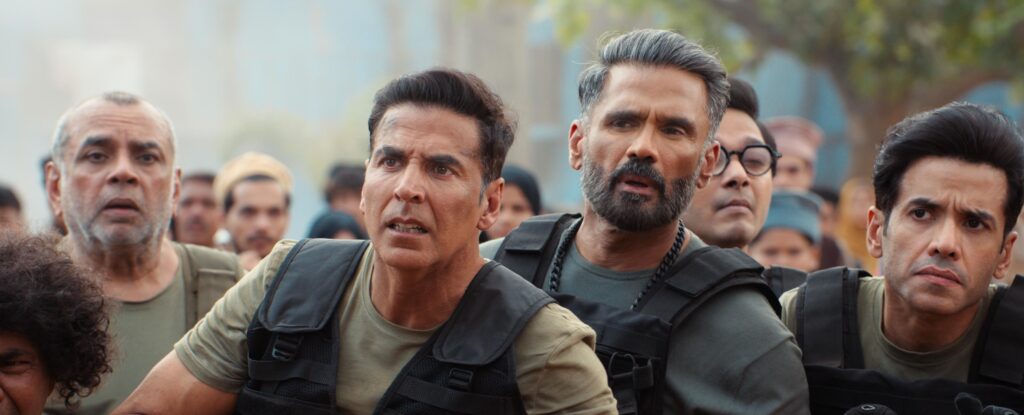
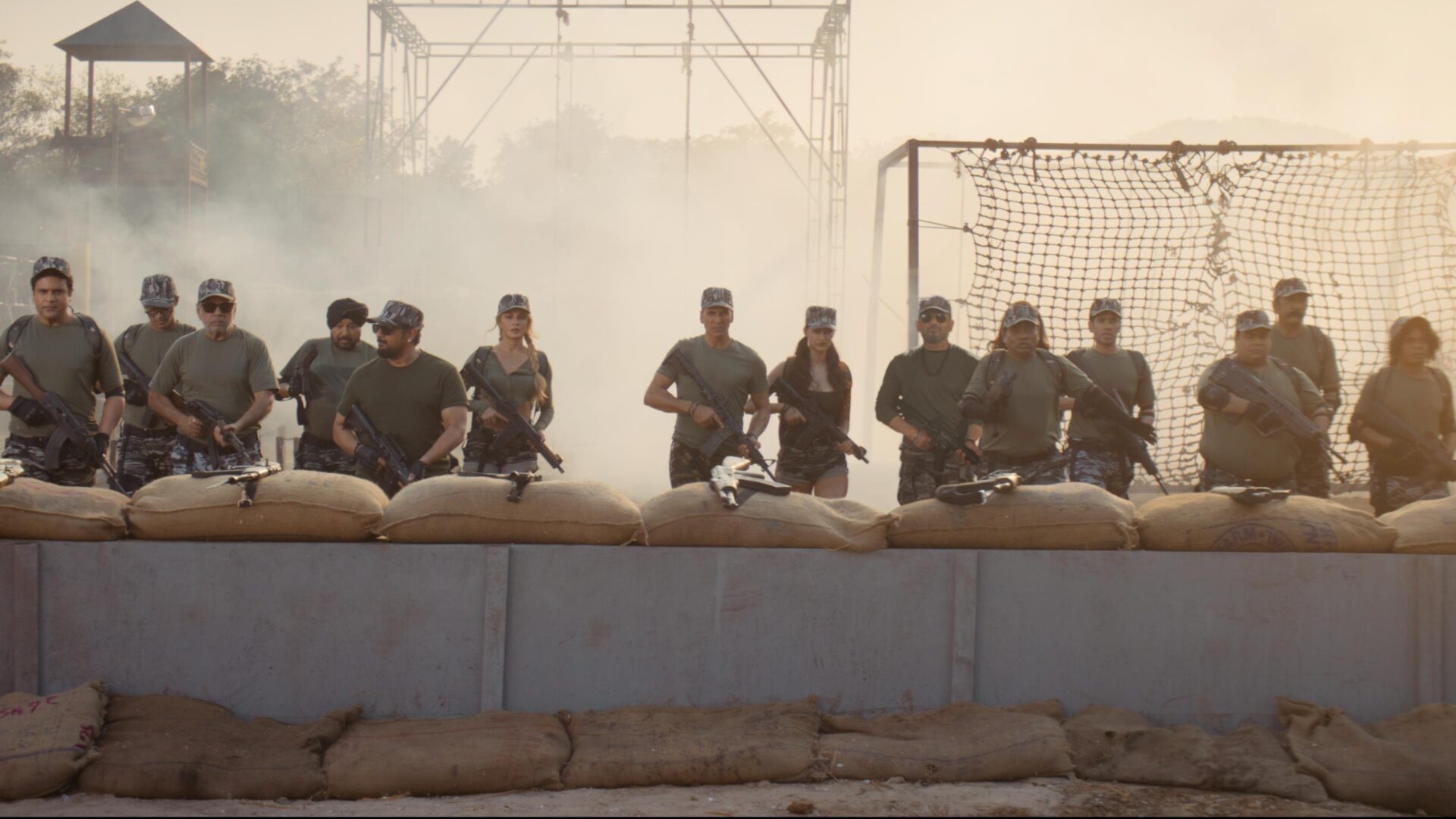
Working around T4–T4.5 allowed the cinematographers to maintain sufficient depth while retaining the characteristic rendering of the anamorphic optics. This was particularly important for large ensemble compositions in which several actors could occupy different planes within the frame.
“Without foregrounding, I never took a shot. Every frame has something in the foreground because that’s part of the anamorphic language.”
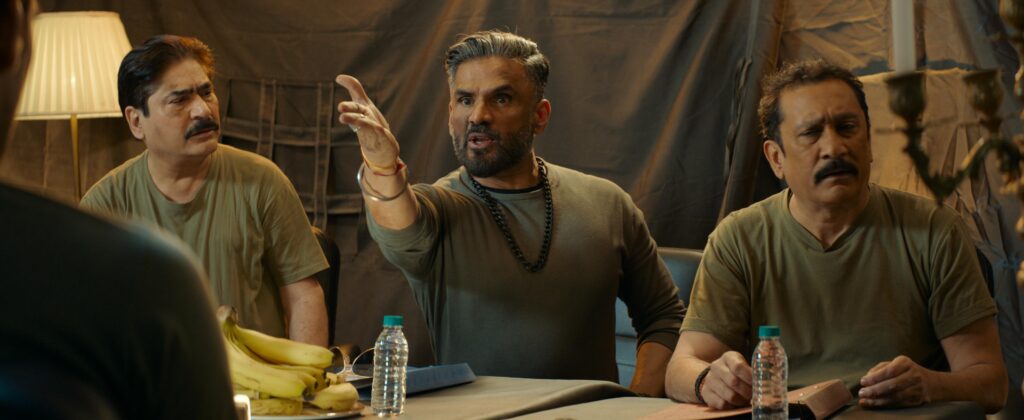
Foreground elements create a visual relationship between the camera and the world. They can introduce scale, depth, obstruction, movement, and perspective.
In a large-format commercial film, foregrounding can prevent a wide frame from becoming visually empty. Instead of simply showing a large space, the cinematographer allows the audience to feel the space.
Among the focal lengths used, Kabir Lal particularly favoured the 32mm and 135mm.
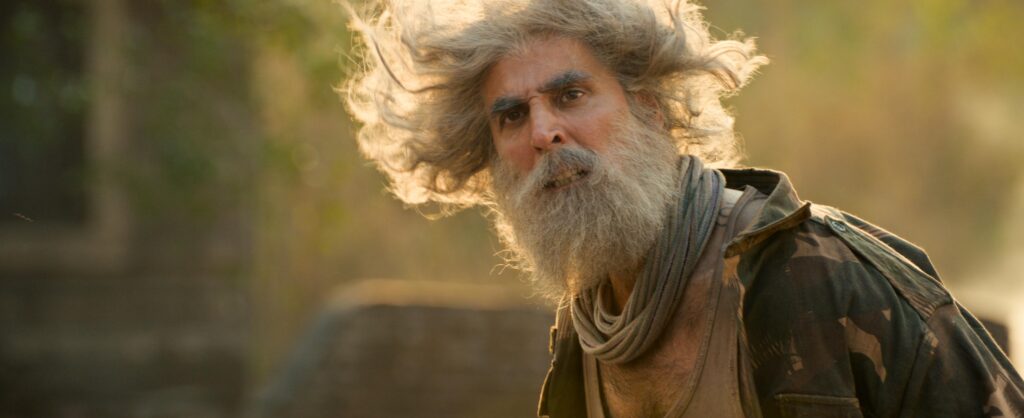
“The 32mm and the 135mm became my favorite lenses. The magical flare these optics produce is beautiful and suited the film perfectly.”
The contrast between these two focal lengths creates two very different visual experiences.
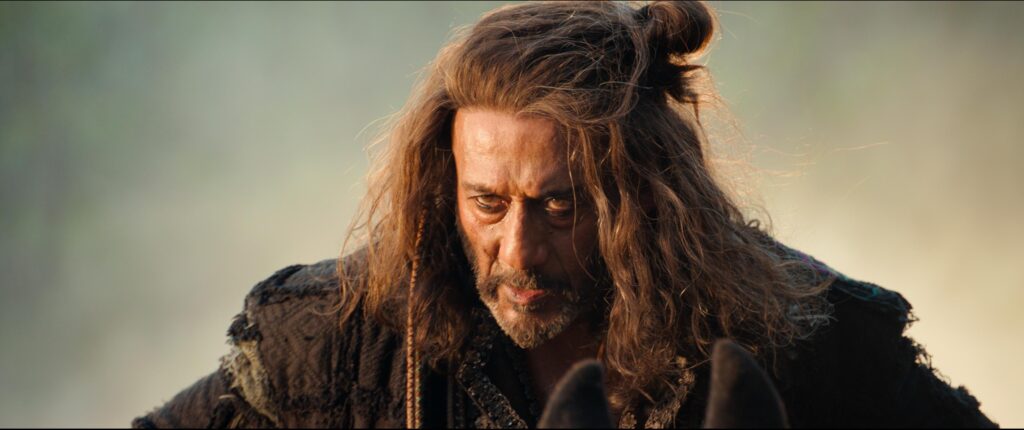
The 32mm can establish expansive environments while keeping characters integrated into the surrounding world. The 135mm, on the other hand, can compress space, isolate characters, and bring distant elements visually closer.

The special flare characteristics of the Cooke optics added another layer to this visual language. Flare was not treated merely as an optical accident but as part of the image’s personality.
The scale of the production presented another major cinematographic challenge.
“We built nearly five acres of sets because shooting on real locations with 500 to 800 crew members wasn’t practical. Mountains and large landscapes were later added as the third visual layer.”
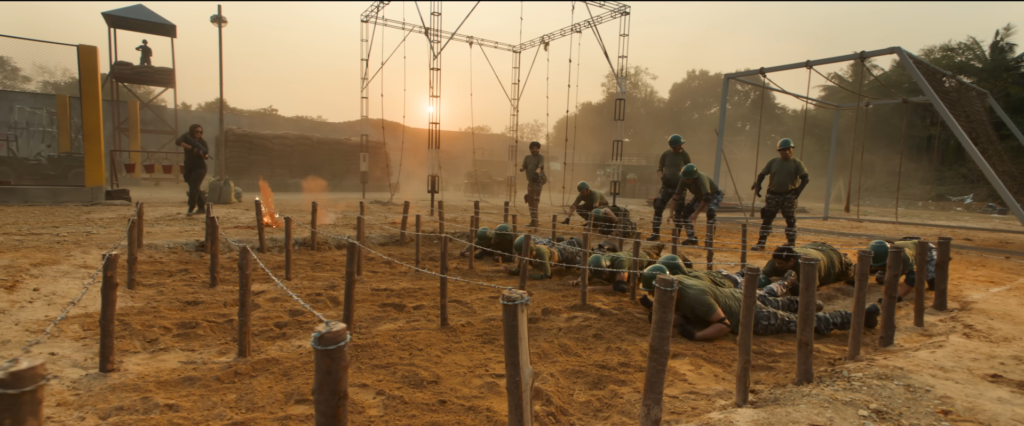
This approach demonstrates how modern cinematography increasingly operates across three interconnected spaces:
the physical set, the photographed environment, and the digital environment.
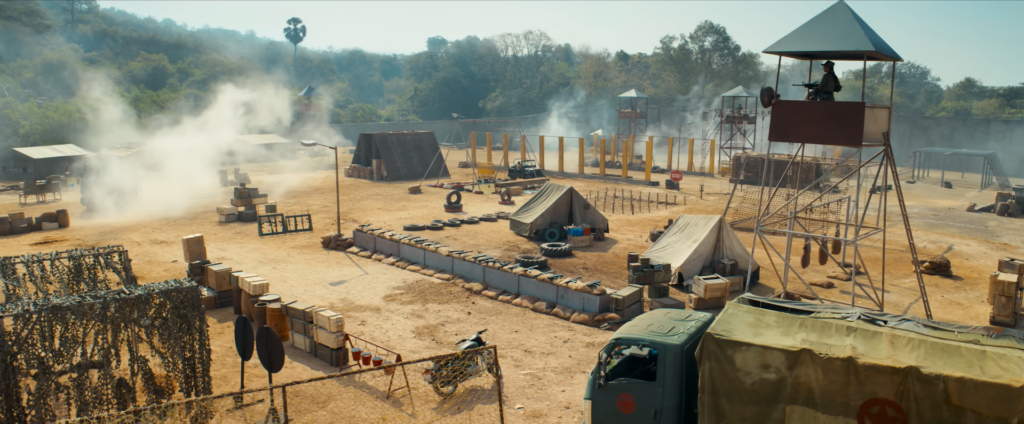
The physical set provides tangible foregrounds, actors, props, lighting interaction, and camera movement. The photographed or practical environment provides realism and texture. VFX then extends the world beyond what could practically be constructed.
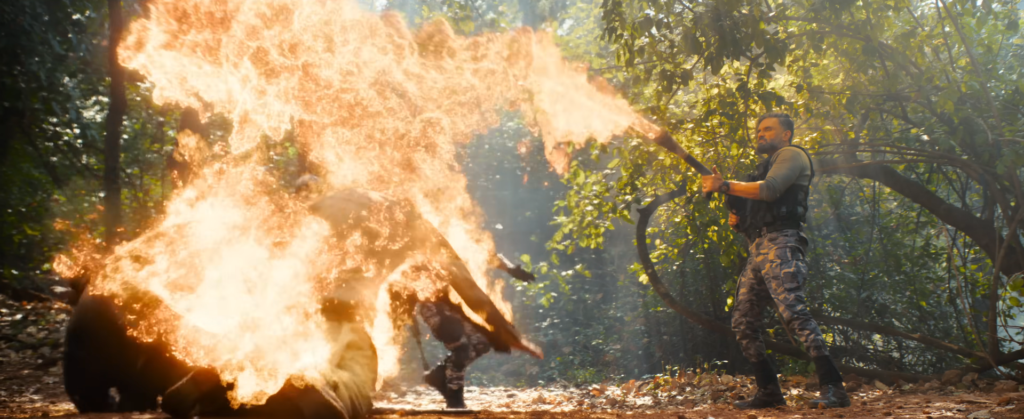
For the cinematographer, this means that visual-effects planning begins long before post-production. Camera height, lens choice, perspective, lighting direction, exposure, colour, atmospheric conditions, and depth must all anticipate the digital extension.
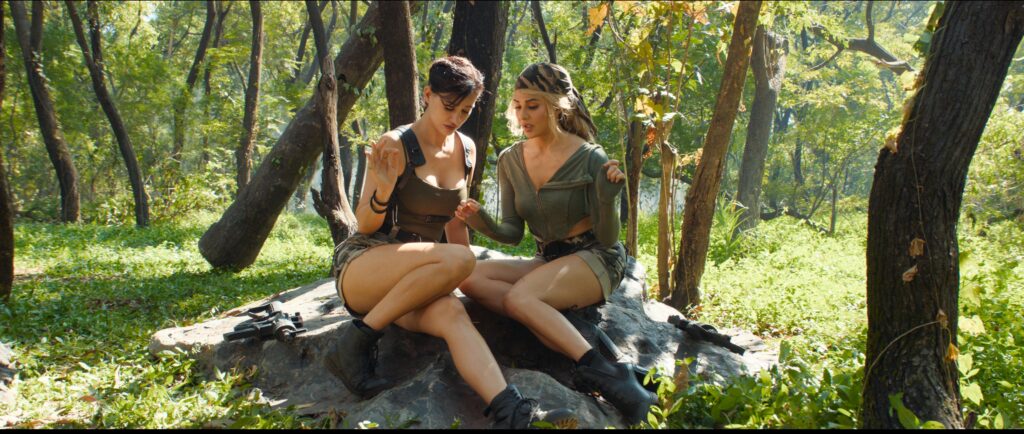
Kabir Lal’s experience in visual-effects cinematography therefore becomes particularly valuable. The objective is not to make the VFX look impressive in isolation, but to make the audience believe that everything existed in the same photographic world.
The film’s warm colour palette was established as part of the visual concept rather than being treated as a final grading decision.
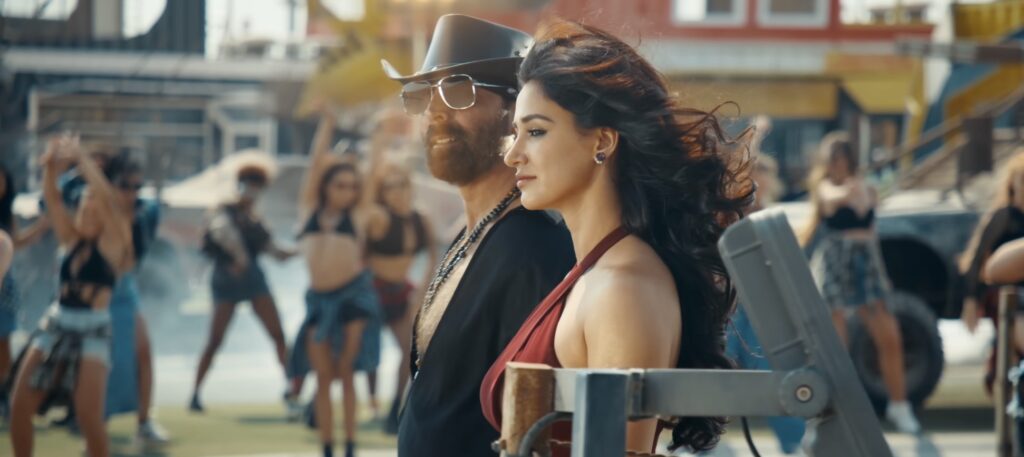
“The warm palette worked beautifully with the army costumes, greens, and darker backgrounds. It enhanced skin tones while creating greater visual depth.”
The warm tones complement skin, while greens and darker backgrounds provide separation. The relationship between warm and cool elements creates dimensionality without requiring extreme contrast.
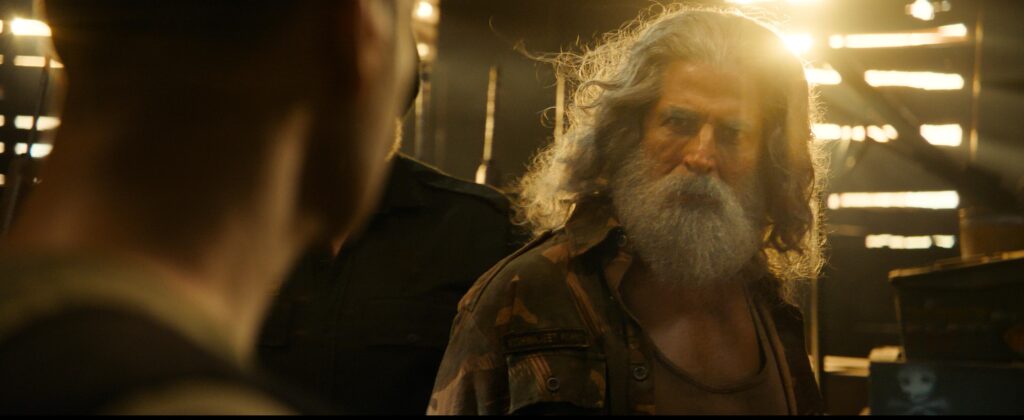
Combined with the characteristic rendering of the Cooke lenses, the palette contributes to an image that feels polished yet organic.
This illustrates an essential cinematographic principle: colour is not decoration. It is part of composition.
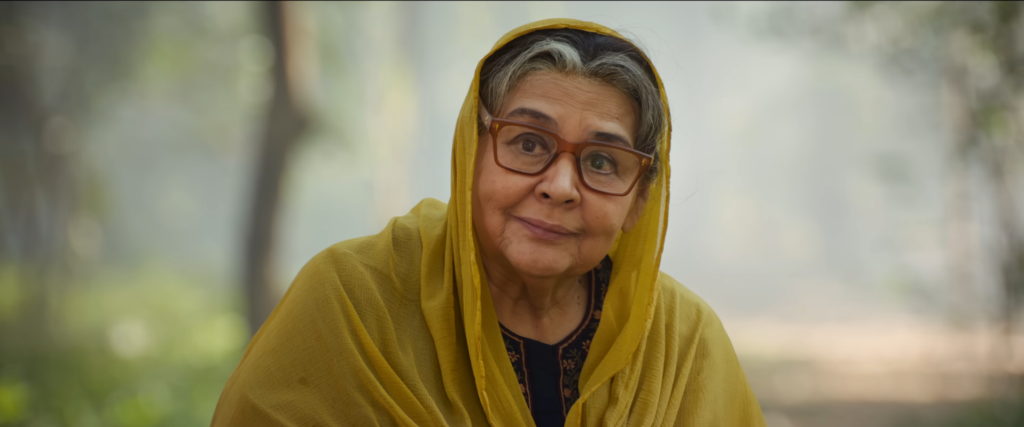
Welcome to the Jungle demonstrates how classical cinematographic principles can coexist with contemporary filmmaking technology.
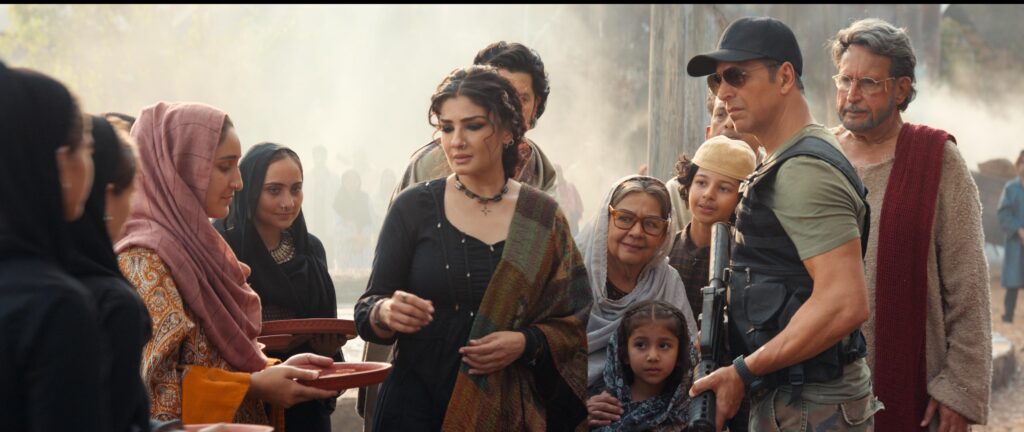
Kabir Lal brings decades of experience in composition, anamorphic photography, lighting, lens selection, and visual effects. Shahid Lal contributes a newer perspective shaped by contemporary digital cinematography and modern optical technology.
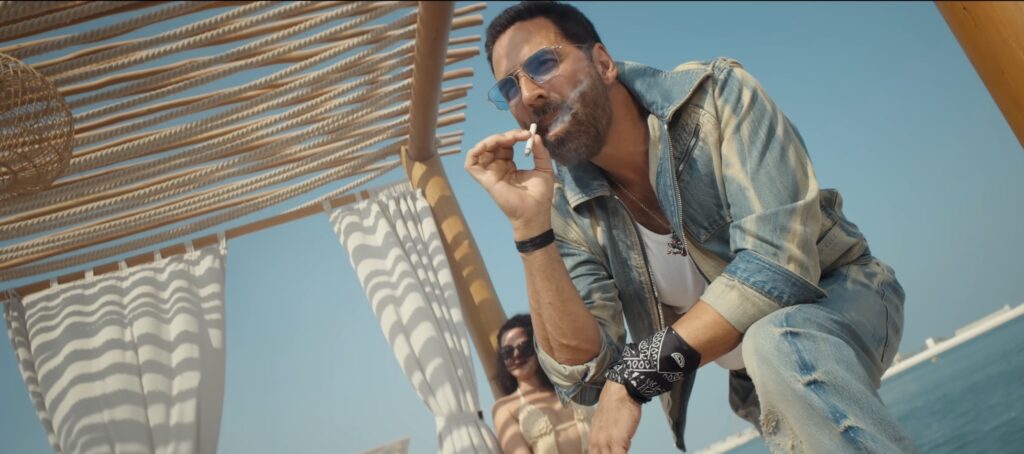
Their collaboration shows that cinematographic evolution does not necessarily mean abandoning traditional principles. Instead, new technologies can become tools for extending those principles.
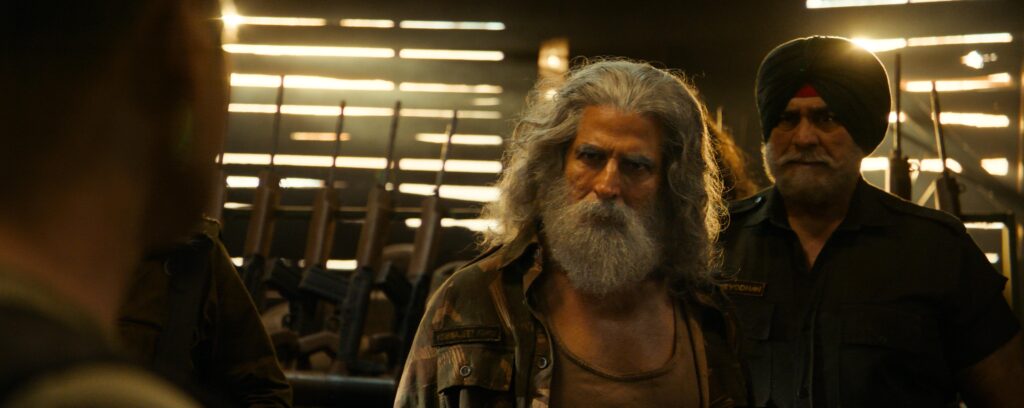
The Cooke anamorphic lenses provide the optical character. The Alexa 35 provides the digital image platform. Large physical sets provide tangible environments. VFX extends those environments into vast landscapes. Layered lighting creates dimensionality. Warm colour design establishes visual unity.
The larger lesson from Welcome to the Jungle is that spectacle alone does not create cinematic grandeur. Grandeur emerges when scale is controlled by composition, when technology is guided by visual intention, and when every technical decision contributes to the emotional experience of the frame.
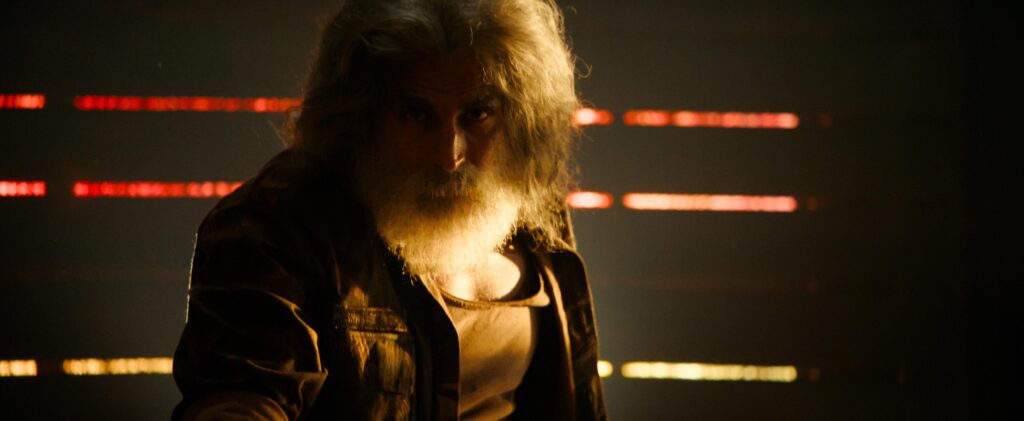
Kabir Lal and Shahid Lal’s collaboration demonstrates precisely that balance: experience meeting experimentation, classical cinematography meeting contemporary technology, and visual spectacle meeting technical finesse.
Kabir Lal & Shahid Lal | Director of Photography
Supported By: Future Works Rental