Search for lenses, articles and help
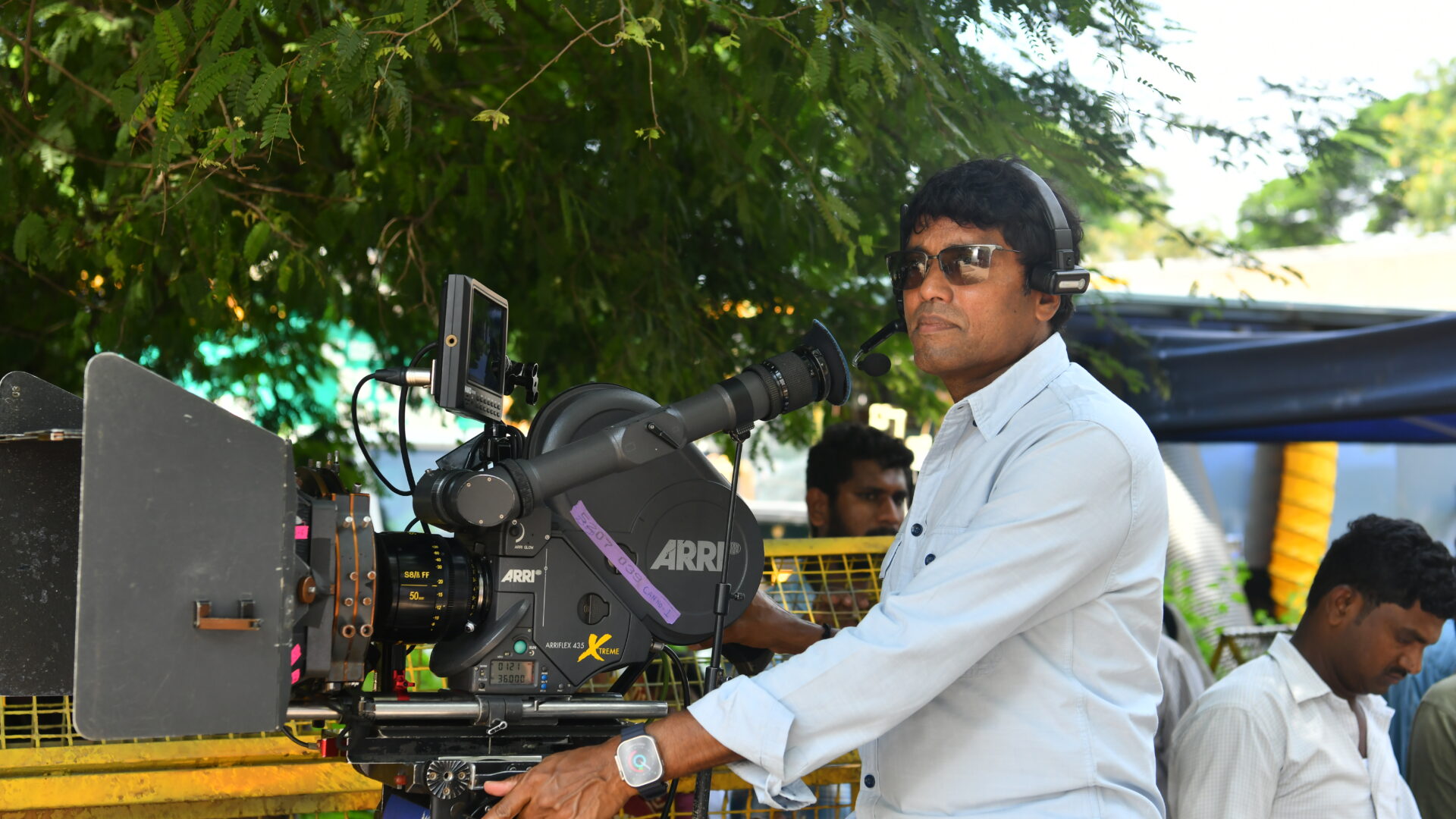
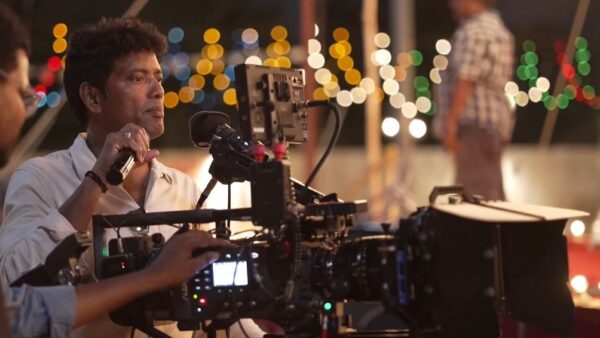
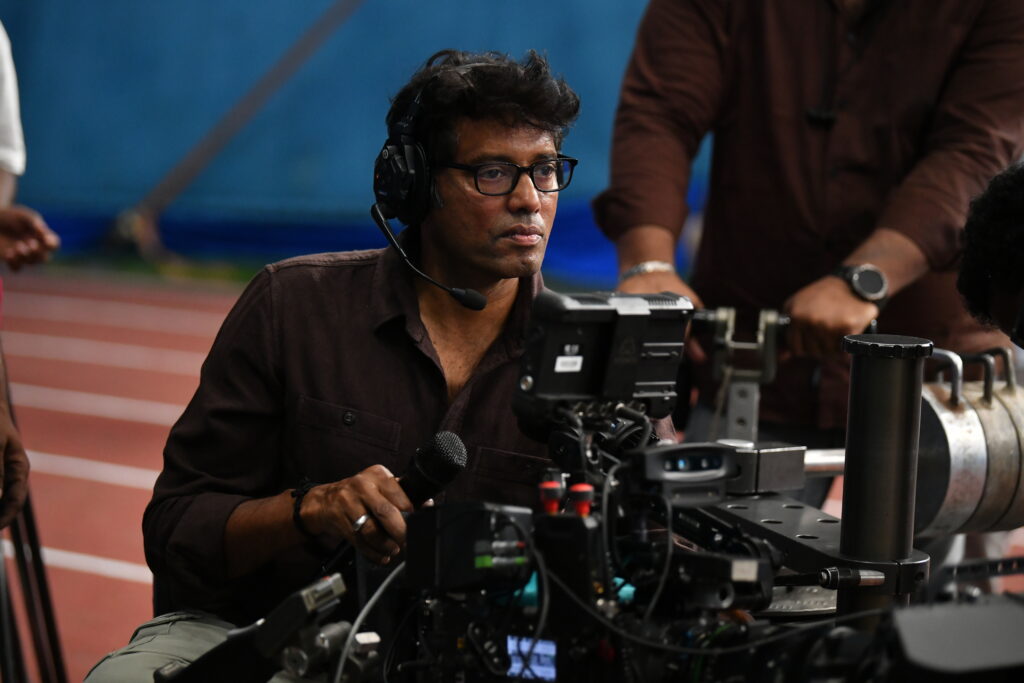
When Indian cinema speaks of visual reinvention, one name consistently stands at the forefront: R. Rathnavelu ISC, affectionately known as Randy.
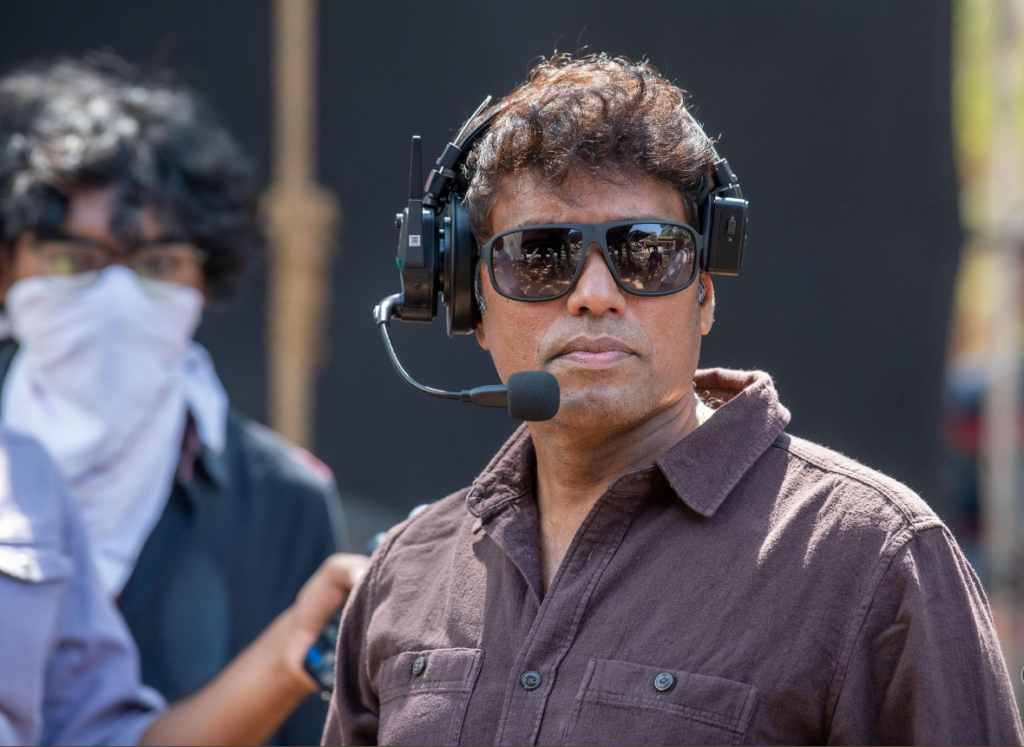
A cinematographer celebrated for constantly pushing the boundaries of mainstream filmmaking, Rathnavelu has built a remarkable legacy by reshaping the visual language of Indian cinema.
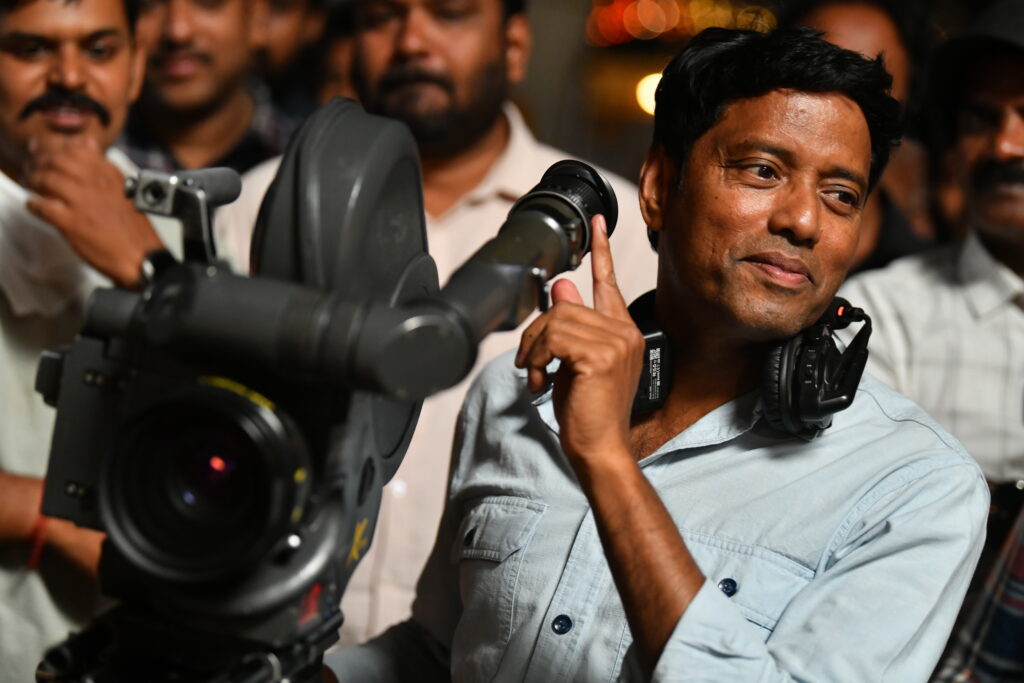
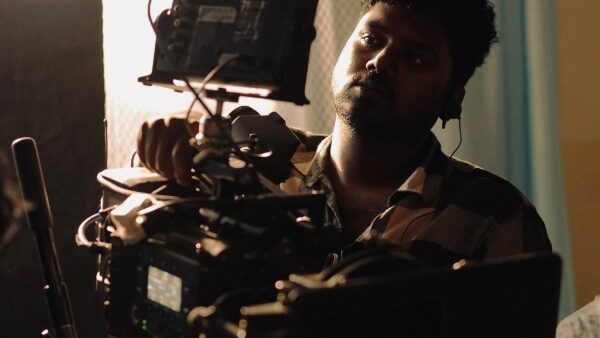
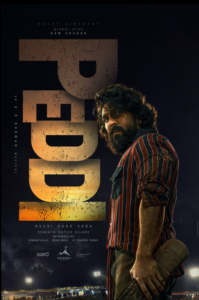
When a film spans multiple emotional and physical transformations, its visual language must evolve alongside its characters. In Peddi, cinematographer R. Rathnavelu ISC approaches this challenge with a carefully constructed visual strategy that shifts through different phases of the protagonist’s life while maintaining a unified cinematic identity.
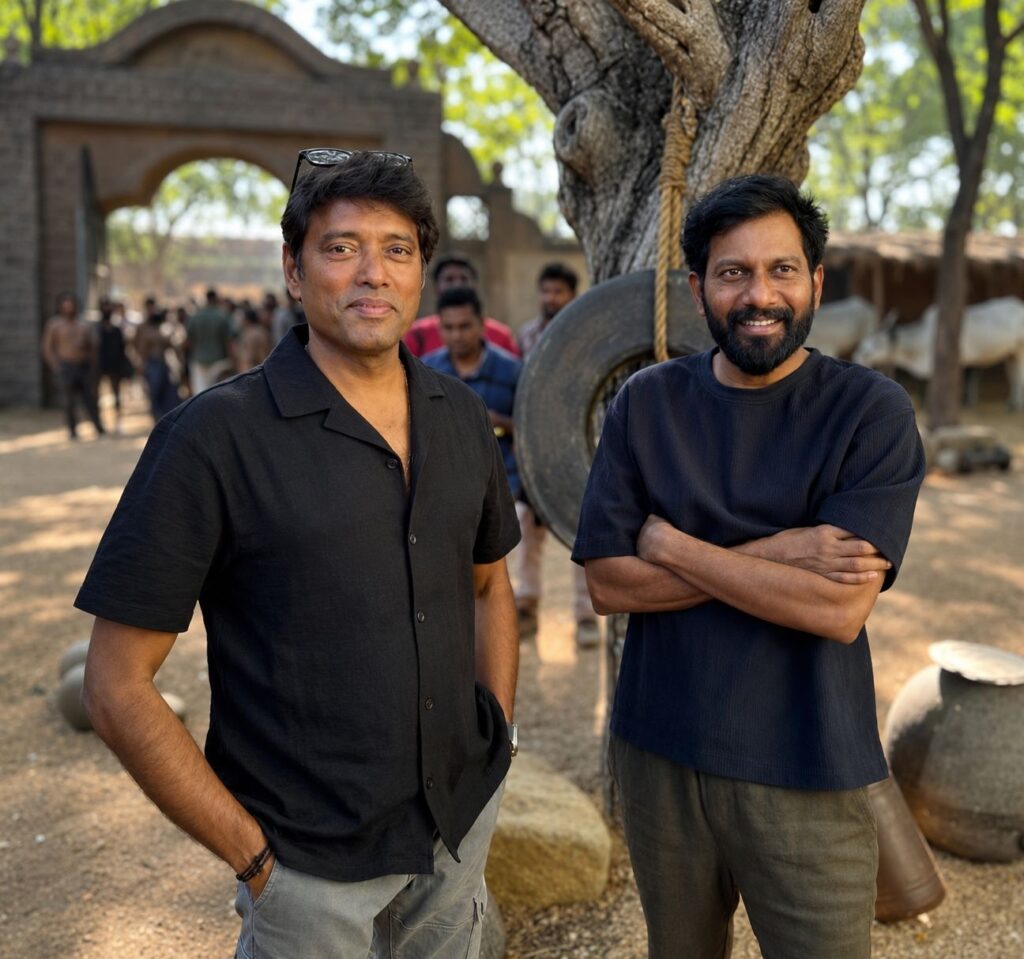
Working with director Buchi Babu Sana, Rathnavelu designed a visual journey that moves seamlessly between youthful ambition, physical endurance, vulnerability, and spectacle. Each stage demanded its own texture, rhythm, and photographic approach.
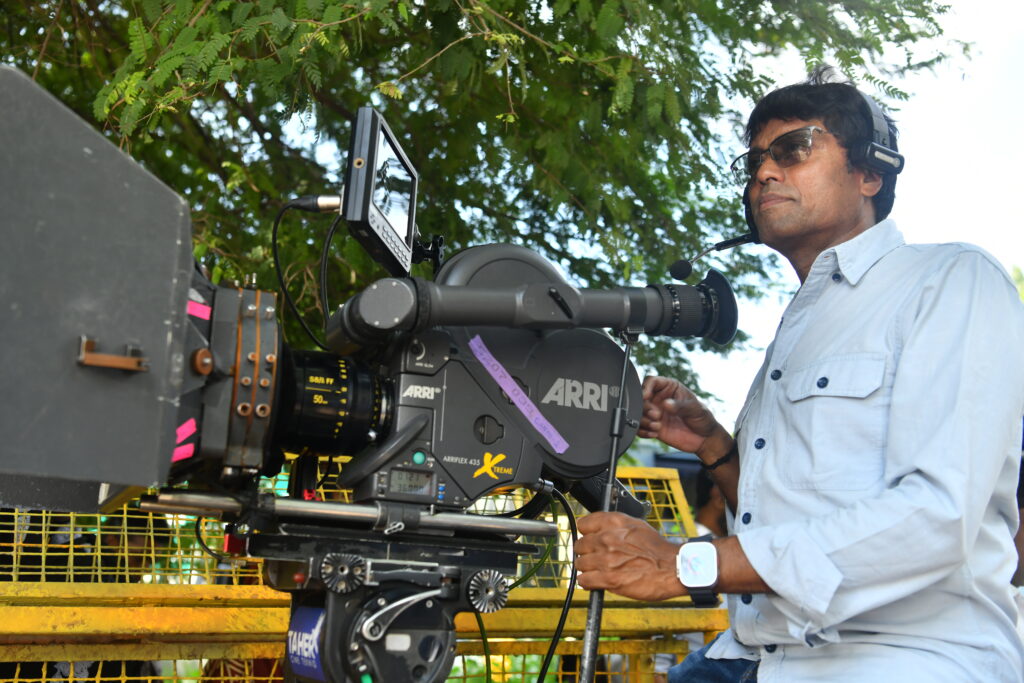
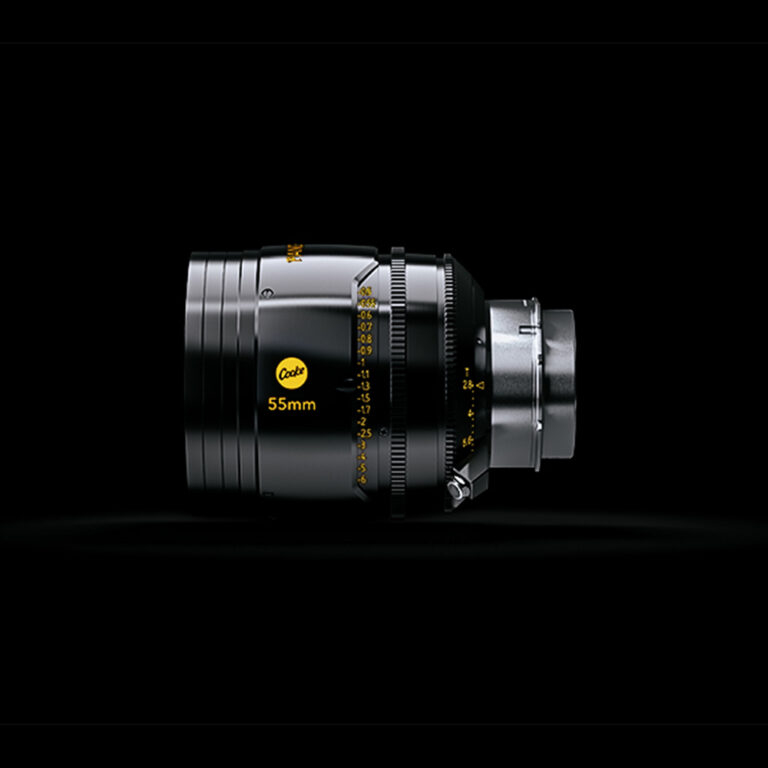
At the center of this design was a combination of Cooke Panchro/i Classic FF and Cooke S8/i lenses, supported by selective use of film negative and evolving aspect ratios. Together, these choices allowed the imagery to transition naturally across the narrative while preserving a strong emotional continuity.
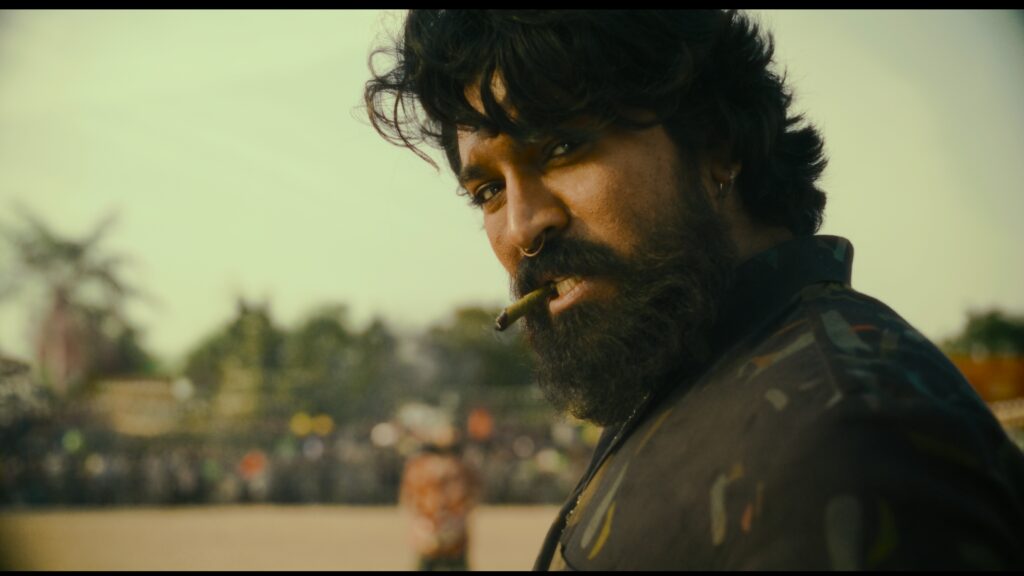
Rather than relying on a single visual treatment, Peddi embraces multiple visual worlds—each reflecting a different chapter in the protagonist’s transformation.
Set between 1980 and 1985, Peddi demanded a visual texture capable of transporting audiences into another era without resorting to artificial nostalgia.
Rather than embracing today’s increasingly clinical digital aesthetic, Rathnavelu searched for imagery that felt organic, imperfect, and emotionally resonant.
That search led him directly to the Cooke Panchro/i Classic FF lenses.
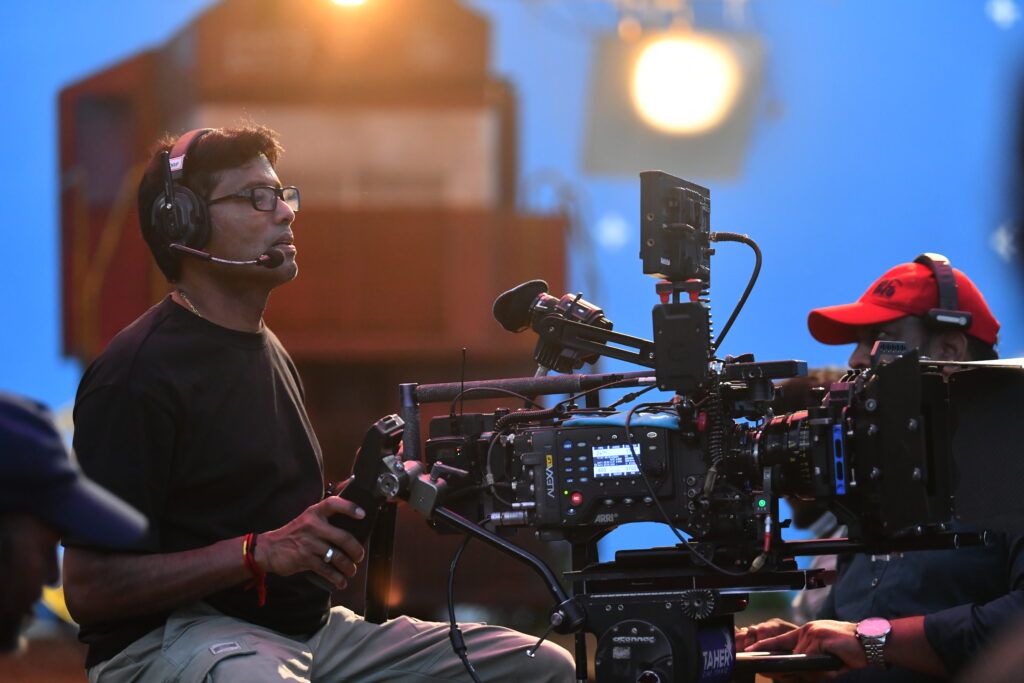
“Today, very clean and clinical images are becoming common. I wanted to move away from that and create something more organic something with emotion.
The Panchros delivered precisely what he was seeking: natural warmth, gentle focus fall-off, expressive flare characteristics, and a vintage personality that retained modern reliability.
At the heart of Peddi lies Ram Charan’s extraordinary physical and emotional transformation. For Rathnavelu, visualizing that journey extended far beyond appearance it was about creating presence.
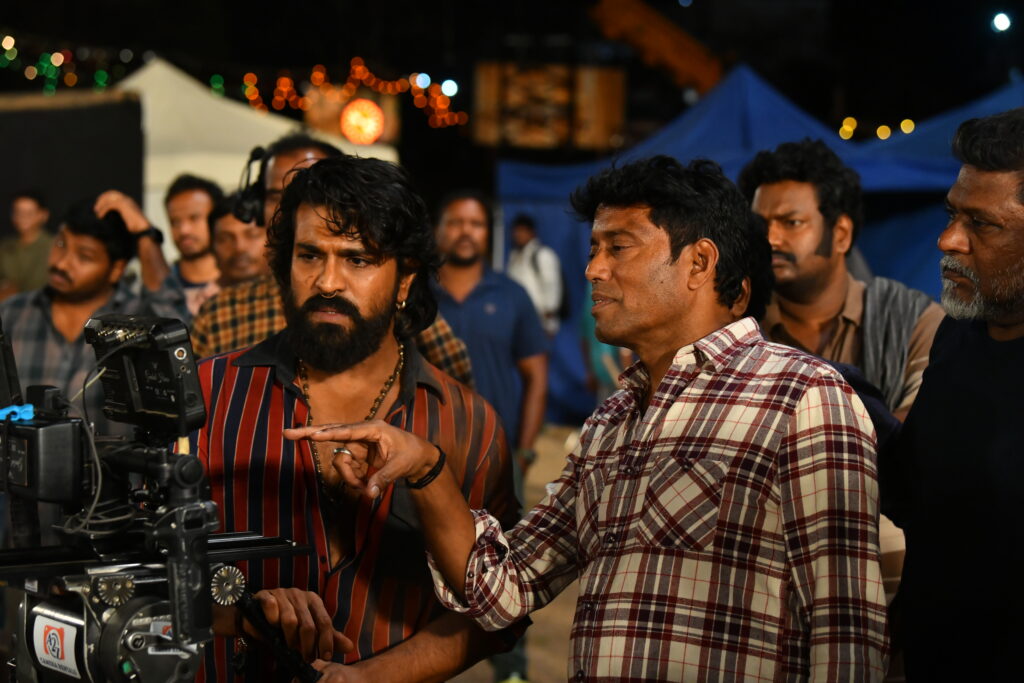
Through carefully controlled outdoor lighting, strategic shadow placement, and extensive use of negative fill, he crafted imagery that feels grounded, tactile, and emotionally truthful.
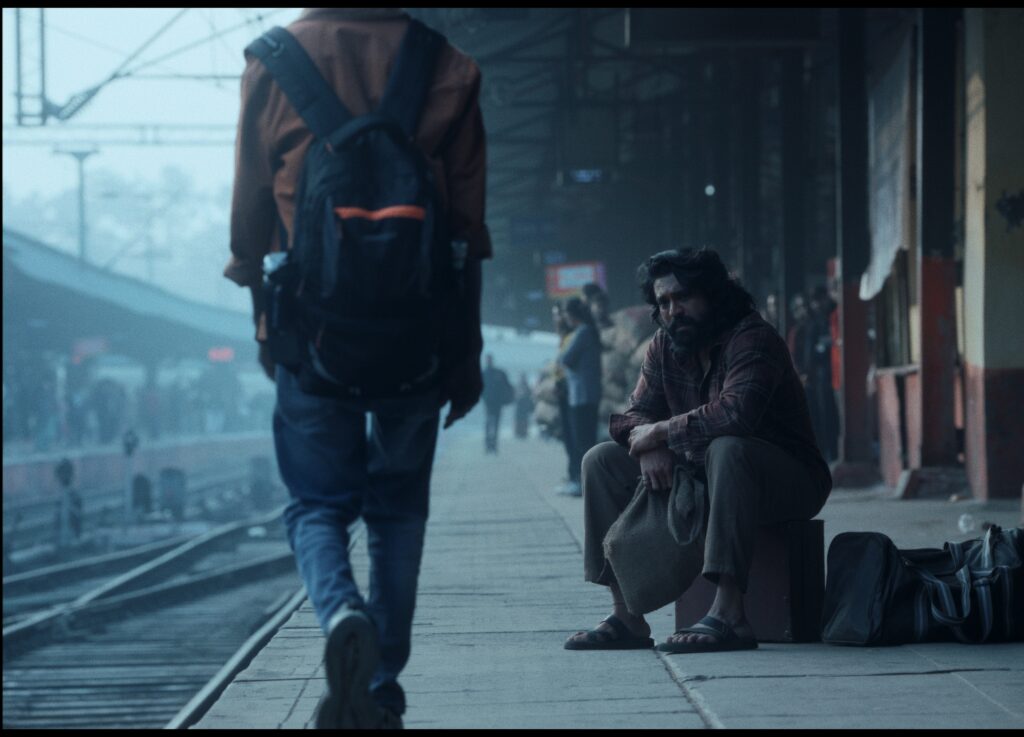
Four Phases. Four Visual Worlds.
One of the film’s most ambitious achievements is the way its visual style evolves alongside the protagonist’s journey. Rathnavelu developed distinct visual identities for each major chapter of the narrative.
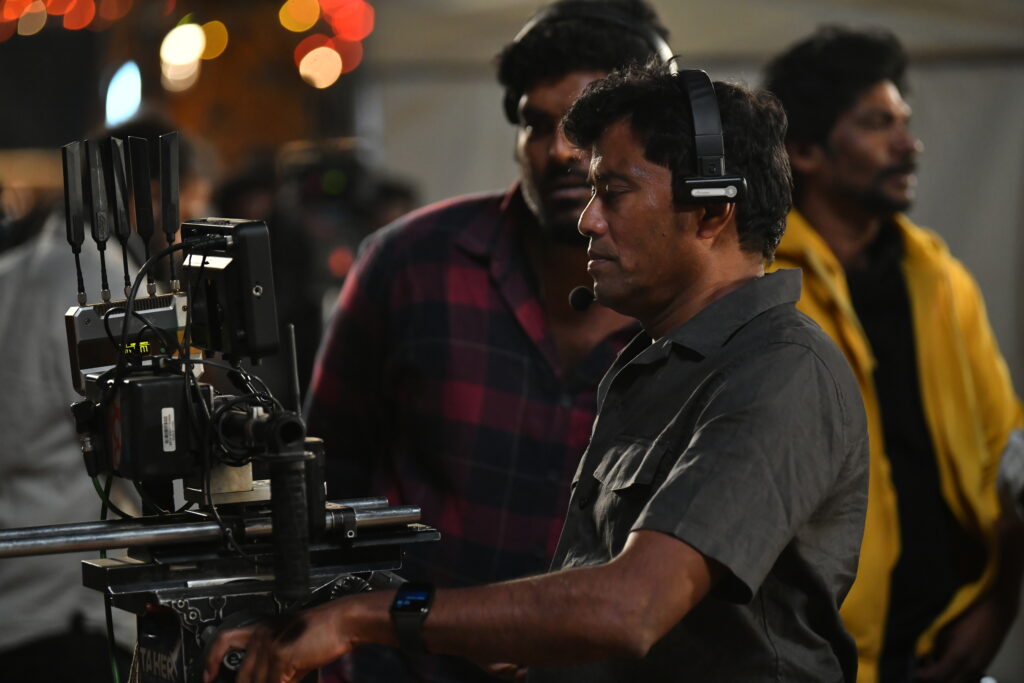
The early portions embrace the full character of the Cooke Panchro Classics.
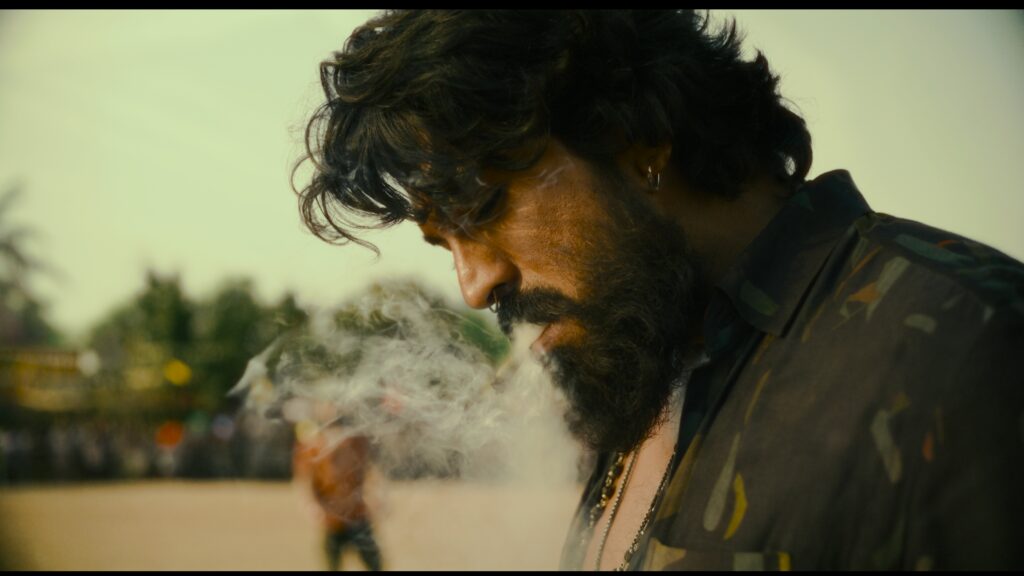
Warm, nostalgic imagery evokes youthful ambition and innocence while retaining contemporary cinematic sophistication. The world feels hopeful, energetic, and filled with possibility.
As the protagonist transforms physically, the imagery becomes sharper and more muscular.
Contrast increases. Textures become more pronounced. Dust, sweat, and movement dominate the frame.
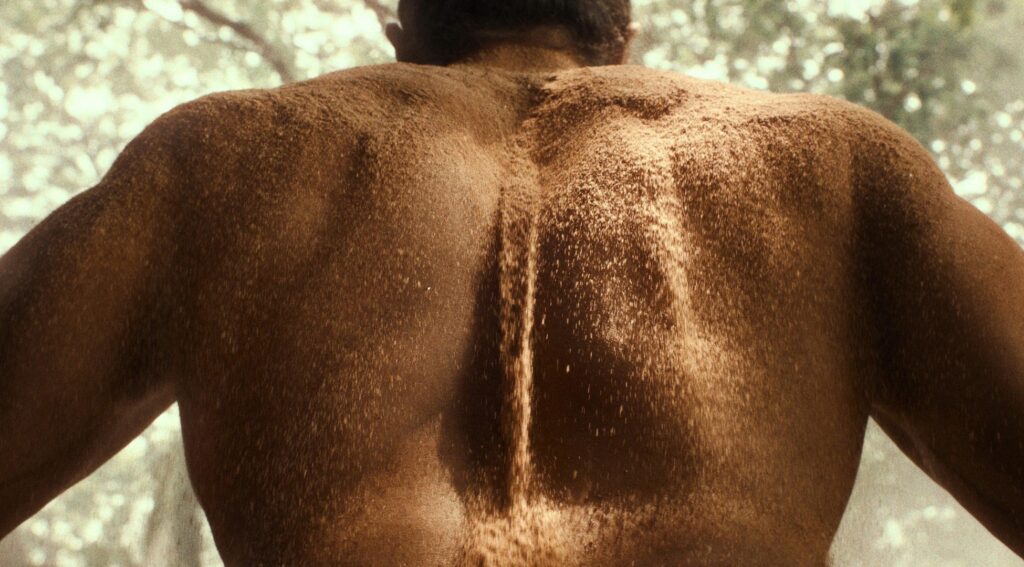
For key action sequences, Rathnavelu employed a 45-degree shutter angle at 160 frames per second, capturing extraordinary detail in airborne particles, muscle movement, and physical impact. Every frame reinforces the character’s growing strength and determination.
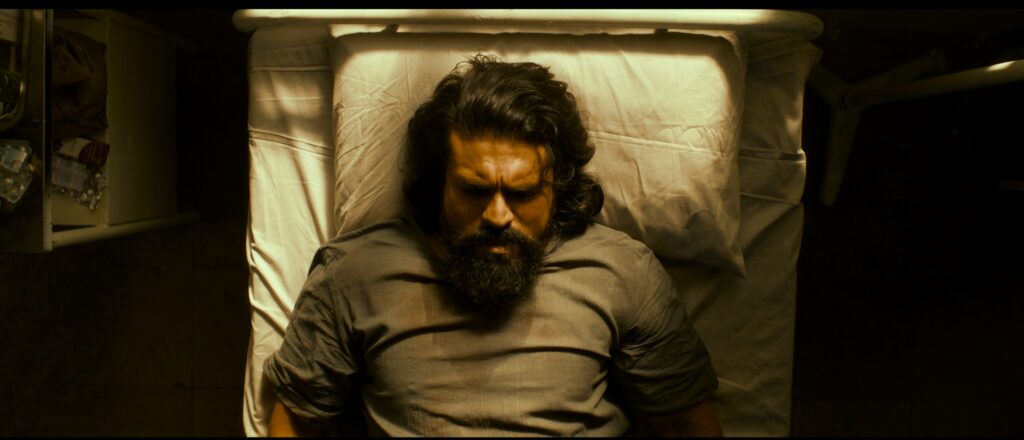
Perhaps the film’s boldest visual chapter arrives during the protagonist’s most vulnerable period.
For these sequences, Rathnavelu transitioned entirely to Kodak 250D and 500T film negative, photographed on the legendary ARRIFLEX 435 Xtreme.
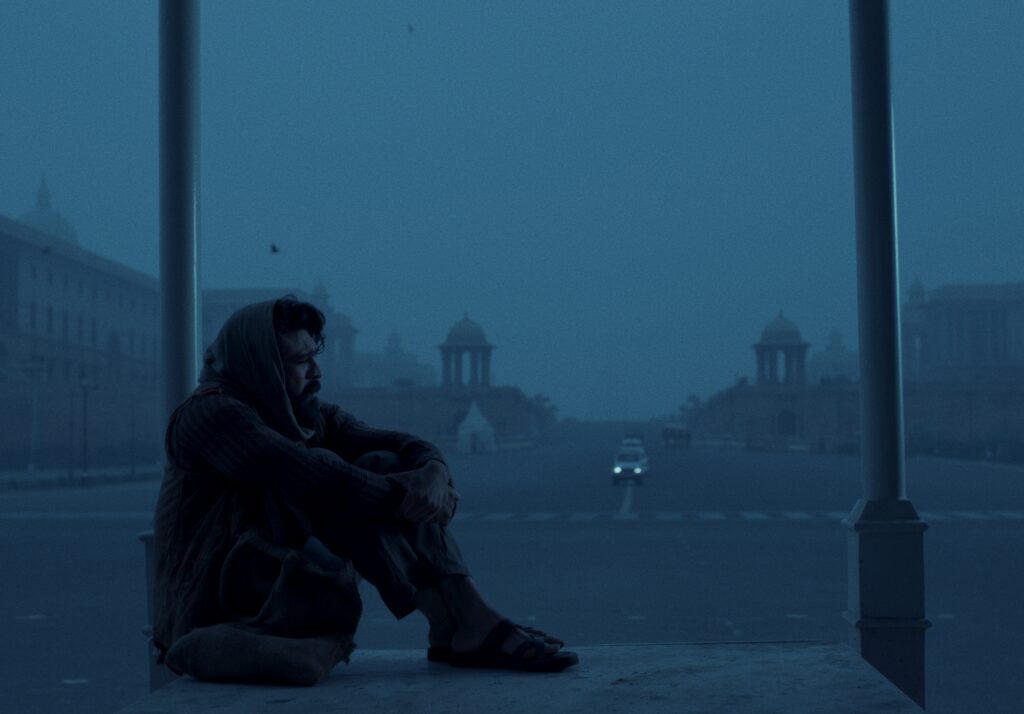
Combined with Cooke S8/i lenses and a classic 4:3 aspect ratio, the imagery evokes the emotional memory of cinema itself—organic grain, textured imperfections, and a deeply human quality that digital images rarely replicate.
Although Peddi was not photographed using native IMAX cameras, Rathnavelu carefully designed the film for premium large-format presentation.
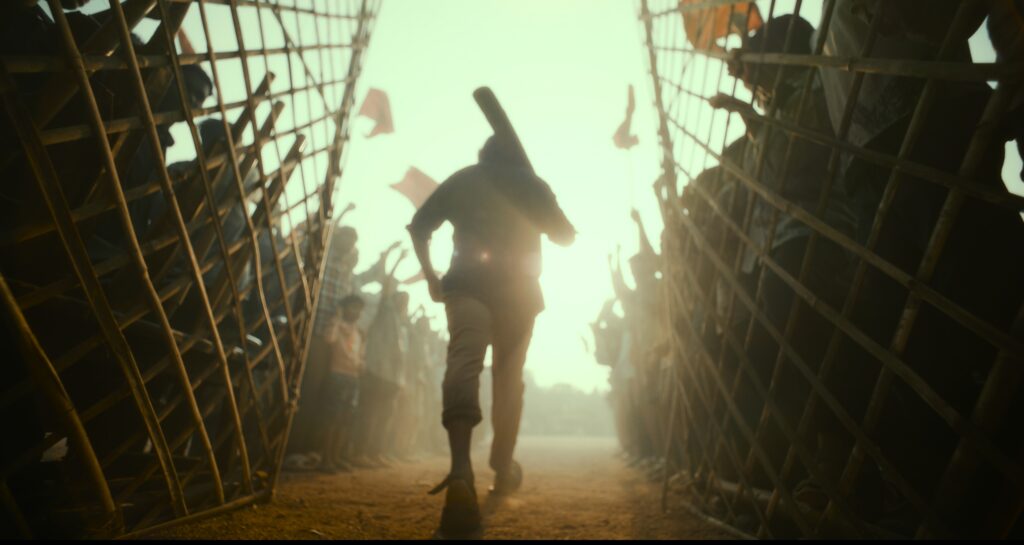
Intimate moments retain focused widescreen compositions, while major emotional and spectacle-driven sequences expand vertically, opening the frame and immersing audiences within the scale of packed cricket stadiums and intense wrestling arenas.
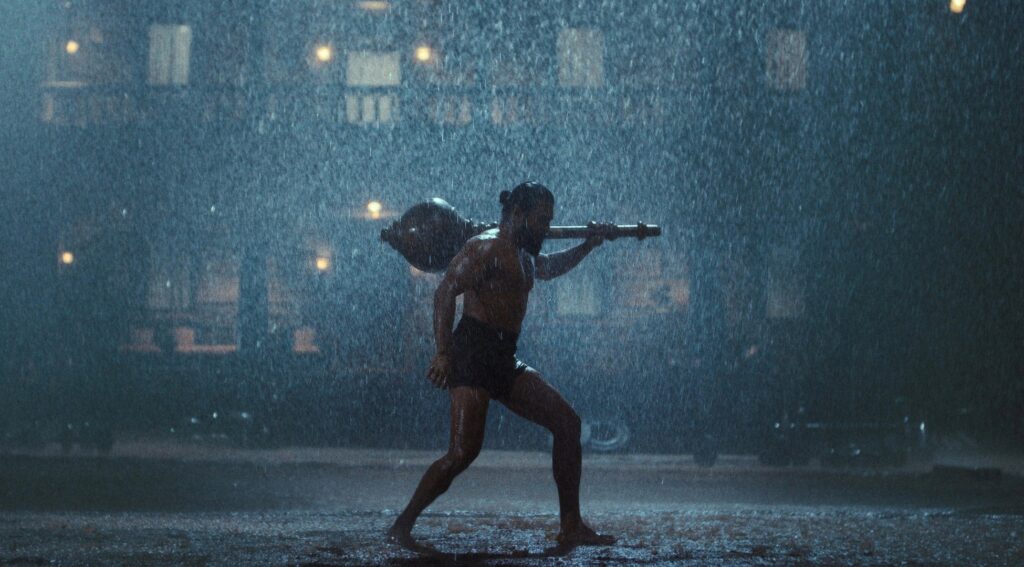
One of Rathnavelu’s most striking creative decisions was his deliberate rejection of conventional glamour lighting.
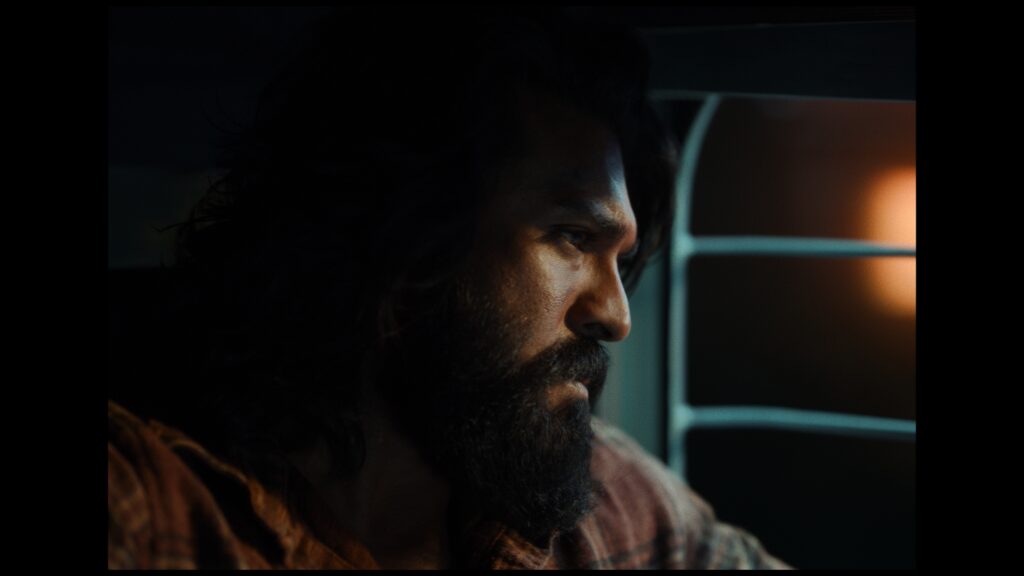
The polished soft-box aesthetics often associated with commercial cinema were replaced by a more truthful and tactile approach.
Hard shadows and pronounced natural contrast.
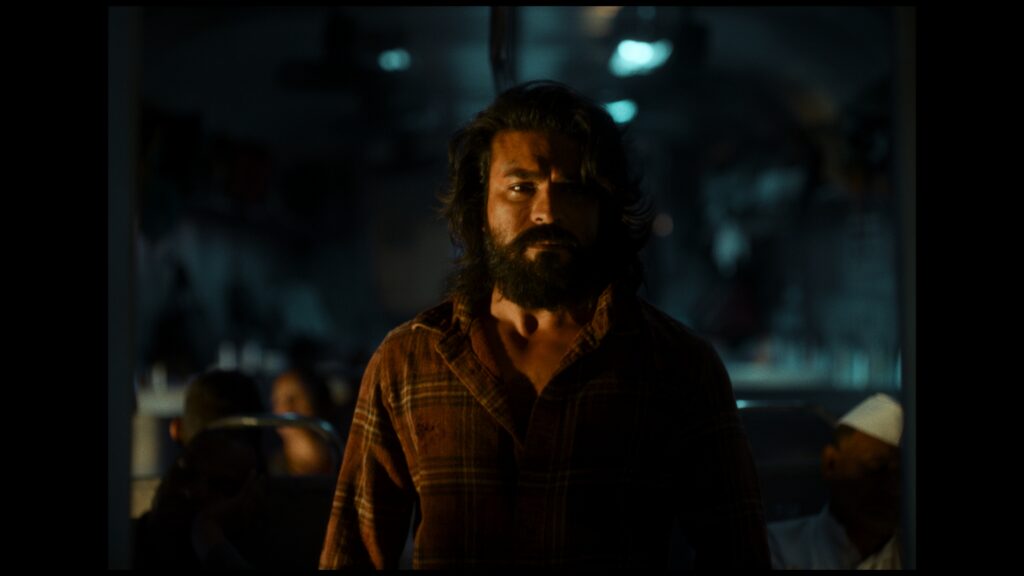
Extensive use of available light and practical sources.
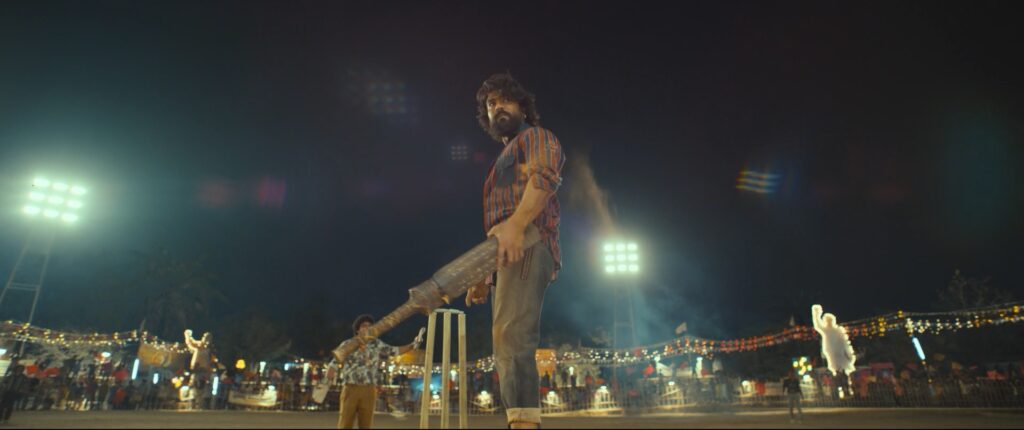
Cricket stadiums illuminated with the harsh realism of actual floodlights.
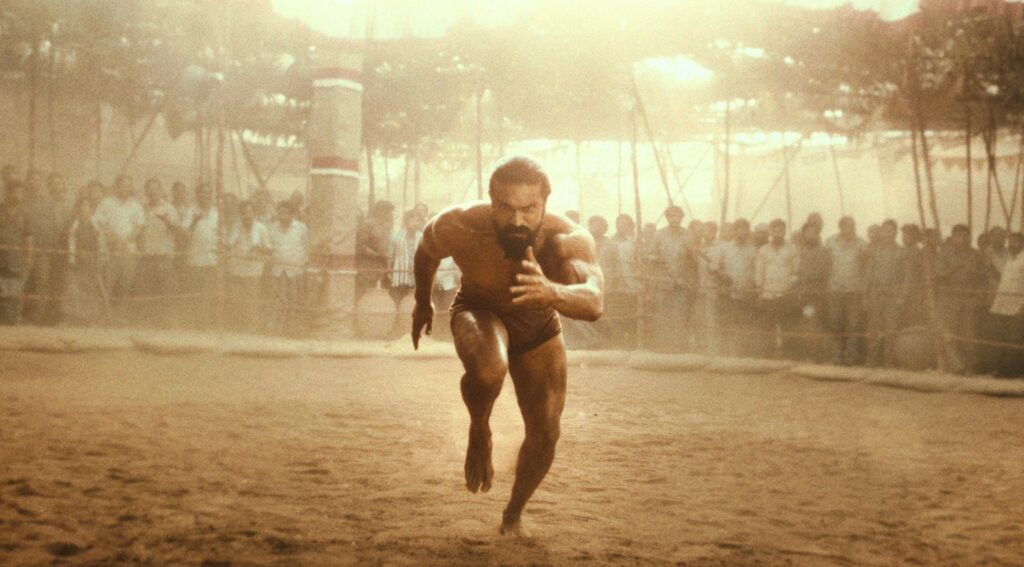
Wrestling arenas filled with dust, texture, and dramatic pools of darkness.
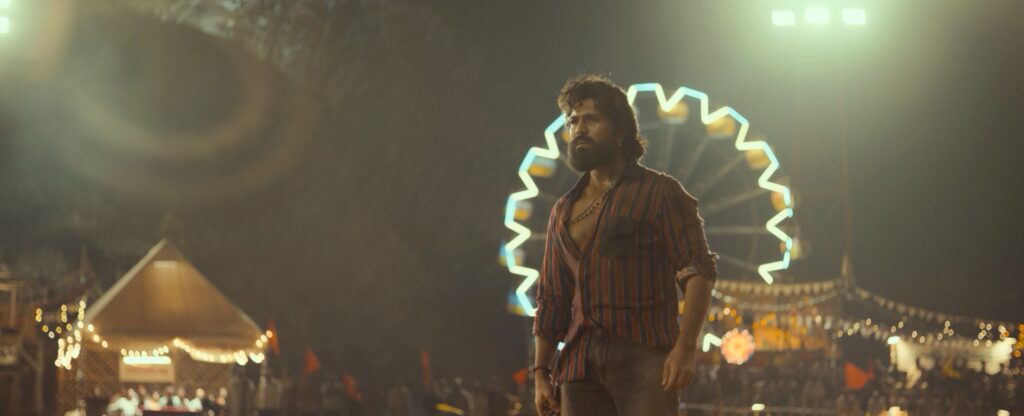
The result is a world that feels lived-in rather than manufactured.
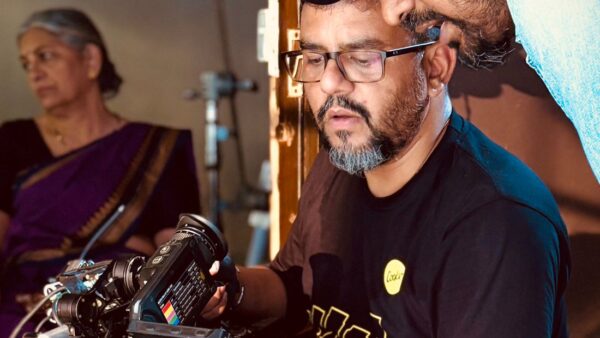
Completing Rathnavelu’s vision in post-production was acclaimed colorist Andreas Brückl, who immediately recognized the uniqueness of the material.
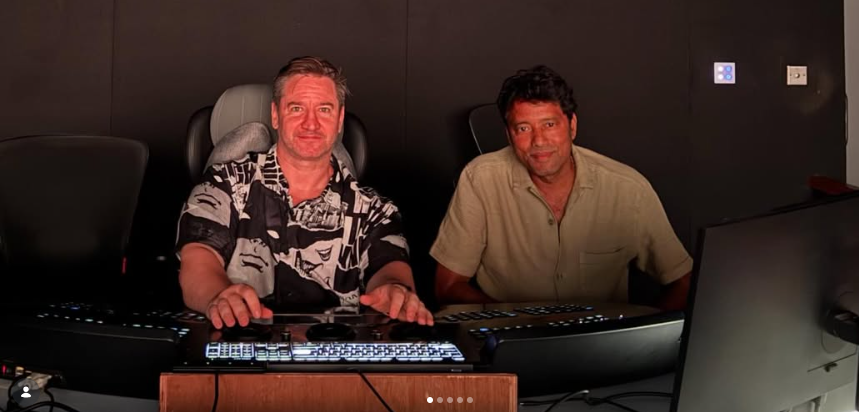
“I was stunned by the huge flares in the night cricket match. They just blew me away. Randy used them as a creative tool and it’s just impressive.”
Brückl recalls extensive conversations about how the flare behavior interacted with light and composition, becoming a defining visual signature throughout the film.
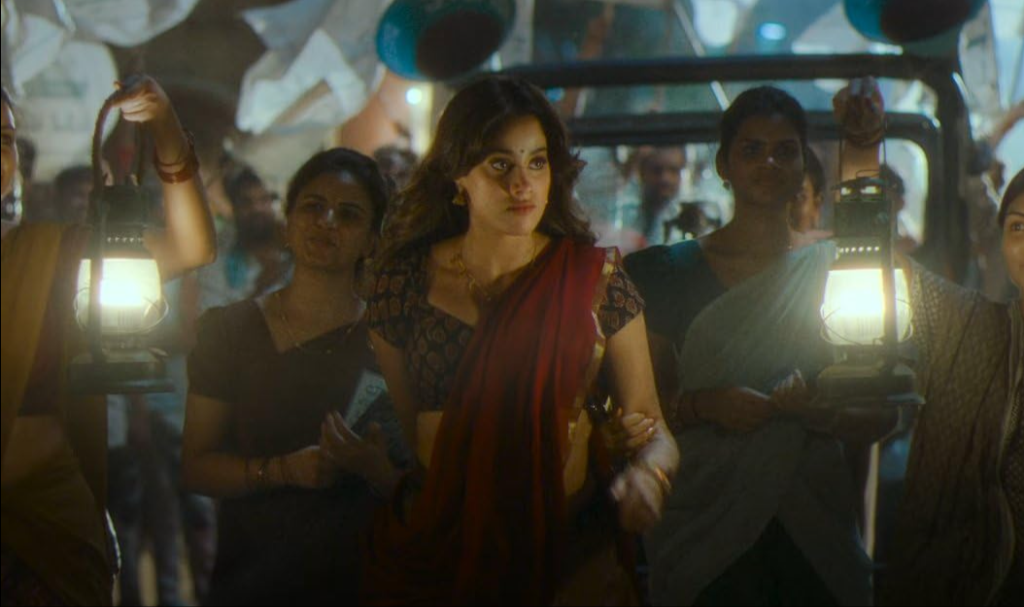
Natural, rich skin tones
Deep, clean black levels
Smooth highlight roll-off
Preservation of lens and film texture
Subtle micro-contrast variations between life phases
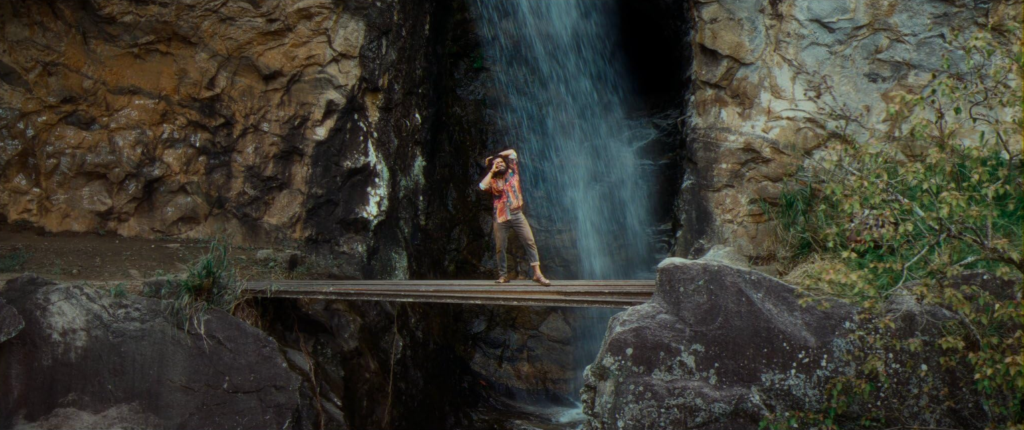
For Brückl, the grade was ultimately about preserving authenticity while enhancing emotional impact.
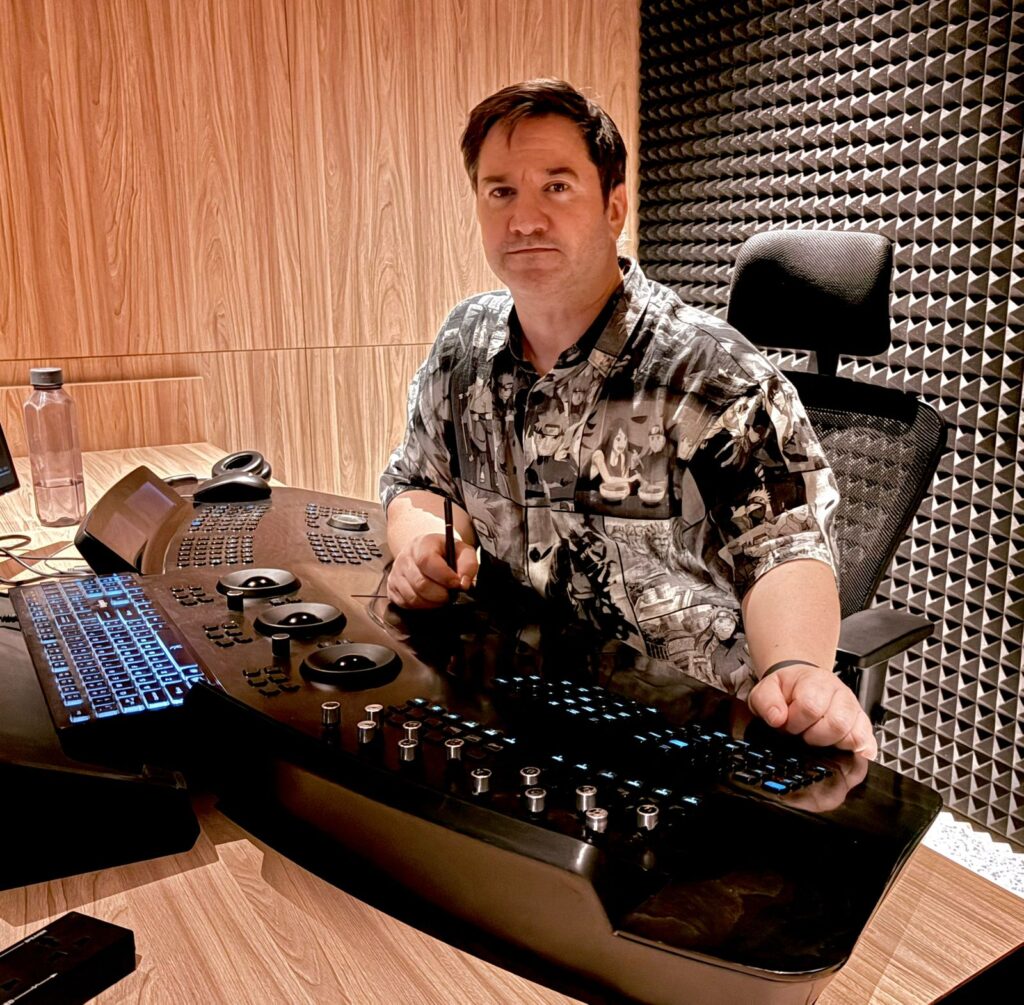
“I am very particular about skin tones in my grade. They should be natural, rich, and have the right amount of sharpness and highlight falloff. That’s when the Cooke Panchros really showed their strength. In the end, it’s always a combination of camera sensor, lens, and light.”
What makes Peddi particularly remarkable is the consistency behind every creative decision.
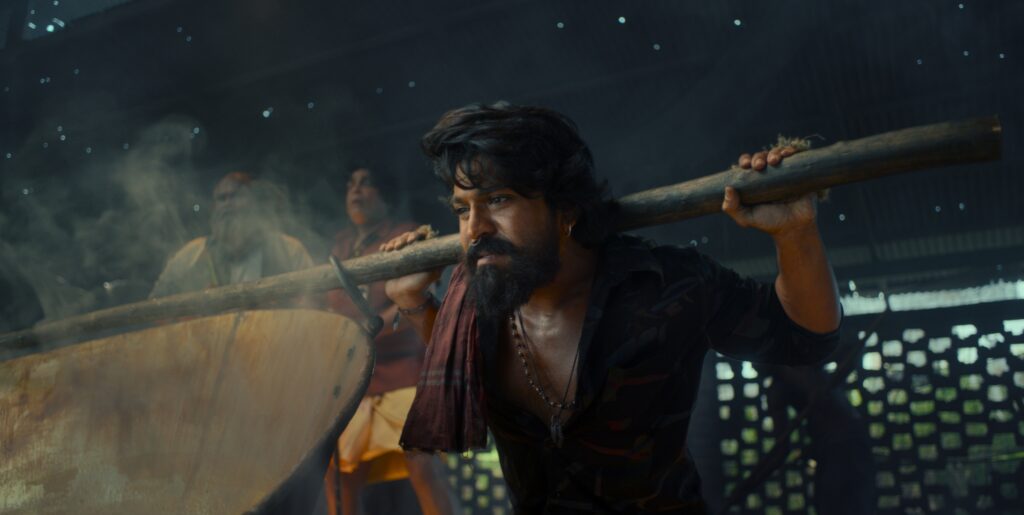
From the warmth of the Panchro/i Classic FF lenses to the emotional texture of film negative and the precision of modern large-format presentation, every choice serves the story.
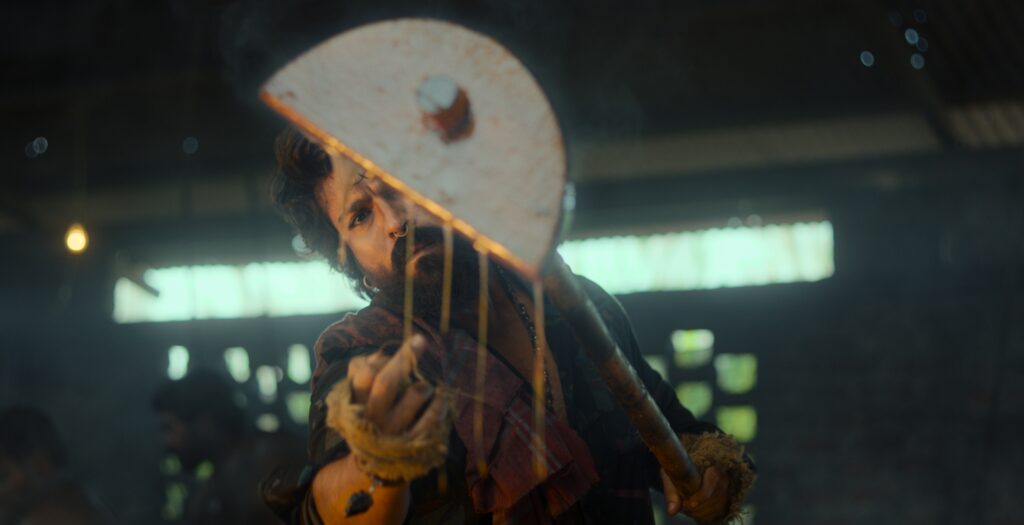
Through Peddi, R. Rathnavelu ISC once again demonstrates why he remains one of Indian cinema’s most influential visual storytellers. By embracing the distinctive character of the Cooke Panchro/i Classic FF and S8/i lenses, he has crafted a visual world where vintage soul meets contemporary scale creating a film that doesn’t merely depict a journey but invites audiences to experience every step of it.
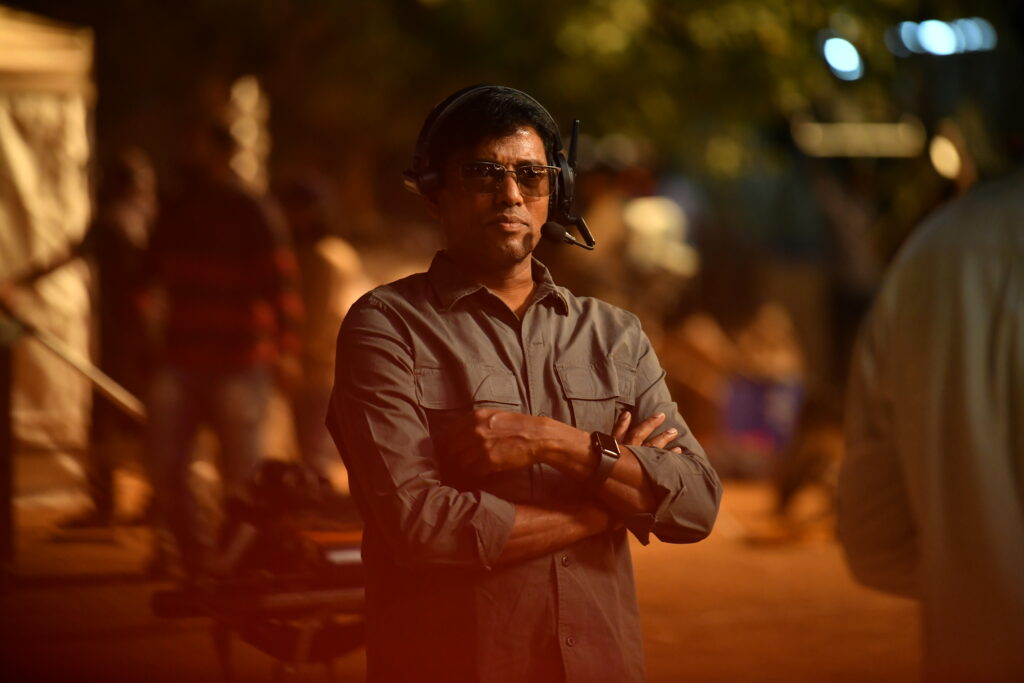
R. Rathnavelu ISC | Director of Photography
Supported By: Taher Cine Tekniq