Search for lenses, articles and help
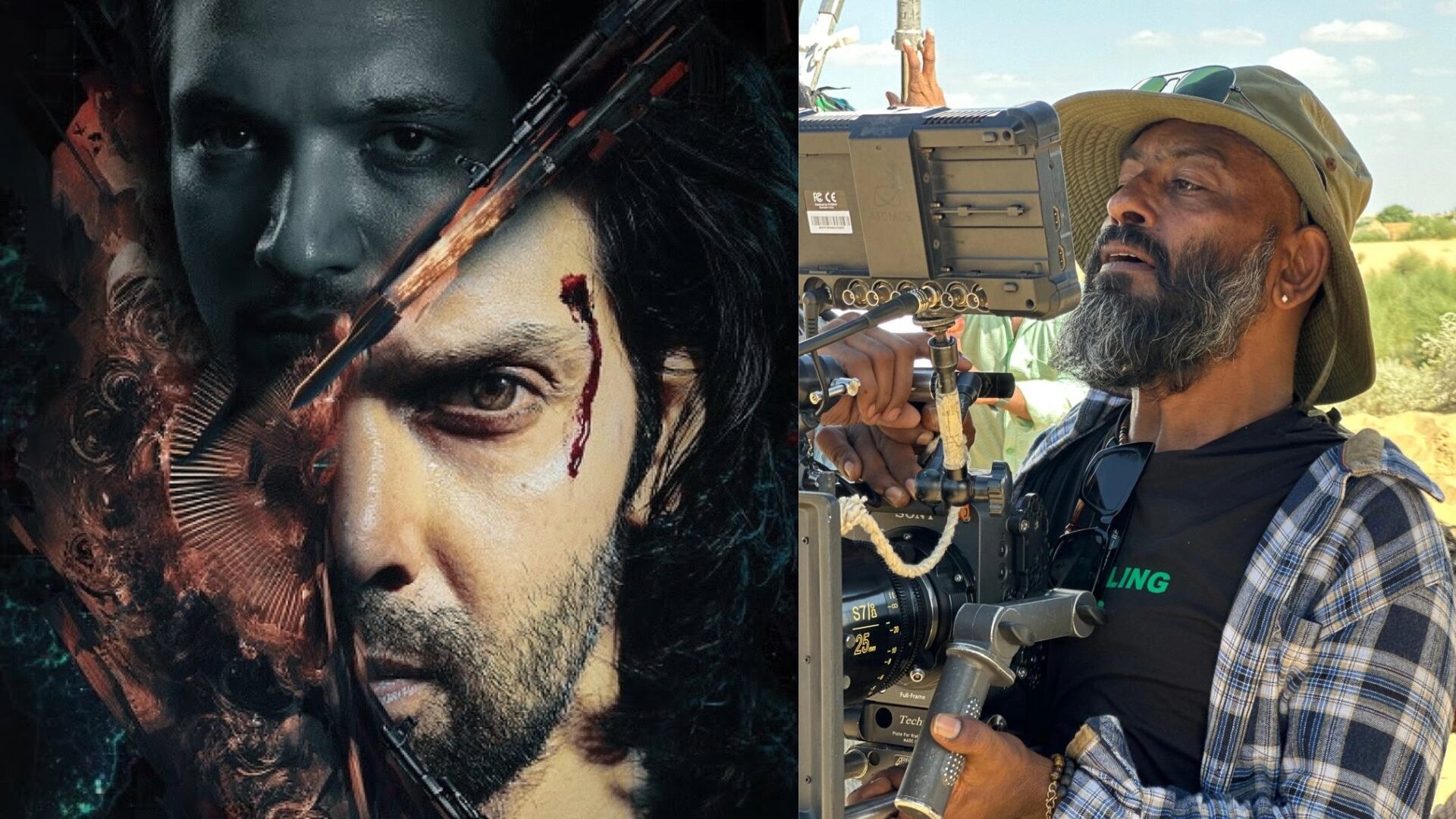
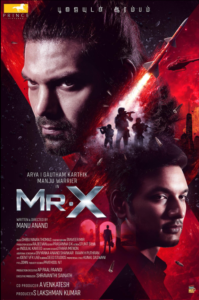
A gripping action spy thriller with scale, precision, and intensity
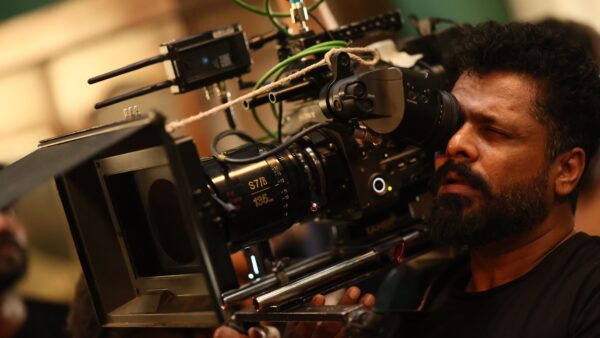
In Mr. X, cinematographer Arul Vincent crafts a striking visual language that blends intensity with cinematic sophistication. With over two decades of experience, and acclaimed work in films like Kirumi and FIR, he approaches this action spy thriller with a clear focus on optics as the foundation of storytelling.
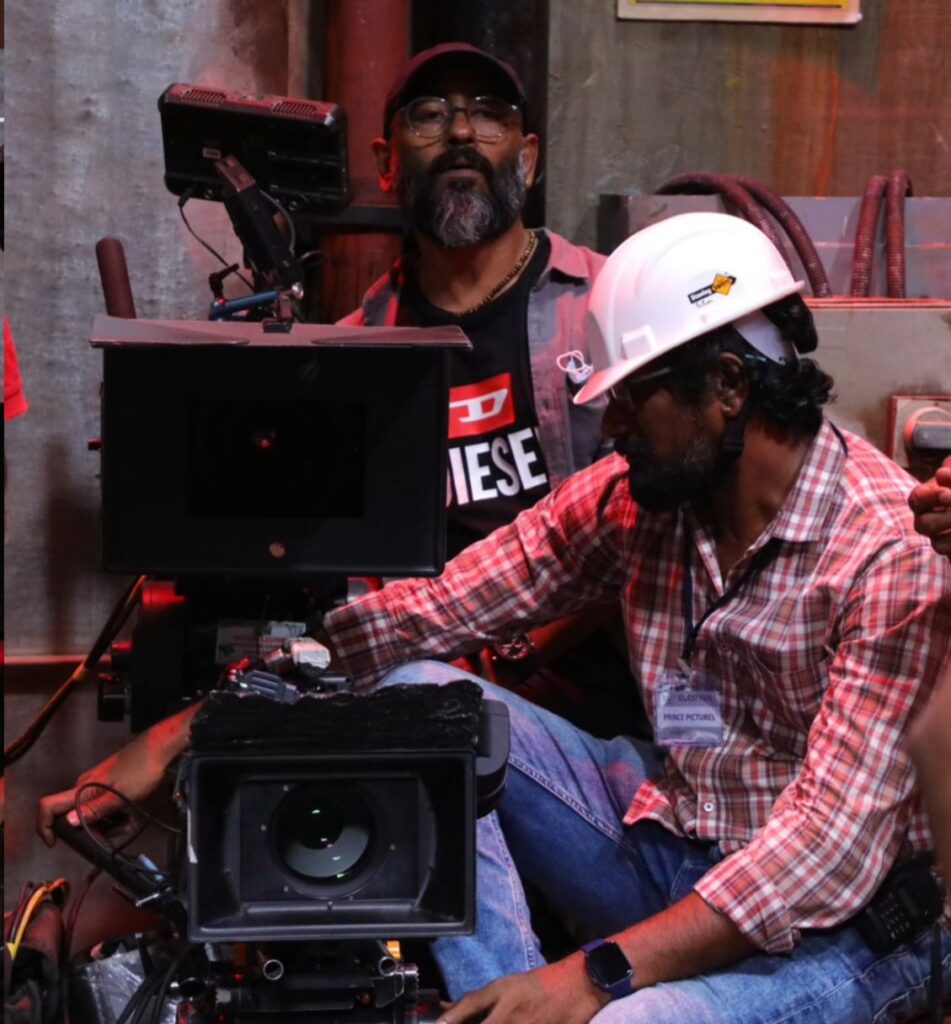
While the Sony VENICE 2 with Rialto system enabled flexibility in execution, it is the Cooke S7/i lenses that define the film’s visual character—bringing together scale, texture, and emotional depth.
For Arul Vincent, the lens is not just a technical choice—it is the soul of the image.
Having previously worked with Cooke S4/i lenses, he was familiar with their optical philosophy. However, the Cooke S7/i introduced a more contemporary dimension:
A large image circle that enhances spatial depth and composition
A refined highlight roll-off, particularly effective with high-contrast lighting
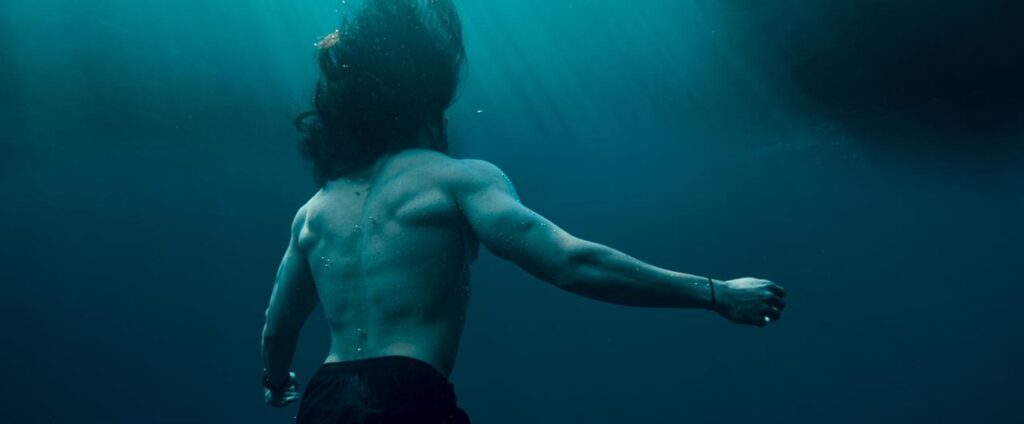
A distinct yet controlled texture, balancing modern sharpness with cinematic softness
Strong low-light performance, preserving detail deep into shadow regions
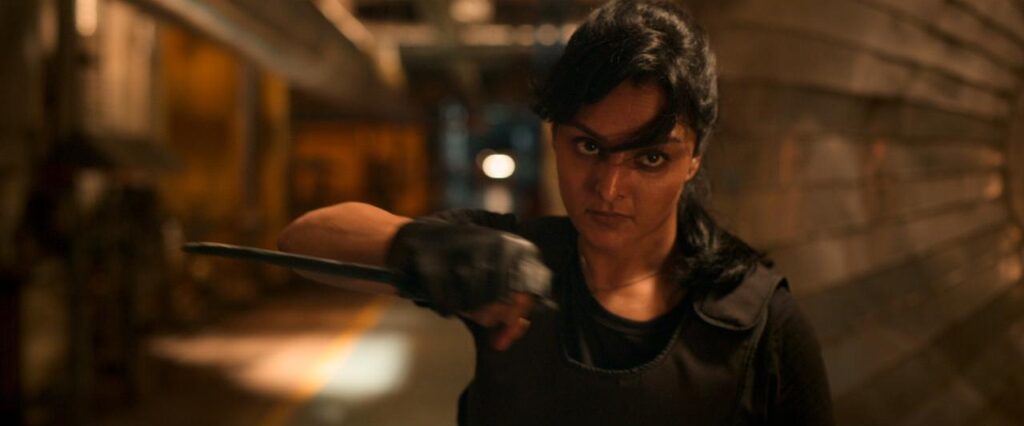
The film leans heavily on wide focal lengths, not just to establish scale but to intensify the viewer’s connection to the action. Even in extreme close-ups, the S7/i lenses retain natural perspective and emotional integrity without distortion.
The action sequences—designed with 360-degree movement and multi-camera setups—demanded a system that could adapt to constantly shifting spatial dynamics. The Rialto extension system allowed for greater physical flexibility, but it is the consistency of the S7/i lenses across setups that ensured visual continuity.
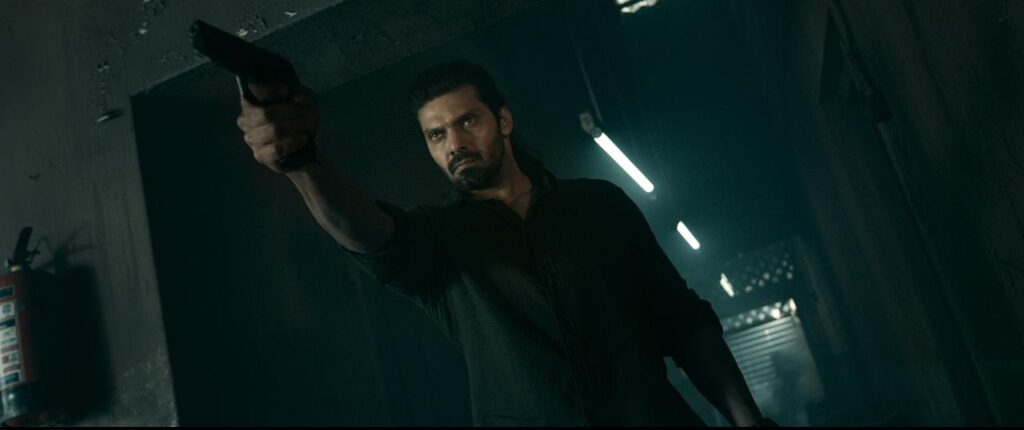
Whether mounted on dynamic rigs or used in handheld proximity, the lenses maintained a cohesive visual language, allowing the audience to remain fully immersed.
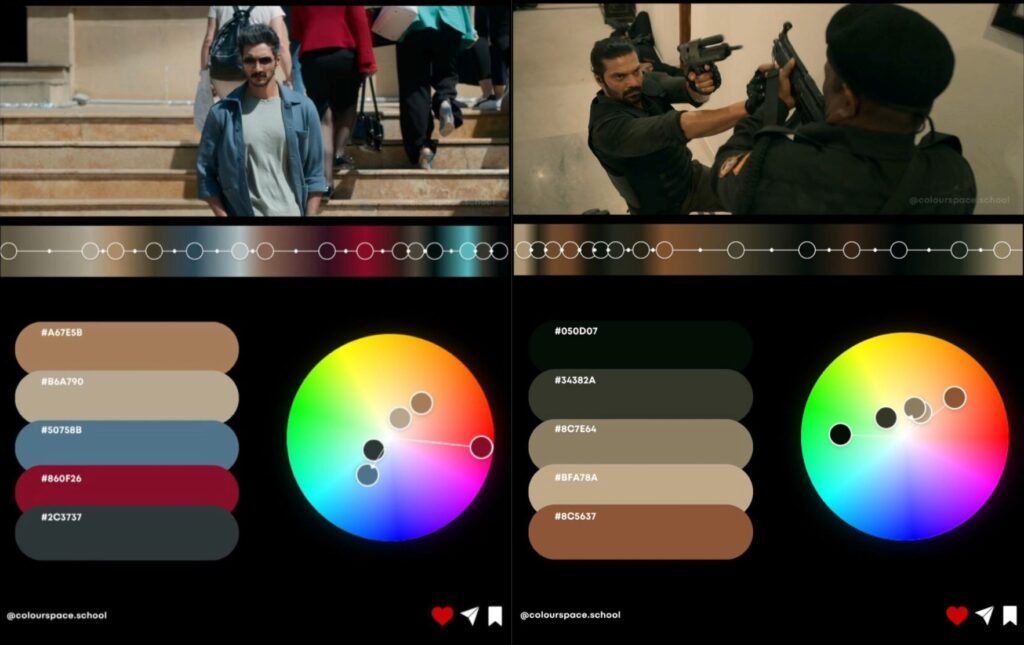
Colour Pallet – Image Credits @Colourspace.school
With multiple locations forming the narrative landscape, each environment in Mr. X carries a distinct tonal identity. Through careful lensing and lighting interplay, these variations are unified into a seamless visual progression.
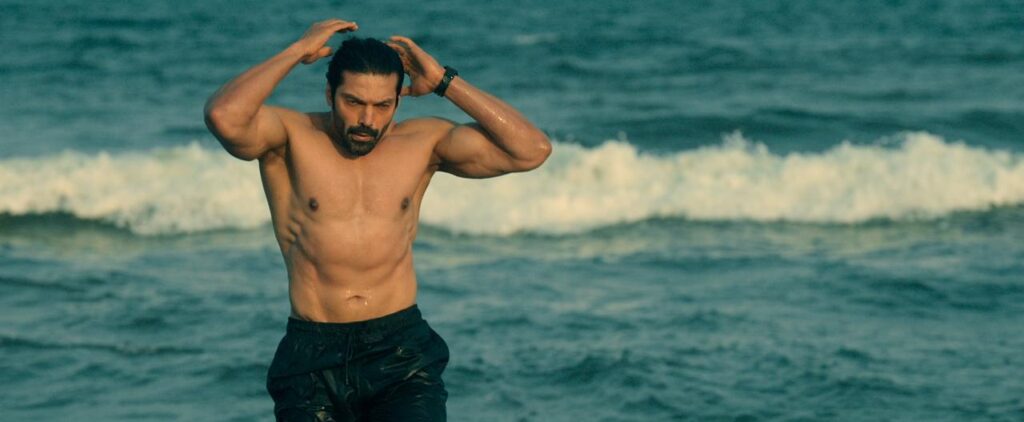
As the film advances, the imagery gradually transitions into darker tonal territories. Here, the speed and optical response of the S7/i lenses become crucial—retaining subtle gradations and textures within near-black regions, adding depth and atmosphere.
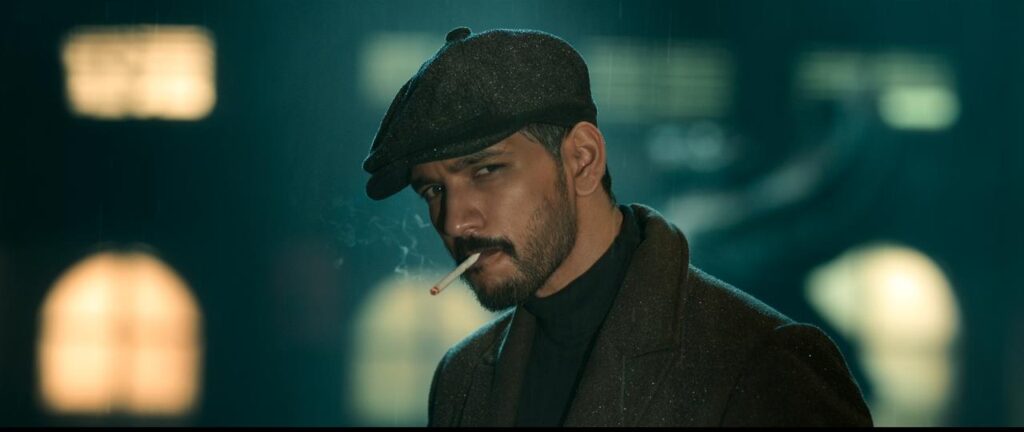
The DI by Prasad Somasekar further refines this balance, enhancing consistency while preserving the unique qualities captured through the lenses.
“For me, the lens defines the image. I’ve worked with Cooke S4/i before, so I understand their foundation. But the S7/i feels like a natural evolution—more modern, yet still very cinematic.”
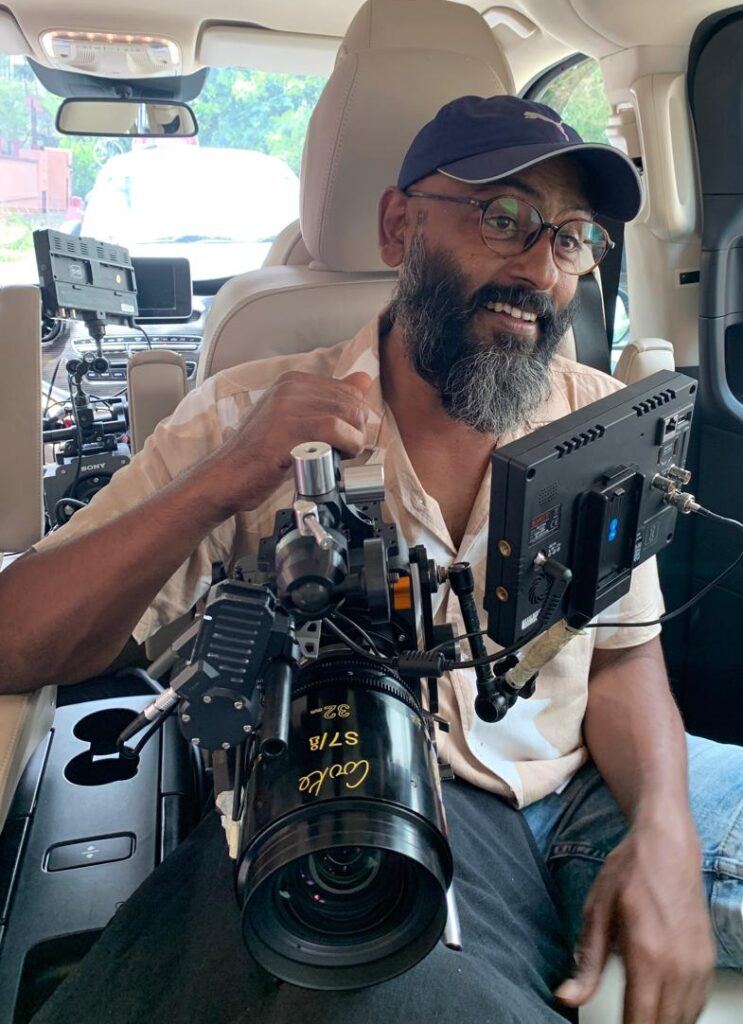
“What stood out immediately was how the lens handles highlights and shadows. It gives a smooth roll-off, and even in darker portions, I could see fine detail holding beautifully.”
“My lighting style often uses strong edges and rim light. The S7/i complemented that perfectly without making the image feel harsh.”
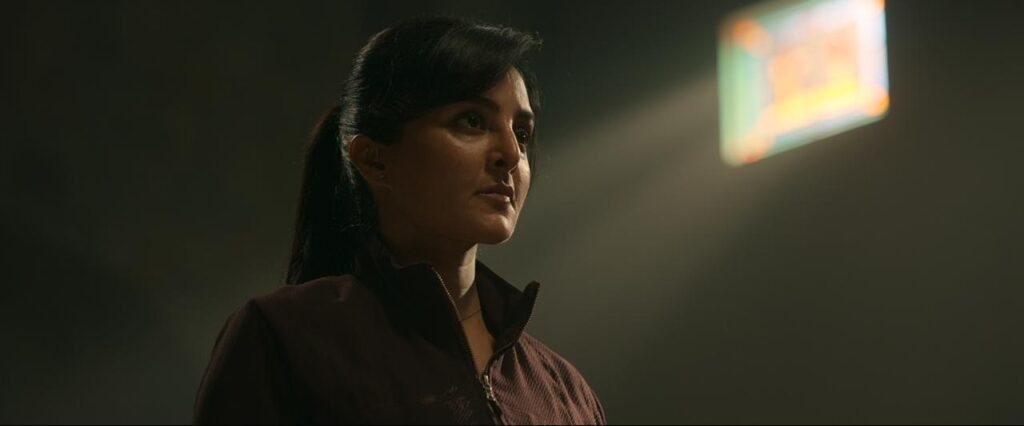
“I used a lot of wide lenses in Mr. X. What I really admire is how the S7/i maintains character even in close-ups—there’s intimacy without distortion.”
“The film travels across many locations, each with a different mood. The lens helped me maintain consistency while still allowing each space to feel organic.”
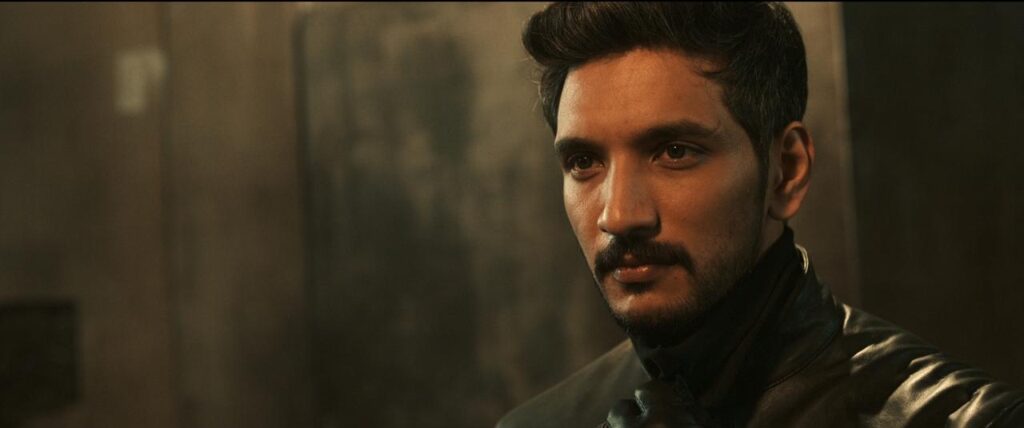
“As the story progresses, the visuals become darker. The lens speed and its response in low light played a big role in capturing subtle details in those moments.”
“Cooke’s skin tones are always special. For a film with an ensemble cast, bringing out that presence was very important—and the lenses delivered it beautifully.”
while technology enables, it is the lens that shapes emotion. Through the Cooke S7/i, the film achieves a visual identity that is both contemporary and deeply cinematic elevating its action-driven narrative into a refined visual experience.
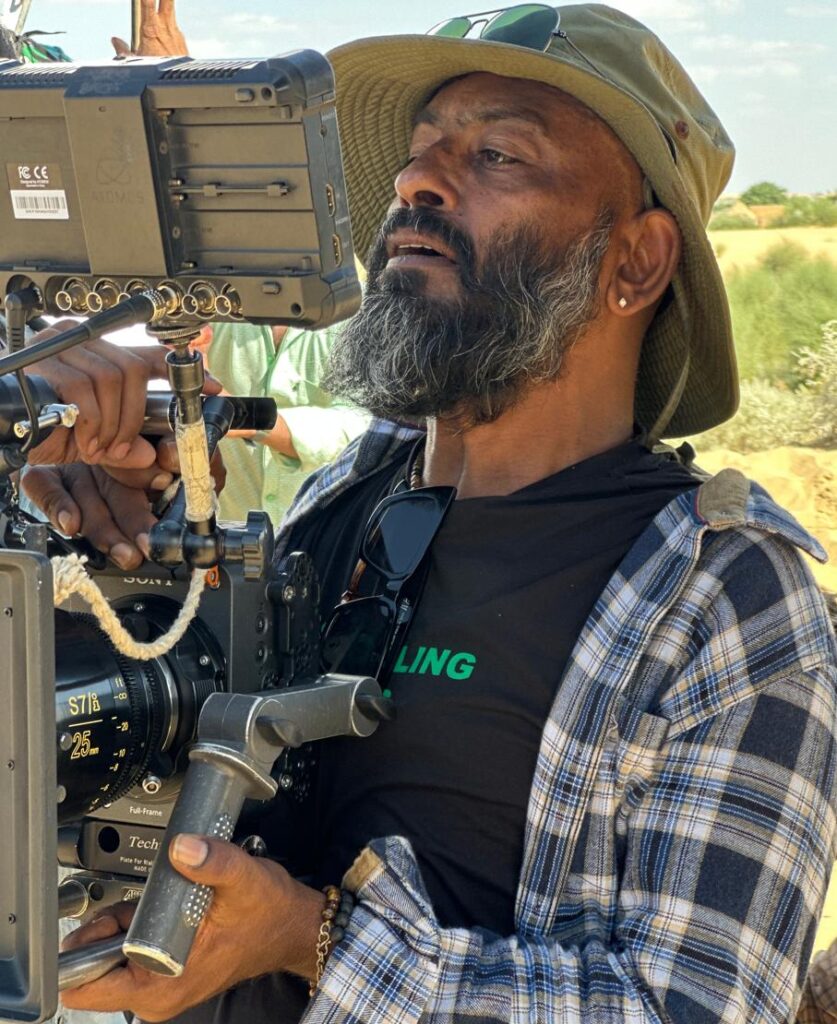
Arul Vincent | Director of Photography