Search for lenses, articles and help
Part one and two of this series touched on the history of anamorphic lenses, squeeze factors and how cinematographers are utilising the anamorphic format today. This third part is about a different kind of creative decision, not whether to shoot exclusively in anamorphic, but how to use both anamorphic and spherical lenses within the same production deliberately and to powerful effect.
It is an approach that has been used across some of the most visually distinctive productions of recent years. The reasons for doing it vary: distinguishing between narrative worlds, adjusting the emotional register of a scene, or simply using the characteristics of each format where they serve the story best. The approach supports a clear creative rationale. When it works, the audience registers the change emotionally without necessarily understanding why – the world simply feels different.
Using both spherical and anamorphic lenses within a single production is not a new idea but the increasing flexibility of digital camera systems has made it more approachable than it has ever been. The ability to switch between formats, crop to a common aspect ratio or deliberately maintain different ratios throughout, gives filmmakers expanded narrative opportunities.
In the film era, shooting both anamorphic and spherical within a single production often meant carrying cameras with fundamentally different mechanical specifications. Anamorphic films typically ran at four perforations per frame vertically, while some spherical formats ran at two or three and formats like VistaVision ran eight perforations horizontally. Different perforation movements meant different camera bodies, different magazine runtimes and different ground glasses amongst other changes.
Modern digital cameras have largely removed those barriers. Open gate sensor modes, now common across a wide range of cameras, allow the full sensor area to be used regardless of the lens mounted in front of it – meaning a single camera body can accommodate both anamorphic and spherical glass within the same shoot, even changing from shot to shot. The metadata-driven workflows that have become standard in high-end digital production make switching between formats more manageable in post as well as on set.
Aspect ratios have also become less fixed. Where cinema once operated within a small number of standardised ratios, 1.85:1 (flat) and 2.39:1 (scope) being the dominant options, productions today have considerably more latitude. 2.0:1 has become an increasingly common delivery format, particularly for streaming, and the decision of whether to maintain a consistent ratio across a mixed-format production or allow it to shift between sections is now a genuinely open creative choice rather than adhering to a standard.
It is also worth considering that mixing formats does not require two complete lens sets. A single anamorphic prime paired with a spherical package, or vice versa, or even one of each, is enough to open up this creative possibility. The constraint of working with a limited number of lenses in one format can encourage a more deliberate approach to when and why the format switch is made.
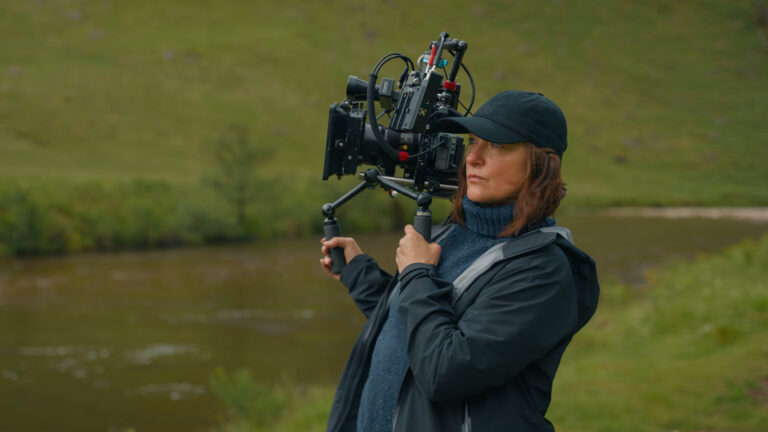
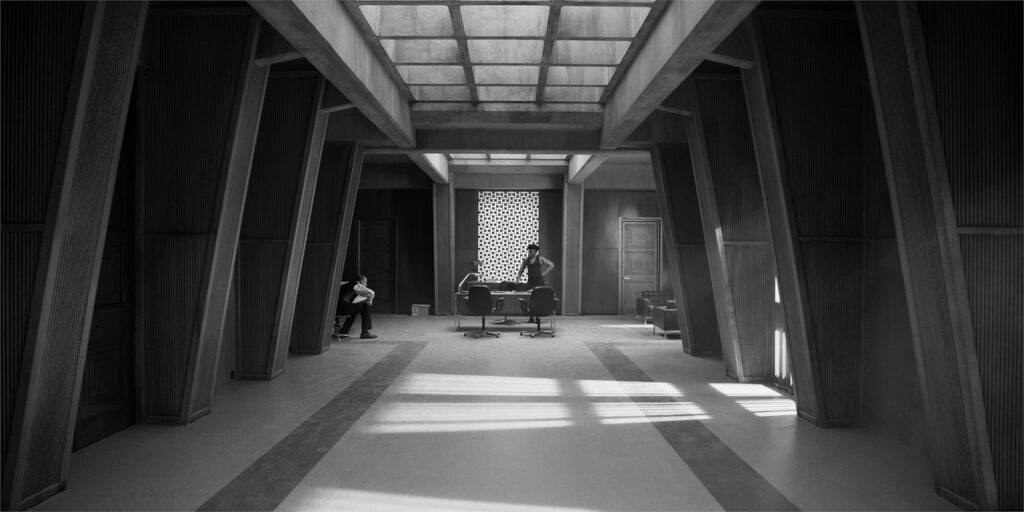
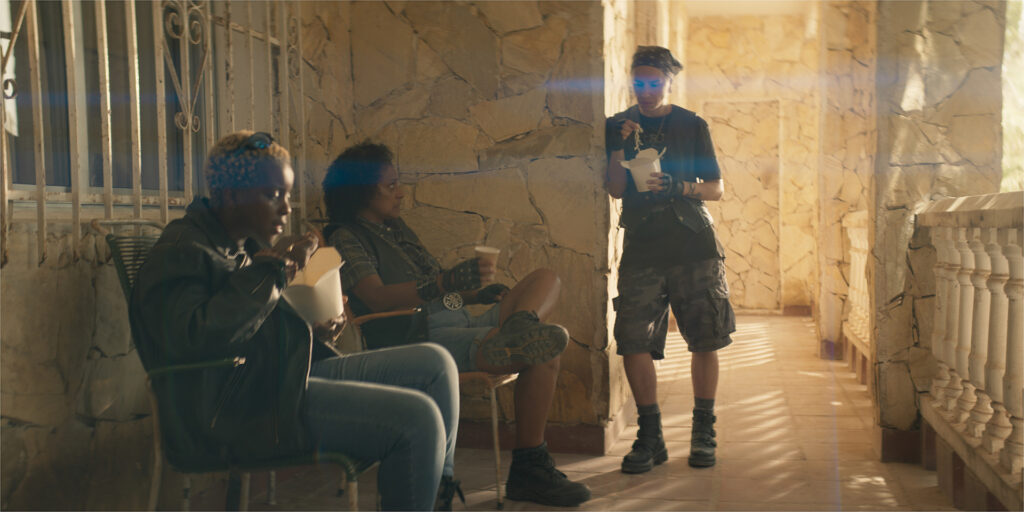
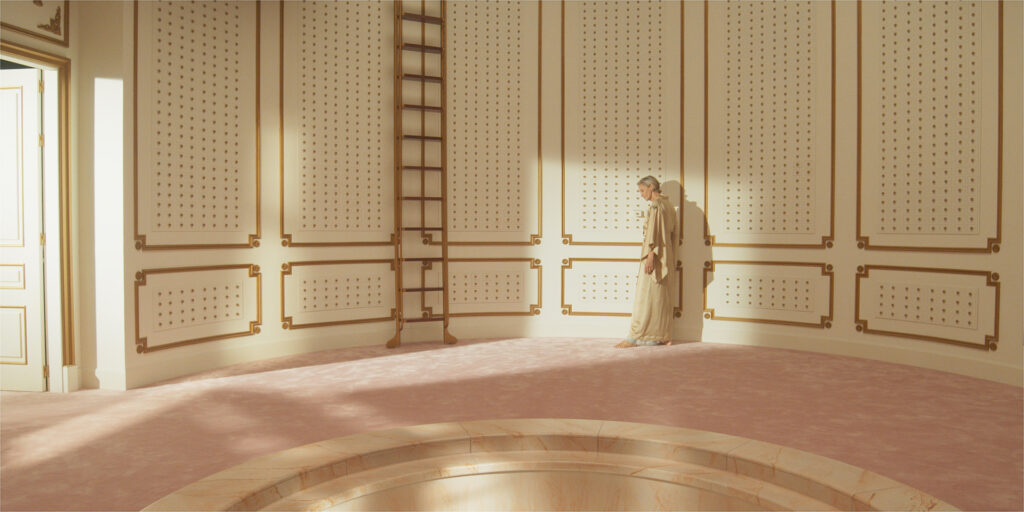
Cinematographer Kit Fraser’s work on Netflix’s ‘Kaos’ is one of the more recent examples of mixing anamorphic and spherical applied at scale. The series depicts three distinct worlds – Mount Olympus, Earth and the Underworld – and Fraser, working with director Georgi Banks-Davies, used lens type as one of the primary tools for differentiating between them.
“What we wanted to do was find a different look for each world so that as an audience you could really distinguish between them even when we cut around throughout the show. It was really about finding a thread between all three worlds but at the same time showing a difference each time you came to it.”
Earth, the most raw and grounded of the three, was shot handheld on Cooke Anamorphic/i FF Special Flair lenses, with supplementary grain added in post. “There is an intimacy to close-ups in anamorphic because of that kind of rapid drop off in the focus,” Fraser reflects, “but I think really we just loved the aberrations you get with it – and I think that made it feel slightly rougher than the sphericals. Although they’re kind of round and soft they’re certainly not overly sharp like other lenses.”
Mount Olympus was to be something different – a much more polished environment. The camera work is very considered with tracks, dollies and cranes serving as the foundation along with a deliberate lighting style that feels more orchestrated – reflective of how Zeus is attempting to control the world. Spherical lenses were used here, leading to a less obscured rendering of the characters’ surroundings. Colours still pop on Mount Olympus and there’s a sense the world is glowing, but the overall contrast is softer than Earth – it’s an idyllic place to be but this seems lost on Zeus as he frets over the prophecy.
The Underworld was also shot spherically, rendered in high contrast black and white with wider angles and a slightly deeper depth of field than either of the other worlds.
Despite the format changes throughout, ‘Kaos’ maintains a constant 2.0:1 aspect ratio. The anamorphic sections are cropped left and right from their captured aspect ratio and spherical material is cropped top and bottom. Fraser acknowledges the trade-off: some of the edge aberrations and distortion are lost, particularly on the wider lenses, but working with the full vertical height and a close to wide open T-stop preserved enough character in the image.
“There was definitely a discussion about the option of changing aspect ratios between the worlds. Both Georgie and I love the medium format look, and when I say that I mean like 6×4.5 or 6×6. Those kinds of bigger gauges in the black and white world would have been beautiful and would have made such a distinction. But at the same time I think there’s always a slight disconnect when you jump aspect ratios – I guess what a regular audience would call the black bars changing. It can draw your attention more than it should.”
Purposefully ones that don’t have big cast in them in case image rights is still a concern, if so even with this guess you could just link the article…
Read the full ‘Kaos’ case study
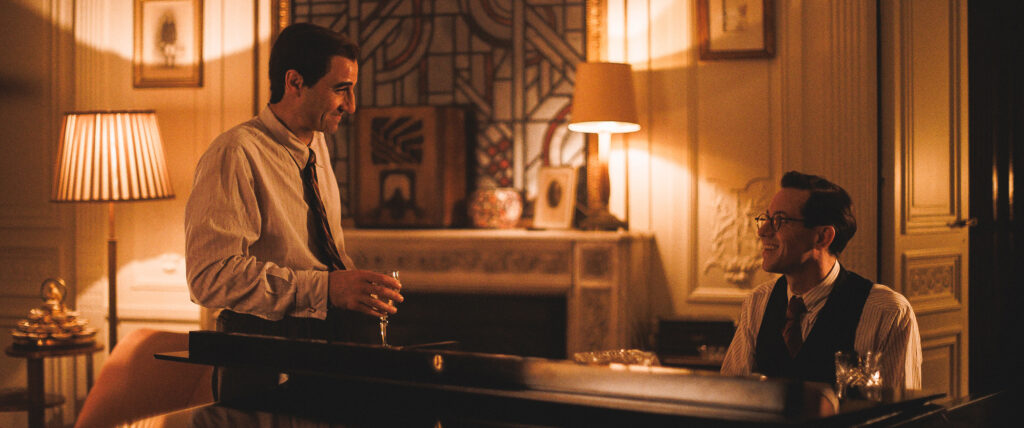
The French biographical feature ‘Monsieur Aznavour’ took a similar approach. The film follows the story of the legendary singer’s rise to fame, spanning over several time periods from the 1930s to the 1970s. From his triumphs to his failures, from Paris to New York.
Cinematographer Brecht Goyvaerts SBC used Cooke S7/i lenses on full frame as the foundation of the production, a choice driven by his love of their “softer, more human look” but he switched to anamorphic on S35 for the most intimate moments.
“I wanted to be closer to the character, to show things from his perspective,” Goyvaerts explains. “We switched to the S35 format to narrow the field of view and make it feel more intimate. The Cooke lenses gave me a look that felt most true to my personal taste. They’re technically excellent, reliable, and they provide the images with a softness that I love.”
The film maintains a consistent 2.39:1 aspect ratio throughout.
Monsieur Aznavour
Read the full ‘Monsieur Aznavour’ case study
Wes Anderson’s use of mixed formats across his filmography represents one of the most publicly discussed applications of the technique. Working with cinematographer Robert Yeoman ASC, Anderson has moved between spherical and anamorphic across multiple films – in some cases cropping to a common ratio, in others allowing the aspect ratio to shift explicitly as part of the film’s visual language.
When it came to aspect ratio there was a desire from the beginning of their relationship to shoot 2.39:1 through anamorphic capture. For ‘Bottle Rocket’, because it was Anderson’s first film, the studio were questioning the choice due to the added complexity and lighting requirements. They requested a test be done in pre-production in both anamorphic and 1.85:1. Reflective of their support for each other, the duo completely “loaded” the test towards anamorphic.
“We made the frames very kind of artsy and I lit them a little more beautifully. And then when we did the 1:85 scene, we purposely made the frames less interesting and I made the lighting a little more boring. We sent the test off to the studio and the studio said, “We can’t see the difference. You have to shoot 1:85!” So we were kind of forced into that, which is not what we wanted to do.”
After the success of ‘Bottle Rocket’ Wes made it clear from the beginning of production on his next film ‘Rushmore’ that he was going to shoot anamorphic, a choice that stuck for subsequent films, apart from ‘Moonrise Kingdom’ which was shot on Super16mm at 1.85:1.
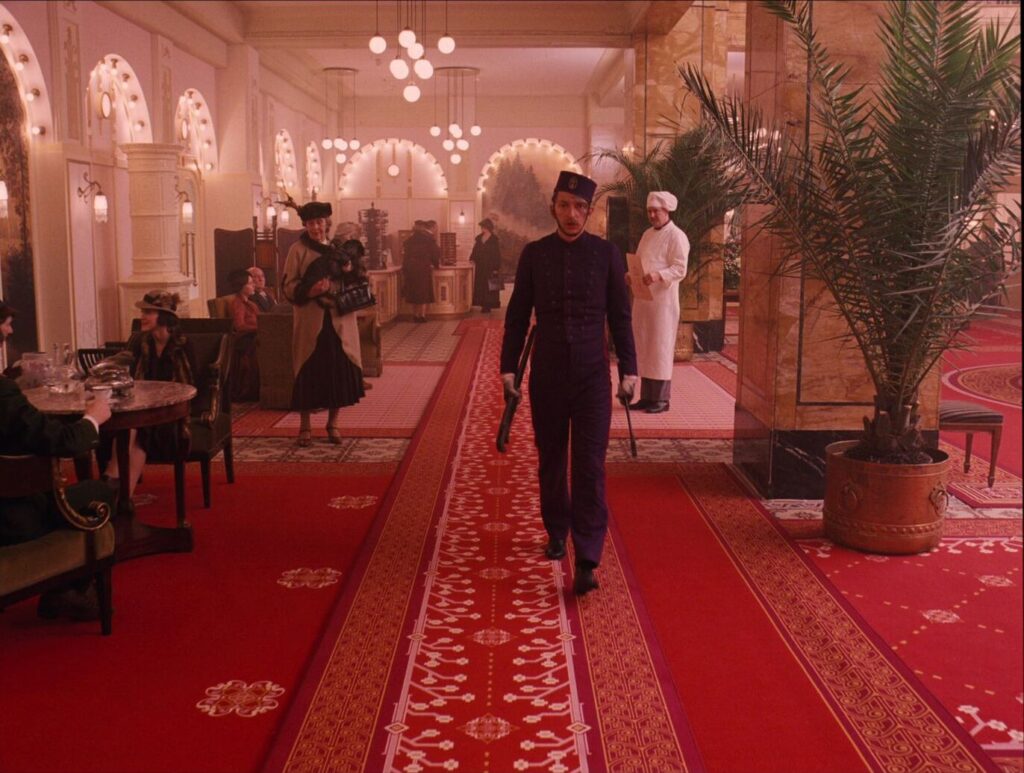
The Grand Budapest Hotel – Spherical shot
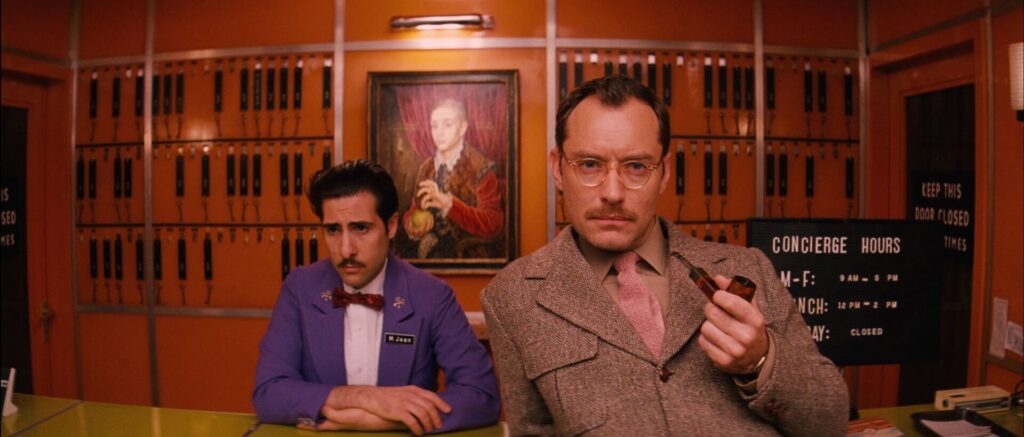
The Grand Budapest Hotel – Anamorphic shot
In pre-production for ‘The Grand Budapest Hotel’ Wes began to consider mixing aspect ratios within the film. Yeoman admits to being a little nervous when the idea was first presented to him, but as they developed the concept of each aspect reflecting how movies were shot during the time period relevant to the film’s setting these fears were diminished and they embraced the adventure and the playful approach became one of the film’s most distinctive qualities.
Read our extended dive into the filmography of ‘Wes Anderson’
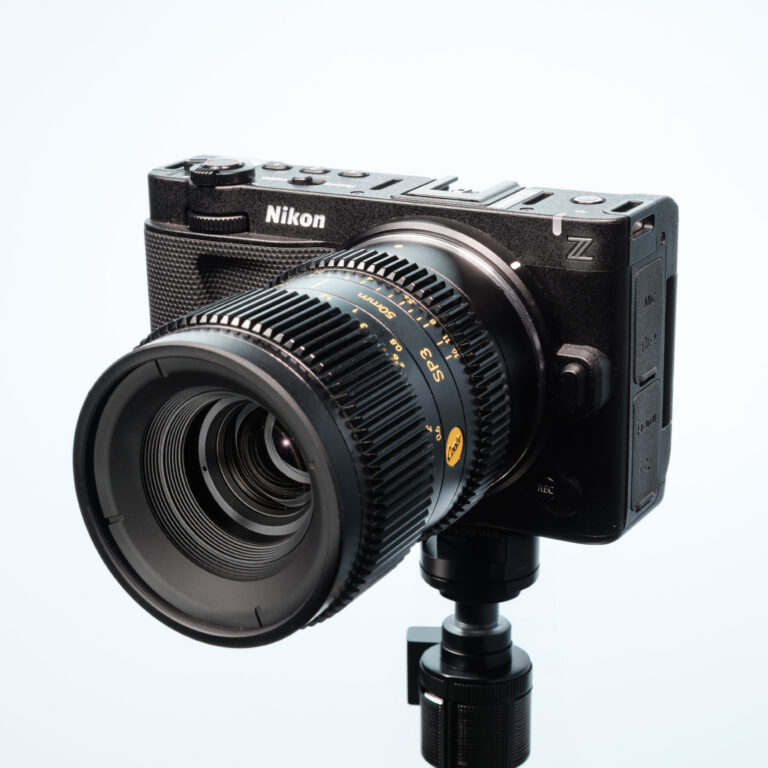
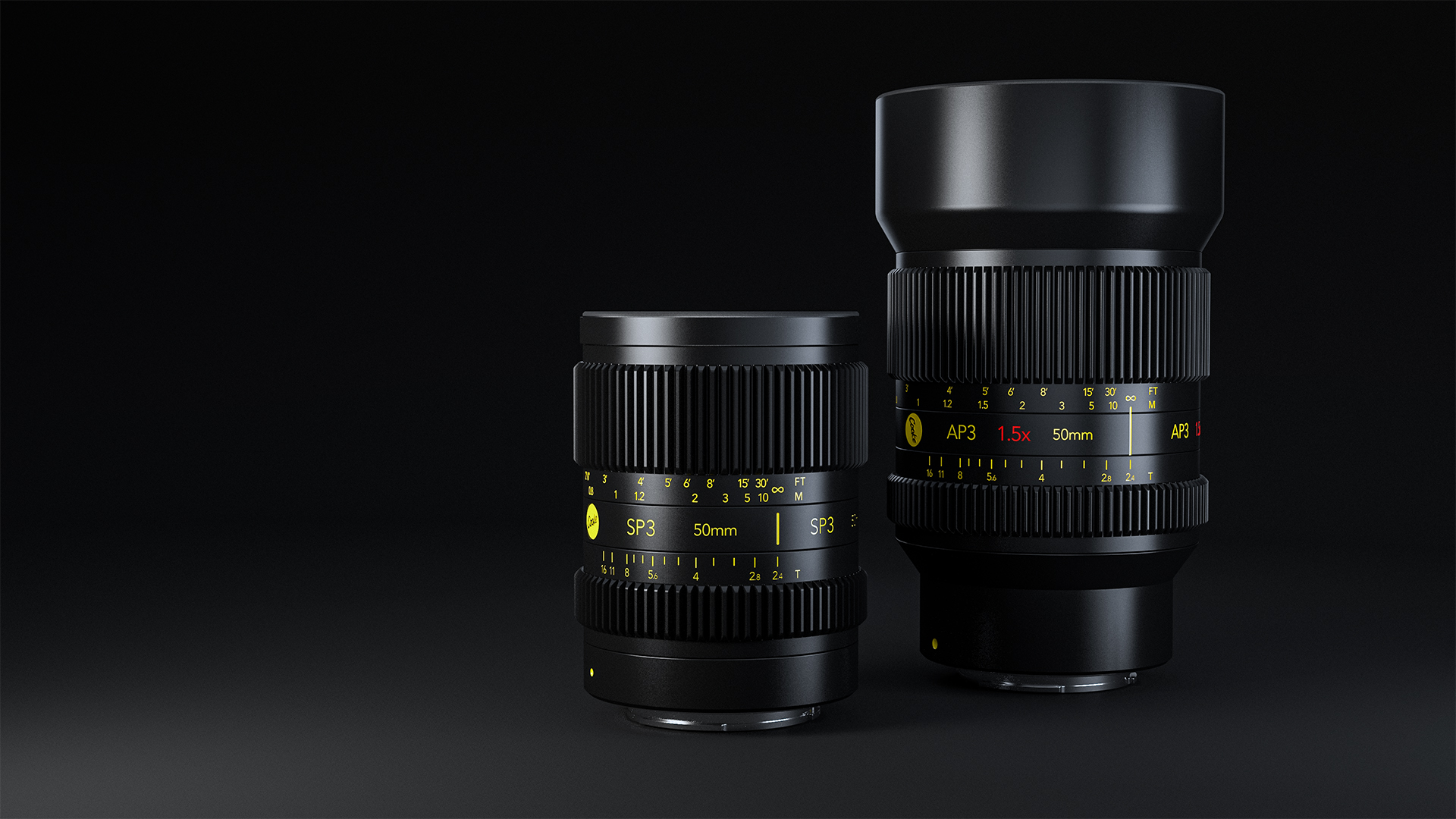
The SP3 was Cooke’s first mirrorless lens series and made an immediate impact on the market when it launched, establishing a new benchmark for what a compact, modern spherical prime could be. The recently announced AP3 continues that conversation but for anamorphic: a set of three anamorphic primes built from the ground up for the same market as SP3, compact and lightweight, and sharing the same Panchro coatings that are loved the world over.
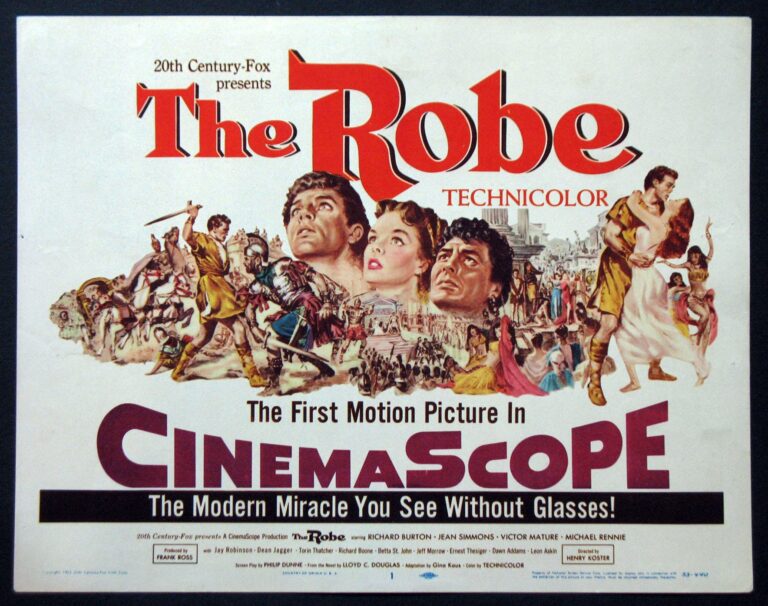
The AP3 uses a 1.5x squeeze – a ratio that, as explored in part one of this series, has deeper roots in cinema and Cooke history than is often appreciated. From the Technirama productions of the late 1950s, where Taylor, Taylor & Hobson glass sat behind Delrama prism adapters on films including Kubrick’s ‘Spartacus’, to the full frame digital productions of today, the 1.5x squeeze continues to offer a way into anamorphic that works efficiently with the sensor sizes and delivery formats of its era. In that sense the AP3 is a continuation of something that has been part of the format’s story from the beginning.
The productions featured across this series represent the kind of work that has kept anamorphic vibrant across seven decades. The tools available to make that work are better now than they have ever been. The AP3 is the latest evidence of that, and the cinematographers who choose it will be adding their own chapter to a format that has consistently rewarded creative ambition.